
 Mary Murphy
Remember when you could board a plane, pick any available seat, and not pay an extra dime?
Or when hotels threw in Wi-Fi and parking without thinking twice?
Those days are long gone.
Companies have quietly turned what used to be standard freebies into money-making opportunities, adding fees that nickel-and-dime us at every turn.
1. Airline Seat Selection
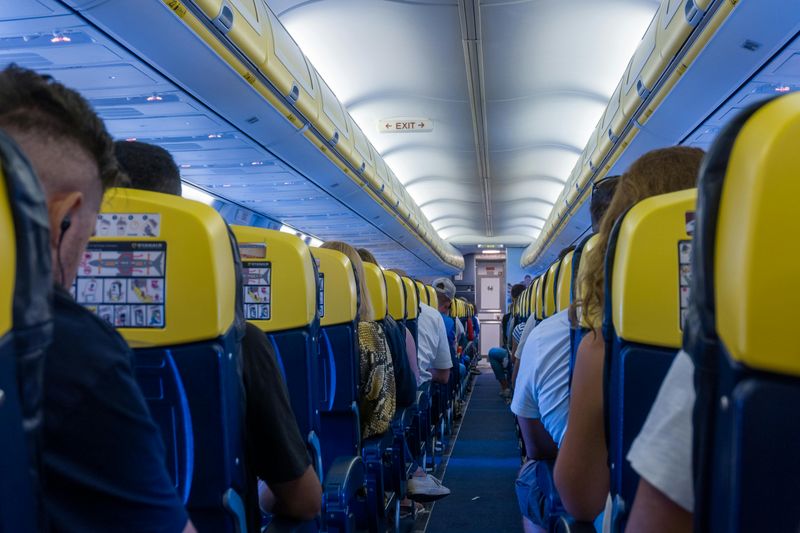
Flying used to be simpler.
You’d buy a ticket, show up at the airport, and choose whatever seat you wanted without opening your wallet again.
Now airlines treat seat selection like prime real estate, charging anywhere from five bucks to over fifty depending on legroom and location.
Want to sit with your family?
That’ll cost extra.
Prefer an aisle seat to stretch your legs?
Another fee gets tacked on.
Even basic economy tickets often exclude free seat assignments until check-in, leaving you scrambling for whatever’s left.
This shift started as airlines looked for new revenue streams beyond ticket sales.
What was once a simple courtesy has become a calculated profit center, making budget travel feel like a game of financial Tetris.
2. Hotel Wi-Fi and Resort Fees

Booking a hotel room isn’t as straightforward as it appears.
That nightly rate you see advertised rarely tells the whole story anymore.
Hotels have mastered the art of surprise charges, slapping on mandatory resort fees that cover things like internet access, gym use, and pool towels.
These fees can add twenty to forty dollars per night to your bill, turning a reasonably priced stay into an expensive surprise at checkout.
Wi-Fi, once a standard amenity like running water, now comes with a price tag at many establishments.
The frustrating part?
You can’t opt out of resort fees even if you never use the pool or touch the fitness center.
It’s become an industry-wide practice that makes comparison shopping nearly impossible.
3. Plastic Grocery Bags

Grocery shopping got a bit more complicated when stores started charging for something we’d always tossed our purchases into without thinking.
Plastic bags, once handed out freely by the thousands, now cost between five and ten cents each in many cities and states.
The environmental reasoning makes sense—reducing plastic waste benefits everyone.
But it caught shoppers off guard, especially those who forgot their reusable bags at home.
That quick trip for milk suddenly includes an unexpected bag fee.
Over a hundred U.S. cities have implemented bag fees or outright bans.
While it encourages eco-friendly habits, it’s another small charge that adds up over time, especially for families doing weekly shopping trips who occasionally forget their canvas totes in the car.
4. In-Flight Meals and Snacks
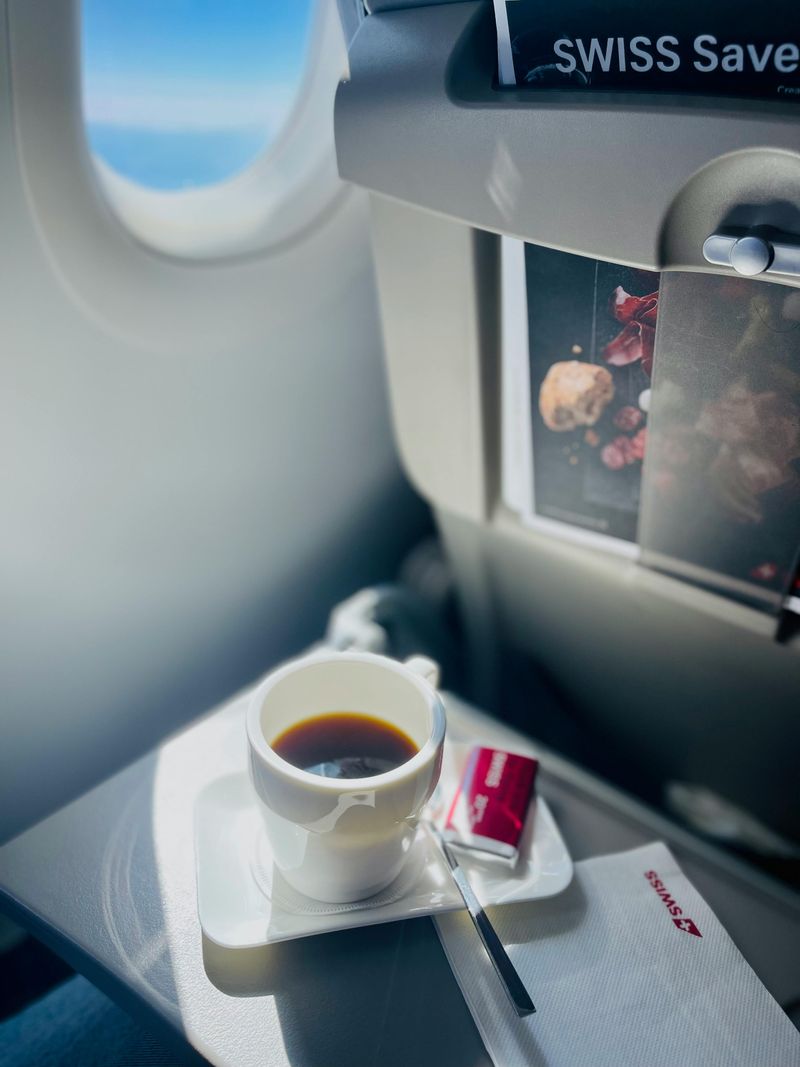
Air travel once meant settling into your seat and waiting for the meal cart to roll by with complimentary food.
Those days vanished faster than free peanuts.
Most domestic flights now require passengers to purchase meals, with prices that would make a airport restaurant blush.
A sad sandwich might run you twelve dollars, while a snack box costs eight.
Some airlines offer only beverages for free, leaving hungry passengers staring longingly at overpriced options.
International flights still include meals, but domestic travelers are out of luck.
Budget airlines pioneered this trend, but major carriers quickly followed suit.
What started as cost-cutting has become standard practice, transforming flying from an experience into bare-bones transportation where everything beyond your seat costs extra.
5. Bank Checking Account Fees
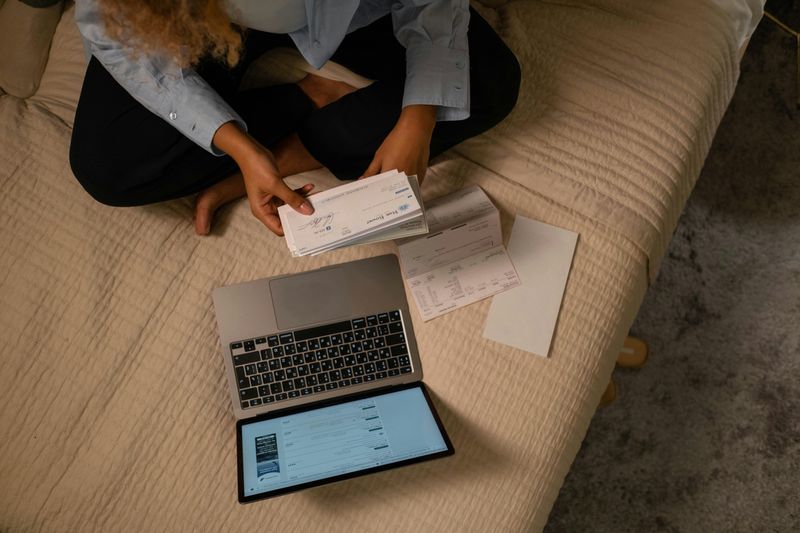
Your grandparents probably had a free checking account their entire lives.
Today’s banking landscape looks completely different.
Monthly maintenance fees have become standard unless you maintain minimum balances that many people struggle to keep, especially younger account holders just starting out.
Banks charge anywhere from five to fifteen dollars monthly for basic checking accounts.
Miss the minimum balance by a few dollars?
The fee hits anyway.
These charges add up to hundreds of dollars yearly for services that used to cost nothing.
Some online banks still offer truly free checking, but traditional brick-and-mortar institutions have largely abandoned the practice.
It’s forced consumers to shop around carefully and read the fine print, turning a simple banking relationship into a complicated fee-avoidance strategy.
6. ATM Withdrawal Fees
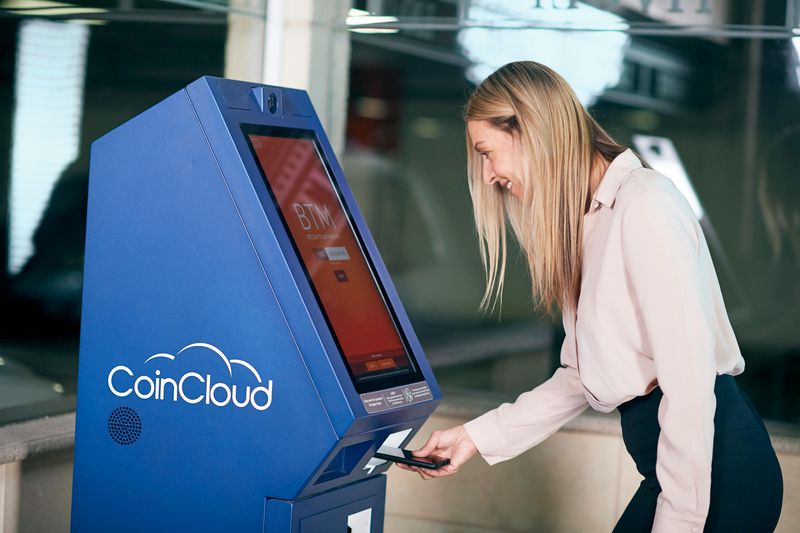
Need cash in a pinch?
Using an out-of-network ATM will cost you dearly.
What began as a small convenience charge has ballooned into a double-whammy of fees—one from the ATM owner and another from your own bank for using another institution’s machine.
These combined charges often reach five or six dollars per withdrawal.
Make a few emergency cash grabs monthly, and you’re spending seventy dollars yearly just to access your own money.
It’s particularly painful when you only need twenty bucks.
Banks justify the fees as covering operational costs and network maintenance.
But for consumers, it feels like being penalized for needing cash.
The rise of digital payments has reduced ATM dependence, yet fees keep climbing for those still requiring physical currency.
Comments
Loading…