
 Isabel Parker
Some people in our lives leave us feeling confused, drained, and unsure of ourselves.
Understanding the warning signs of deeply harmful behavior can protect your mental health and relationships.
Recognizing these patterns early gives you the power to set boundaries, seek support, and make smarter choices about who you trust.
Here are 9 things harmful people consistently do.
1. They Gaslight You

Has someone ever made you feel like your memory is completely broken?
Gaslighting is when a person consistently denies your experiences, twists facts, or rewrites events so you start doubting your own mind.
It is one of the sneakiest forms of emotional manipulation out there.
Over time, constant gaslighting chips away at your self-confidence.
You begin second-guessing even the clearest memories.
Recognizing this pattern is the first step toward protecting yourself.
Trust your gut, keep a journal of events, and talk to someone you trust outside the relationship to help you stay grounded in reality.
2. They Avoid Accountability

Accountability is something harmful people treat like a hot potato they never want to hold.
Every mistake gets blamed on someone else, every apology comes loaded with excuses, and genuine ownership of wrongdoing is almost never on the table.
Sound familiar?
Blame-shifting is their specialty.
They might say things like “I only did that because you made me” or “You are too sensitive.”
Real apologies acknowledge harm without conditions attached.
When someone refuses to own their actions repeatedly, it signals a deeper pattern of disrespect.
Healthy relationships require both people to take honest responsibility.
3. They Violate Boundaries

Boundaries are not suggestions to harmful people.
They are challenges.
The moment you clearly state a limit, a deeply harmful person will test it, push past it, or laugh it off entirely.
This behavior is rarely accidental.
Boundary violations can be physical, emotional, or digital.
Reading your private messages, showing up uninvited, or pressuring you after you said no are all red flags.
Each violation is a signal that the person values control over your comfort.
Standing firm on your limits, even when it feels uncomfortable, is one of the most powerful acts of self-respect you can practice.
4. They Manipulate Your Emotions

Emotional manipulation is a calculated game.
Harmful people know exactly which buttons to push to trigger fear, guilt, jealousy, or insecurity in you.
They poke and prod until you react, then flip the script and call you unstable or overemotional for doing so.
This cycle can feel dizzying and exhausting.
You end up spending more energy managing their moods than focusing on your own wellbeing.
Naming the pattern out loud is powerful.
When you recognize that your emotional reactions are being deliberately triggered, you reclaim the ability to pause, breathe, and respond on your own terms instead of theirs.
5. They Lack Empathy

Imagine sharing something painful and being met with a shrug or a dismissive “you will get over it.”
People who lack empathy struggle to connect with how others feel, and many do not seem to want to try.
Your pain simply does not register on their radar.
Over time, this emotional coldness wears you down.
You might start shrinking your feelings to avoid their indifference.
But minimizing your own emotions to keep someone else comfortable is never a healthy trade.
Everyone deserves to be heard and valued.
A person who consistently dismisses your needs is showing you exactly who they are.
6. They Isolate You From Support Systems
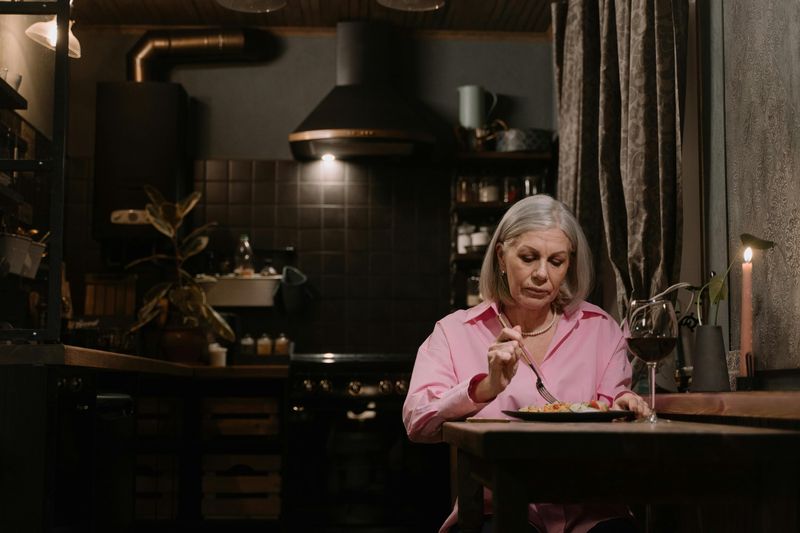
Slowly, quietly, harmful people begin pulling you away from the people who love you most.
They might criticize your friends, create drama with your family, or make you feel guilty for spending time with anyone other than them.
The isolation rarely happens all at once.
Before long, they become your only source of emotional support, which is exactly what they want.
The fewer outside voices you hear, the easier it is for them to control your perspective.
Stay connected to your support network, even when it feels difficult.
Those outside relationships are your lifeline and your reality check.
7. They Present A False Public Image

To the outside world, they are the life of the party, generous, funny, and impossible not to like.
But behind closed doors, a completely different person shows up.
This double life is not a coincidence.
It is a carefully managed performance designed to protect their reputation.
Living with this disconnect can make you feel crazy.
Nobody believes your experience because everyone else only sees the charming version.
This is sometimes called the “mask of sanity.”
Documenting incidents and confiding in one trusted person outside the relationship can help.
Your private experience is just as real as their public performance.
8. They Play The Perpetual Victim

No matter what happens, somehow it is always happening to them.
Harmful people who play the perpetual victim are masters at reframing every situation so they appear wronged, misunderstood, or unfairly treated.
Their suffering is always louder and more important than yours.
This tactic is brilliant for dodging accountability.
If they are always the victim, they can never be the problem.
Watch for patterns where their stories always cast everyone else as the villain.
Genuine vulnerability looks very different from weaponized victimhood.
Someone who uses their pain as a shield to avoid responsibility is not healing.
They are deflecting.
9. They Love-Bomb Then Control

At first, it feels like a fairytale.
Constant texts, grand gestures, intense declarations of love within weeks.
Love-bombing is designed to sweep you off your feet so fast that you are emotionally hooked before you have had time to really know the person.
Once that deep attachment forms, the dynamic shifts.
The affection gets replaced with demands, jealousy, and control.
That early flood of attention was not generosity.
It was an investment they now intend to collect on.
Healthy love builds gradually and does not require you to prove your loyalty constantly.
If the pace feels overwhelming early on, trust that feeling.
Comments
Loading…