
 Jade Reed
If You Still Prefer Paying With Cash, Psychology Says These 10 Traits Define You
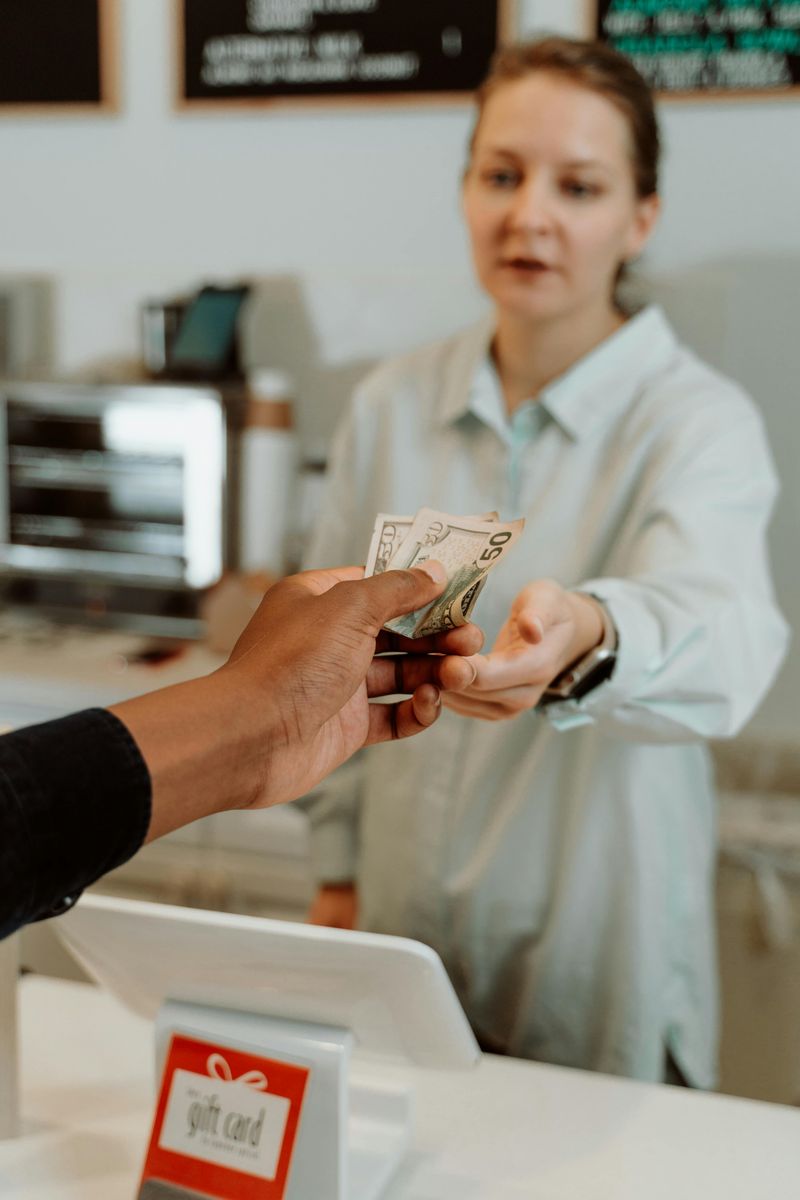
In a world where tapping a phone or swiping a card takes less than a second, some people still reach for their wallet and count out bills the old-fashioned way.
If that sounds like you, there’s actually a lot more going on beneath the surface than simple habit.
Psychologists have found that cash users share some surprisingly consistent personality traits.
Read on to discover what your payment preference might reveal about who you really are.
1. You Need To Feel Money Leaving Your Hand
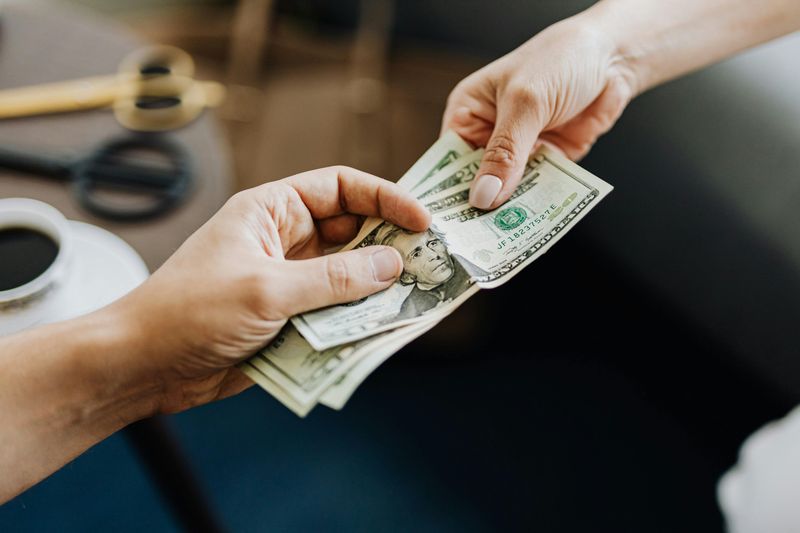
There’s something undeniably real about watching a crisp bill leave your fingers.
Psychologists call this the “pain of paying” — and cash users feel it more intensely than anyone swiping a card ever does.
Research from MIT actually found that people spend significantly less when using cash because the physical act of handing money over triggers a stronger emotional response.
Your brain registers the loss more clearly.
For you, that tangible feeling isn’t uncomfortable — it’s valuable.
It keeps you grounded, aware, and honest about where every single dollar of your hard-earned money is actually going.
2. You Appreciate Clear, Hard Financial Limits
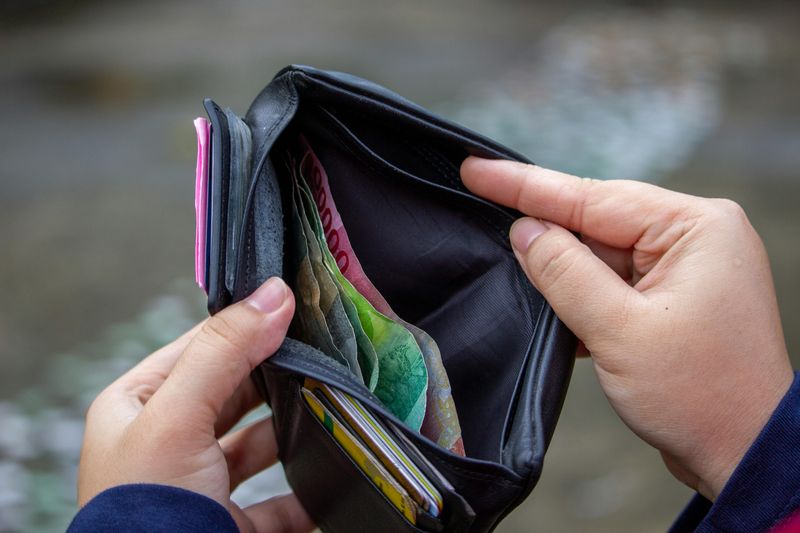
Opening your wallet and seeing exactly what remains is one of the most powerful budgeting tools in existence — no app required.
Cash users tend to be deeply practical people who prefer hard, visible boundaries over flexible digital ones.
When the money runs out, it simply runs out.
There’s no overdraft temptation, no “I’ll check the balance later” excuse creeping in.
Studies in behavioral economics consistently show that envelope-style cash budgeting reduces overspending more effectively than digital tracking methods.
For you, seeing the bottom of your wallet isn’t stressful — it’s the system working exactly as intended.
3. You Value Privacy In Your Purchases
Every time you swipe a card, a data trail follows you like a shadow.
Your bank, your retailer, your app, and sometimes advertisers all get a peek at what you bought, where, and when.
Cash users tend to score higher in privacy-consciousness, according to consumer behavior research.
You’re not necessarily hiding anything — you simply believe your financial choices are yours alone.
There’s a quiet confidence in knowing that nobody is building a profile based on your grocery run or your bookstore visit.
Cash gives you that invisible cloak, and frankly, you think everyone should want one.
4. You Dislike The Idea Of Invisible Debt
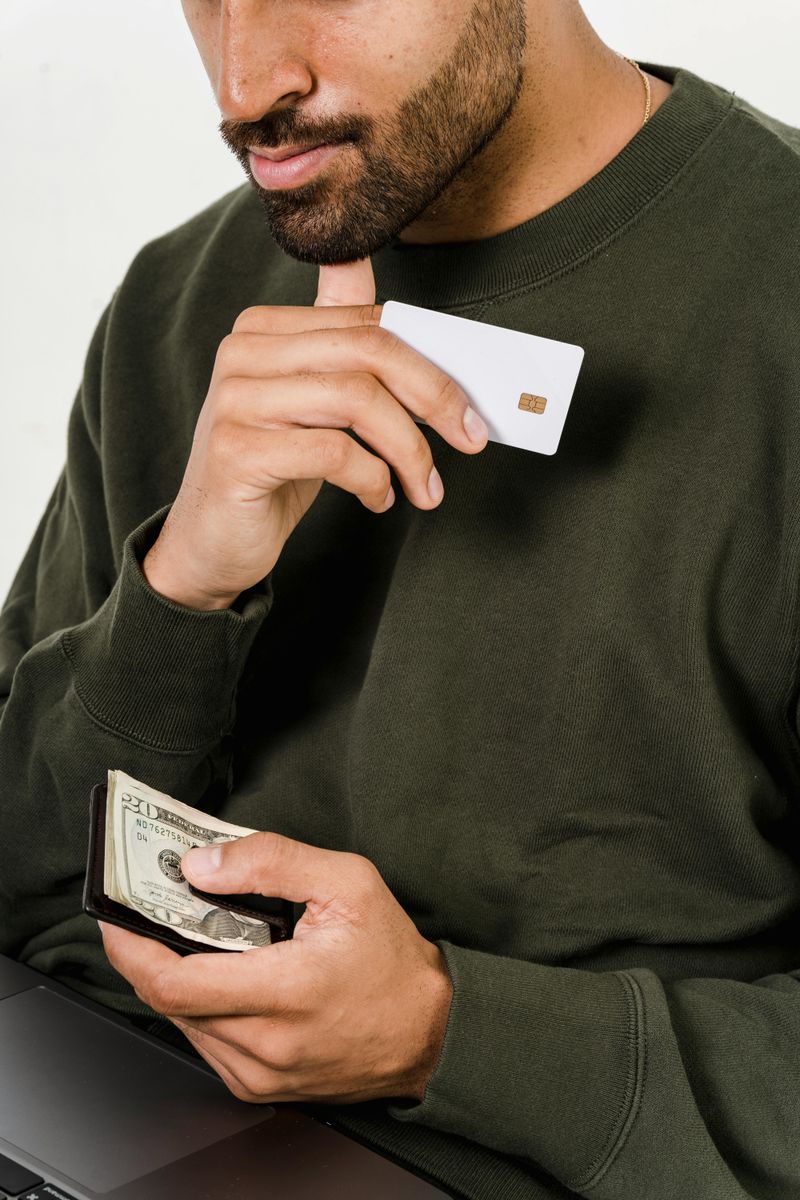
Credit balances can feel eerily fictional — numbers floating in a digital space that don’t quite feel real until the bill arrives.
If that disconnect bothers you deeply, you’re in good psychological company.
Cash users often have a strong aversion to what researchers describe as “debt ambiguity” — the blurry line between what you own and what you owe.
Keeping those lines crystal clear matters enormously to you.
Paying with physical money means you never spend what you don’t have.
That simple rule might sound old-fashioned to some, but for you, it’s a cornerstone of financial peace of mind.
5. You Trust Personal Control Over Financial Systems
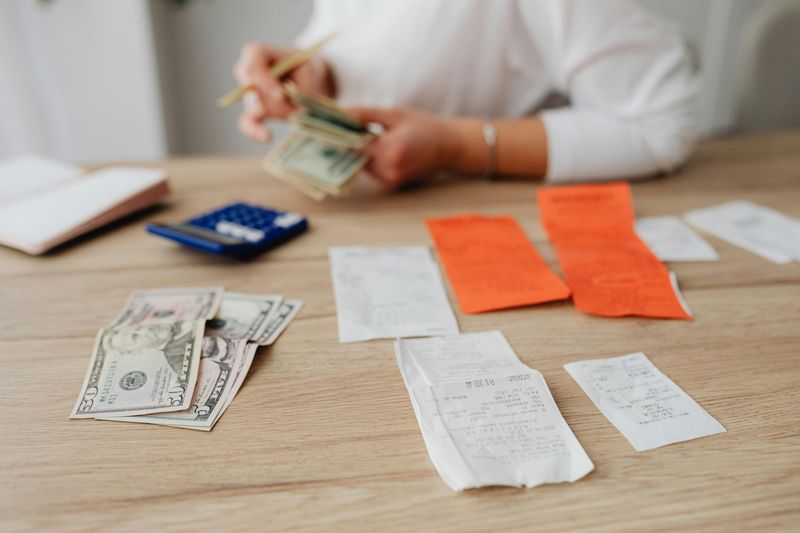
Banks crash, apps go offline, and card readers malfunction at the worst possible moments.
You’ve probably noticed this — and quietly kept a backup plan in your wallet ever since.
Psychologically, preferring cash often signals a strong internal locus of control.
That’s a fancy way of saying you believe your outcomes depend on your own decisions, not systems you can’t personally oversee or influence.
Managing money directly, without relying on a third-party platform to interpret your finances for you, feels empowering rather than inconvenient.
You’re not anti-technology — you’re pro-independence, and there’s a meaningful difference between those two things.
6. You Respect The Ritual Of Paying
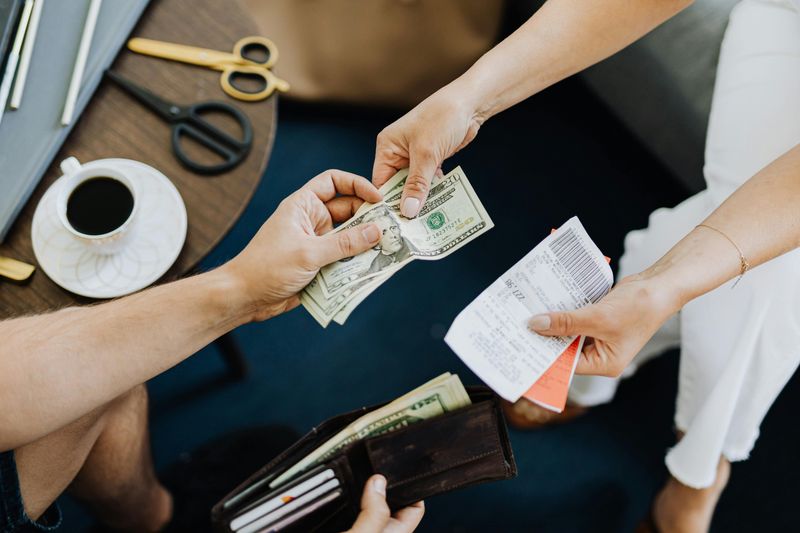
Counting bills, handing them over, waiting for change — it sounds tedious to some, but to you it feels almost ceremonial.
Each purchase gets a moment of genuine attention rather than a thoughtless tap.
Psychologists who study consumer behavior note that rituals around spending create what’s called “purchase intentionality” — the sense that a transaction was a conscious choice, not an automatic reflex.
That brief pause between wanting something and actually paying for it can be surprisingly powerful.
It gives you a split second to reconsider, to appreciate, or to simply feel present in the moment.
That pause is worth something real.
7. You Gravitate Toward Tangible, Physical Experiences
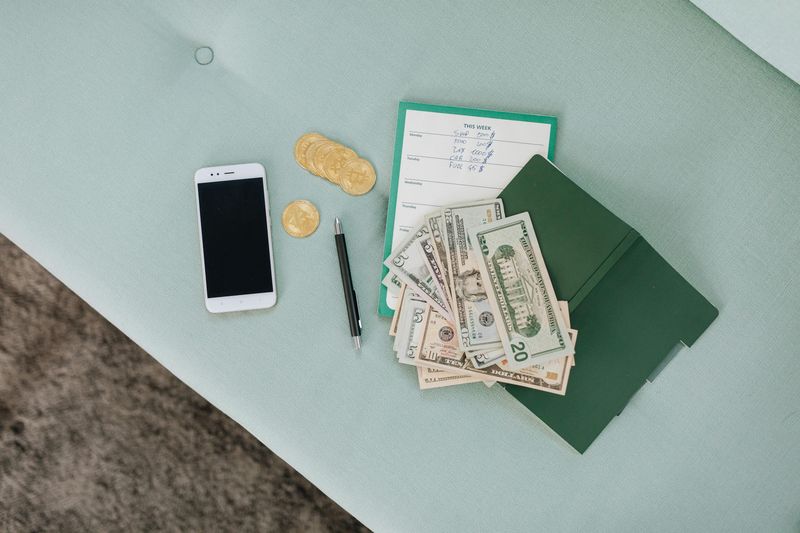
Ask a cash person about their favorite things and you’ll likely hear about physical books, handwritten notes, and real conversations over coffee — not playlists, e-readers, or virtual meetings.
Preferring physical currency fits naturally into a broader personality pattern.
Research in sensory psychology suggests that people who value tactile experiences tend to feel more emotionally connected to the objects and actions in their daily lives.
Holding money, flipping through bills, and feeling the weight of coins isn’t nostalgia for its own sake.
For you, the physical dimension of life simply carries more meaning, more texture, and more satisfaction than the digital version ever could.
8. You Believe Spending Should Feel Meaningful
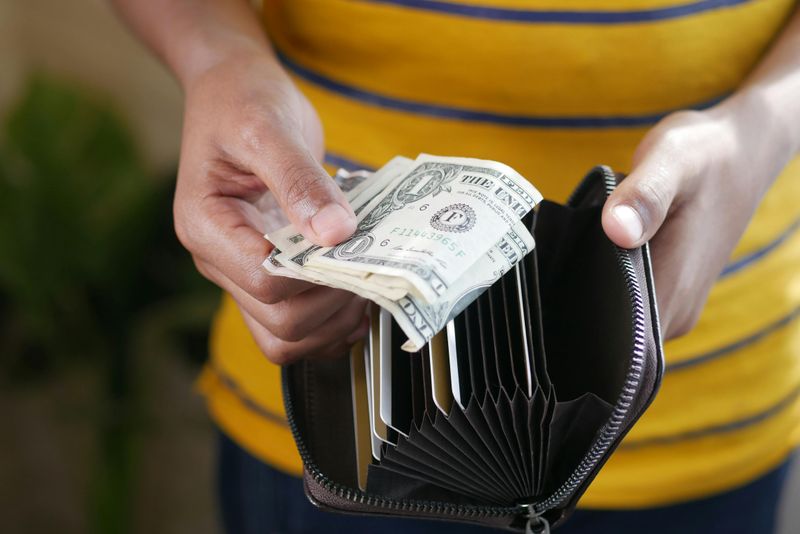
Tap-to-pay makes spending almost too easy.
One blink and it’s done — no friction, no moment of reflection, no tiny internal voice asking whether this purchase is actually worth it.
Cash users often report a phenomenon researchers call the “spending sting” — a mild but useful discomfort that accompanies parting with physical money.
Rather than avoiding that feeling, you actually rely on it.
It acts as a natural filter for impulse buys and unnecessary splurges.
Every purchase that survives the sting feels earned and justified.
That slight moment of resistance isn’t a flaw in your system — it’s the whole point of it.
9. You Feel A Strong Sense Of Ownership Over Your Money

There’s a psychological concept called the “endowment effect” — people value things more once they physically possess them.
Cash users experience this with money itself, not just the things they buy.
Holding physical currency creates a deeper psychological bond with your finances.
It’s yours in a way that a number on a screen simply never feels.
That connection makes you more protective, more deliberate, and frankly, more thoughtful about every spending decision you face.
Digital money can feel borrowed or temporary.
Cash feels undeniably, completely yours — and that sense of true ownership shapes how carefully and wisely you choose to use it.
10. You Prioritize Self-Discipline In Financial Decisions

Self-discipline isn’t about being rigid — it’s about building systems that actually work for the life you want.
Cash-based spending is one of those systems, and choosing it says a lot about your character.
People who prefer cash tend to score higher in conscientiousness, one of the core personality traits identified by psychologists.
That means you’re organized, dependable, and genuinely motivated by long-term outcomes over short-term convenience.
Using cash reinforces a cycle of mindful awareness that compounds over time, much like interest in a savings account.
Every disciplined choice today quietly builds the financially confident, self-aware person you’re steadily becoming.
Comments
Loading…