
 Harper Hall
12 Psychological Reasons Grandparents Act Differently With Grandkids
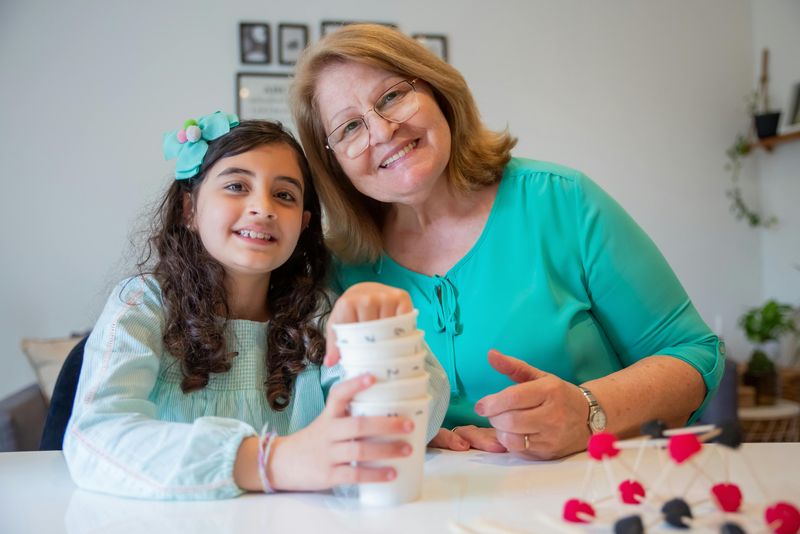
Have you ever noticed how grandparents seem to have an almost magical ability to stay calm, laugh easily, and make every moment feel special?
Many children experience their grandparents as more relaxed and playful than their parents, and there are real psychological reasons behind that difference.
From life experience to emotional freedom, understanding why grandparents behave this way helps families appreciate these unique bonds even more.
1. They Aren’t Carrying the Full Weight of Responsibility
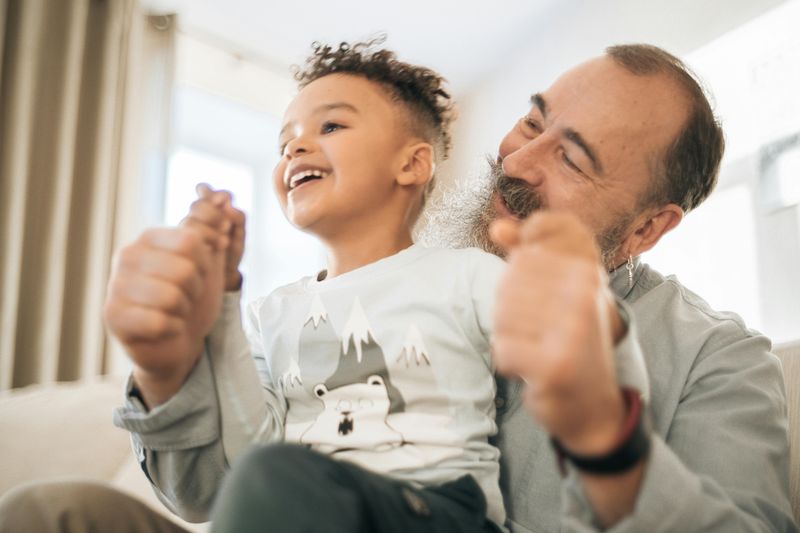
Parenting comes with an enormous mental load.
Every decision about schooling, bedtime, nutrition, and discipline falls on parents’ shoulders daily.
Grandparents, however, step into a completely different role.
Without being the primary decision-makers, they interact from a place of emotional freedom rather than pressure.
That mental space allows them to be fully present, patient, and genuinely playful.
They can say yes to an extra cookie or a late movie night without worrying about long-term consequences.
This freedom from full responsibility is one of the biggest reasons grandparents seem so much more easygoing and warmhearted during their time with grandchildren.
2. They Experience Less Daily Stress
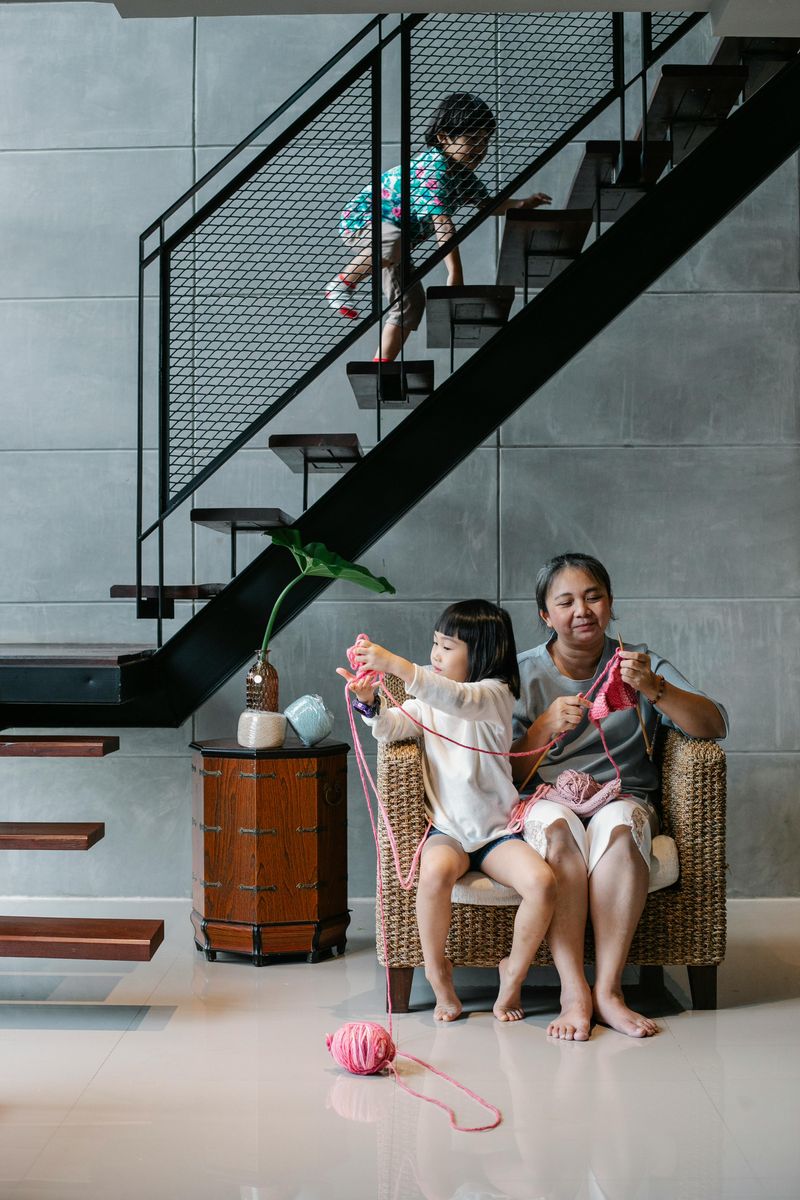
Retirement or a slower pace of life changes everything about how a person shows up emotionally.
When the rush of deadlines, commutes, and career pressures fades away, something opens up inside a person.
Grandparents typically have fewer competing demands pulling at their attention throughout the day.
That calm carries directly into their interactions with grandchildren. Instead of reacting from a place of overwhelm, they can respond thoughtfully and gently.
Research consistently shows that lower stress levels lead to more patient communication and warmer relationships.
For grandkids, this translates into a safe, relaxed presence that feels wonderfully different from the busy energy of everyday home life.
3. They Understand That Phases Are Temporary

Surviving tantrums, teenage eye-rolls, and every awkward phase in between gives grandparents a kind of emotional armor that most parents are still building.
They have seen it all before.
Because they already know that difficult stages pass, they are far less likely to overreact or catastrophize.
A meltdown at the grocery store doesn’t send them into panic mode. Instead, they can almost smile knowingly, remembering that this too shall pass.
That long-view perspective creates a steady, reassuring presence for grandchildren.
Kids can sense when an adult isn’t rattled by their big feelings, and that calm makes a huge difference in how safe they feel.
4. They Don’t Feel Constantly Judged
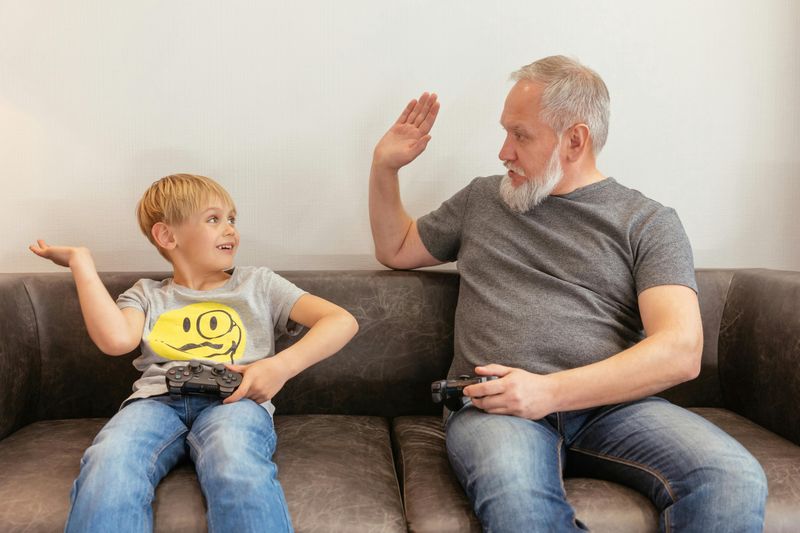
Modern parenting often feels like a performance.
Parents worry about judgment from teachers, neighbors, social media, and even other family members.
That invisible pressure can make them tense and overly cautious.
Grandparents have largely stepped off that stage.
They aren’t being graded on their grandparenting choices the same way parents are scrutinized for every decision.
That freedom from external judgment allows them to relax into genuine connection without second-guessing every move.
When you stop worrying about how things look, you start focusing on how they feel.
For grandchildren, this creates interactions that feel honest, warm, and wonderfully free from the awkward tension of trying to impress anyone.
5. They’re No Longer Running on Empty

Early parenthood is famous for one thing above all else: brutal sleep deprivation.
Combine that with nonstop multitasking and you get adults who are emotionally stretched dangerously thin.
Grandparents have moved past that exhausting chapter.
With more regular sleep and fewer physical demands draining their reserves, they carry significantly more emotional bandwidth into each interaction.
Patience becomes easier when you aren’t running on fumes.
Neuroscience backs this up.
Well-rested brains regulate emotions more effectively and respond rather than react under pressure.
For grandchildren, this means they get a version of care that is genuinely energized and enthusiastic, rather than one that is barely holding it together by dinnertime.
6. They Get to Enjoy the Fun Without the Grind
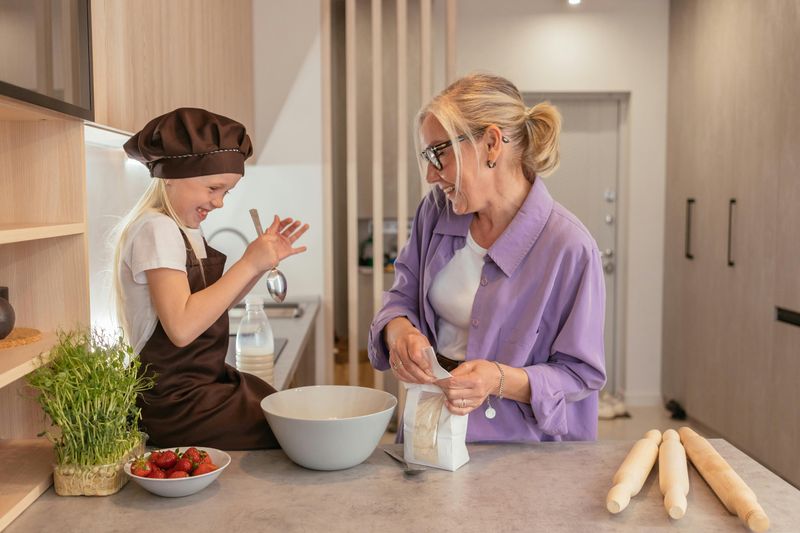
Nobody tells grandparents they have to enforce homework schedules, manage screen time limits, or push vegetables at every meal.
That daily grind belongs to the parents, and grandparents know it.
Because they aren’t stuck managing the unglamorous parts of raising kids, their interactions are naturally centered on bonding, play, and shared joy.
Every visit can feel like a mini celebration rather than another Tuesday filled with obligations.
Psychologists call this selective engagement, and it powerfully shapes the emotional quality of relationships.
When time together is mostly positive and fun-focused, children associate grandparents with safety, happiness, and belonging.
That association builds one of the most meaningful bonds a child can have.
7. They’ve Reflected on Past Parenting Choices
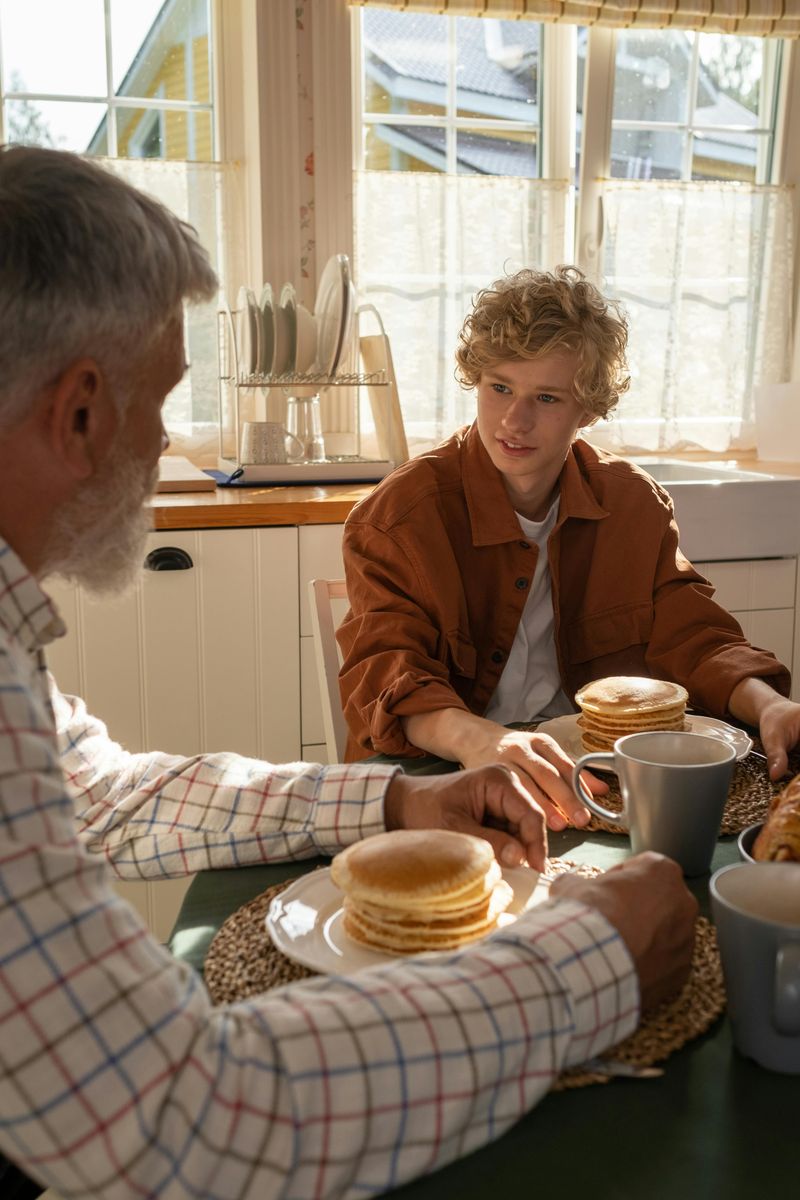
Hindsight is a powerful teacher.
Most grandparents look back on their parenting years with a mix of pride and honest reflection, noticing moments they wish they had handled more gently or patiently.
That self-awareness doesn’t disappear.
It actually shapes how they approach grandchildren, often with a conscious desire to be more intentional this time around.
They apply the lessons they couldn’t access when they were younger and more overwhelmed.
This reflective mindset creates interactions that feel thoughtful and unhurried.
Grandchildren often describe their grandparents as great listeners and wise advisors, qualities that come directly from years of lived experience and the humility to keep learning from it.
8. They Value Connection Over Control
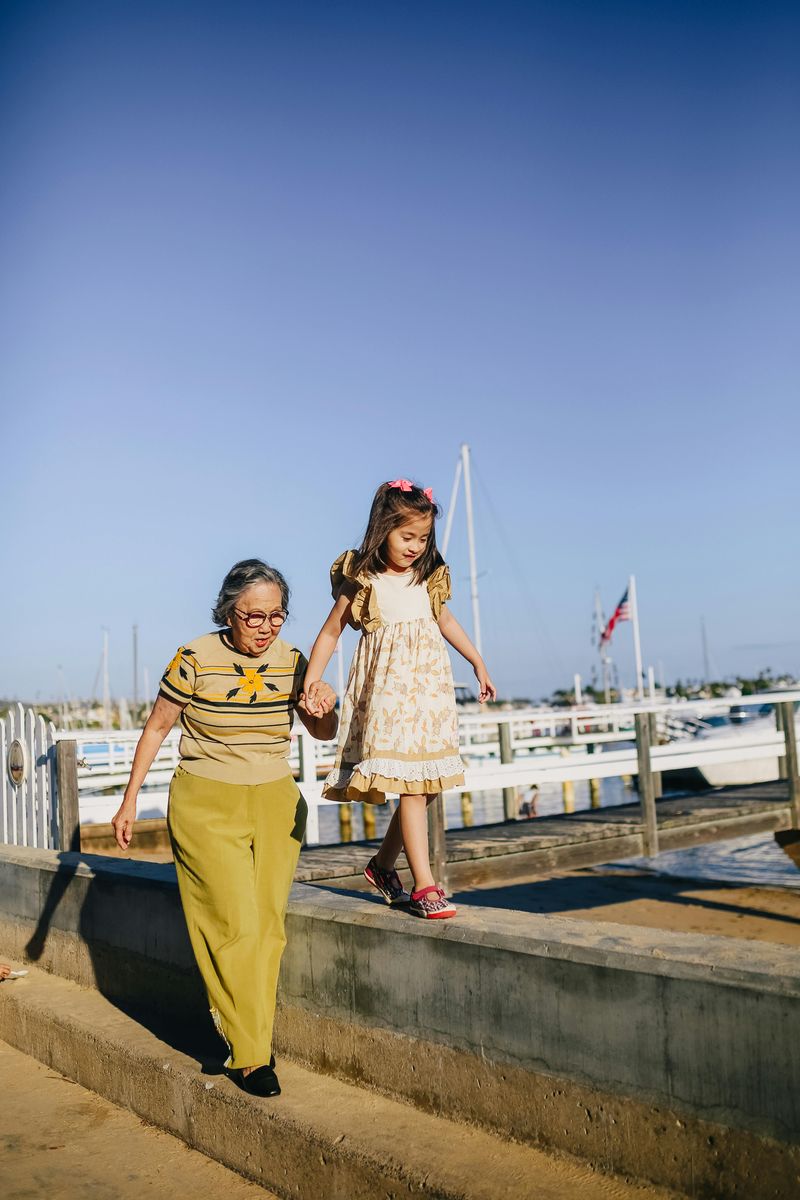
Something shifts in people as they age.
The need to control outcomes, enforce rules, and maintain strict authority tends to soften, replaced by a deeper hunger for genuine closeness and shared moments.
For grandparents, emotional connection often matters far more than winning power struggles or maintaining perfect behavior.
That shift in priorities changes everything about how they respond to grandchildren. Warmth replaces correction.
Curiosity replaces criticism.
This value for connection over control is backed by psychology, which shows that relationships built on warmth and acceptance are far more influential than those built on authority alone.
Grandchildren thrive in that kind of relationship, often opening up in ways they might not with their parents.
9. They Spend Time in Smaller Doses
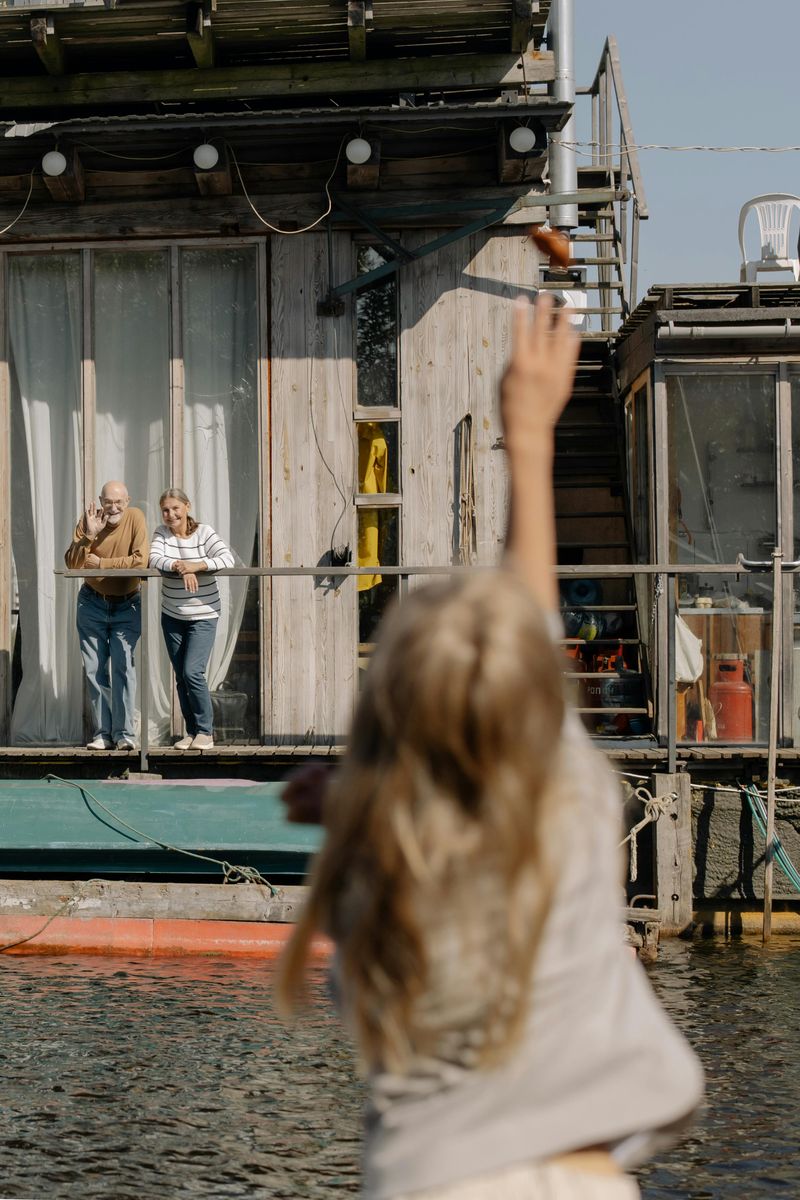
There is something uniquely powerful about anticipation.
When grandparent visits happen in limited doses rather than nonstop daily life, each interaction carries a special kind of energy that feels genuinely exciting for everyone involved.
Because the time together is finite, grandparents tend to be more fully present and intentional during visits.
There is no numbing routine dulling their enthusiasm.
Every game, every meal, every conversation feels worth savoring.
Psychologists note that intermittent positive experiences are often more emotionally memorable than constant ones.
For grandchildren, this means grandparent time registers as something truly special, creating memories that stick long after the visit ends and the drive home begins.
10. They’re Deeply Aware of How Fast Childhood Flies By
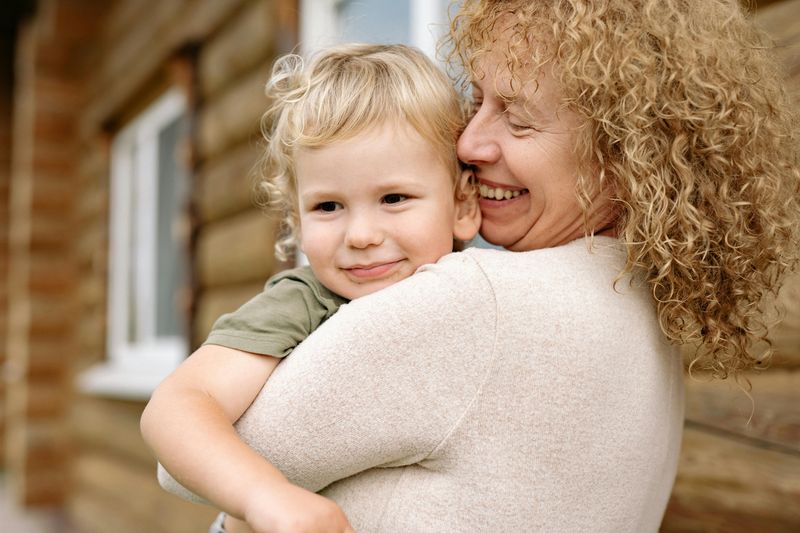
Watching your own children grow up and leave home teaches a lesson no book can fully capture: childhood is breathtakingly short.
Grandparents carry that knowledge in a deeply personal way.
Rather than rushing through moments or wishing phases would end faster, they tend to linger.
They watch a little longer, hug a little tighter, and pay closer attention to the small details that parents sometimes miss in the blur of busy days.
That bittersweet awareness transforms ordinary moments into something sacred.
For grandchildren, being seen and savored so completely by someone who truly understands time’s value is one of the most quietly profound gifts they will ever receive.
11. They Benefit Emotionally and Cognitively From the Bond
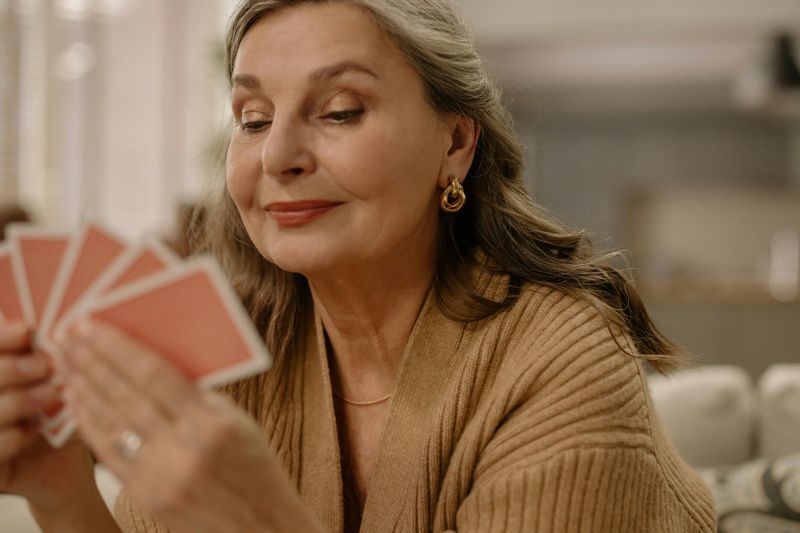
The relationship between grandparents and grandchildren isn’t just good for the kids.
Studies show that grandparents who maintain active, loving bonds with their grandchildren experience better mood, sharper cognitive function, and a stronger sense of purpose.
When something genuinely benefits you emotionally, you naturally bring more energy and enthusiasm to it.
Grandparents aren’t just tolerating time with grandkids.
They are being revitalized by it.
That mutual benefit creates a beautiful feedback loop.
The more connected and alive grandparents feel during interactions, the more patient, creative, and engaged they become.
Grandchildren essentially become a source of joy that keeps grandparents emotionally younger and mentally sharper than they might otherwise be.
12. They’re Biologically Wired to Support the Next Generation
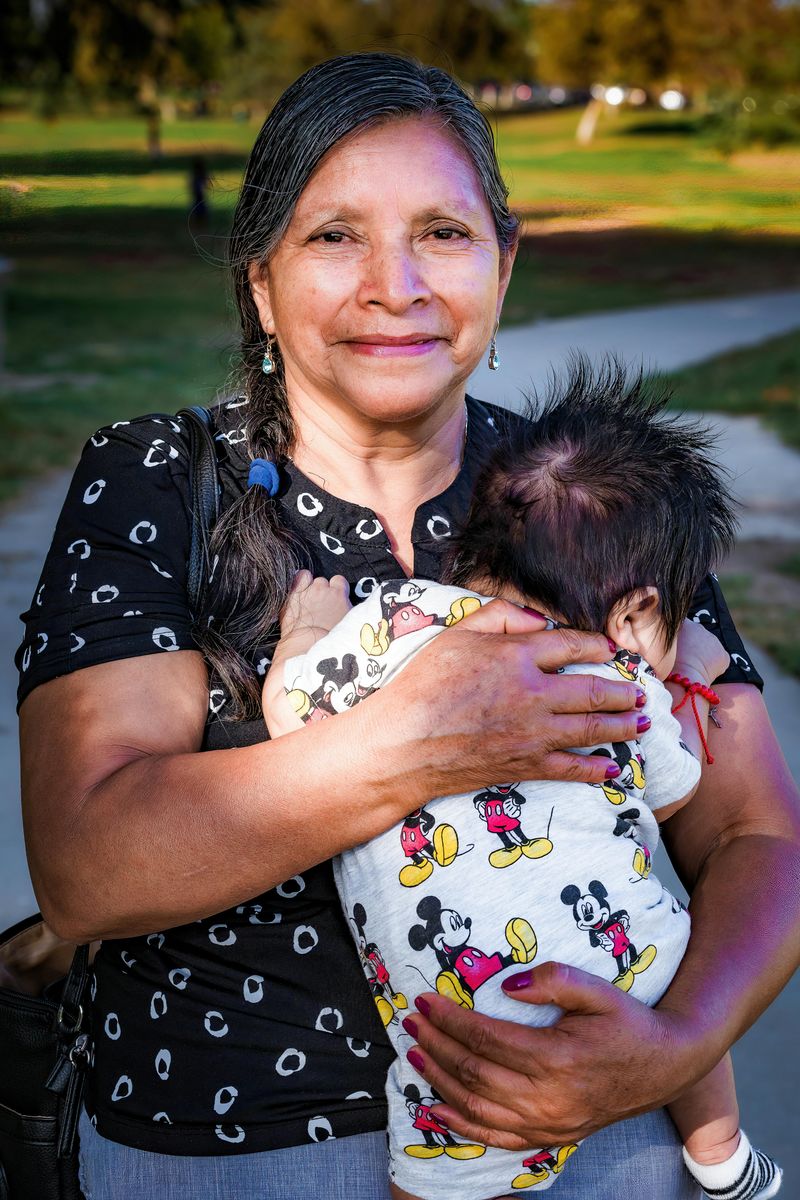
Evolutionary psychology offers a fascinating explanation for grandparent behavior.
Researchers have long studied what is called the grandmother hypothesis, which suggests that humans evolved to live well beyond reproductive years specifically to support the survival and thriving of grandchildren.
That biological drive doesn’t just disappear in modern life.
It shows up as a deep, almost instinctive pull toward nurturing, protecting, and guiding the youngest members of the family.
Grandparents often describe feeling a love for grandchildren that surprises even them with its intensity.
This wiring encourages patience, generosity, and tenderness in ways that feel almost effortless.
It is nature’s way of ensuring that wisdom and warmth are passed down across generations.
Comments
Loading…