
 Isabel Parker
10 Ways to Train Your Mind to Handle Pressure

Pressure shows up everywhere in life, from big tests at school to tough moments in sports or performing on stage. Your brain is like a muscle that can get stronger with the right training, helping you stay calm and focused when things get intense.
Learning to handle pressure isn’t about being perfect or never feeling nervous. Instead, it’s about building skills that help you think clearly and perform your best, even when your heart is racing and the stakes feel high.
1. Practice Deep Breathing Techniques
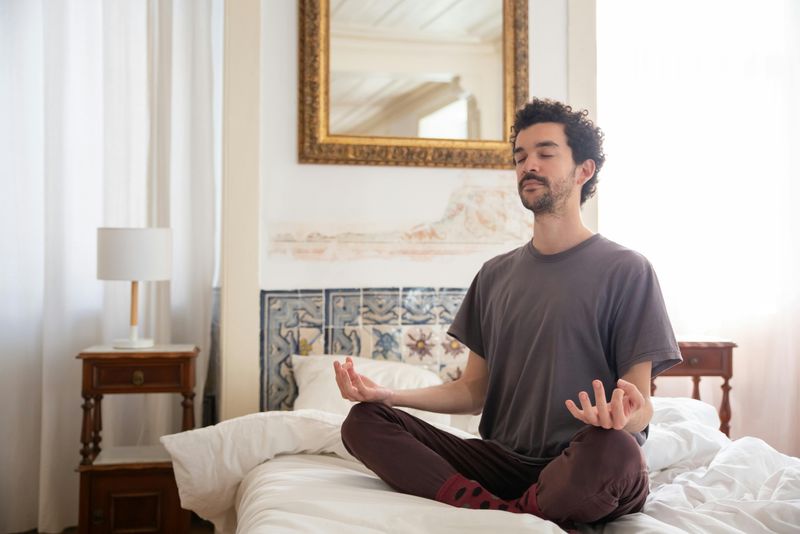
Your breath holds incredible power over how your body responds to stress.
When pressure builds, your breathing naturally speeds up, which signals your brain that danger is near.
Taking slow, deep breaths from your belly instead of your chest sends the opposite message, telling your mind that everything is actually okay.
Try breathing in for four counts, holding for four, then releasing for four counts.
This simple pattern calms your nervous system almost instantly.
Professional athletes and performers use this trick before big moments because it works so reliably.
Making breathing exercises a daily habit strengthens your ability to stay calm under pressure.
Even just two minutes each morning can make a real difference in how you handle stressful situations throughout your day.
2. Build a Positive Self-Talk Routine

The voice inside your head matters more than you might think.
What you say to yourself during challenging moments shapes how you perform and feel.
Negative thoughts like “I can’t do this” or “I’m going to fail” create extra pressure that makes everything harder.
Switching to encouraging phrases changes the game completely.
Replace doubt with statements like “I’ve prepared for this” or “I can handle whatever comes.” This isn’t about lying to yourself but rather choosing helpful thoughts over harmful ones.
Start noticing your inner dialogue throughout the day.
Whenever you catch yourself being harsh or critical, pause and reframe those words into something more supportive and realistic.
3. Visualize Success Before Big Moments

Olympic champions have a secret weapon that doesn’t involve physical training at all.
They spend time imagining themselves succeeding, playing out perfect performances in their minds before the actual event happens.
Your brain processes these mental rehearsals similarly to real experiences, creating neural pathways that help when the moment arrives.
Close your eyes and picture yourself handling pressure beautifully.
See yourself staying calm, making good decisions, and achieving your goal.
Include specific details like what you’re wearing, who’s around you, and how confident you feel.
This mental practice works for any pressure situation, whether it’s a presentation, audition, or important conversation.
The more vividly you imagine success, the more prepared your mind becomes.
4. Break Big Challenges Into Smaller Steps
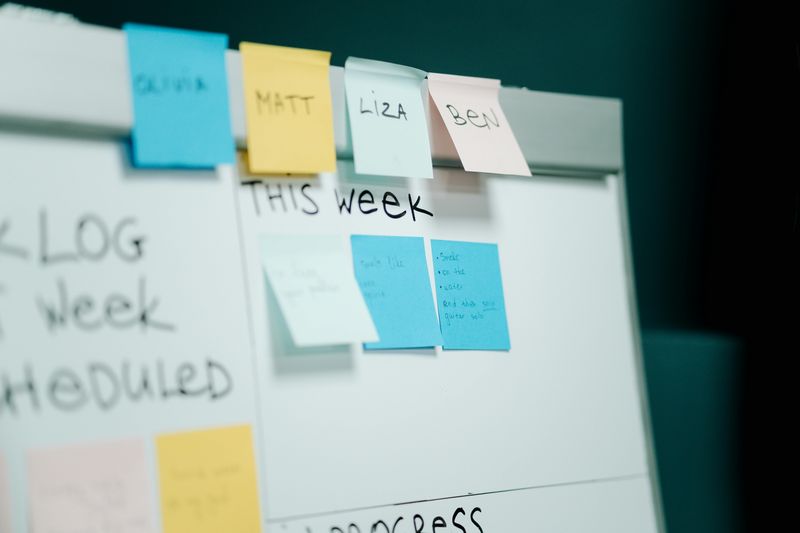
Huge tasks create overwhelming pressure because your brain struggles to process them all at once.
Looking at a massive project or goal feels like staring up at a mountain you need to climb.
That feeling of being overwhelmed often leads to freezing up or avoiding the challenge altogether.
Chopping big challenges into bite-sized pieces makes them manageable.
Instead of “finish the entire science project,” think “research three sources today” or “complete the introduction section.” Each small step feels achievable and gives you a sense of progress.
Completing these mini-goals releases feel-good chemicals in your brain that boost confidence.
Before you know it, you’ve climbed that mountain one small step at a time without feeling crushed by pressure.
5. Create a Pre-Performance Routine

Professional performers follow the same rituals before every show, game, or competition.
These routines aren’t superstitions but rather smart psychological tools that trigger a focused mindset.
Your brain loves patterns and responds to familiar sequences by settling into a ready state.
Design your own pre-pressure routine that includes specific actions you always do.
Maybe you listen to a certain song, do jumping jacks, review your notes, or repeat a personal motto.
The exact activities matter less than doing them consistently.
Over time, starting your routine automatically shifts your brain into performance mode.
The familiar pattern reduces anxiety because your mind recognizes it’s time to focus rather than panic.
6. Learn From Past Pressure Situations

Every pressure situation you’ve already survived holds valuable lessons for future challenges.
Looking back at moments when you felt stressed helps you identify what worked, what didn’t, and what you’d do differently next time.
This reflection turns experience into wisdom.
After any high-pressure event, spend a few minutes thinking about how you handled it.
What strategies helped you stay calm?
Which thoughts made things harder?
What would you keep or change for next time?
Writing these reflections in a journal creates a personal guidebook for handling pressure.
You’ll start noticing patterns and building a collection of techniques that work specifically for you, making each new challenge a little easier than the last.
7. Strengthen Your Body Through Regular Exercise
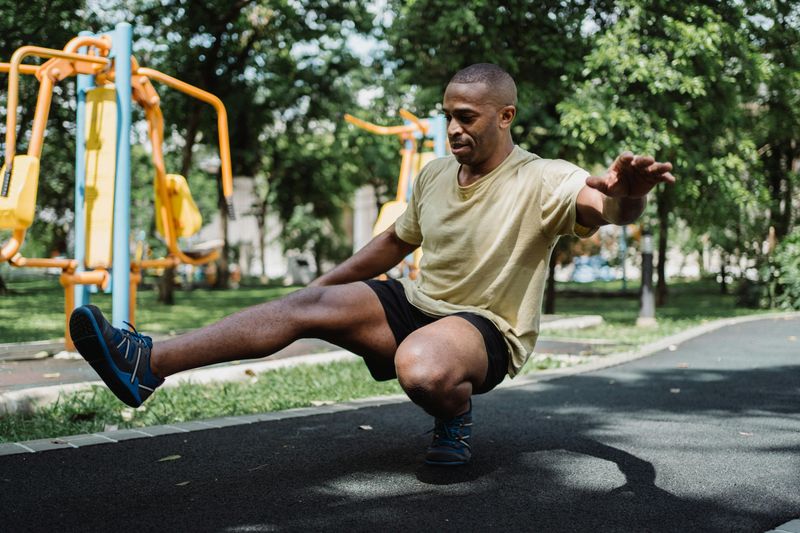
Physical activity does something magical for your ability to handle mental pressure.
Exercise releases natural chemicals in your brain that improve mood and reduce anxiety.
Regular movement also teaches your body to recover from stress more quickly, which directly helps during pressure situations.
You don’t need intense workouts to get these benefits.
Even a 20-minute walk, bike ride, or dance session makes a difference.
The key is moving your body consistently rather than occasionally pushing yourself to exhaustion.
Sports and physical activities also provide safe opportunities to practice handling pressure in real situations.
Missing a shot or losing a game teaches resilience that transfers to other challenging moments in life.
8. Develop a Growth Mindset About Mistakes

Fear of messing up creates enormous pressure that makes mistakes more likely to happen.
When you see errors as disasters instead of learning opportunities, your brain goes into panic mode during challenging situations.
This fear-based thinking actually interferes with your ability to perform well.
Shifting to a growth mindset changes everything about how pressure feels.
Start viewing mistakes as helpful feedback that shows you what to improve.
Every successful person has failed countless times, they just kept learning and trying again.
Next time you make a mistake under pressure, ask yourself “What can I learn from this?” instead of “Why am I so bad at this?” That simple question redirects your brain toward improvement rather than shame.
9. Build a Support Network You Can Trust

Nobody handles pressure alone successfully for very long.
Having people you trust to talk with about stress makes challenging situations feel less overwhelming.
Your support network might include friends, family members, teachers, coaches, or mentors who understand what you’re going through.
Sharing your worries with someone who cares reduces their power over you.
Often, just saying your fears out loud makes them seem smaller and more manageable.
Plus, others can offer perspectives and advice you might not have considered.
Be intentional about building these relationships before you need them.
Check in with friends regularly, offer support when they’re stressed, and create connections based on mutual care and trust.
10. Practice Mindfulness to Stay Present

Pressure often comes from worrying about the future or replaying past mistakes in your head.
Your mind jumps forward to “what if I fail?” or backward to “I messed up before,” which steals your focus from the present moment.
Mindfulness training helps you stay anchored in right now.
Being mindful means paying attention to what’s happening currently without judgment.
Notice your breathing, the sounds around you, or how your body feels.
When your mind wanders to worries, gently bring it back to the present.
Regular mindfulness practice rewires your brain to stay calmer during pressure.
Even five minutes daily of simply sitting quietly and noticing your thoughts makes you better at managing stress when it matters most.
Comments
Loading…