
 Harper Hall
10 Bands That Fired a Member and Immediately Got Bigger
Music history loves a clean comeback story, but the messier truth is that some bands only reached their biggest era after a member got fired.
Sometimes it was a personality clash that made working together impossible, sometimes it was a business decision disguised as “creative differences,” and sometimes it was a painful reset that forced everyone left standing to level up.
Whatever the reason, the results can be hard to argue with: tighter lineups, clearer identities, and a sudden run of albums and tours that turned “promising” into “legendary.”
Below are ten bands that made a controversial cut and then, almost immediately, leveled up in fame, sales, and cultural impact, proving that the most uncomfortable decisions can change everything.
1. Pink Floyd (Syd Barrett)
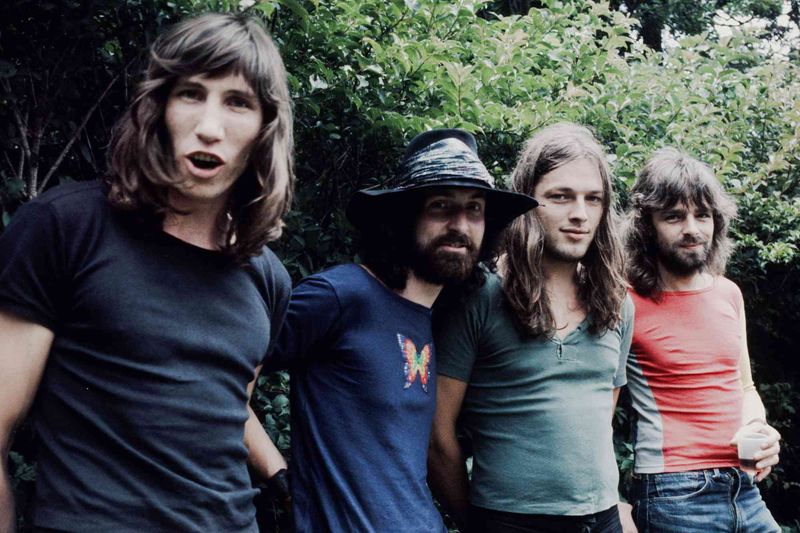
Few stories feel as bittersweet as the moment a brilliant founder becomes too unstable to keep in the band.
Syd Barrett’s vision helped launch Pink Floyd’s early psychedelic identity, but his deteriorating mental health and unpredictable behavior made touring and recording increasingly impossible.
The remaining members didn’t just replace a guitarist; they gradually reshaped the entire project into something more expansive, cinematic, and emotionally heavy.
As David Gilmour came in and the group learned to build songs around mood, concept, and atmosphere, the audience grew from cult fans into a global phenomenon.
That pivot set the stage for stadium-level success and landmark albums that defined an era.
The tragedy of the split is real, yet the post-Barrett lineup became the version history remembers most.
2. Metallica (Dave Mustaine)
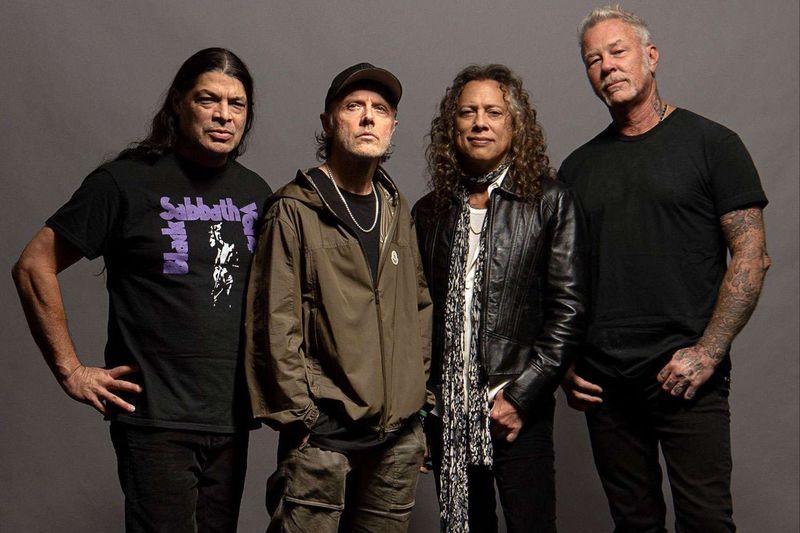
Behind many “instant upgrade” moments is a hard truth: talent isn’t enough if the chemistry is combustible.
Dave Mustaine was an early creative force in Metallica, but his behavior and clashes with the band pushed things past the breaking point, leading to his firing before the group recorded its debut.
The move didn’t just remove conflict; it opened the door for a steadier lineup and a clearer sense of direction, especially once Kirk Hammett stepped in.
Metallica’s sound sharpened, the live show became more consistent, and the band built momentum that turned underground thrash into a mainstream force.
Mustaine went on to huge success with Megadeth, but Metallica’s post-firing trajectory became the definition of “bigger” on every metric.
3. Journey (Gregg Rolie)
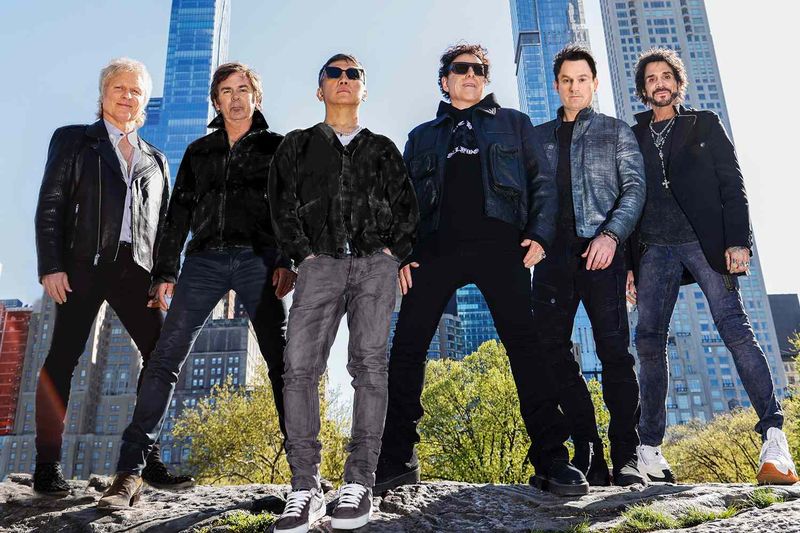
A lot of bands don’t truly become themselves until the spotlight finds the right voice.
Journey began with Gregg Rolie sharing lead vocals while the group leaned more progressive and jam-oriented, but internal shifts led to him being pushed out of the frontman role and eventually dismissed.
Once Steve Perry took center stage, the band’s identity snapped into focus, and the songs became more direct, emotional, and radio-ready without losing musicianship.
That change helped Journey transform from a respected rock act into a hit machine built for arenas and sing-alongs.
The timing mattered, too, because the late ’70s and early ’80s rewarded melodic hooks and big choruses, and the post-Rolie era delivered both with confidence.
It’s one of the clearest examples of a lineup decision unlocking mass appeal.
4. The Police (Henry Padovani)
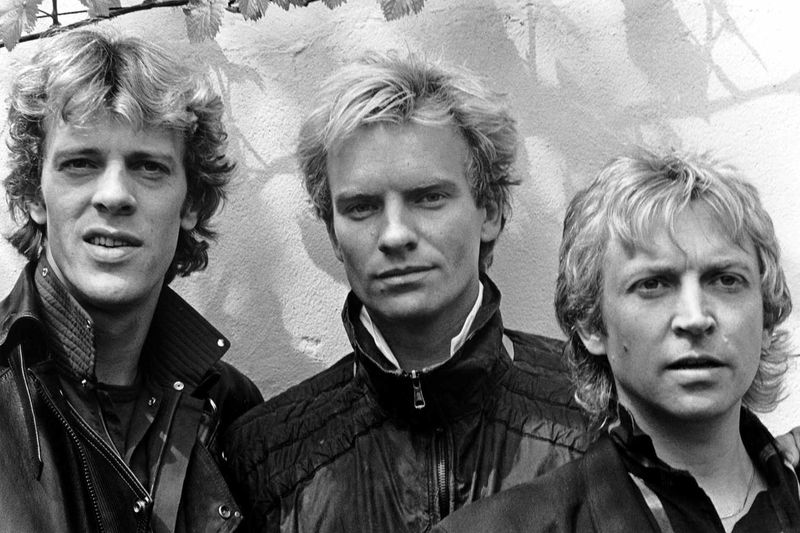
Early versions of famous bands often sound like a rough draft, and The Police were no exception.
Before the classic trio fully clicked, guitarist Henry Padovani was part of the lineup, but his playing and the band’s evolving direction didn’t match the precision they wanted.
After he was fired, Andy Summers joined, and the chemistry tightened into the sharp, minimal style that became their signature.
With Summers’ chord voicings and textural playing, the band suddenly had more sonic space, which made Sting’s melodies and Stewart Copeland’s rhythms feel even more distinctive.
The result wasn’t just a better live sound; it was a clearer brand that radio and MTV could understand quickly.
From that point, the band’s rise was fast, and the “three minds, one sound” identity became the selling point.
5. Genesis (John Silver)
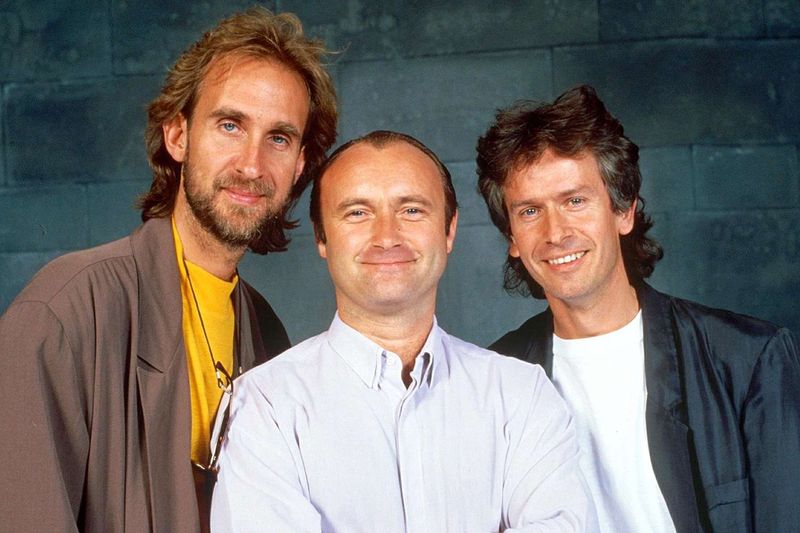
Sometimes a band gets bigger after a firing because it signals a larger shakeup that pushes everyone toward a more stable lineup.
Genesis fired early drummer John Silver in their formative years, long before the band became a household name, but those early personnel changes were part of the group’s trial-and-error phase.
As Genesis refined who they were, they gradually built the tight, distinctive unit that could handle complex arrangements and ambitious songwriting, first as progressive rock innovators and later as pop-chart giants.
The firing itself wasn’t the headline moment fans talk about today, yet it was one of the stepping stones toward the version of Genesis that could survive constant evolution.
When a band is still figuring out its sound, a tough decision can accelerate that process, and Genesis’ long arc suggests those early cuts helped them become more focused.
6. New Order (Peter Hook)
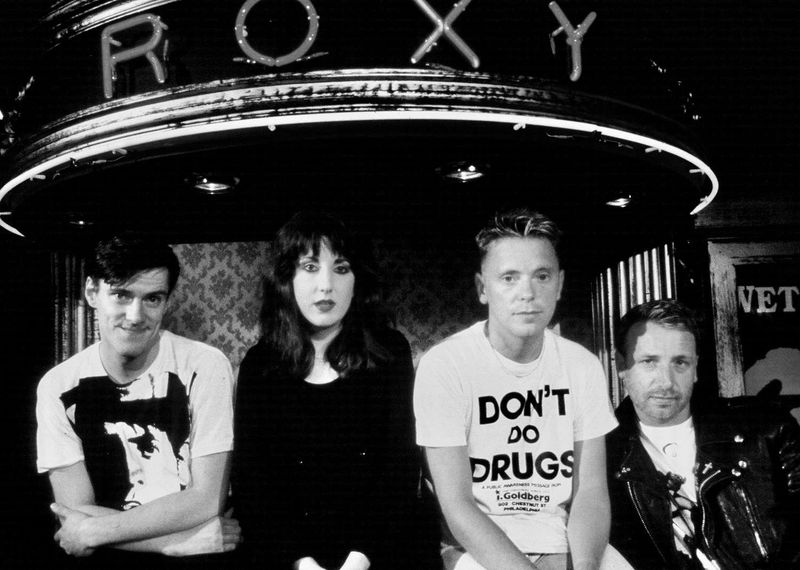
Band breakups rarely feel like a clean “win,” but some departures still lead to a noticeable surge in visibility and activity.
After years of tension, New Order’s relationship with bassist Peter Hook collapsed, and the band continued without him, effectively firing a founding member from the story moving forward.
What followed was a controversial reset that didn’t erase the past, but it did allow the remaining members to move faster, tour under the name, and present a unified version of the catalog to a new generation of fans.
With modern festival circuits and nostalgia-driven demand, the post-Hook era brought renewed attention, heavier touring, and a refreshed public narrative.
Whether you view it as growth or simply momentum, the band’s continued prominence after the split shows how a painful lineup change can still keep a legacy expanding.
7. Red Hot Chili Peppers (Jack Sherman)
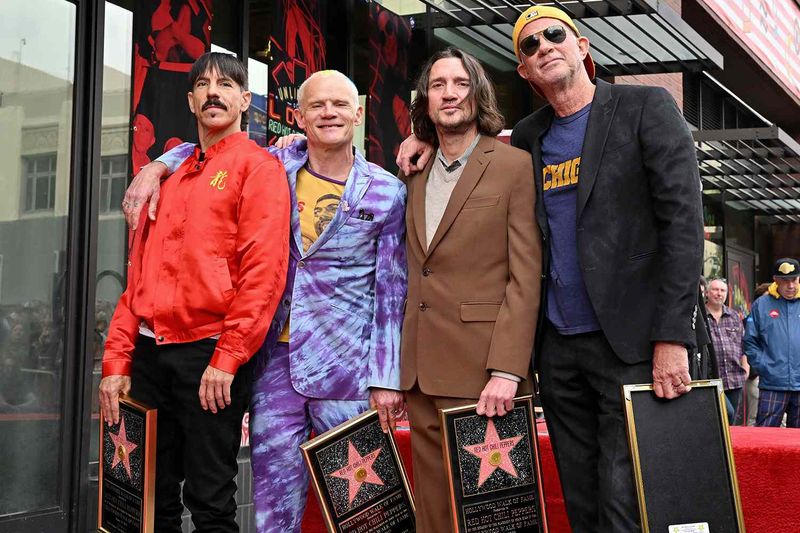
A band’s biggest era often arrives after it stops trying to be everything at once.
Red Hot Chili Peppers fired guitarist Jack Sherman in the mid-’80s, and while the group still had a long road ahead, the decision helped them continue reshaping their sound around funk, punk energy, and more adventurous songwriting.
The band’s history is full of lineup turbulence, but the Sherman firing stands out as an early moment where they chose identity over convenience.
As they cycled through guitarists and eventually returned to key partnerships, their audience expanded dramatically, culminating in mainstream domination in the early ’90s and beyond.
In hindsight, it’s less about one person being “wrong” and more about the band refusing to settle for a version of itself that didn’t feel definitive.
That insistence on the right chemistry became part of their success story.
8. The Chicks (formerly Dixie Chicks) (Laura Lynch)

Before the world knew them as a stadium-level country powerhouse, the group was a regional act still searching for the lineup that could carry them to the next tier.
Laura Lynch, a founding member, was fired, and the band soon brought in Natalie Maines, whose voice and stage presence helped transform their entire trajectory.
With Maines fronting the group, the music shifted from niche bluegrass-country roots toward a more commercially powerful blend of traditional musicianship and pop-ready hooks.
That change arrived at the perfect time for ’90s country radio, and the band’s popularity surged, leading to massive album sales and crossover recognition.
The firing remains a complicated footnote, especially because Lynch helped build the foundation, but the next era delivered the scale of success that made the band a cultural force.
It’s a classic example of one personnel move unlocking a much larger audience.
9. Faith No More (Chuck Mosley)
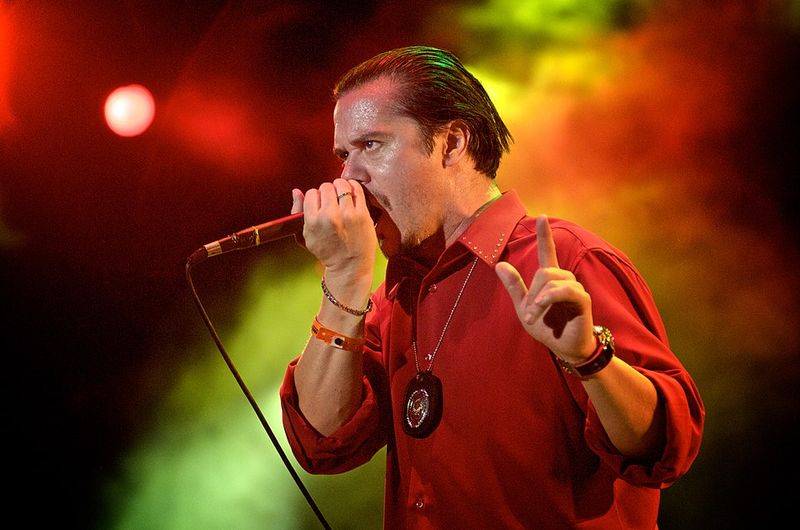
When a band is stuck between identities, a frontman change can feel like flipping a switch.
Faith No More fired singer Chuck Mosley after internal conflict and uneven performances, then recruited Mike Patton, a move that instantly expanded what the band could do.
Patton’s range, charisma, and willingness to experiment helped the group sharpen its edge while becoming more unpredictable in the best way, blending metal, funk, and alternative rock into something that felt both heavy and weirdly accessible.
That lineup shift quickly paid off, since the band broke through to mainstream attention and built a reputation for a live show that was equal parts precision and chaos.
The post-firing era didn’t just produce bigger hits; it created a clearer artistic brand that set them apart from their peers.
In a crowded scene, the new voice made them impossible to ignore.
10. The Beach Boys (David Marks)
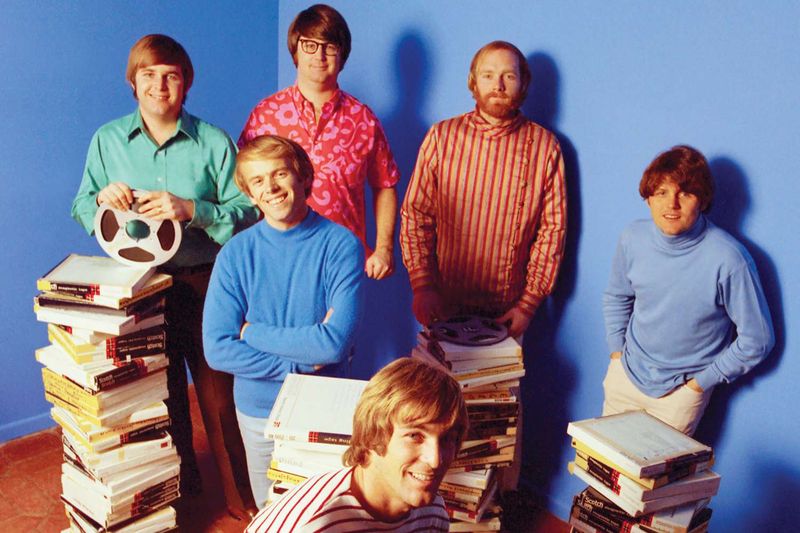
Few bands have an origin story as tightly tied to family dynamics, which makes lineup conflict feel almost inevitable.
David Marks joined The Beach Boys early and contributed as the group raced toward national fame, but he was eventually fired during the band’s rapid rise.
The decision didn’t slow the machine, because the group’s songwriting engine, studio ambition, and marketing momentum were already building fast.
As the band moved deeper into sophisticated production and broader themes, the public profile expanded beyond teen surf imagery into something more musically respected.
While it’s hard to call any one firing the reason for their growth, this change happened during an era when every decision affected touring, sound, and branding.
The band kept climbing, and the most famous phase of their legacy belongs to the lineup that followed.
In pop history, that timing is what makes the story resonate.
Comments
Loading…