
 Chloe Peterson
10 Music Videos That Were Scandalous at the Time
Some music videos don’t just entertain—they set off alarms.
Long before social media could turn a clip into a culture war in minutes, certain visuals still managed to ignite protests, bans, boycotts, and endless debate on radio, TV, and late-night talk shows.
What seems mild now often felt outrageous then because the rules were stricter, the gatekeepers were louder, and viewers had fewer ways to opt out.
A single broadcast slot on MTV or a prime-time news segment could turn a three-minute video into a national conversation about sex, religion, violence, or who pop stars were “allowed” to be.
The videos below weren’t simply provocative for provocation’s sake; they pushed into taboo territory and forced audiences to argue about taste, censorship, and what art is supposed to do.
1. Madonna — “Like a Prayer” (1989)
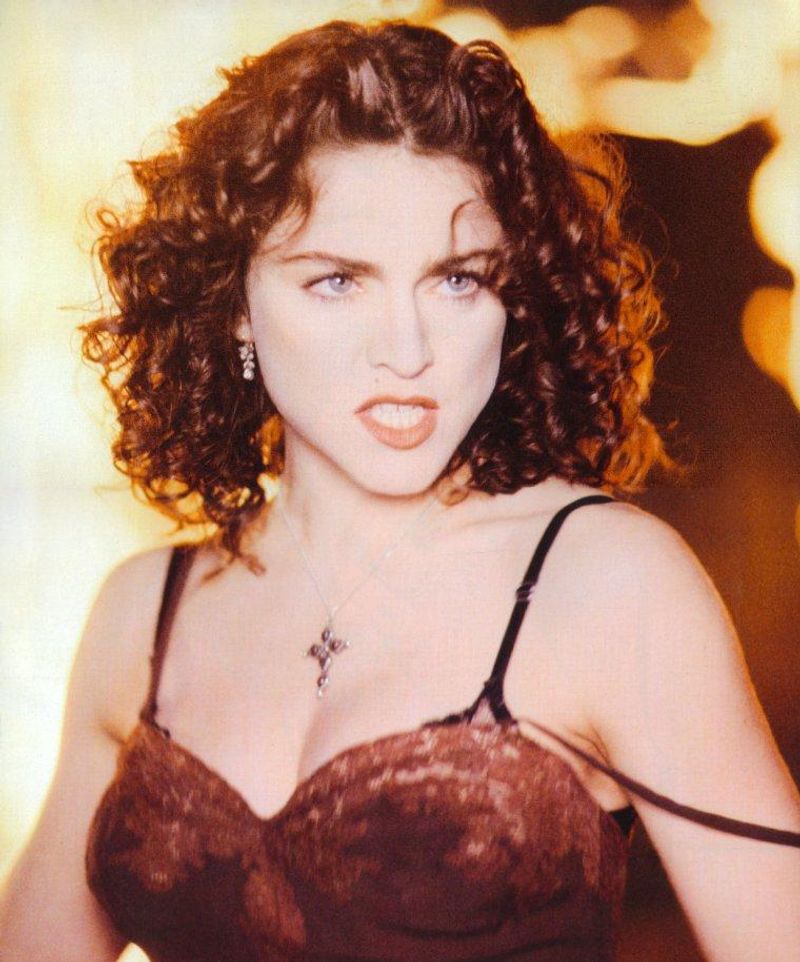
Back in the late ’80s, few mainstream artists dared to mix religious symbolism with sensuality in such a direct, cinematic way.
The video leans into charged imagery—stained-glass aesthetics, a saint-like figure, and scenes that suggested desire and devotion colliding in the same breath.
Viewers who saw it as bold storytelling praised its theatrical power, while critics insisted it crossed a line by turning sacred references into spectacle.
The controversy didn’t stay confined to music press, either, because the backlash reached major corporate partners and spilled into headlines that people who never watched MTV still heard about.
Even those who loved the song sometimes admitted the visuals felt confrontational for the era.
Whether you read it as protest, provocation, or pop opera, it became a defining example of how a video could spark national debate.
2. Madonna — “Justify My Love” (1990)
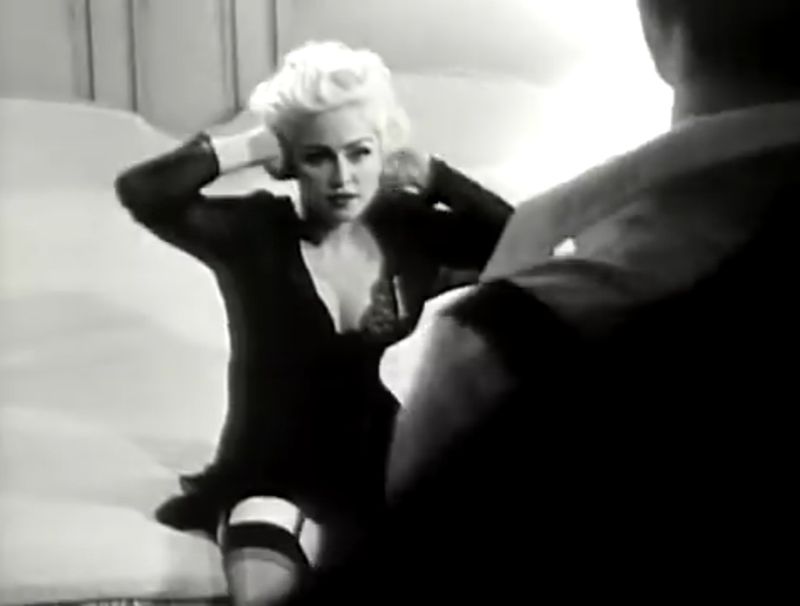
A year later, boundary-pushing didn’t slow down; it escalated into something that television executives weren’t ready to handle.
Shot in a moody, black-and-white style that felt like an art film, the video centered on overt sexuality and provocative nightlife imagery that made censors nervous from the first frame.
The reaction wasn’t subtle, because MTV refused to play it, instantly transforming the clip into a forbidden object that people wanted to see even more.
That refusal created a bigger story than any standard rotation ever could, and it helped fuel conversations about who gets to decide what’s “too explicit” for public consumption.
Fans argued it was adult, stylish, and honest about desire, while opponents framed it as proof that pop culture was spiraling.
Either way, the ban became part of the marketing, and it worked.
3. Britney Spears — “…Baby One More Time” (1998)
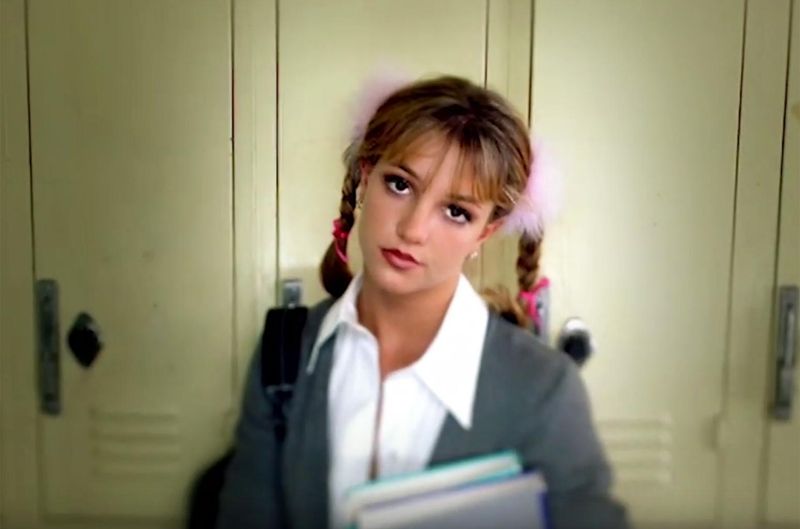
By the time teen pop resurged in the late ’90s, image mattered as much as melody, and that’s why this video hit like a spark in dry grass.
The school setting and uniform styling instantly made the visuals memorable, but it also triggered criticism that the concept leaned too hard into a sexualized fantasy.
Supporters saw it as harmless pop storytelling, with choreography and attitude designed for mass appeal, while detractors worried it blurred lines because the star was still presented as young and fresh-faced.
The debate grew louder precisely because the song was everywhere, which meant the video wasn’t just a niche MTV moment—it was a cultural reference point repeated endlessly.
In retrospect, it also set a template for how teen female stars would be packaged and policed.
The scandal wasn’t only about clothing; it was about control and expectation.
4. Christina Aguilera — “Dirrty” (2002)
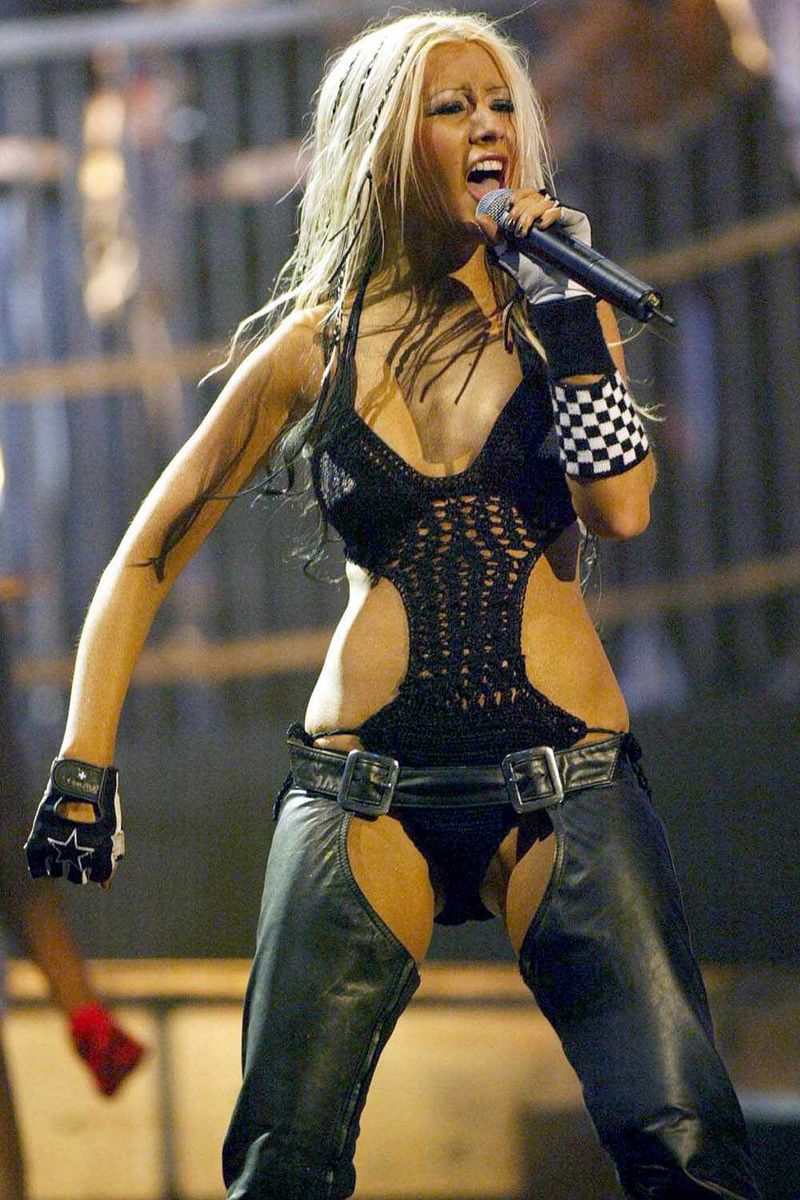
Early 2000s pop loved a makeover narrative, but few reinventions landed with such a loud thud of shock and fascination.
The video arrived with a grimy, club-like atmosphere and an aggressive sexual energy that felt designed to snap a former “good girl” image in half.
For fans, it read as liberation and self-definition, especially in a time when women in pop were routinely expected to stay sweet and polished.
For critics, the sweat-and-leather visuals looked like deliberate provocation that leaned into controversy as a publicity engine.
The fact that the clip was so physical—crowded, sweaty, and confrontational—made it harder to dismiss as merely playful.
It also sparked a familiar double standard, because male artists could be explicit without the same moral panic.
Love it or hate it, the moment announced that she wouldn’t be managed by nostalgia.
5. Rihanna — “S&M” (2011)
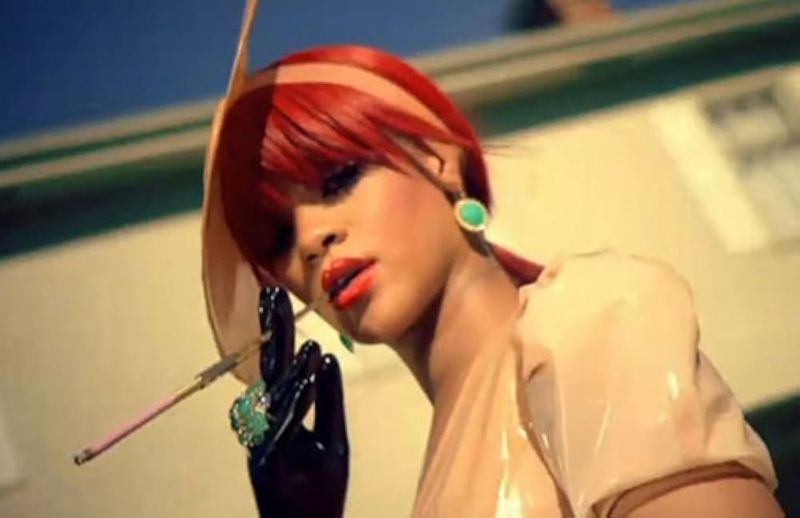
Few pop releases triggered as much immediate clutching of pearls as a glossy, candy-colored video that openly flirted with BDSM themes.
The contrast between playful visuals and explicit references made it feel both mischievous and confrontational, which is exactly why it drew such a strong response from censors and commentators.
Some audiences treated it as a satirical wink at public obsession with her image, while others insisted the content glamorized harmful behavior and shouldn’t be broadcast widely.
Controversy also followed because the imagery was vivid enough to be unforgettable, even in brief clips or censored versions, and conversations about what was “appropriate” quickly spilled across countries and platforms.
The larger tension was about women owning sexual power versus being judged for displaying it, a debate that never really goes away.
At the time, it felt like a line being crossed in real time, even for pop.
6. Nine Inch Nails — “Closer” (1994)
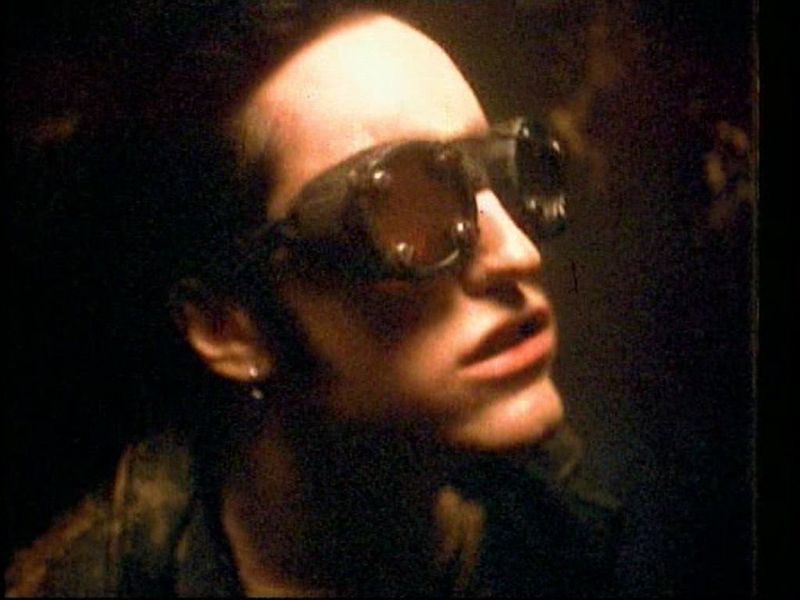
In the mid-’90s, mainstream audiences weren’t accustomed to industrial rock visuals that looked like a haunted museum exhibit, and that unease fueled the scandal.
The video’s disturbing, surreal imagery—filled with unsettling religious references, strange props, and a sense of forbidden experimentation—made it feel intentionally designed to provoke discomfort.
Fans viewed it as artful, symbolic, and perfectly matched to the music’s abrasive intensity, but critics saw it as obscene and grotesque, especially because the sexual undertones weren’t subtle.
Its reputation grew partly because many people heard about it before they ever saw it, thanks to restrictions and the whisper-network effect of “you won’t believe what’s in this.”
The result was a video that became legendary through partial glimpses and word-of-mouth outrage.
Even now, it’s remembered as a prime example of how shock and artistry can be tangled together in the same frame.
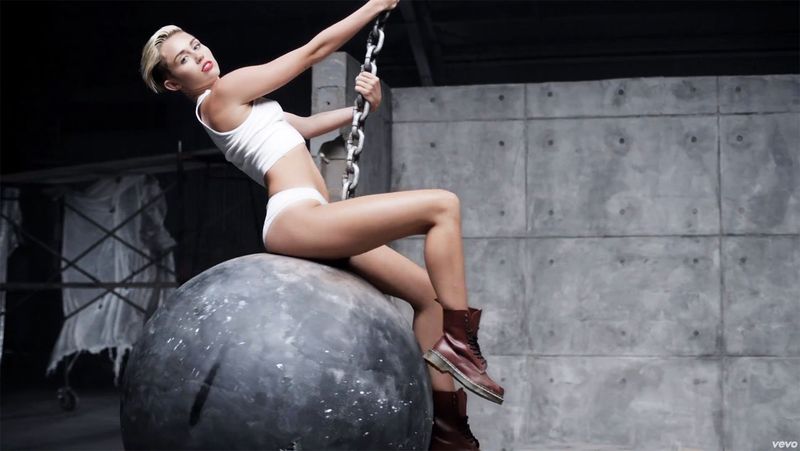
7. Miley Cyrus — “Wrecking Ball” (2013)
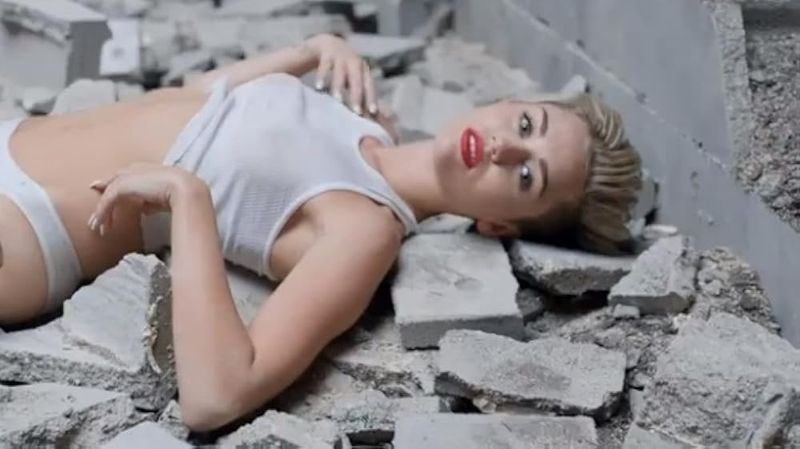
When a former child star chooses a provocative visual language, the outrage machine tends to activate instantly, and this video proved it.
The imagery is stark and emotional, but it’s also undeniably provocative, which led many viewers to argue about whether they were watching raw vulnerability or calculated shock.
The nudity, the intimate camera work, and the symbolism of destruction and exposure became lightning rods for commentary, especially from people who still saw her through a Disney-era lens.
Defenders pointed out that pop music has always used sexual imagery and that heartbreak often shows up as discomfort, while critics insisted the clip leaned too heavily on controversy to create attention.
What made it especially scandalous at the time was how quickly it spread and how intensely it was dissected, frame by frame, as proof of either empowerment or “bad influence.”
It became a turning point in her public identity.
8. Prodigy — “Smack My B**** Up” (1997)
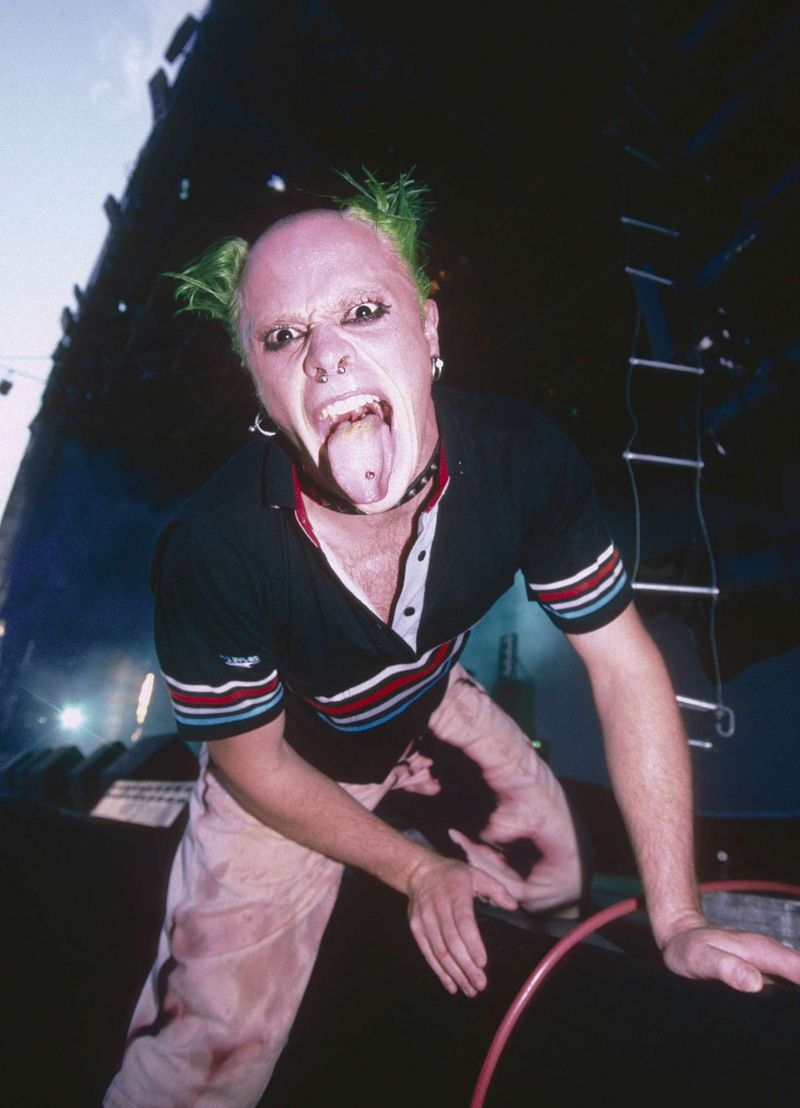
Late ’90s nightlife culture was already controversial, but this video took things further by placing viewers inside a chaotic, intoxicated point of view.
The combination of a confrontational title and visuals that suggested drugs, violence, and reckless behavior made it an instant magnet for bans and public condemnation.
Critics argued it promoted misogyny and destructive partying, while defenders claimed it functioned as a cautionary tale that exposed how ugly that world could look.
What intensified the scandal was the way the video played with perspective, withholding context until the end and forcing viewers to confront their assumptions about who is behind the camera.
That twist didn’t stop the backlash, though, because many people felt the journey itself was too aggressive to justify.
At the time, it became a shorthand example for “music videos have gone too far,” especially on TV where standards were still comparatively strict.
It wasn’t just edgy; it was provocative by design.
9. t.A.T.u. — “All the Things She Said” (2002)
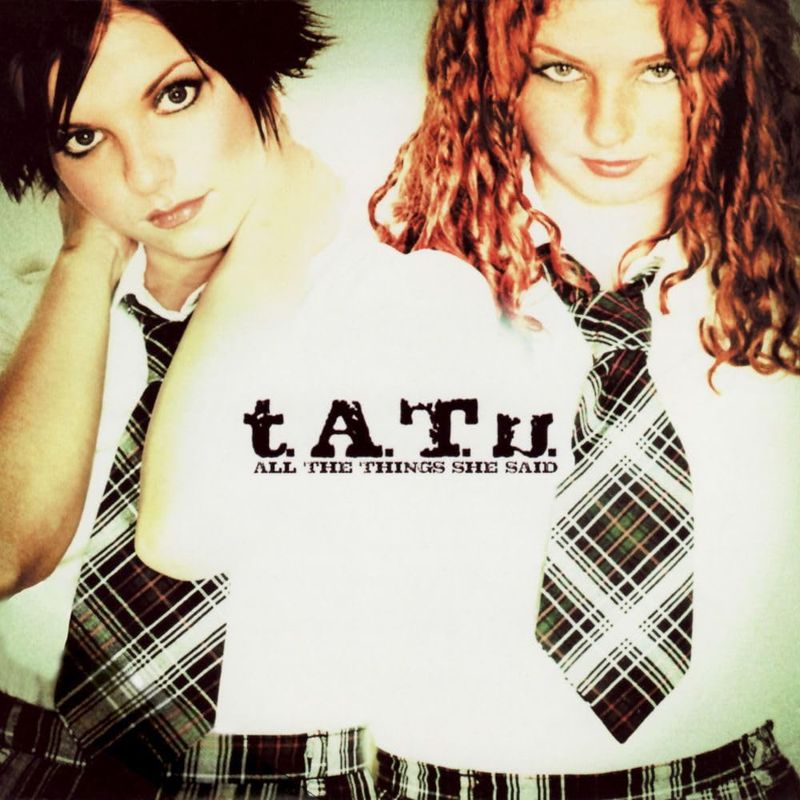
Early 2000s pop culture was still uneasy about LGBTQ+ visibility, so a mainstream video built around a same-sex kiss was almost guaranteed to draw heat.
The rain-soaked schoolgirl imagery and the “behind the fence” framing made the scene feel both dramatic and deliberately taboo, which sparked debates about whether it was representation or exploitation.
Supporters saw it as a bold challenge to conservative norms, especially in an era when queer storylines were often pushed to the margins.
Critics countered that the concept played into shock tactics and fetishization, particularly because the styling leaned into youthful, school-themed aesthetics.
The controversy spread quickly because the video was highly replayable and instantly recognizable, turning it into a reference point in conversations about morality, censorship, and media responsibility.
Regardless of intent, it forced mainstream audiences to confront a topic many broadcasters preferred to avoid.
At the time, that alone was enough to make it “scandalous.”
10. Cardi B feat. Megan Thee Stallion — “WAP” (2020)
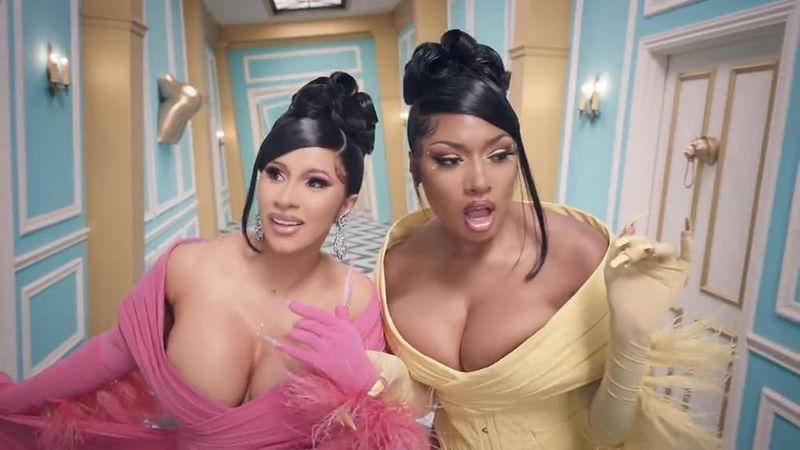
In a year full of online outrage, this video still managed to dominate the discourse, largely because it refused to soften its message.
The visuals are lavish, playful, and unapologetically explicit, and the song’s sexual directness made it an immediate flashpoint for arguments about decency, gender politics, and double standards in music.
Supporters framed it as women owning their desire with humor and confidence, pointing out that explicit content by male artists rarely draws the same level of moral panic.
Opponents treated it as proof that pop culture had become too vulgar, which only amplified its reach through constant commentary and reaction clips.
What made the scandal feel bigger than a typical “explicit video” debate was how quickly it spilled into broader cultural conversations, from parenting concerns to political punditry.
Even people who never watched the full video seemed to have an opinion about it, which is often the true mark of a scandalous pop moment.
Comments
Loading…