
 Jade Reed
12 Credit Card Mistakes Smart People Still Make

Most people assume credit card mistakes come from being careless, disorganized, or bad with money, but that is not always true.
Plenty of smart, capable adults make the same costly slipups simply because credit cards are designed to feel easy.
Rewards programs, autopay, promotional APR offers, and sleek apps can create the illusion that everything is “handled,” even when small habits are quietly working against you.
The frustrating part is that these mistakes do not usually show up as one dramatic failure.
They show up as slow leaks: extra interest, missed optimization opportunities, surprise fees, or credit-score dips that appear right when you want to finance a car or qualify for a better mortgage rate.
The good news is that each mistake has a practical fix.
Once you know what to watch for, you can keep the convenience, protect your credit, and stop paying for perks you are not truly getting.
1. Paying “on time” but not paying in full

Being punctual with payments feels like you are doing everything right, but paying the bill by the due date is not the same as avoiding the true cost of debt.
When you carry any balance, interest begins to compound, and even a modest revolving amount can turn into hundreds of dollars over a year.
Smart people fall into this because they are busy and financially stable enough to absorb the extra cost, so they do not feel the pain immediately.
The bigger issue is that interest charges erase progress toward other goals, like savings, travel, or paying off a student loan faster.
The fix is simple but powerful: treat the statement balance like a non-negotiable monthly expense.
If cash flow is tight, lower spending on the card for a month or two and set an automatic payment for the full statement balance rather than a smaller amount.
2. Carrying a balance on a rewards card

Rewards can feel like “free money,” especially when you are earning points on groceries, travel, and everyday purchases.
The problem is that rewards are only valuable if you avoid interest, and most rewards cards have higher APRs than basic cards.
Once you carry a balance, the interest charges often outweigh the value of any points or cash back you earn, sometimes in the very first month.
Smart people justify it by thinking the balance is temporary or by focusing on the excitement of racking up perks.
Over time, though, you can end up paying a premium for a benefit you never truly receive.
A more strategic approach is to separate the goals: use rewards cards only when you pay in full and switch to a lower-interest option or a 0% promo card if you need time to pay off a purchase.
Rewards should be a bonus, not a trap.
3. Only making the minimum payment

Minimum payments are designed to feel manageable, which is exactly why they are so dangerous.
Paying the minimum keeps your account in good standing, but it also stretches repayment out for years and makes interest the biggest winner in the arrangement.
Intelligent, high-functioning adults fall into this when life gets busy or when they are juggling multiple priorities, because the minimum feels like a responsible compromise.
The catch is that the minimum is often structured to cover mostly interest, especially early on, so the balance barely moves.
That slow progress can create a psychological loop where debt feels permanent and motivation drops.
A better strategy is to set a “real minimum” for yourself that is larger than the bank’s minimum, even if it is only $25 or $50 extra each month.
Another smart move is using a payoff target date and reverse-engineering the payment needed, so you are paying with intention rather than just surviving the billing cycle.
4. Missing the due date because autopay “should’ve” handled it

Autopay is one of the best tools for avoiding late fees, but it is not a guarantee that you are protected.
Payments can fail for surprisingly ordinary reasons, like a low checking balance, a closed bank account, a changed card number, or a system glitch that requires a reauthorization.
Smart people rely on autopay because it reduces mental load, and with so many financial tasks competing for attention, “set it and forget it” is appealing.
The problem is that a single missed payment can trigger fees, penalty APR, and even a credit-score hit if it goes long enough.
Instead of trusting autopay blindly, build a backup habit: set a calendar reminder a few days before the due date to confirm the payment is scheduled and the account balance looks correct.
You can also set autopay for the statement balance but keep alerts turned on, so the system works for you without becoming a blind spot.
5. Not knowing their statement closing date

Most people memorize their due date and ignore everything else, but the statement closing date can matter just as much.
That closing date is when the issuer snapshots your balance and reports it to the credit bureaus, which means your utilization can look high even if you pay in full later.
Smart people get tripped up because they assume that paying by the due date is all that counts, and they are not wrong from a fees perspective.
Credit scoring, however, often reacts to what is reported at closing, not what you intend to pay.
If you charge a big expense right before the statement closes, your score can temporarily dip, which is frustrating when you are applying for a loan or apartment.
The fix is knowing your closing date and planning around it.
If you expect a high-balance month, make an early payment before the statement closes, or split large purchases across two cycles.
Small timing adjustments can make your credit profile look steadier without changing your spending habits.
6. Letting utilization creep up (even if they pay in full)

Even financially responsible people can see their utilization rise simply because prices rise, travel happens, or a few big bills land in the same week.
Utilization is the percentage of your available credit you are using, and it can influence your credit score even if you never pay a cent of interest.
Smart people miss this because they equate “paying in full” with “perfect credit behavior,” and they are right in a long-term sense.
In the short term, however, a high reported balance can make your score wobble, which matters when timing is sensitive.
The good news is that utilization is one of the easiest factors to manage once you understand it.
If your balances spike, pay part of the bill early, especially before the statement closes.
You can also ask for a credit limit increase when your finances support it, because more available credit can lower utilization without changing spending.
The goal is not obsession, but stability.
7. Closing old cards without checking the fallout
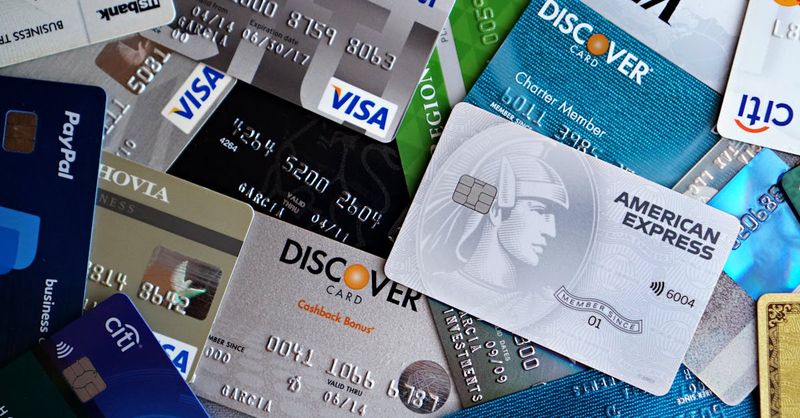
Cutting up an old card can feel like an adult, decluttering move, especially if you want to simplify your wallet.
The problem is that closing a card can reduce your total available credit, raise your utilization, and potentially hurt the age mix of your credit profile.
Smart people do this because they are focused on organization and assume fewer accounts automatically means better financial health.
Sometimes it does, but not always, and the tradeoff is easy to overlook.
Before closing anything, check whether the card has a fee, how old the account is, and how it affects your overall credit limit.
If the card has no annual fee, keeping it open and using it occasionally for a small purchase can preserve your credit history without creating real work.
If you want fewer cards, consider closing newer accounts first or consolidating rewards categories instead of automatically eliminating your oldest line.
A small pause before closing can save you a bigger headache later.
8. Applying for a new card right before a big loan

A shiny sign-up bonus can be tempting, especially when you know you will be spending on furniture, travel, or moving costs.
The issue is that new credit applications can trigger a hard inquiry and lower your score temporarily, and opening a new account can change your credit profile at the exact moment lenders are evaluating you.
Smart people make this mistake because they are trying to be efficient, stacking rewards on purchases they were already planning to make.
Unfortunately, lenders do not care that your intention was strategic, because they only see risk signals and recent changes.
If you are within a few months of applying for a mortgage, auto loan, or major refinancing, it is usually wiser to pause new applications and keep your credit behavior boring.
You can still earn rewards by using existing cards and paying down balances aggressively.
Once the loan is finalized, then revisit your points strategy without risking your best rates.
9. Ignoring 0% APR promo deadlines

A 0% APR offer can be a fantastic tool, but it only works if you treat it like a contract with a ticking clock.
Smart people take advantage of these promos to finance a purchase or consolidate debt, then get distracted and assume they will “handle it later.”
The danger is that when the promo period ends, any remaining balance can start accruing interest at a high rate, and that rate can make a manageable balance feel overwhelming quickly.
Some offers also have tricky terms, like deferred interest, where interest is charged retroactively if you do not pay the full balance by the deadline.
The fix is building a payoff plan on day one.
Divide the balance by the number of promo months and set that as your automatic payment, so you are not relying on willpower.
Also mark the end date in your calendar and review the terms, because “0%” is only free when you follow the rules precisely.
10. Not reading the fine print on rewards categories

Rewards cards often promise generous earning, but the categories are not always as straightforward as they sound.
“Groceries” might exclude warehouse clubs, “travel” might exclude third-party booking sites, and many cards cap bonus earning after a certain amount each quarter.
Smart people get caught because they assume the marketing headline reflects the real-world rules, and they do not want to spend time decoding terms and conditions.
The result is disappointment when the points do not show up, or when the card earns at a lower rate than expected.
A simple fix is doing a quick rewards audit once a month.
Look at a few purchases and verify the category and points earned, especially for big-ticket transactions.
You can also keep a short note in your phone listing each card’s bonus categories and limits, which makes it easier to choose the right card at checkout.
Rewards are most profitable when you treat them like a system, not a surprise.
11. Paying foreign transaction fees unnecessarily

International fees can sneak up on people who are otherwise careful, especially because the charges often appear days after the purchase posts.
Smart travelers sometimes assume their card is “fine overseas” because it works abroad, but many issuers add a foreign transaction fee that can be around a few percent per purchase.
That adds up quickly on hotels, restaurants, and transportation, turning a fun trip into a more expensive one than it needed to be.
These fees can also apply to online purchases made through foreign merchants, even if you never leave home.
The easiest fix is to have at least one no-foreign-transaction-fee card for travel and international shopping, then make it your default for those purchases.
Before a trip, call your issuer or check your card benefits page to confirm the policy, and consider saving the no-fee card in your mobile wallet so you use it automatically.
A few minutes of prep can save you real money.
12. Keeping a card for “status” while paying annual fees they don’t recoup

Premium cards can feel sophisticated, especially when they come with lounge access, elite travel perks, and shiny branding.
The problem is that annual fees only make sense if you actually use the benefits enough to outweigh the cost.
Smart people fall into this because they like the idea of being the type of person who maximizes perks, and because the fee can feel small compared to their income.
Still, wasted money is wasted money, and paying for unused benefits is one of the most common “quiet” leaks in a budget.
The fix is running a simple annual review.
Add up the real value you used, like travel credits redeemed, insurance benefits you relied on, free checked bags, or lounge visits you would have paid for anyway.
If the value does not exceed the fee, downgrade to a no-fee version or switch to a card that matches your actual lifestyle.
Status is not worth ongoing costs that do not pay you back.
Comments
Loading…