
 Jade Reed
13 Classic TV Couples We Should Never Have Idolized as “Relationship Goals”

Pop culture has a way of making dysfunction look glamorous when it comes with a laugh track and perfect lighting.
We grew up watching iconic couples argue, break up, reconcile, and repeat, and we were told to call it romance.
The problem is that many of these relationships only work on TV, where consequences reset by the next episode.
In real life, the same habits can quietly drain your self-esteem, your peace, and your trust in what love should feel like.
This list isn’t about shaming anyone for what they enjoyed watching back then, because chemistry can be entertaining even when it’s unhealthy.
It’s about separating “great television” from “good partnership,” which is a distinction that can save you years of heartache.
If you’ve ever caught yourself thinking a messy relationship was passionate, these classic couples are a perfect reality check.
1. Ross & Rachel (Friends)
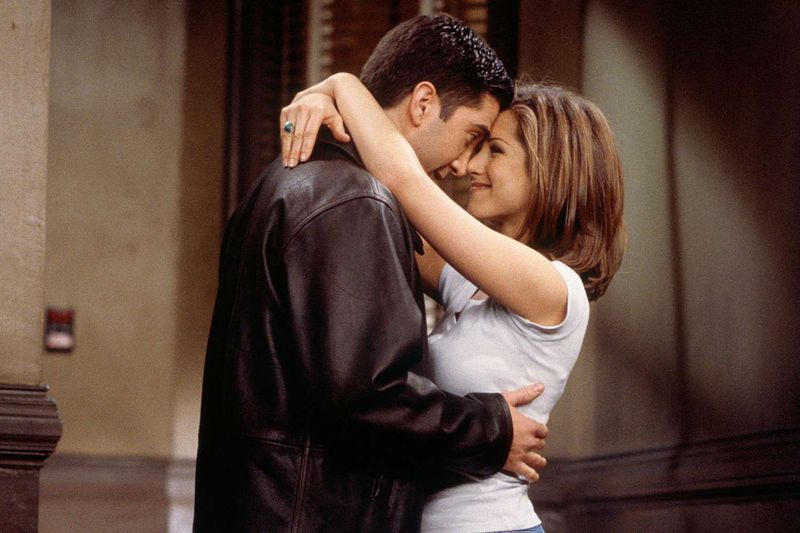
Few sitcom romances have been replayed and debated as much as this one, which is exactly why it’s so easy to confuse chaos with fate.
Their connection often depended on timing games, jealousy spikes, and misunderstandings that could’ve been solved with one calm conversation.
Instead of building trust, they repeatedly tested it, then acted surprised when insecurity showed up again.
Even when they cared deeply, they used big emotions like proof they were meant to be, rather than evidence they needed boundaries.
The constant on-again, off-again cycle turned love into a cliffhanger, not a foundation.
A healthy relationship doesn’t require breakups as a communication strategy, or dramatic ultimatums to feel exciting.
What makes it “classic TV” is the tension, but what makes it poor “relationship goals” is the pattern of instability becoming the main storyline.
2. Carrie & Mr. Big (Sex and the City)
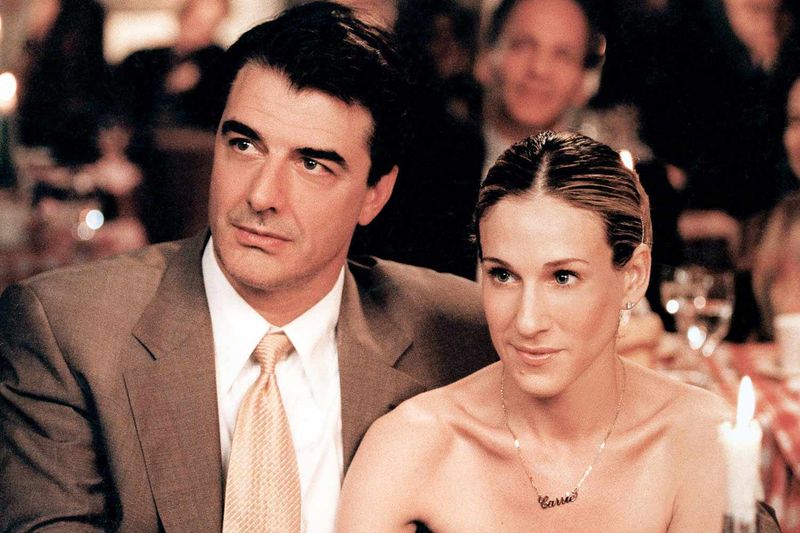
Watching two people orbit each other for years can feel romantic, until you realize one person is always left waiting for clarity.
He regularly offered just enough attention to keep hope alive, while avoiding the kind of commitment that creates emotional safety.
She responded by shrinking her standards, rewriting red flags as “complicated love,” and calling anxiety a sign of passion.
Instead of consistent partnership, the relationship often revolved around guessing games and ambiguous promises.
That kind of uncertainty doesn’t make love deeper, it just makes it harder to leave.
Real relationship goals don’t involve chasing someone into choosing you, especially when they’ve shown you who they are repeatedly.
If the relationship’s strongest feature is suspense, what you really have is entertainment, not stability.
3. Rory & Dean (Gilmore Girls)

At first, it felt like cardigan-level comfort. Then came possessiveness dressed as protectiveness, and guilt masked as concern.
The cheating mess was not a plot twist, it was a pattern revealed.
When boundaries blur, kind intentions cannot fix the fallout.
Rory’s ambition sparked insecurity, and Dean’s frustration curdled into control. Sweet beginnings cannot cancel harmful middle chapters.
Real first love grows with room to breathe.
If someone polices your time, friends, or dreams, that is not tender. Choose a romance that roots for you without keeping score.
4. Ted & Robin (How I Met Your Mother)

The story sold persistence as romance, even when the two people involved wanted completely different lives.
He kept imagining a future that required her to change, while she kept postponing the truth to avoid hurting him.
That mismatch didn’t magically become compatible just because the feelings were intense and the speeches were heartfelt.
When a relationship depends on one person sacrificing core goals, the love becomes a negotiation, not a partnership.
Their connection also showed how easy it is to confuse longing with alignment, especially when friends cheer the fantasy on.
Instead of accepting incompatibility as a valid reason to let go, the narrative framed letting go as failure.
In real life, relationship goals should mean choosing someone who wants the same direction, not trying to rewrite their destination.
5. Meredith & Derek (Grey’s Anatomy)

Intense chemistry can make viewers forgive a lot, especially when the relationship is framed as destiny.
Their dynamic included real affection, but it also included power imbalances, emotional punishment, and expectations that she should simply adapt to his moods.
The “great love” label often glossed over how often conflict turned into coldness, ultimatums, or silent resentment.
When one person decides when closeness is allowed and when distance is the punishment, stability becomes impossible.
A relationship shouldn’t feel like you’re auditioning for kindness on your partner’s better days.
Even the most romantic moments can’t compensate for patterns that make one person feel small or perpetually wrong.
True relationship goals look less like grand gestures and more like consistent respect, especially when the pressure is high.
6. Dawson & Joey (Dawson’s Creek)

Calling someone a soulmate can become a contract you never signed. Dawson framed destiny like a debt Joey owed him.
Feelings do not grant ownership, and history is not a hall pass.
The pedestal looked romantic while it trapped her choices. Friendship eroded under entitlement dressed as devotion.
That is not fate, that is pressure in a prom tux.
Healthy love invites autonomy, even when it hurts. If yes is expected before the question is asked, something’s off.
Let soulmates be earned in practice, not proclaimed in speeches.
7. Chuck & Blair (Gossip Girl)
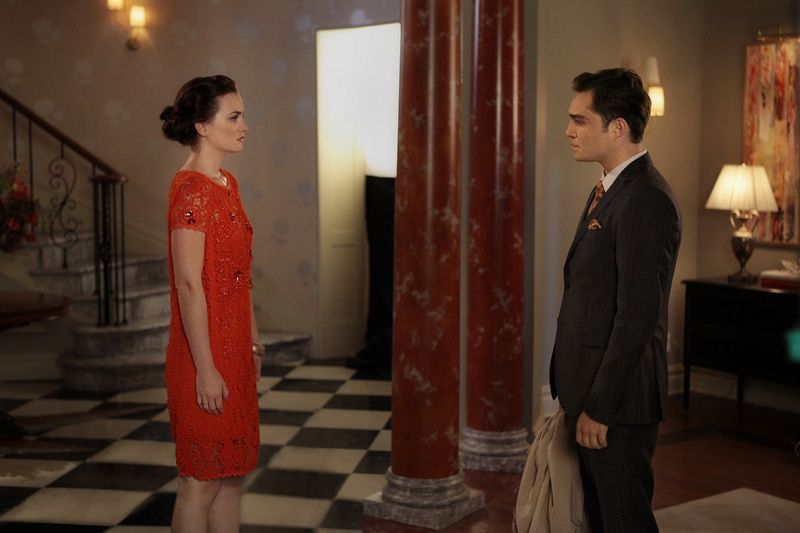
Stylish outfits and dramatic declarations can disguise behavior that would be terrifying outside a scripted world.
Their relationship thrived on manipulation, revenge, control, and a constant need to “win” the emotional upper hand.
Fans often described it as passion, but passion without safety turns into volatility that keeps you addicted to the highs.
When affection depends on fear of losing power, love becomes a strategy instead of a choice.
The biggest issue is that apologies rarely came with growth, so the cycle stayed intact.
You can’t build healthy intimacy while you’re always bracing for the next betrayal.
If the relationship requires you to accept harm as proof of devotion, it’s not goals, it’s a warning label with good lighting.
8. Sam & Diane (Cheers)
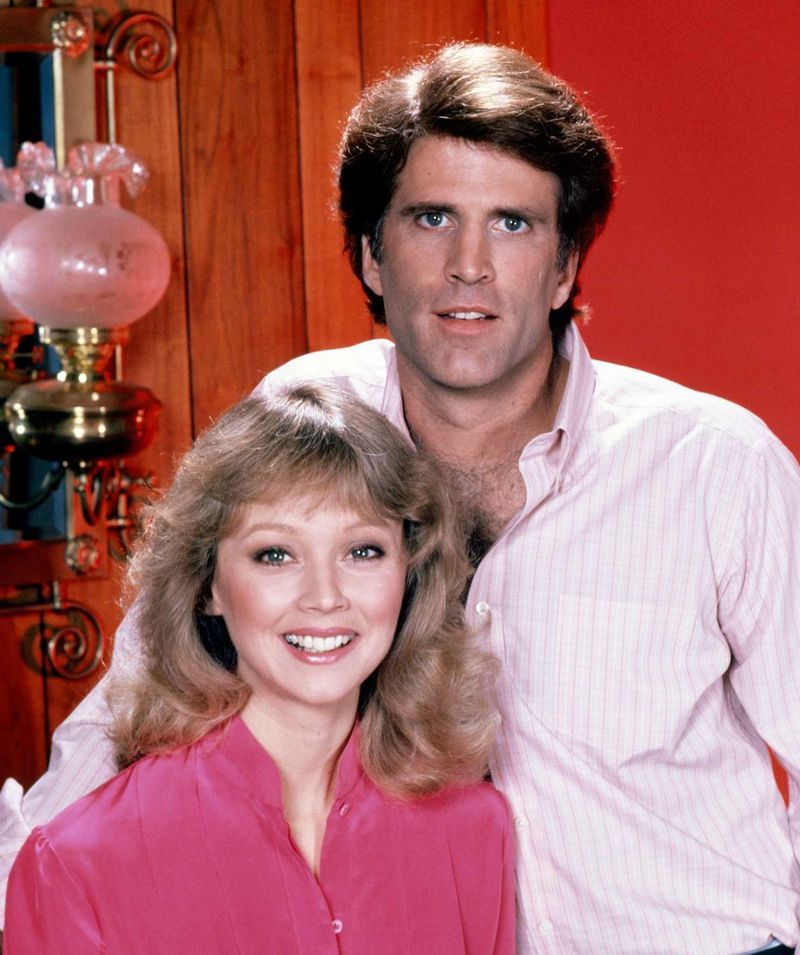
The witty banter and opposites-attract setup made their dynamic feel electric, but electricity isn’t the same thing as emotional security.
They repeatedly insulted each other, provoked fights, and treated reconciliation like a reward after mutual humiliation.
Instead of handling disagreements with respect, they used conflict as entertainment, which trained everyone to expect drama as normal.
A relationship can be funny without being cutting, and playful without being cruel.
When you’re always preparing for the next argument, you stop building trust and start building armor.
Their chemistry worked for TV because it kept the plot moving, but it wouldn’t feel charming if you were living inside it.
Relationship goals should make you feel calmer over time, not more reactive.
9. Dan & Roseanne (Roseanne)
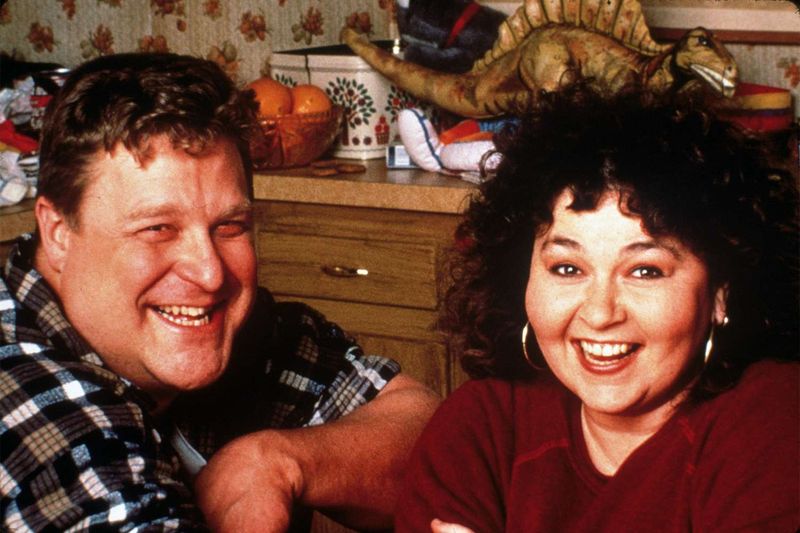
Relatable does not mean healthy. Stress became the scapegoat for sniping, and sarcasm covered hurt feelings.
Being real should include repair, not just realism.
Financial pressure and parenting strain are common, but disrespect cannot be normalized as culture.
Laugh tracks soothe what apologies should heal. The bar for kindness dropped quietly.
Love can be rough-edged and still be gentle.
If conflict earns more airtime than care, renegotiate the script. Survival is not the same as intimacy.
10. Archie & Edith (All in the Family)
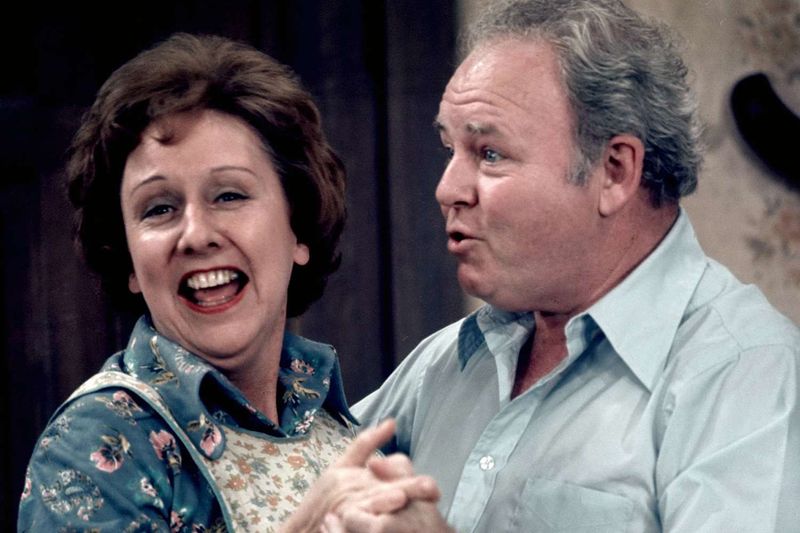
Played for laughs, the belittling still lands heavy. Jokes at one partner’s expense model a brittle love.
Affection cannot bloom under constant put-downs.
Edith’s patience felt saintly while Archie’s barbs became routine.
That dynamic trains audiences to excuse cruelty as personality. Humor should punch up, not bruise at home.
Respect is not optional in long-term love. If kindness has to be translated, it is not fluent enough.
Choose warmth that does not require a laugh track to seem okay.
11. Ray & Debra (Everybody Loves Raymond)
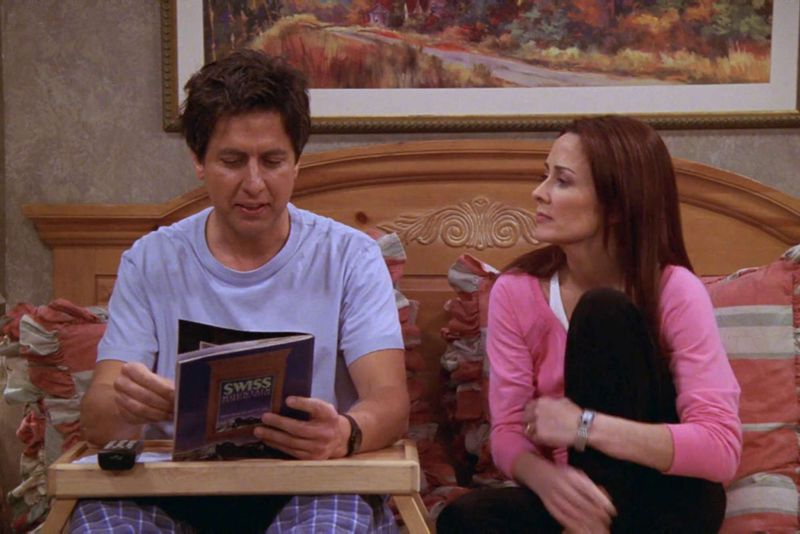
Sitcom marriage often turns into a formula where one partner acts helpless and the other becomes the exhausted manager of everything.
Their relationship leaned heavily on dishonesty, avoidance, and a dynamic where she carried the emotional labor while he played it off as cluelessness.
When incompetence becomes a running joke, it can quietly normalize imbalance and resentment.
A loving partnership doesn’t require one person to parent the other into basic responsibility.
The constant bickering also framed disrespect as normal, even though real couples don’t get a studio audience to smooth it over.
Laughs can hide a lot, but they don’t fix the underlying pattern.
Relationship goals should include mutual effort, not one person begging for maturity and calling it communication.
12. Doug & Carrie (The King of Queens)
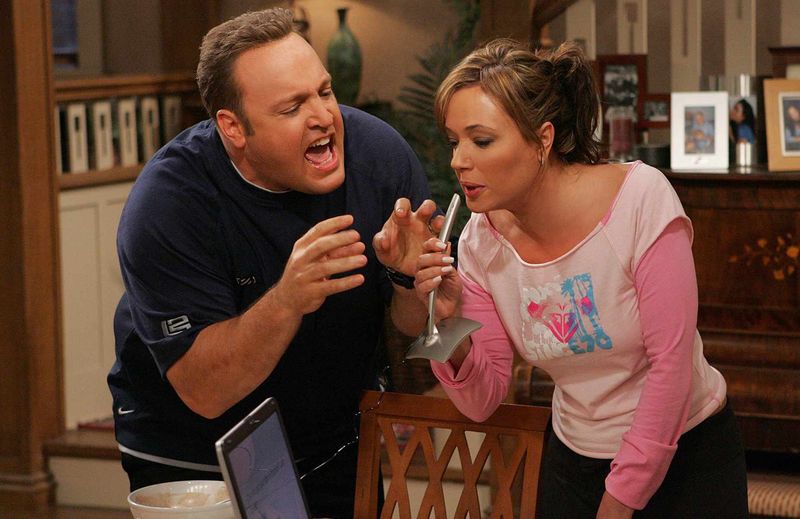
Two people can genuinely love each other and still create a relationship that looks more like survival than teamwork.
Their dynamic often relied on lying to avoid conflict, then exploding when the truth inevitably surfaced.
Instead of building trust, they treated honesty like an optional upgrade.
When partners keep score, the relationship becomes a competition over who sacrifices more, who wins more, and who gets the last word.
That atmosphere makes tenderness feel temporary, because you’re always waiting for the next petty revenge.
It’s hard to feel emotionally safe when the default setting is defensiveness.
Relationship goals should make life feel lighter, not like you need a strategy meeting before every conversation.
13. George & Louise (The Jeffersons)
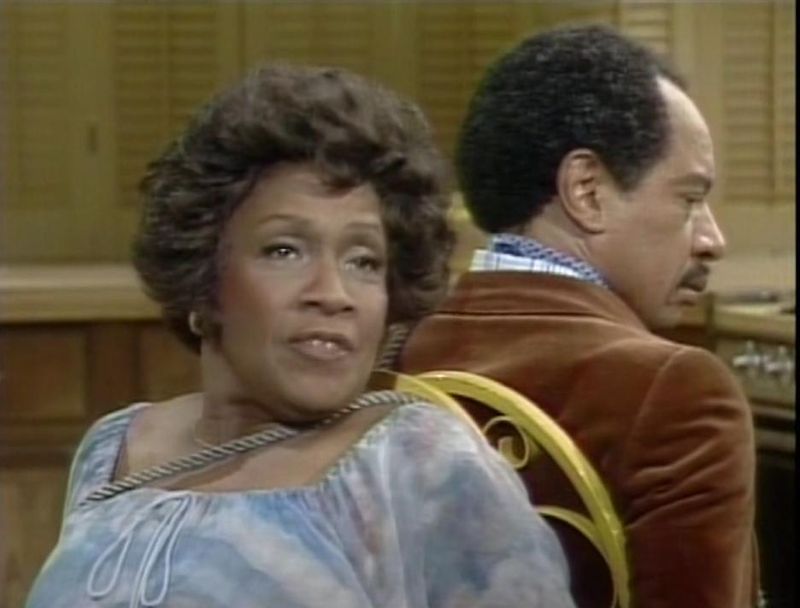
They moved on up, but sometimes their patterns moved nowhere.
Jealous antics and dominance games got framed as spice. That seasoning can scorch trust over time.
Louise often carried emotional labor while George performed bravado. Love that demands tolerance without reciprocity turns heavy.
Elevation in lifestyle does not equal elevation in care.
Healthy partnership celebrates wins without power contests. If affection requires one-upmanship, reset the scoreboard.
Support should feel steady, not like a competition with trophies.
Comments
Loading…