
 Chloe Peterson
15 Most Influential Greatest Hits Albums Ever Made

Greatest hits albums have shaped music history in ways most people never realize. These collections introduced new fans to legendary artists, preserved musical legacies, and sometimes even outsold the original albums.
From rock legends to hip-hop pioneers, the most influential compilations changed how we experience and remember music forever.
1. The Essential Lynyrd Skynyrd, Lynyrd Skynyrd (1998)
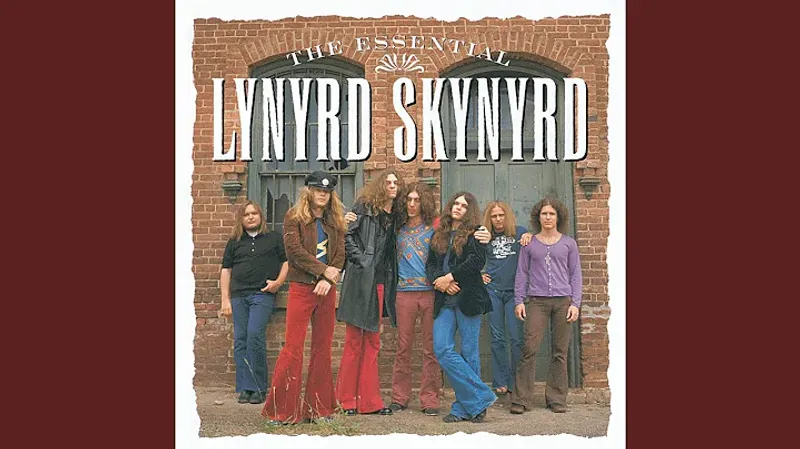
Southern rock found its perfect ambassador in this powerful collection.
Released two decades after the tragic plane crash that killed several band members, this compilation reminded the world why Lynyrd Skynyrd mattered.
Tracks like “Sweet Home Alabama” and “Free Bird” became anthems that defined an entire generation’s relationship with American rock music.
The album bridges multiple eras of the band’s history.
It includes both the classic lineup’s recordings and later material, giving listeners a complete picture of their evolution.
For many younger fans, this served as their introduction to one of rock’s most important voices.
2. The Best of 1980–1990, U2 (1998)

Few bands dominated a decade quite like U2 owned the eighties.
This retrospective captured the Irish rockers at their absolute peak, when they transformed from post-punk upstarts into stadium-filling superstars.
Songs like “With or Without You” and “I Still Haven’t Found What I’m Looking For” showcased Bono’s soaring vocals and The Edge’s signature guitar sound.
The collection proved that greatest hits albums could be artistic statements rather than just cash grabs.
Each track represented a moment when U2 pushed boundaries and redefined what rock music could achieve.
It remains essential listening for understanding modern rock.
3. Greatest Hits, Elton John (1974)

Elton John’s piano-driven pop reached its commercial zenith with this landmark release.
At just 27 years old, the British superstar already had enough hits to fill a compilation that would become one of the best-selling albums ever.
“Your Song,” “Rocket Man,” and “Crocodile Rock” demonstrated his remarkable range and songwriting genius alongside lyricist Bernie Taupin.
The album spent weeks atop charts worldwide.
It introduced casual listeners to songs that would soundtrack countless weddings, movies, and memories for generations to come.
This collection proved that pop music could be both commercially successful and artistically brilliant.
4. ABBA Gold: Greatest Hits, ABBA (1992)
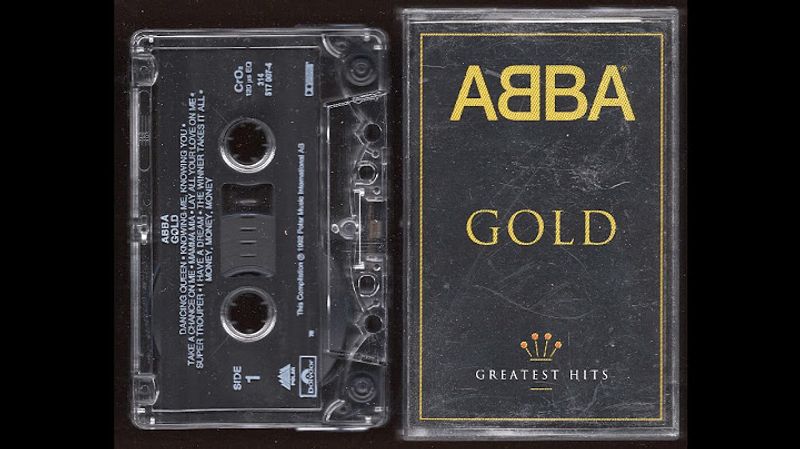
Disco never really died—it just waited for ABBA Gold to resurrect it.
Released a decade after the Swedish supergroup disbanded, this compilation sparked a worldwide ABBA renaissance that nobody saw coming.
“Dancing Queen,” “Mamma Mia,” and “Waterloo” suddenly dominated radio again, proving that great pop music transcends trends and generations.
The album spent years on charts across Europe and beyond.
Its success led to musicals, movies, and a permanent place in pop culture history.
ABBA Gold showed that greatest hits compilations could revive careers and introduce timeless music to entirely new audiences who weren’t even born during the original releases.
5. N.W.A. — Greatest Hits, N.W.A. (1996)
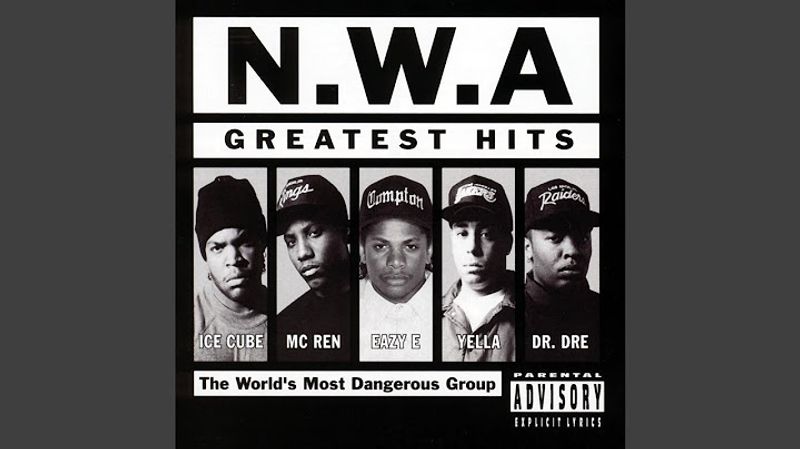
The genre’s most infamous innovators left an undeniable imprint on the history of music.
This collection arrived after the group had already dissolved, but its impact echoed louder than ever.
Songs like “Straight Outta Compton” and “Express Yourself” captured the raw anger and reality of life in South Central Los Angeles during the late eighties.
The album didn’t just compile hits—it documented a cultural revolution.
N.W.A. changed hip-hop forever by refusing to soften their message or apologize for their perspective.
This greatest hits package became required listening for anyone wanting to understand how rap evolved from party music into powerful social commentary.
6. Meaty Beaty Big and Bouncy, The Who (1971)

This electrifying compilation perfectly channels the spirit of teenage rebellion and raw rock power.
The Who had smashed guitars and expectations throughout the sixties, and this collection proved they’d written some of rock’s most enduring anthems along the way.
“My Generation,” “I Can’t Explain,” and “The Kids Are Alright” captured youthful frustration better than anything before or since.
The quirky title reflected the band’s refusal to take anything too seriously.
Yet the music itself was deadly serious—loud, aggressive, and unapologetically ambitious.
This album introduced countless fans to The Who’s explosive energy and showed how compilations could preserve a band’s rebellious spirit for future generations.
7. Substance, New Order (1987)
Electronic music found its emotional heart when New Order combined synthesizers with soul.
Born from the ashes of Joy Division after Ian Curtis’s tragic death, New Order created something entirely new—dance music with depth and melancholy.
This compilation gathered their groundbreaking singles, including “Blue Monday,” the best-selling 12-inch single ever.
“Substance” wasn’t just a greatest hits album.
It served as a bridge between punk’s raw emotion and electronic music’s futuristic possibilities, proving these worlds could coexist beautifully.
The album influenced countless artists and helped establish electronic music as a legitimate form of emotional expression rather than just party soundtrack material.
8. Simon and Garfunkel’s Greatest Hits, Simon and Garfunkel (1972)
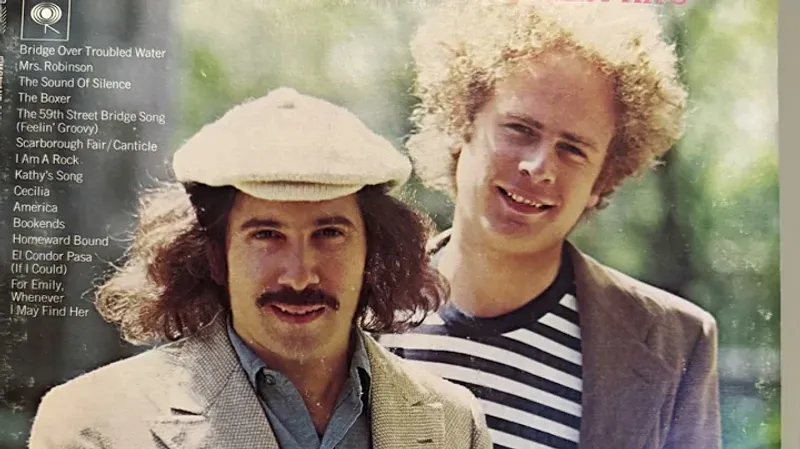
With their voices merging as one, harmony singing achieved its ultimate expression.
Paul Simon and Art Garfunkel had already parted ways when this collection arrived, but their music remained timeless.
“The Sound of Silence,” “Mrs. Robinson,” and “Bridge Over Troubled Water” represented folk-rock perfection—intelligent lyrics wrapped in gorgeous melodies.
The album became a staple in millions of households.
Parents played it during dinner, teenagers discovered it years later, and it just kept selling decade after decade.
This compilation proved that simple, honest songwriting never goes out of style, and perfect vocal harmony creates magic that transcends any single era or trend.
9. Changesonebowie, David Bowie (1976)
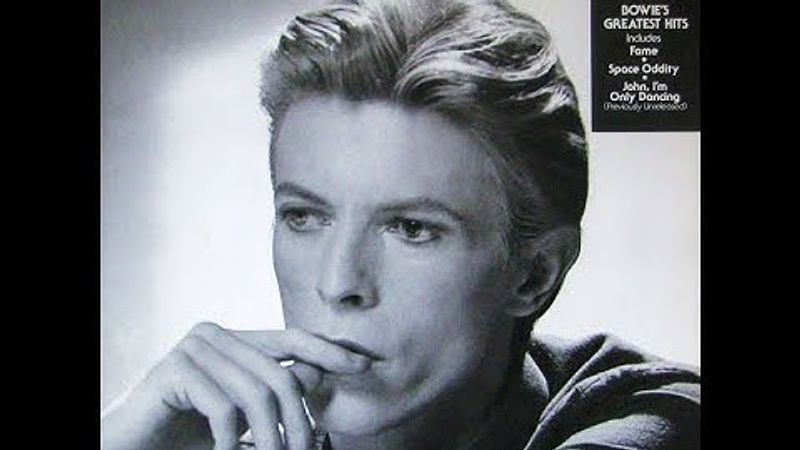
Chameleons change colors, but Bowie changed entire musical landscapes with each transformation.
This compilation captured the Thin White Duke during his most creative period, gathering hits from his glam rock phase that redefined masculinity and artistry.
“Changes,” “Space Oddity,” and “Rebel Rebel” weren’t just songs—they were permission slips for misfits everywhere to embrace their weirdness.
Released mid-career, it showed Bowie’s remarkable ability to reinvent himself while maintaining artistic integrity.
Each track represented a different persona, yet they all felt unmistakably Bowie.
The album introduced countless fans to rock’s greatest shapeshifter and proved that greatest hits collections could document artistic evolution beautifully.
10. Greatest Hits, Aerosmith (1980)

On the verge of self-destruction, Boston’s bad-boy rockers found salvation in this essential compilation.
Released as the band spiraled into substance abuse and internal conflict, this collection reminded everyone why Aerosmith mattered.
“Dream On,” “Sweet Emotion,” and “Walk This Way” showcased their unique blend of blues-rock swagger and pop sensibility.
The album kept selling even as the band fell apart.
Years later, when Aerosmith cleaned up and staged one of rock’s greatest comebacks, this greatest hits package had preserved their reputation during the dark years.
It proved that sometimes a well-timed compilation can be a lifeline that keeps a band’s music alive until they’re ready to reclaim their throne.
11. Chronicles, Rush (1990)
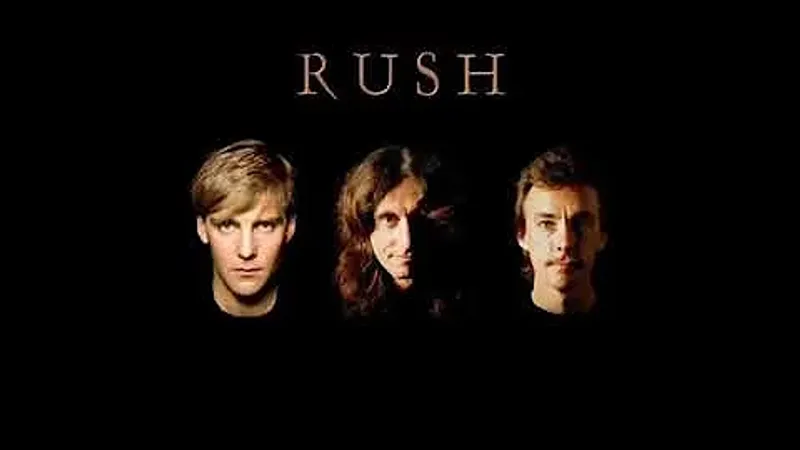
Progressive rock’s thinking person’s band got the comprehensive overview they deserved.
Rush had spent two decades crafting complex, intelligent music that defied radio formats and commercial expectations.
This double-disc collection finally gathered their most accessible moments, from “Tom Sawyer” to “The Spirit of Radio,” proving that intricate musicianship could coexist with memorable hooks.
The band’s Canadian roots and fiercely independent approach made them outsiders who built a devoted following through relentless touring and uncompromising artistry.
“Chronicles” introduced new listeners to Rush’s unique world while giving longtime fans a perfect entry point to share with skeptical friends who thought progressive rock was too pretentious or complicated.
12. The Monkees Greatest Hits, The Monkees (1976)
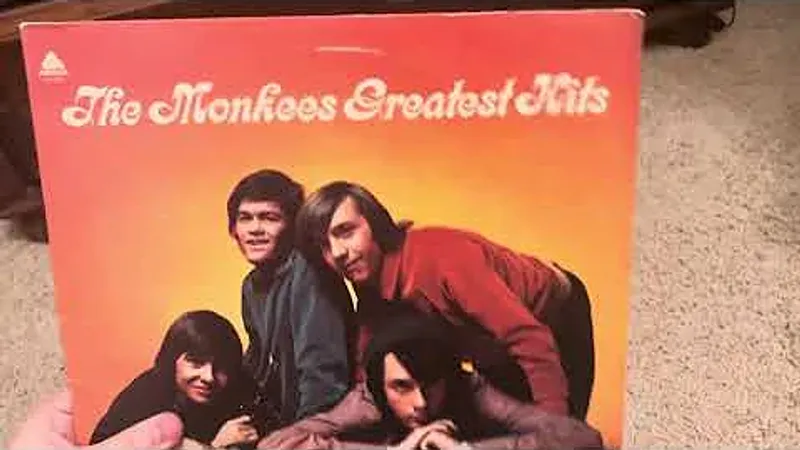
Manufactured for television, The Monkees somehow created genuinely great pop music along the way.
Critics initially dismissed them as fake Beatles, but this compilation proved the songs stood on their own merit.
“I’m a Believer,” “Last Train to Clarksville,” and “Daydream Believer” were expertly crafted pop confections written by professional songwriters like Neil Diamond and Carole King.
Released during the nostalgia boom, this collection found new audiences who appreciated pure pop craftsmanship.
The Monkees’ TV show had been off the air for years, but these songs remained irresistible.
The album reminded everyone that authenticity matters less than quality when the melodies are this infectious and joyful.
13. Smash Hits, Jimi Hendrix Experience (1968)
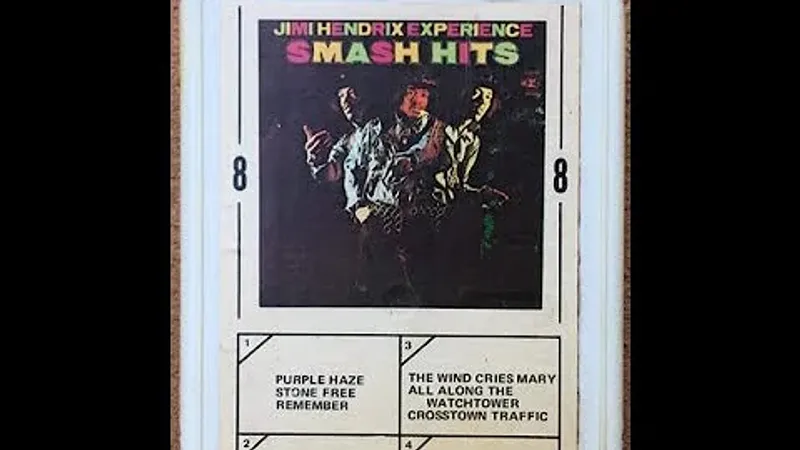
Guitar playing split into two eras: before Hendrix and after Hendrix.
Released while Jimi was still alive and revolutionizing music nightly, this early compilation captured lightning in a bottle.
“Purple Haze,” “Hey Joe,” and “The Wind Cries Mary” showcased a talent so immense that other guitarists simply gave up trying to compete.
The album arrived just two years into Hendrix’s brief recording career.
Already his influence had reshaped rock music completely, proving that virtuosity and raw emotion could coexist beautifully.
“Smash Hits” preserved the early work of someone who would die tragically young, ensuring that future generations could experience the moment when rock guitar changed forever and never looked back.
14. Eponymous, R.E.M. (1988)

What started as a college radio sensation was brought to the masses without losing its essence.
R.E.M. had built a massive underground following through constant touring and critically acclaimed albums that major labels couldn’t quite figure out.
This compilation gathered their most accessible songs, including “The One I Love” and “Radio Free Europe,” creating a perfect introduction to their jangly, mysterious sound.
The title itself—”Eponymous” meaning self-titled—was typical R.E.M. cleverness.
They were too smart and weird to just call it “Greatest Hits.”
The album helped alternative rock break through to wider audiences while proving that underground credibility and commercial success didn’t have to be enemies.
15. Echoes: The Best of Pink Floyd, Pink Floyd (2001)
Psychedelic space rock’s undisputed masters finally received a comprehensive single-disc overview.
For decades, Pink Floyd’s sprawling concept albums seemed impossible to condense into a greatest hits format.
This collection somehow managed the task, including extended pieces from “Dark Side of the Moon,” “Wish You Were Here,” and “The Wall” that captured their atmospheric brilliance.
The double-disc version provided even deeper exploration of their evolution from Syd Barrett’s whimsical early days through Roger Waters’ conceptual ambitions.
“Echoes” introduced younger fans to Pink Floyd’s immersive soundscapes and reminded longtime listeners why these British experimentalists remained one of rock’s most important and influential bands across multiple decades.
Comments
Loading…