
 Jade Reed
11 Things We Do Today That Will Make No Sense in 50 Years

Technology and culture move so fast that what feels normal today might look completely ridiculous tomorrow. Think about how strange it would seem to someone from the 1970s that we walk around staring at glowing rectangles all day.
In just five decades, our grandchildren will probably shake their heads at the weird habits we think are totally fine right now.
1. Influencers Becoming Millionaires by Filming Their Daily Routines
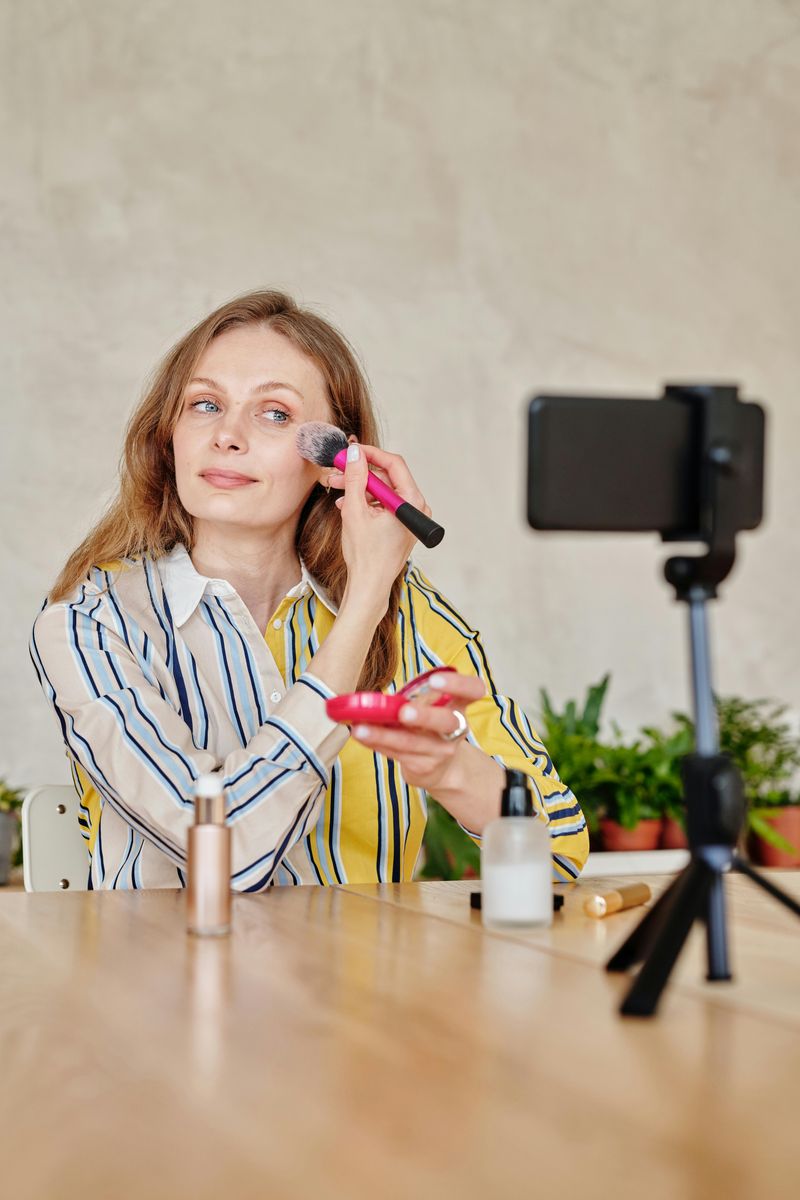
Millions of people have built entire careers around showing strangers what they eat for breakfast or how they organize their closets. Someone can literally become wealthy by pointing a camera at themselves while they brush their teeth or choose an outfit. Companies pay these creators thousands of dollars to mention products in casual videos that look like everyday life.
Future generations will probably wonder why anyone cared so much about watching other people do normal activities. The idea that filming yourself making coffee could pay your mortgage will sound completely bizarre. They’ll ask their parents how something so ordinary became so profitable.
Right now, though, this is a legitimate way to make money, and millions dream of becoming the next big influencer. The whole system depends on our current obsession with peeking into other people’s lives. When that fascination fades, this career path will seem like the strangest historical footnote.
2. Spending Hours Scrolling Short Videos… Then Forgetting What We Just Watched
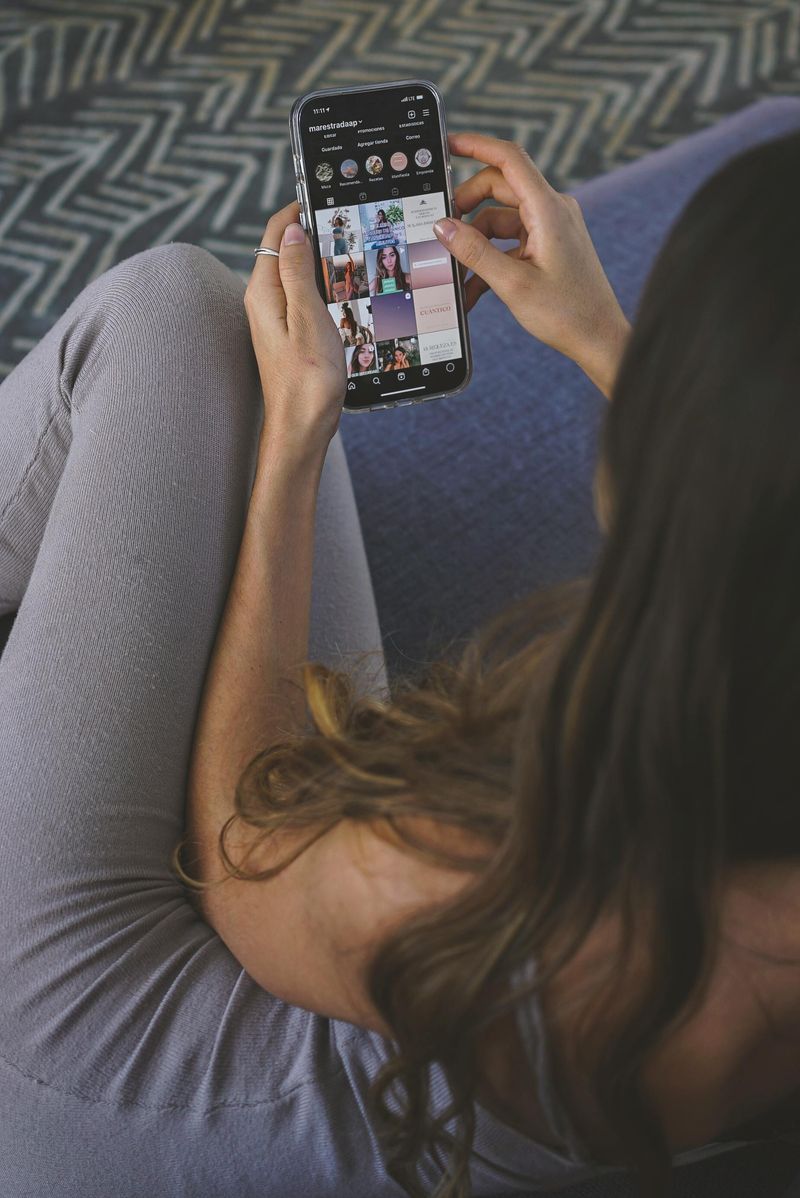
Our brains have been rewired to consume content in fifteen-second bursts, one video after another, for hours on end. We watch hundreds of clips in a single sitting but couldn’t tell you what even five of them were about. The dopamine hits keep us swiping upward, chasing that next little spark of entertainment or surprise.
People in the future will find it mind-boggling that we voluntarily destroyed our attention spans this way. They’ll study it in psychology classes as an example of how technology can hijack human behavior. The fact that we knew it was happening but couldn’t stop will make it even more confusing to them.
This habit has already changed how we think, learn, and remember information. Books feel too long, movies feel too slow, and conversations require too much focus. Future humans will hopefully have figured out healthier ways to interact with digital content—or at least laugh at our mistakes.
3. Paying Subscription Fees for Everything—Even Toaster Updates

Everything you own now wants monthly payments, from your music and movies to your car’s heated seats and even kitchen appliances. You can’t just buy something anymore and use it forever—companies want you paying them repeatedly for features that used to come included. Some refrigerators require subscriptions to access certain settings, and cars lock functions behind paywalls.
In fifty years, people will look back at our credit card statements and laugh at the absurdity. They’ll wonder why we tolerated being nickel-and-dimed for basic features in products we already purchased. The idea that your toaster needs software updates—and charges you for them—will sound like a comedy sketch.
We’re currently living in the golden age of subscription fatigue, where people manage dozens of recurring charges. Eventually, consumers will probably push back hard enough to change this model. Until then, we’re stuck explaining to future generations why we paid rent on our possessions.
4. Recording Every Moment Instead of Experiencing It
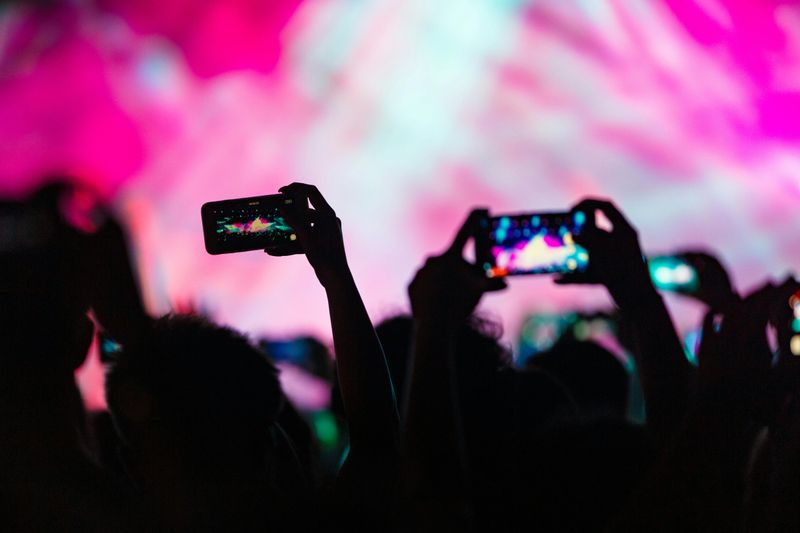
Concerts, birthdays, vacations, and even meals get interrupted so we can capture them on camera for people who weren’t there. We watch fireworks through our phone screens and film our kids’ recitals instead of watching with our own eyes. The memory card has replaced actual memory, and we’ve convinced ourselves that if we didn’t post it, it didn’t really happen.
Future folks will find this absolutely baffling—why would you ruin your own experience to create content for strangers? They’ll wonder if we ever actually enjoyed anything or just performed enjoyment for an invisible audience. The thousands of photos sitting unwatched in cloud storage will seem especially pointless to them.
Psychologists already warn that constant documenting reduces our ability to form genuine memories and enjoy the present. In five decades, people might return to simply being present without needing proof. They’ll tell stories about how their ancestors couldn’t eat dinner without photographing it first, and everyone will laugh.
5. Arguing Online with Strangers We’ll Never Meet

Thousands of hours get spent every day fighting with anonymous usernames about topics that don’t matter. Someone says something you disagree with, and suddenly you’re writing paragraph-long responses to a person you’ll never meet, trying to win an argument nobody asked for. The emotional investment is real even though the stakes are completely imaginary.
In the future, this behavior will look completely irrational—like screaming into the void and expecting the void to apologize. Future generations will wonder why we wasted so much mental energy on pointless debates with strangers. They’ll study screenshots of comment section wars as examples of collective temporary insanity.
Right now, though, millions of people check their notifications obsessively, waiting to see if their brilliant comeback got likes. We let strangers ruin our moods over disagreements about movies or politics or sandwich preferences. When digital culture finally matures, this phase will be remembered as embarrassingly primitive and exhausting.
6. Buying Outfits Just to Take Pictures and Return Them

Fashion influencers and regular people alike have mastered the art of ordering clothes, photographing themselves wearing them, and sending everything back for a refund. Entire outfits exist only for Instagram posts before being returned to the store as if they were never worn. Some people cycle through dozens of items monthly, creating a fake wardrobe that exists only in photos.
Future shoppers will find this practice absolutely wild—why pretend to own things you’re just borrowing for pictures? They’ll wonder about the environmental impact and the ethics of treating stores like free costume rentals. The whole concept will seem dishonest and wasteful in hindsight.
Right now, return policies make this possible, and social media makes it desirable because nobody wants to repeat outfits online. Retailers are slowly catching on and tightening their rules, but the behavior persists. In fifty years, this will be taught as a cautionary tale about valuing appearance over authenticity and sustainability.
7. The Obsession with Matching Aesthetics for Everything

Entire homes get designed around single color palettes, with books chosen for their spine colors rather than their contents. People buy decorative books they’ll never read just because they match the couch. Every surface gets carefully arranged to look perfect for photos, even if it makes the space less functional or comfortable to actually live in.
In five decades, this trend will look hilariously impractical—imagine prioritizing how your bookshelf photographs over actually reading the books. Future decorators will laugh at our obsession with making real life look like magazine spreads. They’ll wonder why we made our homes feel like museums instead of places to relax.
The pressure to maintain a perfect aesthetic has turned many homes into sets for social media content rather than comfortable living spaces. People stress about whether their dish towels match their wall color, which future generations will find ridiculous. Eventually, functionality and personality will probably matter more than Instagram-worthy neutrals and coordinated everything.
8. Creating Complicated Coffee Drinks at Home That Take Longer Than a Road Trip

Coffee has evolved from a simple morning beverage into an elaborate ritual requiring specialized equipment, exotic beans, alternative milks, and twenty minutes of preparation time.
People invest hundreds of dollars in grinders, frothers, and brewing devices to recreate café drinks at home. The process involves precise measurements, specific temperatures, and techniques that require YouTube tutorials to master.
Future coffee drinkers will probably find our complicated routines completely excessive and wonder when caffeine became a hobby. They’ll question why anyone needed single-origin, ethically sourced beans whipped into foam art just to wake up. The sheer amount of time and money invested in daily coffee will seem absurd.
Right now, though, crafting the perfect oat-milk latte is a point of pride for millions of people. Social media is full of coffee content showing off expensive setups and complicated recipes. Eventually, convenience will probably win again, and our grandchildren will shake their heads at how we turned a simple drink into an exhausting production.
9. Treating Pets Like Royalty While People Struggle to Pay Rent

Pet ownership has reached levels of luxury that would make monarchs jealous, with designer clothing, professional spa treatments, birthday parties, and even DNA testing for animals. People spend thousands on pet strollers, organic food, and custom furniture while humans in the same cities can’t afford basic housing. Some dogs have better healthcare plans than their owners’ children.
In fifty years, this disparity will look absolutely bizarre—how did society prioritize animal comfort over human welfare? Future historians will study our pet industry as an example of misplaced priorities and wealth inequality. They’ll wonder how we justified spending more on dog daycare than many people earned in a week.
Currently, the pet industry is worth billions, and social media celebrates extreme pet pampering as adorable rather than excessive. People defend these choices as personal freedom, which they are, but the contrast with human struggles is striking. Future generations will hopefully find better balance between caring for animals and caring for each other.
10. Wearing Technology on Our Faces… Even When It Made Us Look Ridiculous
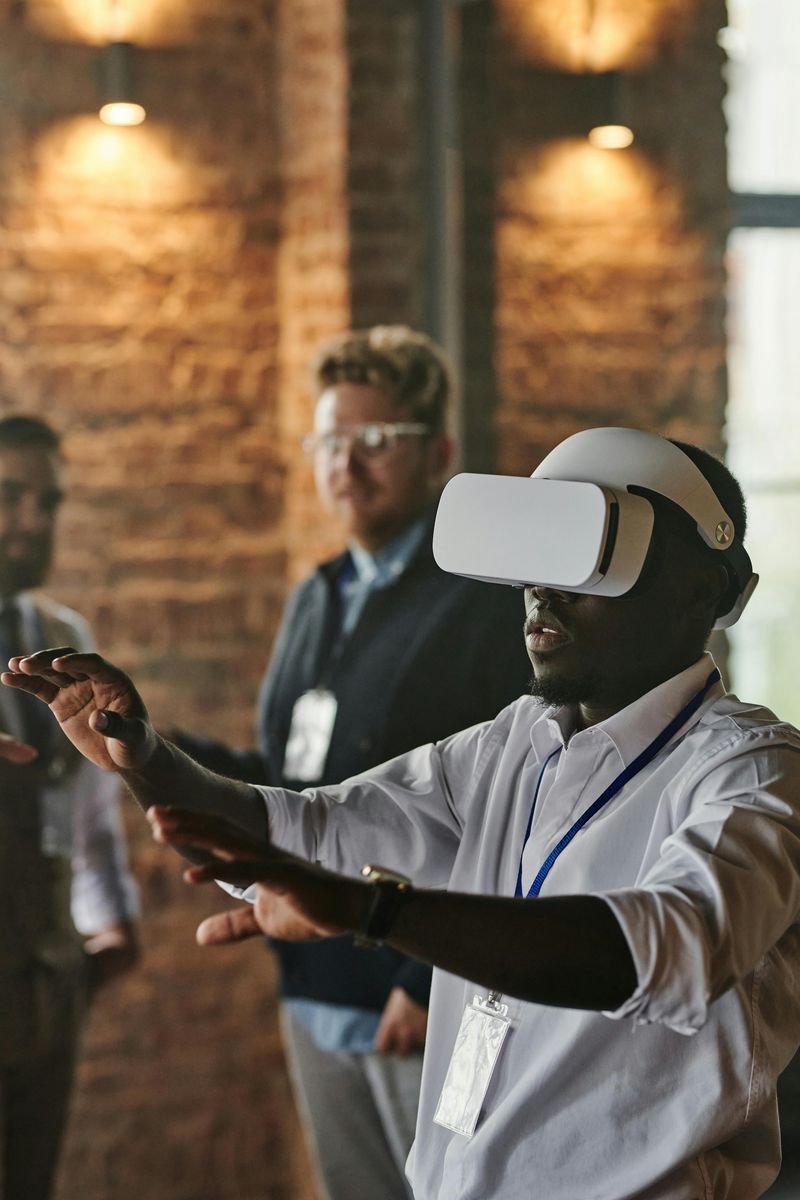
Early wearable technology made us look like characters from a low-budget science fiction movie, but we wore it anyway because it was cutting-edge. Smart glasses, VR headsets, and face-tracking devices turned humans into walking tech demos, often at the expense of looking normal in public. We prioritized functionality and novelty over not looking absolutely ridiculous to everyone around us.
Future kids will watch videos of people wearing first-generation face computers and laugh until they cry. They’ll wonder why we tolerated such clunky, unflattering designs just to check our email hands-free. The fashion disasters of early wearable tech will become iconic examples of how innovation sometimes requires embarrassing trial periods.
Right now, tech enthusiasts defend these devices as revolutionary, and they probably are—just not stylish.
Eventually, wearable technology will become seamless and invisible, making our current gadgets look as outdated as brick phones. Our descendants will appreciate that we endured the awkward phase so they could have better versions, but they’ll still roast us mercilessly for it.
11. The Endless Quest to Optimize Every Minute of Life
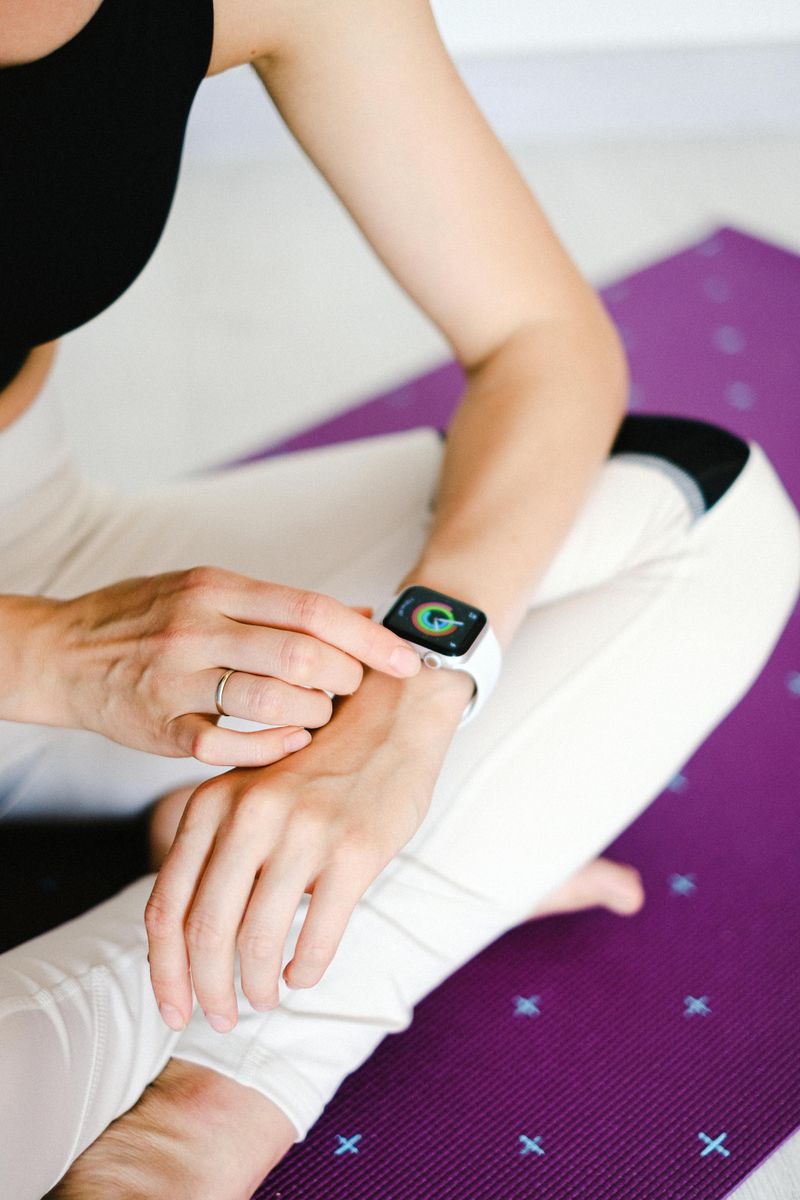
Every aspect of existence now gets tracked, measured, and optimized through apps and devices that monitor sleep quality, productivity levels, water intake, and even breathing patterns.
We’ve turned living into a performance that gets scored and analyzed, constantly striving to improve our metrics rather than just existing. The pursuit of perfect efficiency has become exhausting in itself, creating stress while promising to reduce it.
In 2074, people will probably find this obsession with optimization completely counterproductive and wonder when we forgot how to just be human. They’ll question why we needed dashboards and data points to tell us if we slept well or had a good day. The irony of stressing over stress-reduction metrics will be painfully obvious to them.
Currently, entire industries profit from our desire to quantify and improve everything about ourselves through technology. We check our step counts, monitor our productivity scores, and feel guilty when the numbers disappoint us. Future generations will hopefully rediscover the value of intuition and spontaneity without needing an app’s permission to relax.
Comments
Loading…