
 Isabel Parker
The Simple System for Tracking Bills When Your Brain Is Already Overloaded

Your brain is already juggling work, life, and a thousand invisible to-dos, so it makes sense that bill tracking feels like the final straw.
The goal here is not a perfect system that requires color-coding and monthly “money dates” you’ll never keep.
What you need is a low-effort setup that catches bills before they become late fees, panic spirals, or surprise overdrafts.
This simple system is built for real life, which means it works even when you are tired, distracted, or barely functioning.
Each step is intentionally small so you can build momentum without needing motivation.
You will rely on fewer decisions, fewer tools, and fewer places to check.
Once the basics are in place, you can spend less time thinking about money and more time living your life.
1. Choose One Weekly “Money Minute”

A single repeatable check-in works better than random bursts of “I’ll deal with it later” energy.
Pick one day and time that tends to be predictable, like Sunday evening or Wednesday morning before your day gets chaotic.
Treat it like brushing your teeth, because the power comes from repetition, not intensity.
During this session, you only need to look at what is due soon and confirm what has been paid.
If you have time, you can schedule payments, but the main goal is to prevent surprises.
Set a gentle alarm and label it in a way that feels supportive rather than scolding.
When you miss a week, restart the next one without trying to “catch up” perfectly.
Consistency beats guilt every time, especially when your mental load is already maxed out.
2. Create a Single Bills Inbox

One dedicated landing spot reduces the chaos of scattered papers, emails, screenshots, and half-remembered due dates.
Choose the easiest option you will actually use, whether that is a physical folder, a tray by the door, or an email label.
Everything bill-related goes there immediately, even if you cannot deal with it right away.
This simple move stops bills from becoming tiny landmines hidden across your home and phone.
If you get digital statements, set an email rule so bills automatically land in the same folder without extra effort.
If you get paper bills, open them and place them in the same spot instead of “just setting them down for a second.”
The point is to reduce searching, because searching drains energy faster than paying does.
When your inbox is centralized, your brain can finally stop scanning for what it might be forgetting.
3. Use the “Due Soon / Paid / Fix Later” Trio
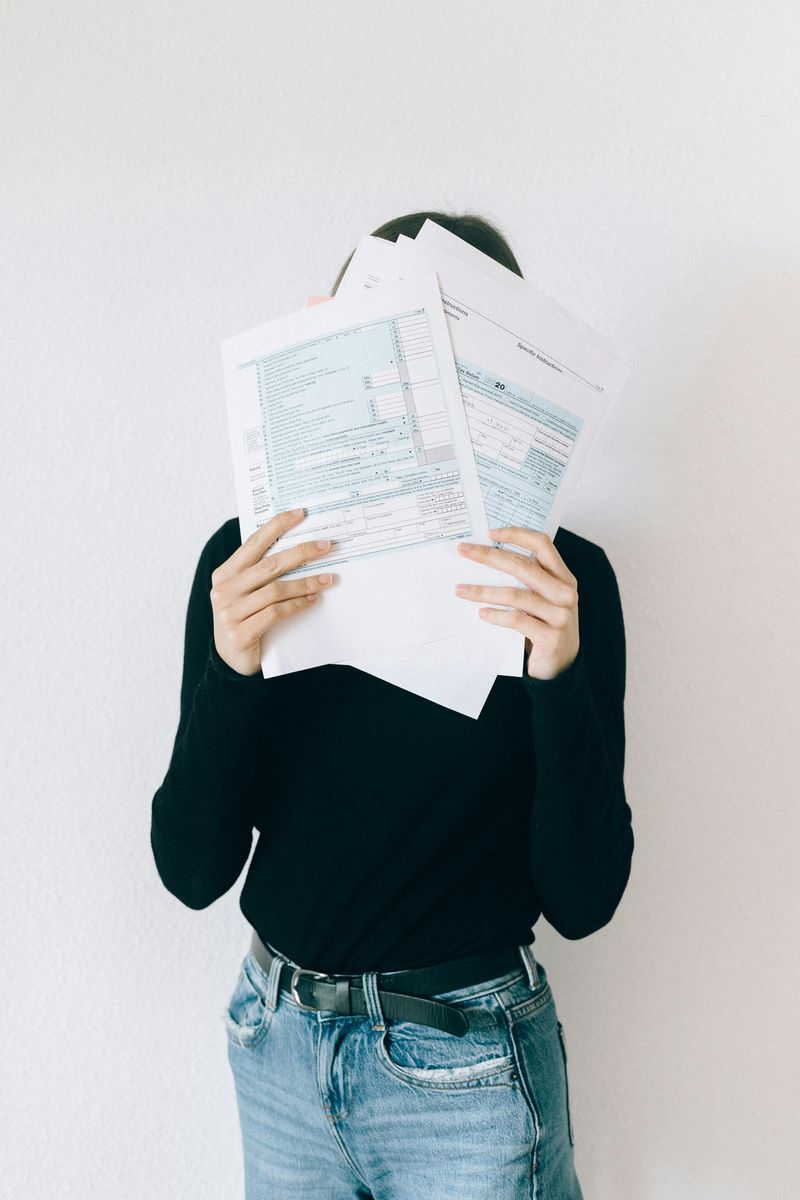
A three-part sorting method gives you structure without turning bill tracking into a complicated project.
Set up three folders, three paper clips, or three notes, and keep the labels obvious and simple.
Anything with an upcoming deadline goes into the first category so it stays in your line of sight.
Anything completed moves into the second category so you can stop second-guessing yourself.
Anything confusing, disputed, or requiring a phone call goes into the third category so it does not derail your session.
This prevents the common trap of spending your entire “money minute” on one problem bill.
When you have low energy, you can ignore the “Fix Later” pile and still stay current on deadlines.
On a better week, you can handle one “Fix Later” item at a time without burning out.
4. Make a One-Page Master Bill List

A single page can hold enough information to keep you on track without inviting perfectionism.
Use a notes app, a sticky note, or a simple document, and resist the urge to build an elaborate spreadsheet.
List each bill with four essentials: name, due date, typical amount range, and how you pay it.
That amount range matters because it helps you plan even when the exact number changes month to month.
Include a quick cue for where to pay, like “bank bill pay,” “website login,” or “autopay on card.”
This list becomes your anchor when stress makes you forget what exists.
During your weekly check-in, you glance at the page and instantly know what needs attention.
If you update nothing else, keeping this list accurate will still save you from late fees and mental clutter.
5. Track Deadlines, Not Details
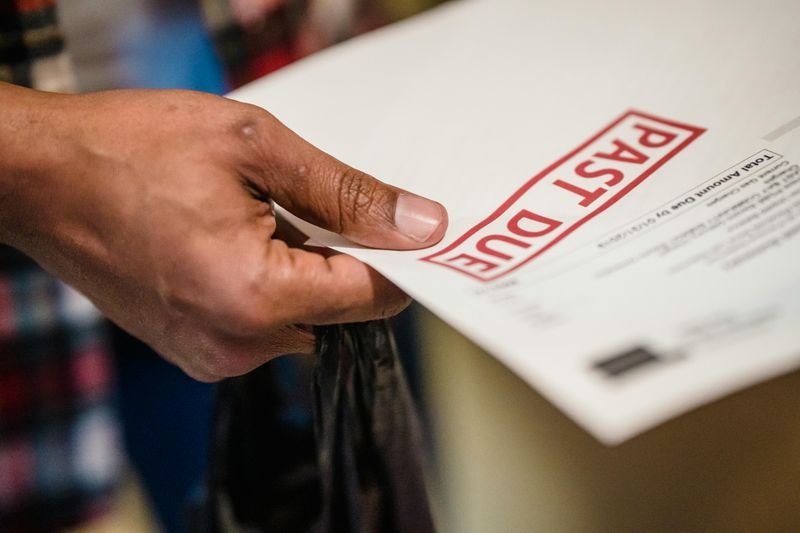
Focusing on dates and minimum obligations keeps you functional when your brain cannot handle extra math.
Bills become overwhelming when you try to track every category, receipt, and micro-decision in the same moment.
Instead, write down the due dates and the minimum amounts required to stay in good standing.
When your energy is low, “good enough” is paying what is due on time, not optimizing every dollar.
This approach also lowers shame, because you are measuring success by consistency rather than financial perfection.
If you like, add a quick note about whether a bill is fixed or variable, but stop there.
You can always refine later, but you cannot refine your way out of a late fee today.
By prioritizing deadlines, you create stability first, and stability makes better money decisions easier later.
6. Start Autopay With the Smallest Bills First

Easing into automation helps you build trust in the system without feeling like you are giving up control.
Begin with low-stakes bills that rarely change, like a streaming service, phone plan, or internet payment.
This reduces the number of times you have to remember to log in and submit a payment.
It also creates quick wins that make the whole process feel less intimidating.
Before turning on autopay, check that the payment method is correct and that you will receive a confirmation email.
Set a reminder to review autopay amounts once a month, especially for any bill that can fluctuate.
If you are worried about overdrafts, tie autopay only to your bills account, not your everyday spending money.
Over time, each small bill you automate is one less mental tab your brain has to keep open.
7. Use “Minimum Autopay + Manual Extra” for Credit Cards

A safety net for credit cards prevents accidental late payments, which are expensive and stressful to fix.
Set autopay to cover at least the minimum amount so you stay current even during chaotic weeks.
Then, on your weekly check-in, decide whether you can pay extra without guessing or guilt.
This keeps you in control of debt payoff while still protecting you from the consequences of forgetfulness.
It also helps if your income fluctuates, because the minimum payment is predictable and manageable.
If your card offers it, choose the setting that pays the statement minimum rather than a fixed dollar amount.
After the autopay hits, confirm it posted, and move the bill to your “Paid” category so your brain can relax.
This method balances stability and flexibility, which is exactly what overloaded seasons require.
8. Keep Bills Money Separate (If Possible)

Separating bill funds reduces the constant mental math of “Can I spend this, or is it already spoken for?”
If you can, open a basic checking account used only for recurring bills and necessary payments.
Have your paycheck send a set amount there each month, even if it is not perfect at first.
When bills pull from that account, you immediately know whether you are covered without scanning multiple balances.
If opening a new account is not realistic, you can mimic the idea with a dedicated savings sub-account or an envelope method.
The key is creating a boundary between bill money and everyday spending money.
That boundary lowers anxiety because you are not relying on willpower or memory to avoid mistakes.
Once the separation exists, paying bills becomes more routine and less emotionally draining.
9. Set One Reminder Instead of Twelve

A single recurring alert prevents notification fatigue, which is what happens when your phone nags you into ignoring it.
Choose one weekly reminder that tells you to check the master list and your “Due Soon” bucket.
Keep the reminder wording kind, because shame makes avoidance stronger, not weaker.
When that alert pops up, your only job is to look, not to finish everything in one sitting.
If a payment is due soon, you can schedule it or pay it immediately, depending on what feels easiest.
If nothing is due, you still win because you confirmed that you are safe.
This also helps you stop obsessively checking accounts, which drains mental energy.
One reminder creates a habit loop that your brain can follow even when you are overwhelmed.
10. Batch Bills Into Two Pay Days

Splitting the month into two predictable bill sessions keeps tasks contained and easier to start.
Choose two dates that match your cash flow, like right after payday or at the beginning and middle of the month.
During each session, pay every bill that falls before the next pay day, plus anything that is simple and quick.
This reduces the number of separate times you have to “get in the bill-paying mindset.”
It also prevents the constant low-level dread of wondering what might be due tomorrow.
If your income is irregular, you can still batch by priority, paying essentials first and deferring non-essentials until the second session.
Keep the sessions short by focusing on the “Due Soon” list instead of wandering through every account.
When bills are batched, your brain gets more days off from thinking about money.
11. Use a Tiny Buffer to Prevent Panic

A small cushion protects you from the chain reaction that happens when one bill hits earlier than expected.
Even a modest buffer can prevent overdraft fees, returned payments, and the stress of scrambling to fix it all.
Start with an amount that feels possible, like $25 or $50, and build from there slowly.
Treat the buffer like part of your system, not extra money that is “up for grabs.”
If you keep a bills-only account, the buffer lives there as a permanent stabilizer.
If you use one account for everything, keep the buffer number written somewhere visible so you do not accidentally spend it.
When the buffer gets used, refill it gradually rather than trying to replace it in one painful move.
The goal is emotional safety as much as financial safety, because stability makes everything easier.
12. Save Logins So Paying Doesn’t Become a Project

Removing friction is one of the fastest ways to make bill paying doable when you are tired.
Use a password manager or your phone’s built-in secure storage so you are not resetting passwords every month.
Store the bill websites you use most in a dedicated folder on your browser or home screen.
This turns “pay the bill” into a few taps instead of a long scavenger hunt through emails.
If you share accounts with a partner, make sure both of you can access the logins without hunting each other down.
When a bill requires two-factor authentication, set it up so codes go to the device you always have with you.
Each bit of saved effort adds up, especially during overloaded seasons.
When paying bills is easy to start, you are far more likely to actually finish.
13. Keep a “Bare Minimum” Plan for Rough Weeks

A simple emergency plan keeps you afloat when you are in survival mode and decision-making feels impossible.
Write down the essentials that must be paid first, such as rent, utilities, insurance, and transportation.
Next to each one, list the minimum payment needed to avoid major consequences.
Include the due date and the fastest way to pay, so you do not have to think when you are already depleted.
This list is not about settling for less forever, because it is about preventing damage during hard stretches.
When you are feeling better, you can return to your normal system and catch up strategically.
On rough weeks, you follow the bare-minimum list and give yourself permission to stop.
Having a plan reduces panic, because you are no longer making everything up in the moment.
14. Do a 5-Minute Subscription Sweep Monthly

A quick monthly scan helps you catch small charges that quietly multiply when you are not paying attention.
Pick one day, often right after your paycheck or at the end of the month, and set a gentle reminder.
Open your bank or card statement and look specifically for recurring charges and forgotten free trials.
You do not need to cancel everything, because the goal is awareness, not deprivation.
If you spot something you do not recognize, move it to your “Fix Later” bucket so you can investigate when you have bandwidth.
If you spot something you no longer use, cancel it immediately while you have the tab open.
This practice prevents money leaks without demanding a full budget overhaul.
Five minutes a month can save you far more than you expect, especially over a year.
15. End With One Small Win and Stop

Stopping on a positive note makes it easier to come back next time, which is the whole point of a sustainable system.
Choose one clear finish line for each session, like scheduling one payment or updating one due date on your master list.
When you try to do everything at once, your brain learns that bills equal exhaustion and it starts avoiding the task entirely.
A small win teaches your brain that bill tracking can be manageable and even relieving.
After you complete your one win, move at least one item into the “Paid” category to create visible progress.
Then close the tabs, put the papers away, and let the session be over.
You can always do more later, but you do not have to earn rest by finishing every financial task in your life.
Consistency grows when you keep the system gentle enough to repeat.
Comments
Loading…