
 Isabel Parker
If You Notice Any of These 10 Things, Your Identity May Be Compromised

Your identity rarely gets stolen with fireworks.
It slips away quietly, one odd charge or strange email at a time.
If you know what to watch for, you can slam the door before things spiral.
Let’s walk through the red flags you should never ignore and exactly what to do next.
1. Charges you don’t recognize (even small “test” purchases)
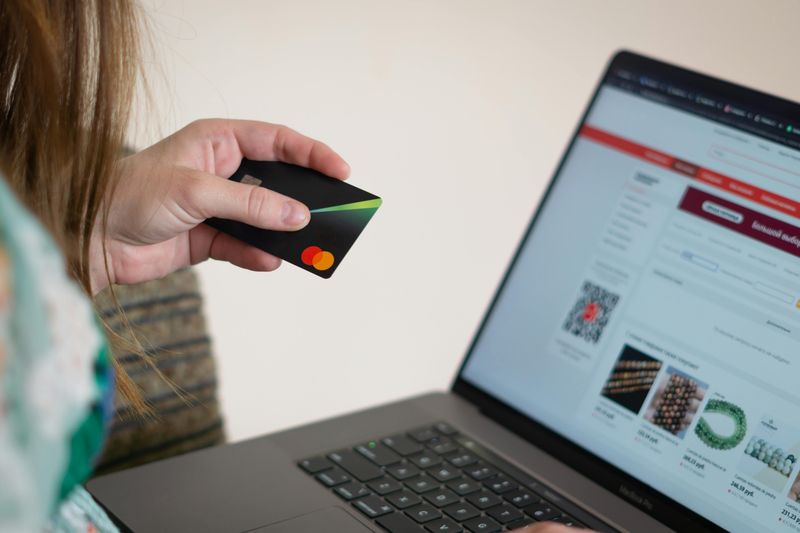
Those tiny mystery charges are not harmless.
Fraudsters often test a card with small amounts to see if anyone notices, then ramp up later.
You might spot $1 to $10 transactions, odd retailers, or a random subscription quietly renewing.
Freeze or lock the card immediately to stop additional attempts.
Then dispute the charges with your bank or card issuer, and update your password using a strong, unique combo.
Turn on real-time transaction alerts so future blips pop up instantly.
Review recent statements line by line for other stealthy purchases.
Remove saved card details from old accounts you no longer use.
If the card number was stored in a breached site, consider replacing the card entirely for peace of mind.
2. A credit card or loan shows up that you never opened

Finding a surprise card or loan in your name feels unsettling.
Maybe you got a welcome packet, or a lender called to “confirm” an application you never submitted.
That is a classic sign someone used your identity to open credit.
Place a fraud alert with a credit bureau so lenders must verify your identity.
Stronger yet, freeze your credit at all three bureaus to block new accounts entirely.
Then call the lender’s fraud department and insist they close the account as identity theft.
Request written confirmation the account is removed and any inquiries are suppressed.
Keep copies of letters, screenshots, and call notes for records.
Finally, monitor your reports for follow-up activity, because fraudsters sometimes try again after a failed attempt.
3. Your credit score drops for “no reason”

A sudden score drop can feel unfair when you have paid everything on time.
Behind the scenes, a new inquiry or account may have appeared without your knowledge.
Even a small change can signal bigger identity issues brewing.
Pull your credit reports from all three bureaus and scan for fresh inquiries, unfamiliar accounts, or addresses.
Dispute anything that is not yours through each bureau’s process.
Then freeze your credit so nobody can open new lines while you investigate.
Set up ongoing score and report alerts to catch changes early.
Review utilization, limits, and payment history to ensure nothing else looks off.
If the problem persists, file an identity theft report and give lenders documentation to clean your records.
4. You get debt collection calls for accounts you don’t recognize

Collectors calling about a mystery balance can rattle anyone.
Pressure tactics may push you to confirm details you should never share.
Stay calm, because you control the pace and the paperwork.
Ask for a written debt validation letter that outlines the original creditor, amount, and proof you owe it.
Do not confirm your Social Security number or other personal info on the phone.
If the debt is bogus, file disputes with the collector and credit bureaus.
Keep everything in writing to build a clean paper trail.
Note dates, call times, and names.
If harassment continues, cite your rights under the Fair Debt Collection Practices Act and consider reporting the collector to regulators.
5. You stop receiving bills or mail (or your address “mysteriously” changes)

When statements suddenly vanish, that is not just a postal hiccup.
Thieves sometimes redirect mail to capture sensitive documents.
You might even get a notice that your address changed when you never touched it.
Log in and check profile details for each bank, card, and utility.
If anything was altered, revert it and alert the company’s fraud team.
Set up USPS Informed Delivery and consider a temporary mail hold while you investigate potential tampering.
Enable paperless statements where possible so copies live securely online.
Review account alerts and confirm they point to your correct email and phone.
If mail theft is suspected, file a report with USPS and your local police to document the incident.
6. Your bank account looks “off” (missing money, strange transfers, new payees)

A checking balance that does not add up deserves urgent attention.
Unexpected Zelle or Venmo activity, or new linked accounts you never added, can signal account takeover.
Time matters because transfers move fast.
Call your bank immediately and report unauthorized activity.
Ask about reversing transfers and blocking outgoing payments.
Change your login credentials, remove unknown payees, and revoke access for compromised devices.
Review connected apps and integrations that might have weak permissions.
Turn on alerts for logins, transfers, and large withdrawals.
After things stabilize, request replacement cards and consider a new account number if the breach feels widespread.
7. You get login alerts, password resets, or MFA codes you didn’t request

Those surprise “Here’s your code” messages mean someone is poking at your accounts.
Attackers test password reset flows and hope you slip.
Do not enter any codes you did not request.
Change your passwords, starting with email since it resets everything else.
Use a unique passphrase and enable multi factor authentication with an authenticator app instead of SMS.
Log out of all sessions and review authorized devices and app connections.
In your email, check filters and forwarding rules that could quietly reroute messages.
Remove unknown recovery methods like phone numbers you do not recognize.
If attacks continue, rotate usernames where possible and add security questions carefully.
8. Tax-related red flags (IRS notice or your refund gets rejected)

An unexpected IRS notice or a rejected refund can stop your heart.
Identity thieves file early to steal refunds, leaving you to clean up the mess.
It feels unfair, but you have a process to follow.
Respond promptly to any IRS correspondence to avoid delays.
Create and secure your IRS online account, then follow the identity theft steps provided.
File Form 14039 if instructed and keep copies of everything you submit.
Continue filing your real return by paper if necessary, documenting your claim.
Monitor your tax transcripts for suspicious activity.
Going forward, consider an Identity Protection PIN to lock down future filings and shut scammers out.
9. Your medical records or insurance claims don’t match your care

Seeing a bill for an appointment you never had is more than a clerical error.
Medical identity thieves use your information to obtain care or prescriptions.
That can scramble your records and create safety risks.
Call your insurer and providers to flag the issue and request detailed records.
Dispute fraudulent claims and ask that corrections be made to your medical history.
See if they can add a password or PIN to your profile for extra verification.
Request an explanation of benefits for recent months and scan for shadowy charges.
Keep meticulous notes and copies of every letter.
If it continues, file complaints with state insurance regulators and consider an identity theft report.
10. Someone is using your identity in the “real world”
Real world identity abuse hits hard.
Maybe utilities popped up in your name, a driver’s license issue surfaced, or unemployment benefits were filed without your knowledge.
Background check problems can follow you into jobs and housing.
Document everything with photos, copies, and date-stamped notes.
Contact each company or agency to shut down the fraudulent account and correct records.
File an identity theft report and freeze your credit to block new abuse.
Ask agencies about placing a PIN or password on your file to prevent future changes.
Follow up until you receive written confirmation.
Keep a binder of proof so you can quickly resolve any fallout that appears later.
Comments
Loading…