
 Hailey Watson
How I Cut My Monthly Spending by 40% Without Feeling Poor
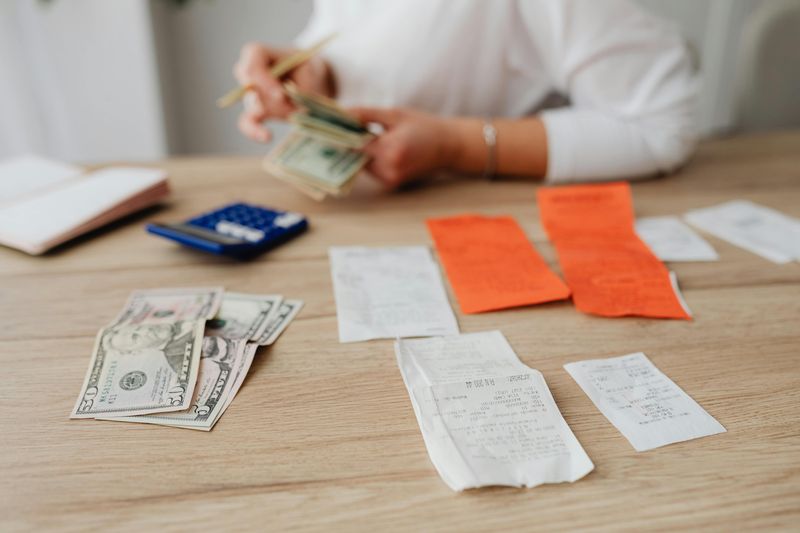
For a long time, I assumed cutting my spending would automatically mean cutting my joy, too.
What actually changed everything was realizing that “being frugal” doesn’t have to look like constant self-denial, and it definitely doesn’t have to feel like living in survival mode.
I wasn’t trying to become a different person overnight or swear off every little convenience forever.
I just wanted to stop wondering where my money went and start feeling in control again.
Once I focused on a few high-impact habits and swapped mindless spending for intentional spending, the math started working fast.
The best part is that the changes I kept weren’t the ones that made me feel deprived.
They were the ones that made my life simpler, my decisions easier, and my bank account noticeably calmer.
1. I tracked every purchase for 7 days to find my real spending leaks.

Numbers do not lie, and a week of data felt brutally honest.
Every swipe, tap, and crumpled receipt went into a simple note on my phone.
Patterns appeared by day three, and they were not glamorous.
Those $4 here and $9 there were the real budget villains.
Afternoon snacks, parking, and random app upgrades piled up quietly.
Seeing totals in one list removed the “it is not that bad” illusion fast.
Once the leaks were obvious, I labeled them in buckets: food, convenience, boredom, and true needs.
Then I picked the top two categories to attack first.
You will cut more by focusing on big offenders than shaming every latte.
2. I cancelled (or paused) subscriptions and kept only the ones I truly used weekly.
Subscription creep is sneaky because it feels cheap until it multiplies.
I opened bank statements, searched “subscription,” and listed everything with renewal dates.
Anything I had not opened or used weekly went on the chopping block.
Pausing felt easier than canceling, so I started there.
If I missed it after a month, I could bring it back.
Most never returned, which told me plenty.
Annual plans got calendar reminders one month before renewal.
Student and loyalty discounts shaved a few more dollars where I kept services.
You will love the clarity of seeing only the things you actually enjoy.
3. I negotiated my internet/phone bill or switched to a cheaper plan.

Customer loyalty is powerful when you use it.
I called my providers with competitor prices ready and asked for retention deals.
A polite script and a willingness to switch worked wonders.
Speed tiers were higher than I needed, so I stepped down one level.
Unlimited data sounded nice but my actual usage made a smaller plan smarter.
Contracts had hidden perks if I just asked.
When negotiation stalled, I scheduled a switch and mentioned it.
Suddenly, new offers appeared.
You can save every month without changing your daily life, and that is the best kind of win.
4. I set a weekly spending limit (so I didn’t “accidentally” blow the month).
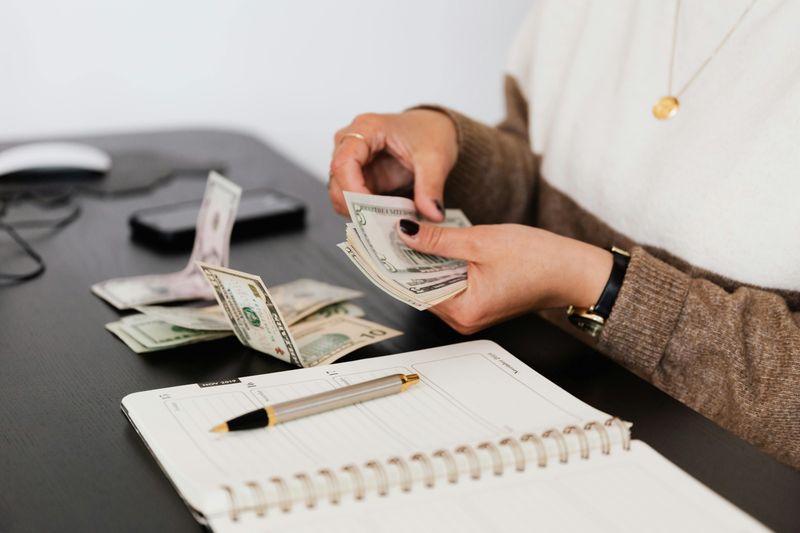
Monthly budgets feel abstract, so I shrunk the game to weekly limits.
One number for groceries, one for everything else discretionary.
I reset every Sunday, which gave me frequent wins.
Midweek check-ins stopped the oops moments.
If I overspent a little, I shaved the difference from next week.
No shame, just math.
Cash envelopes were clunky for me, so I used a separate debit card instead.
Notifications kept me honest in real time.
Your month stays on track when each week has guardrails you actually follow.
5. I meal-planned around what I already had and shopped my pantry first.
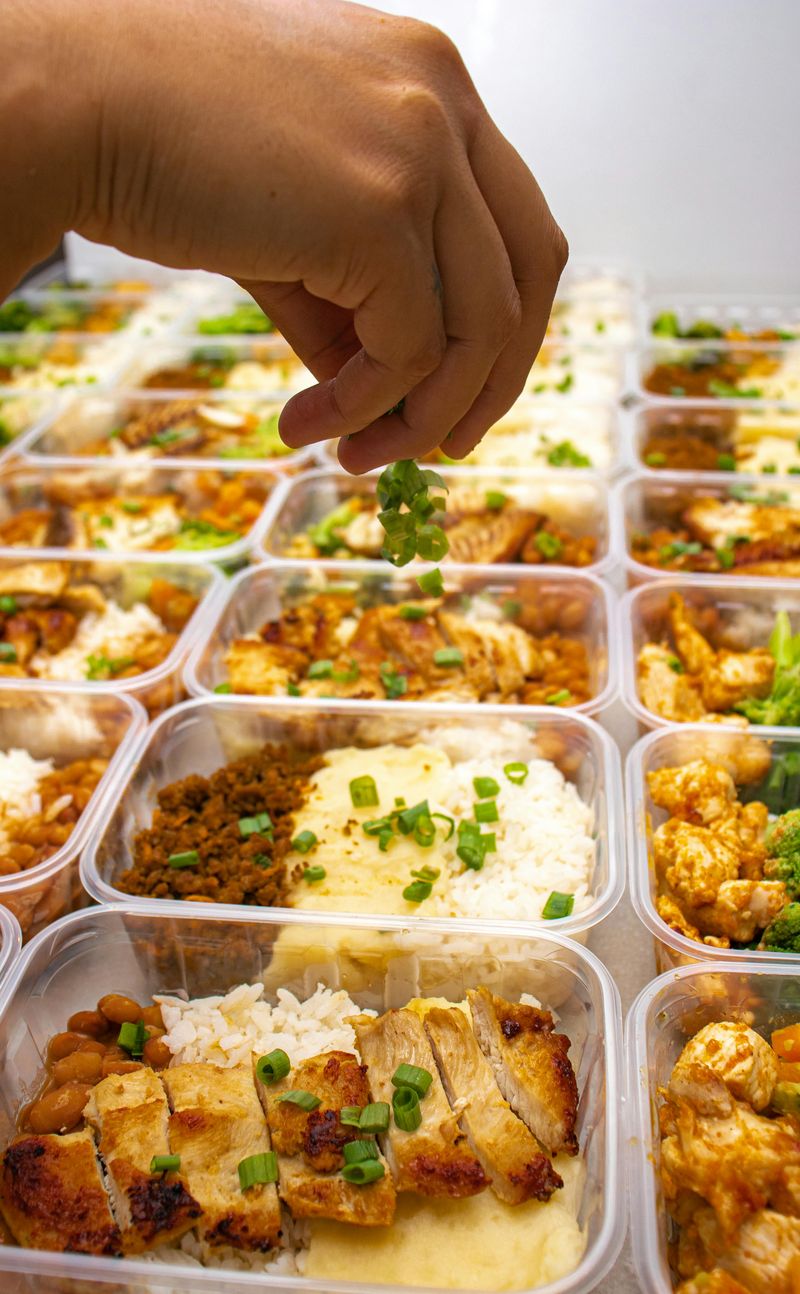
Grocery bills dropped the minute I started at home.
I pulled everything from the pantry and freezer onto one list, then built meals around those anchors.
Suddenly, half my shopping list disappeared.
Leftovers became intentional.
I cooked once and planned a remix night with tacos, bowls, or wraps.
Food waste shrank along with the receipt.
A quick inventory note on my phone stopped duplicate buys.
Store apps made it easy to match what I needed with real sales.
You will feel oddly rich when dinner comes from what you already own.
6. I stopped buying drinks out (coffee, energy drinks, sodas) and made them at home.

Daily drinks were a stealth tax on my mornings.
I bought a reliable coffee setup and learned two home versions of my favorites.
Even iced drinks became easy with a jar and patience.
Energy drinks turned into cold-brew or homemade electrolyte mixes.
Sodas became seltzer with citrus and a splash of juice.
Taste was 90 percent there for 20 percent of the price.
I still treat myself occasionally, but not by habit.
A travel mug and a routine saved me without feeling deprived.
Your wallet will notice first, then your schedule will too.
7. I used a simple “one in, one out” rule for clothes, skincare, and random Amazon buys.

Clutter and spending are cousins, so I made space the currency.
Before anything new came home, one similar item had to leave.
That little friction cured a lot of casual clicking.
Closets thinned, drawers breathed, and I discovered what I truly wore.
Skincare got simpler when I finished bottles before “testing” another miracle.
The dopamine from clearing out competed nicely with buying.
Wish lists replaced impulse purchases.
If an item still felt necessary after a week, it earned its spot.
You will love how tidy decisions become when every yes requires a goodbye.
8. I replaced “boredom shopping” with a list and a 24-hour wait before buying.

Scrolling stores is entertainment until the packages arrive.
I kept a running list of wants and added dates next to each item.
The rule was simple: wait at least 24 hours before buying.
Most cravings faded overnight.
The few that stuck around were usually practical.
That felt like proof the delay worked.
Notifications were turned off to reduce nudges.
I also moved shopping apps off my home screen.
Your future self will thank you for making temptation hard and thoughtful choices easy.
9. I switched to generic/store brands for basics where I couldn’t tell the difference.

Brand loyalty was costing me for no reason.
I blind-tested staples like rice, oats, pasta, cleaners, and pain relievers.
If I could not taste or feel the difference, I switched.
Some favorites stayed name-brand, and that is fine.
The savings came from the broad middle where quality matched but labels changed.
It added up quietly every grocery trip.
Store perks stacked with coupons for extra wins.
Keep a short list of items where brand truly matters to you.
Everything else can go generic and your budget will barely notice.
10. I built a “fun budget” on purpose so cutting back didn’t feel like punishment.

Restriction backfires when life feels joyless.
I carved out a small fun category that existed no matter what.
Even $10 a week changed the psychology of saving.
Movie night, a pastry, or a plant became mini celebrations.
Because the fun was planned, impulse buys stopped pretending to be “treats.” My brain finally got the memo that joy was still allowed.
Track it the same way you track bills so it is respected.
Boundaries make the fun feel earned instead of guilty.
You will stick with a plan that gives you something to look forward to.
11. I planned one low-cost treat each week (to avoid expensive impulse splurges).

Rewards keep momentum alive.
A weekly treat did the job without wrecking the numbers.
Think library movie night, bakery cookie, or a long bath with a fancy candle you already own.
Putting the treat on the calendar killed the urge to chase random dopamine.
Most weeks I looked forward to it more than any pricey outing.
It felt intentional, not stingy.
Rotate themes so it stays fresh.
Invite a friend for accountability and free fun.
Your budget thrives when delight is scheduled, not improvised at the register.
12. I stopped paying for convenience fees (delivery, rush shipping, random add-ons).

Convenience is wonderful until the fees stack like dominoes.
I grouped errands to cut delivery charges and picked standard shipping by default.
Retailers train urgency, but most things are not urgent.
Rush fees vanished when I planned one day earlier.
Pickup options were free and surprisingly quick.
The habit saved money and cleared my schedule.
I also watched for sneaky add-ons at checkout.
Gift wrap, insurance I did not need, and “protection plans” disappeared with one click.
You will pocket quiet savings every time you refuse to pay for speed.
13. I used cash-back/points intentionally (not as an excuse to spend).
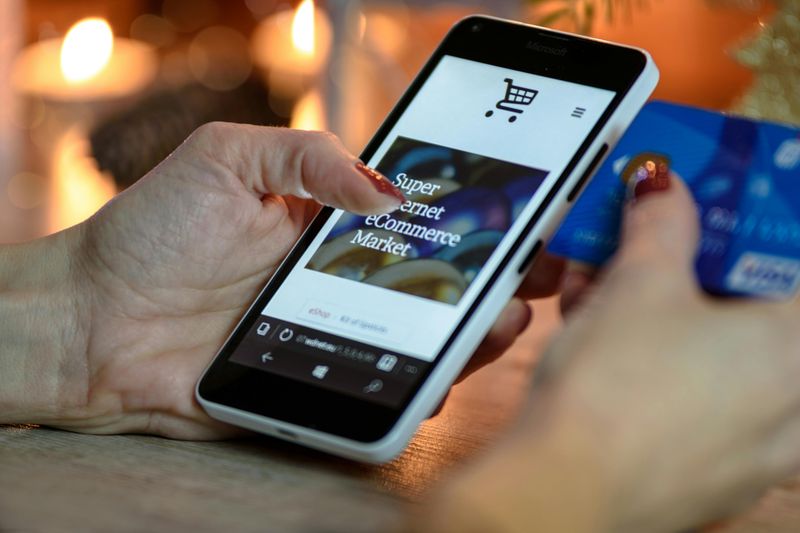
Rewards are tools, not permission slips.
I funneled regular bills onto one card with strong categories and paid it in full.
Points went toward statement credits or travel I had already budgeted.
Impulse purchases just to “earn more” stopped, because the math never works.
A small percentage back on something unnecessary is still a loss.
Focus turned to predictability.
Automatic tracking apps helped, but the real win was discipline.
If debt tempts you, switch to debit and use a cash-back browser extension instead.
You will like how intentional rewards feel when they support goals.
14. I started doing a “no-spend reset” for 2–3 days a week.
Short fasts from spending reset habits quickly.
I picked nonconsecutive days when I could plan meals and activities at home.
The rule was simple: essentials only, no extras.
It doubled as a creativity challenge.
Suddenly I was finishing books, cooking freezer finds, and repairing small things.
The quiet felt good.
Tracking streaks on a calendar turned it into a game.
If I broke a day, I just restarted without drama.
You will be surprised how much momentum builds from tiny, consistent resets.
15. I cut my grocery trips in half to reduce impulse purchases.

Every store visit invites temptation.
By shopping once every one to two weeks, I dodged the aisles that whisper “just one more.” Lists became precise and meals stretched further.
Produce strategy mattered.
I bought sturdy items for later in the week and used delicate greens early.
Snacks were portioned so they actually lasted.
If we ran out, we improvised instead of dashing back.
That one change trimmed both gas and impulse grabbing.
You will spend less simply by showing up less often.
16. I rotated cheaper dinners (breakfast-for-dinner, pasta night, soup night).
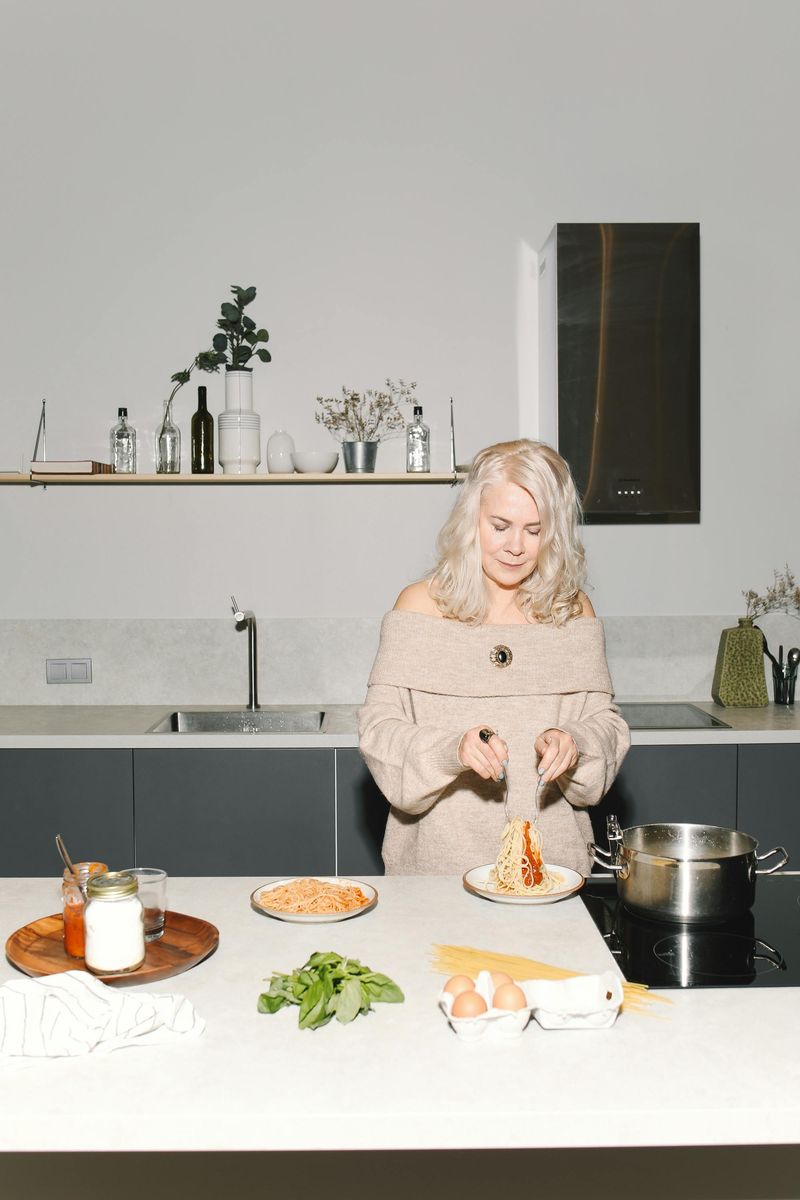
Themed dinners took decision fatigue off the menu.
Breakfast-for-dinner, pasta night, and soup night became reliable anchors.
Prices were friendly and ingredients overlapped nicely.
Flavor did not suffer.
Spices, toppings, and seasonal veggies kept things interesting.
Leftovers played well as next-day lunches.
Having a fallback plan prevented last-minute takeout.
It is easier to save when dinner practically cooks itself.
Your wallet will cheer for eggs, beans, and noodles doing the heavy lifting.
17. I bought secondhand first for clothes, home items, and kids’ stuff.
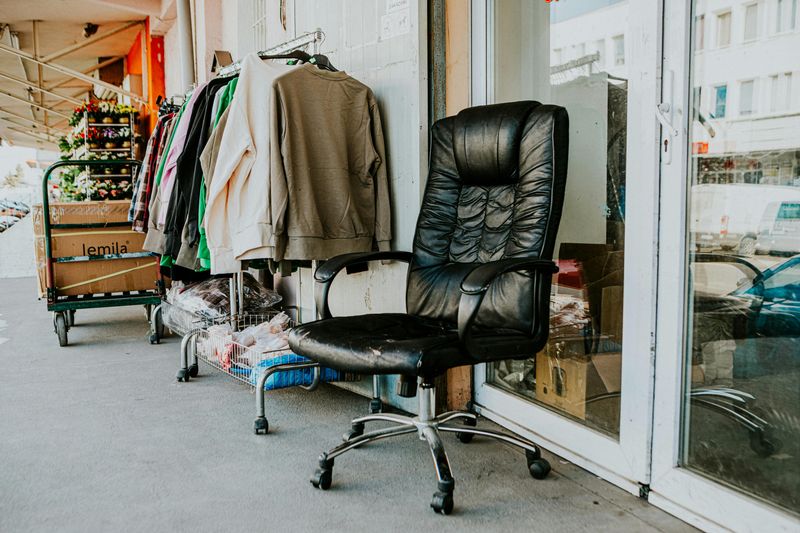
Secondhand shopping turned into a treasure hunt.
I checked local buy-sell groups, thrift stores, and online marketplaces before buying new.
Quality surprises showed up at a fraction of retail.
Filters and saved searches made it efficient.
I learned brand sizing and materials to spot gems quickly.
Patience paid off, especially for kid gear they outgrow in minutes.
Clean and sanitize, then enjoy the savings.
Reselling later recoups even more.
You will love the upgrade in value once “used first” becomes your default.
18. I automated savings on payday so I didn’t spend what I meant to save.

Money you do not see is money you keep.
I set automatic transfers to savings and investments on payday.
The timing mattered, because intentions melt by day four.
Targets were small at first, then I bumped them quietly.
Separate accounts labeled by goal kept motivation high.
Watching balances grow turned saving into a habit loop.
If income varies, use percentages instead of fixed amounts.
Celebrate progress at milestones and adjust when life shifts.
You will feel calmer knowing future you gets paid first, every time.
Comments
Loading…