
 Jade Reed
15 Ways to Cut Your Grocery Bill Without Eating Like a Sad Person

Cutting your grocery bill shouldn’t require you to eat like you’re being punished.
The problem isn’t that you “lack discipline,” it’s that modern grocery stores are designed to nudge you into expensive convenience foods, random cravings, and “just in case” purchases that quietly add up.
The good news is you can spend less without sacrificing flavor, comfort, or the little joys that make meals feel worth it.
A few smart swaps, some strategic planning, and a couple of simple kitchen habits can shave serious dollars off your weekly total while keeping your plate interesting.
Below are 15 ways to make groceries cheaper without turning dinner into a sad, beige routine you dread all day.
1. Plan 3–4 “anchor dinners,” not a whole week of perfection

Trying to map out seven unique dinners can make grocery shopping feel like a second job, and it often leads to overbuying “just in case” ingredients that end up wilting in the crisper.
A better approach is picking three or four flexible meals you actually enjoy and building your list around those.
Think tacos, stir-fry, pasta, soup, or sheet-pan chicken—meals that can handle ingredient swaps without falling apart.
When you plan anchors instead of a rigid schedule, you buy fewer one-off items and use what you already have more often.
Bonus: it also reduces takeout temptation because you’re not stuck choosing between “cooking something complicated” and “giving up.”
2. Build meals around what’s already on sale (then choose the recipe)
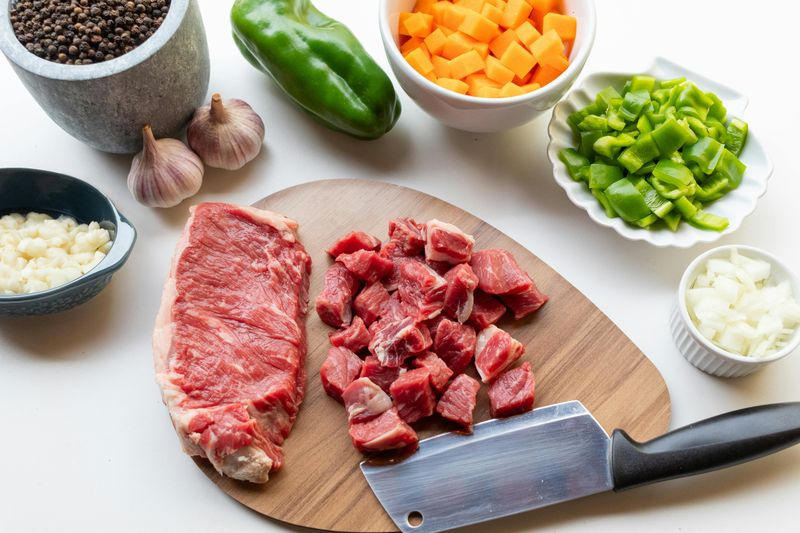
Starting your meal plan with a specific craving can be expensive, especially when the ingredient you want happens to be full price that week.
Instead, flip the process: check the sales first, then decide what to make with what’s discounted.
If chicken thighs are cheap, you can turn them into fajitas, a sheet-pan dinner, or a cozy stew, and each option uses different flavors so it never feels repetitive.
This method works especially well with proteins and produce, where the price swings can be dramatic from week to week.
You’re still eating foods you like, you’re just letting the store’s discounts guide your choices instead of your impulse.
3. Swap one “premium” ingredient for a cheaper flavor-bomb
You don’t have to strip meals down to bare essentials to save money; you just need to be selective about where the “fancy” dollars go.
Many recipes call for pricey ingredients that are mainly there for a big flavor hit, and you can often get that same impact for less.
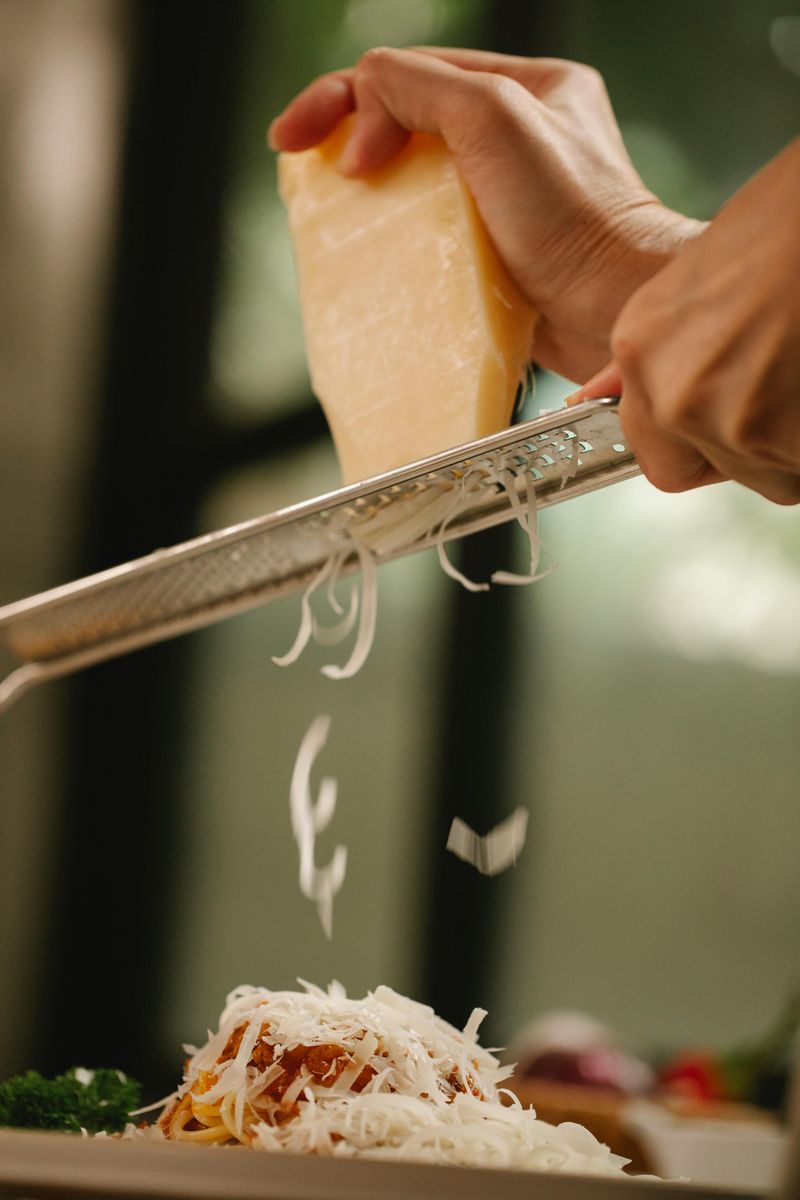
Pecorino can deliver the salty punch people look for in parmesan, while toasted almonds can stand in for pine nuts without making pesto feel like a downgrade.
Frozen herbs, herb pastes, and spice blends also add boldness without the waste of fresh bundles that go slimy in three days.
The goal is to keep meals tasting exciting while quietly lowering the cost per dish.
4. Use “one protein, two meals” thinking

Buying a protein once and stretching it into two different meals is one of the easiest ways to cut costs without feeling deprived.
The trick is choosing a cooking method that sets you up for leftovers that still taste good later, not the sad, dry kind you ignore in the fridge.
Roasted chicken can become tacos, a salad, or a quick soup, and a batch of ground turkey can turn into chili one night and lettuce wraps the next.
When you plan for the second meal from the start, you buy fewer ingredients overall because you’re reusing the same base.
It also saves time, which reduces the urge to “just order something” when you’re tired.
5. Buy store brand for staples, name brand for “wow” items only

Not every item deserves the name-brand price tag, and treating all groceries like they do is a fast way to overspend.
Store brands are usually great for basics like flour, sugar, oats, canned tomatoes, beans, pasta, and frozen vegetables, where the difference is minimal and the savings add up quickly.
Then you can choose one or two “wow” items that actually affect your happiness—maybe your favorite coffee, a really good hot sauce, or a cheese you genuinely look forward to.
This keeps your cart feeling fun while your total stays reasonable.
You’re not cutting joy; you’re just putting it in the places where it makes the biggest difference.
6. Cook “restaurant-style” with cheap ingredients

A meal doesn’t feel “cheap” because the ingredients are inexpensive; it feels cheap when it’s flat, bland, and missing texture.
You can fix that with a few restaurant-style finishing touches that cost pennies.
Adding a splash of acid—like lemon juice or vinegar—wakes up soups, roasted vegetables, and pasta in a way that makes everything taste brighter.
Crunch matters too, so keep toasted breadcrumbs, crushed nuts, or crispy onions on hand to sprinkle over bowls and salads.
Finally, a finishing drizzle of olive oil, a dollop of Greek yogurt, or a quick pan sauce makes food feel intentional instead of thrown together.
These small upgrades make budget meals feel like something you’d happily pay for.
7. Stop buying “snack foods” and start buying “snack ingredients”

Prepackaged snacks are convenient, but they’re often the most overpriced items in your cart when you compare cost per serving.
A smarter move is buying the ingredients that turn into snacks you actually want, without the single-serve markup.
Popcorn kernels are ridiculously cheap and feel indulgent with seasoning, and yogurt becomes a dessert-like snack when you mix in frozen berries or a spoonful of jam.
Tortilla chips plus homemade salsa or bean dip can satisfy the “crunchy and salty” craving without spending on fancy snack bags.
You still get fun, satisfying snacks, but you’re not paying extra for a company to portion them into tiny packages.
Your pantry becomes your snack aisle.
8. Use frozen produce like it’s a life hack (because it is)
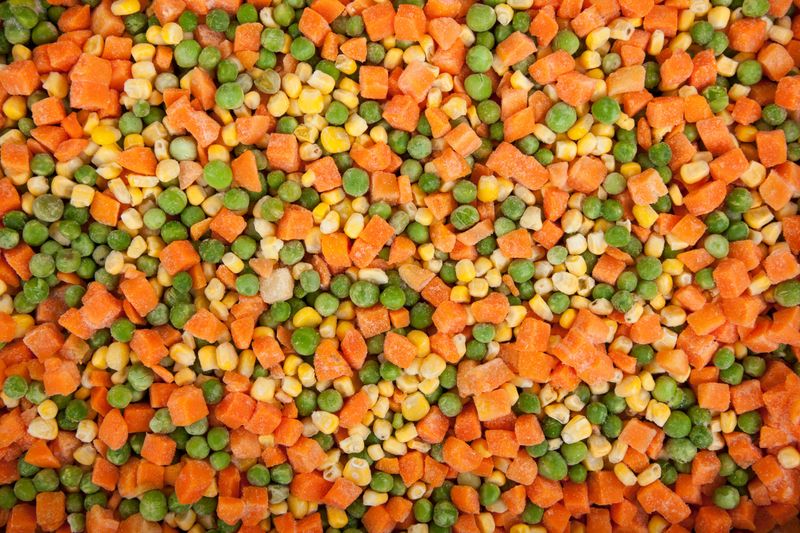
Frozen fruits and vegetables can be a budget saver and a waste reducer, especially when fresh produce seems to spoil the second you bring it home.
Since frozen produce is picked and processed at peak ripeness, it can be surprisingly good for smoothies, stir-fries, soups, and casseroles.
Bags of frozen broccoli, spinach, mixed veggies, and berries often cost less than fresh equivalents, and they don’t guilt-trip you from the drawer when life gets busy.
This is especially helpful for “supporting cast” ingredients—like spinach for pasta or berries for yogurt—where you want the nutrition and flavor without the pressure of using it immediately.
You’ll throw away less food, and that’s real savings.
9. Do one weekly “clean-out-the-fridge” meal

Food waste is basically money you bought and then tossed, so building one weekly meal around leftovers can noticeably shrink your grocery bill.
The key is choosing a format that welcomes random ingredients instead of requiring a perfect list.
Fried rice, frittatas, sheet-pan “everything,” soups, and big salads are all great because they turn small amounts of leftovers into something that feels like a real meal.
That half onion, the sad carrots, and the last bits of chicken can suddenly become dinner instead of compost.
Making this a weekly habit also helps you shop smarter, because you’ll start noticing what you tend to overbuy.
Your fridge stays cleaner, and your budget gets a break.
10. Stretch meat with “blend-ins” that taste good
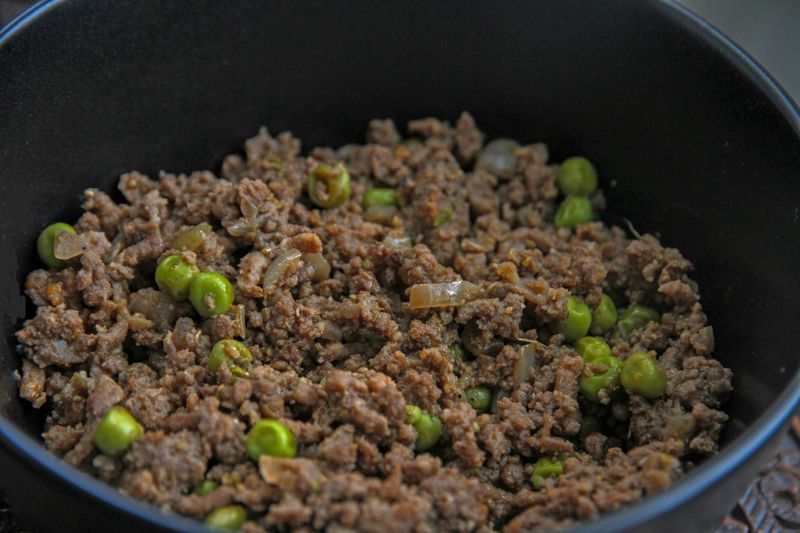
If meat is one of the biggest costs in your grocery budget, you don’t have to eliminate it to save money—you just need to use less of it per meal.
Blending ground meat with chopped mushrooms, lentils, beans, or grated zucchini can double the volume of a recipe without cutting flavor.
Mushrooms add savory depth, lentils bring a hearty texture, and beans make chili feel even more filling, so nobody at the table feels like they’re being shorted.
This works especially well in tacos, pasta sauce, burgers, meatballs, and casseroles where seasoning is already doing most of the heavy lifting.
You’ll spend less on meat, eat more fiber, and still feel fully satisfied after dinner.
11. Make one big batch sauce that fixes boring meals
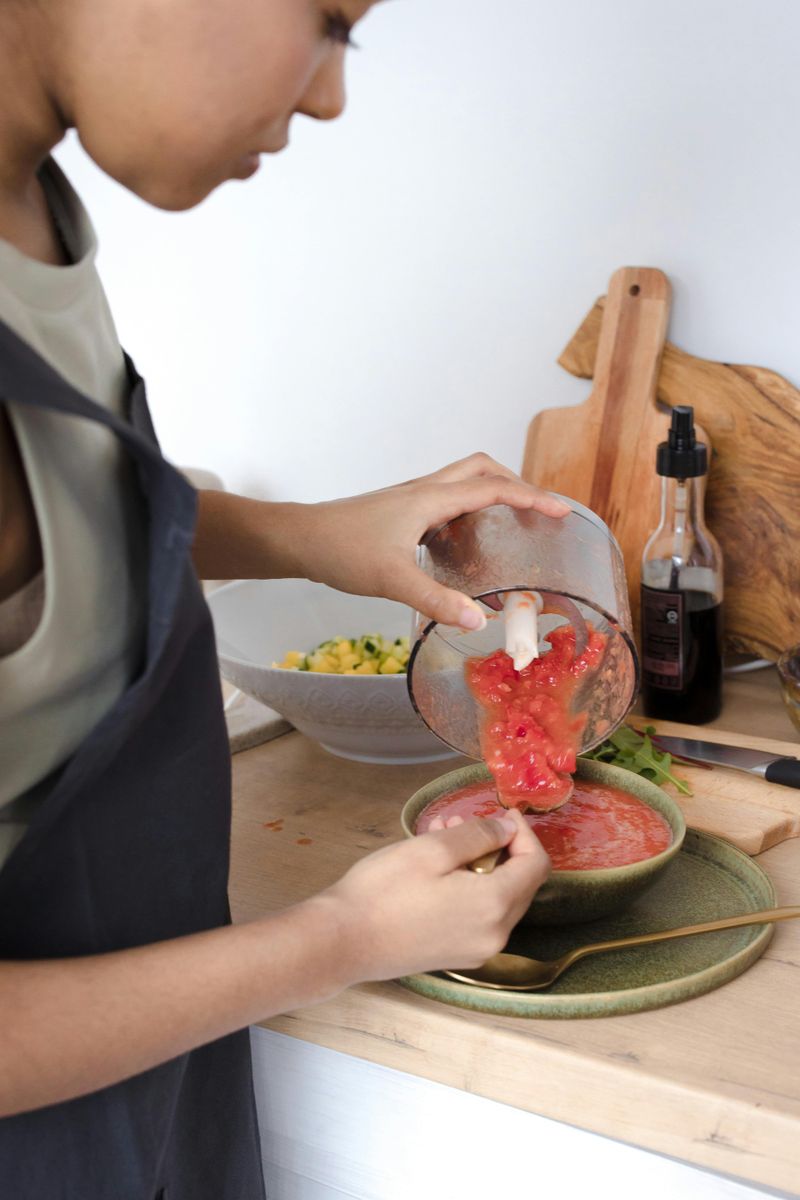
When people say cooking at home feels depressing, they usually mean the meals are repetitive, not that the ingredients are humble.
A big-batch sauce solves that by turning basic proteins and vegetables into different “flavors of the week” with almost no extra effort.
Pesto can go on pasta, sandwiches, roasted veggies, and eggs; peanut sauce makes cheap noodles and frozen stir-fry mix taste like takeout; and a yogurt-garlic sauce instantly upgrades chicken, potatoes, and grain bowls.
Make one sauce on Sunday and you’ll find yourself using it all week because it makes everything more interesting.
That reduces the urge to buy pricey convenience meals, and it makes your budget ingredients feel exciting again.
12. Switch one grocery trip into a pantry/freezer week each month
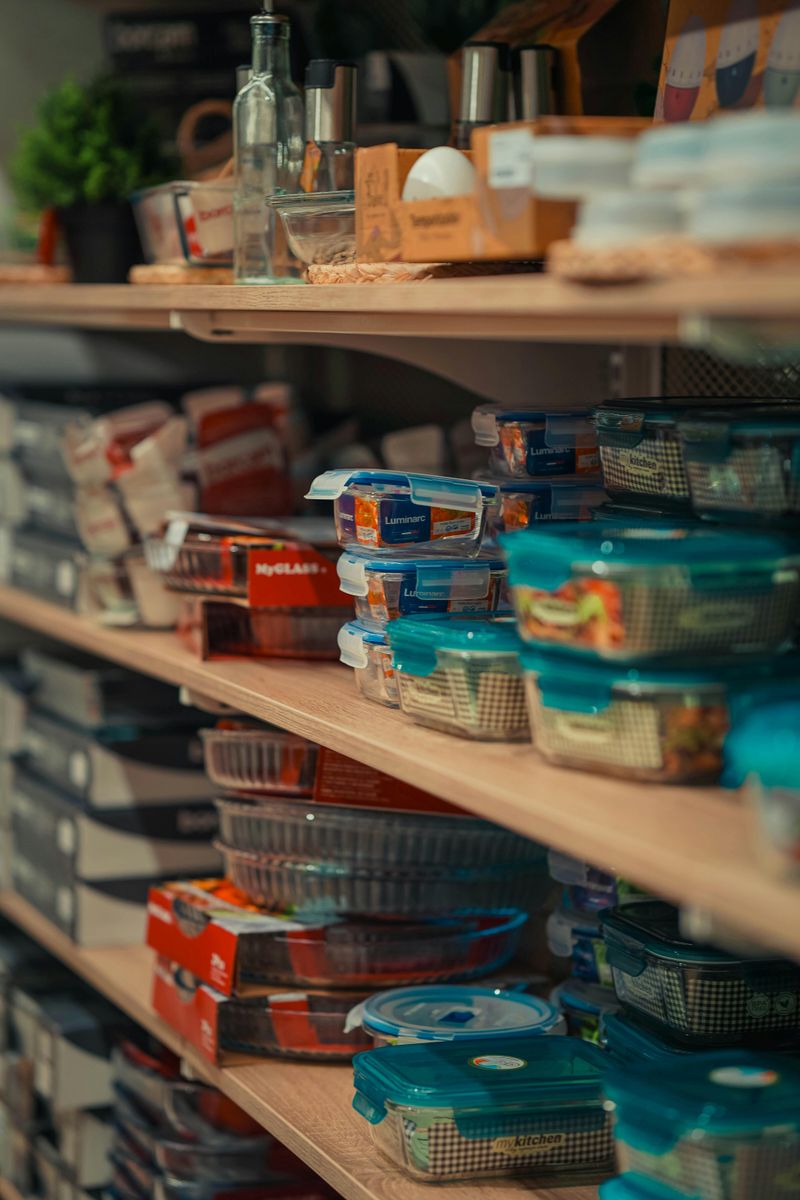
Most households have enough food sitting around to create several meals, but it’s easy to ignore what you already own when you keep shopping the same way every week.
Choosing one week a month to rely on your pantry and freezer can reset your spending without feeling like deprivation.
You can plan meals around what you have—like pasta, rice, canned beans, frozen vegetables, and leftover proteins—then buy only a small “fresh top-up” such as milk, eggs, fruit, or greens.
This strategy also prevents your pantry from becoming a graveyard of half-used ingredients you forgot existed.
Even if your grocery bill only drops for one week, the monthly savings can be surprisingly noticeable.
13. Buy fewer beverages

Drinks are one of the sneakiest budget killers because they don’t feel like “real groceries,” yet they can add a shocking amount to your total.
Sparkling waters, sodas, juices, flavored coffees, and trendy “healthy” drinks often cost more per serving than the food you’re cooking.
Cutting back doesn’t mean you have to drink boring tap water and feel sad about it, though.
You can make iced tea, flavor water with lemon or cucumber, use inexpensive drink concentrates, or keep a pitcher of fruit-infused water in the fridge.
If you like carbonation, a cheaper store-brand sparkling water can scratch the same itch.
Reducing beverage purchases frees up money for ingredients that actually make meals more satisfying.
14. Use “repeat lunches” so you stop panic-buying midday food

Lunch is where budgets go to die, especially when you’re hungry, busy, and surrounded by options that cost $12–$18 per meal.
Creating two repeatable lunches you genuinely like prevents the “I’ll just grab something” spiral without requiring daily meal prep perfection.
You could rotate soup and sandwiches, grain bowls and wraps, or big salads with a protein topping, and keep the ingredients simple enough that they’re easy to restock.
Repeating lunches also makes grocery shopping easier because you’re buying the same core items instead of chasing novelty every week.
The best part is you still get variety by switching up sauces, seasonings, and toppings, so it never feels like you’re eating the exact same thing on autopilot.
15. Know your “expensive traps” and set rules

Grocery stores are full of items designed to look harmless in your cart while quietly inflating your total, and the biggest offenders are usually convenience foods.
Pre-cut fruit, single-serve snack packs, deli meals, and “ready to heat” options can cost double or triple what the ingredients cost.
Rather than trying to rely on willpower every time you shop, set simple rules that make decisions automatic.
You might decide that pre-cut items are only allowed if they’re on sale, or that you can buy one convenience item per trip but not five.
These guardrails reduce impulse spending without making shopping miserable.
You’ll still have easy options, just not enough to sabotage your budget.
Comments
Loading…