
 Hailey Watson
How to Build a ‘Fun Money’ Budget So You Actually Stick to Your Plan This Time

Sticking to a budget is hard for one simple reason: life is supposed to feel enjoyable, not like a never-ending self-denial challenge.
That’s exactly why “fun money” works so well when you set it up the right way.
Instead of pretending you’ll never want a latte, a concert ticket, or a random Target run again, you plan for it in a way that protects your essentials and keeps you from spiraling into guilt-spending later.
The secret isn’t having more willpower; it’s having a system that makes spending feel intentional and contained.
When your “yes” money is clearly separated, pre-approved, and easy to track, you stop negotiating with yourself every time you want something small.
Below are ten practical ways to build a fun money budget that you’ll actually follow this time.
1. Name your “fun money” (and make it guilt-free).
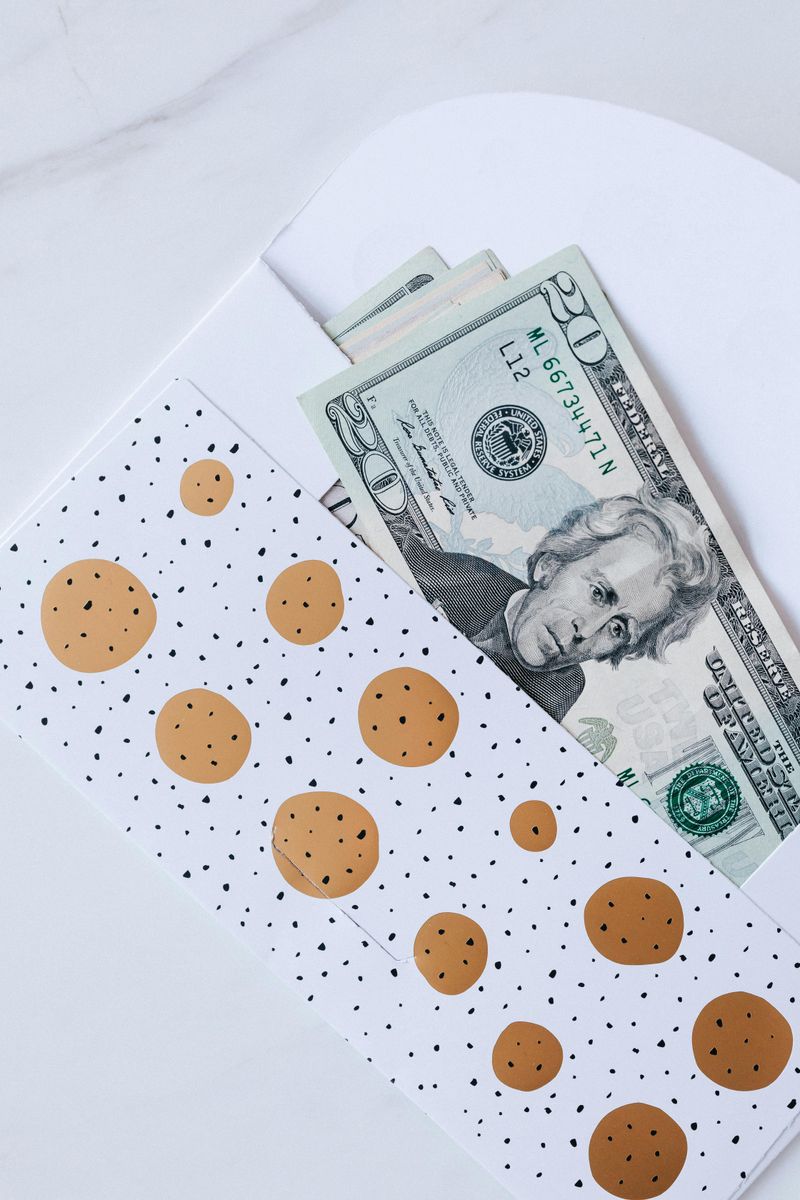
Calling it “fun money” is a good start, but giving it a name that feels personal can change how you use it.
When you label it something like “Joy Fund” or “Weekend Wallet,” it stops feeling like a loophole and starts feeling like a plan you chose on purpose.
That subtle shift matters because guilt is one of the biggest reasons people blow budgets; the moment you feel bad about spending, you either restrict too hard or rebel and overspend.
A guilt-free category helps you spend with confidence, then move on without replaying the purchase in your head.
To make it work, write a quick statement for yourself, like “This money exists so I can enjoy life while still meeting my goals.” When the spending is intentional, it’s far easier to stick to.
2. Pick a number that won’t blow up your essentials.

A fun money budget only works if it doesn’t quietly sabotage your rent, groceries, or savings goals.
The easiest way to choose a realistic amount is to start from the non-negotiables and work backward, rather than guessing what sounds nice.
After essentials and minimum savings are covered, pick a number that feels sustainable even in a slightly expensive month.
Starting smaller than you think you “should” can actually help, because consistency builds trust with yourself.
If you give yourself too much too soon, you might spend freely and then feel panicky later, which creates the same emotional cycle you’re trying to break.
Consider using a percentage of your take-home pay if that’s easier, but keep it flexible.
A fun money budget should feel like a safety rail, not a trap.
3. Separate it from your main checking account.
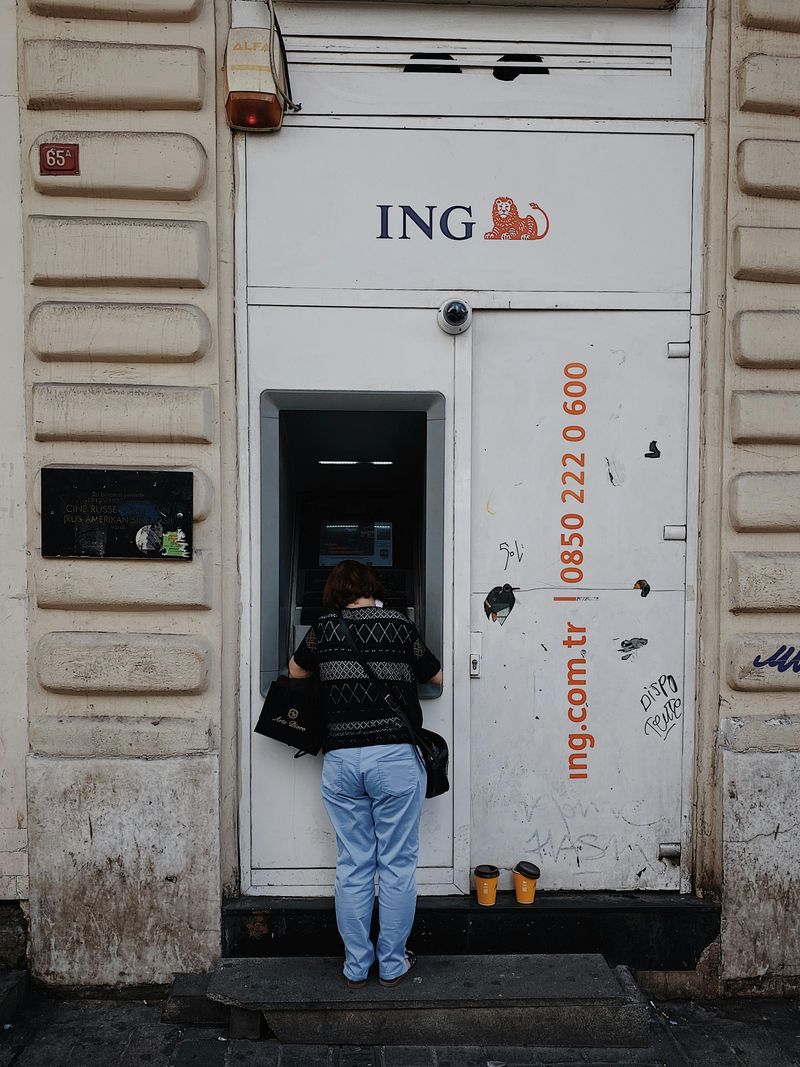
Keeping fun money in the same account as bills and groceries makes it way too easy to “accidentally” overspend, especially when you’re tired, stressed, or scrolling online.
A separate container creates a clear boundary between what you need and what you want, which reduces daily decision fatigue.
You can do this in a few simple ways: a cash envelope, a second debit card, or a dedicated bank sub-account labeled specifically for fun spending.
The method matters less than the visibility, because seeing the balance instantly helps you stop before you go over.
This separation also prevents the frustrating situation where you look at your checking account and think you have plenty, only to realize later that money was meant for a bill.
When fun money has its own lane, your budget becomes easier to follow without constant self-control.
4. Set a simple refill schedule (weekly beats monthly for most people).
A monthly fun money allowance sounds neat on paper, but it can fail fast in real life because one spontaneous weekend can wipe it out.
Weekly refills tend to work better because they make the budget feel manageable and reduce the pressure to stretch one lump sum for thirty days.
When you know more is coming soon, you’re less likely to panic-spend or feel deprived, and you’re also less likely to “borrow” from categories that should stay protected.
If your pay schedule is weekly or biweekly, matching your fun money refill to payday can make it feel automatic.
To make it even simpler, decide the exact day it refreshes and treat it like a rule you don’t debate.
Over time, the rhythm becomes predictable, and predictability is what makes a plan stick.
Consistency is more powerful than perfection.
5. Decide what counts as “fun” (so you don’t argue with yourself).

One of the fastest ways to break a budget is to leave categories vague, because vagueness creates constant inner negotiation.
If you haven’t clearly defined what fun money covers, you’ll start justifying everything as “fun,” including things that should live somewhere else.
A quick definition prevents that mental tug-of-war and keeps your spending aligned with what you actually want.
Think in terms of rules that are easy to remember: treats, hobbies, entertainment, small splurges, and convenience spending can count, while essentials like household basics, gas, and regular groceries do not.
If certain gray areas trip you up, decide them ahead of time, like whether restaurant meals are fun or whether they belong in a separate dining category.
The goal isn’t to be strict for the sake of it; it’s to remove the exhausting decision-making that leads to slipping.
6. Use the “pause list” for impulse buys.

Impulse spending often isn’t about the item itself; it’s about the feeling you want in the moment, like comfort, novelty, or a quick dopamine hit.
A pause list helps you create space between the urge and the purchase without forcing you to say “no” forever.
When something tempts you, add it to a note on your phone along with the price and where you saw it.
Then set a rule that you can only buy it after a short waiting period, like 48 hours, or on your next fun money refill.
This works because many impulse wants fade quickly, and the ones that remain are more likely to be genuine priorities.
If you still want it later, you can purchase it with confidence from your fun category instead of treating it like a budget-breaking mistake.
It’s a gentle system that supports better choices.
7. Build in “mini-wins” so you don’t feel deprived.

Budgets collapse when they feel like punishment, and deprivation is usually the trigger that leads to a spending blowout.
The solution is to plan small joys on purpose, so you don’t spend your days white-knuckling through every temptation.
A mini-win can be inexpensive and still feel satisfying, especially when it’s something you genuinely look forward to.
Maybe it’s a coffee shop run once a week, a new library book plus a pastry, a movie night at home with your favorite snack, or a small thrift-store budget.
The key is making it predictable and chosen, not random and reactive.
When you know a treat is already built into your plan, you’re less likely to chase ten little purchases throughout the week.
Mini-wins keep your budget emotionally sustainable, which is what actually makes it last.
8. Create a “big fun” category for larger treats.

Small treats are great, but bigger experiences are often what people overspend on, especially when they feel like a rare opportunity or a “you only live once” moment.
A big fun category gives you a way to plan for those purchases without stealing from savings or creating credit card regret later.
This can be as simple as deciding that a portion of your fun money rolls over every week into a separate pot, even if it’s only a few dollars.
Over time, the balance grows, and the purchase becomes something you can afford with intention rather than impulse.
Concert tickets, weekend trips, spa days, and special dinners feel better when they’re paid for with money you planned to spend.
This system also prevents the all-or-nothing mindset where you either never treat yourself or you splurge so hard you undo weeks of progress.
Big fun planning keeps your lifestyle realistic and your goals intact.
9. Set a “when it’s gone, it’s gone” boundary—then make it easy to follow.

The boundary only works if it’s simple enough to follow when you’re not in the mood to think.
Treating fun money like a hard limit means you don’t borrow from groceries, skip a bill, or “fix it later” with your next paycheck.
That sounds strict, but it’s actually freeing because it removes the endless internal debate that turns small purchases into stress.
The easiest way to make the boundary doable is to create a backup list of free or low-cost fun options for the times you run out.
That could include a walk with a podcast, a movie night using what you have, a library visit, a free local event, or a DIY spa night at home.
Having alternatives helps you keep your promise to yourself without feeling like you’re missing out.
Over time, you’ll trust your own rules more, which is what keeps your budget stable.
10. Do a 5-minute monthly reset (not a full budget overhaul).

A fun money budget should evolve with your life, because what feels realistic in one month might feel tight or overly generous in the next.
A quick monthly reset gives you the benefits of reflection without turning budgeting into a stressful project.
Instead of tracking every detail, ask a few focused questions: Did I run out too fast, and if so, why?
Did I feel deprived, or did I feel comfortable?
Did I use fun money on things I actually enjoyed, or did it disappear on random convenience spending?
Use those answers to make one small adjustment, such as changing your refill timing, redefining what counts as fun, or slightly increasing or decreasing the amount.
Tiny changes work better than dramatic ones because they’re easier to stick with and less likely to trigger a rebound.
When the system is flexible, it becomes something you can live with long-term.
Comments
Loading…