
 Harper Hall
Modern life is built to feel effortless, and that effortless feeling often comes with a price tag you barely notice.
Convenience fees are especially sneaky because they show up as “small” add-ons that seem harmless in the moment.
Over a month, those little charges can quietly eat the money you meant to put toward groceries, savings, or a fun weekend plan.
The frustrating part is that many of these fees aren’t unavoidable, even when companies present them as the standard way to pay.
Once you know where they hide and how they stack, you can make a few simple switches that keep more cash in your pocket.
Here are nine common convenience fees that drain budgets fast, plus practical ways to sidestep them without making life harder.
1. Delivery-app fees (service fee + delivery fee + “small order” fee + tip)

Ordering dinner feels like a harmless treat until the total creeps upward with charges you didn’t mentally budget for.
Most apps layer a service fee and a delivery fee, and then add a small-order fee when you don’t hit a minimum spend.
You might also see extra charges for “priority” drop-offs or longer-distance deliveries that make a simple meal surprisingly expensive.
Even when tips are deserved, the fee stack can turn a $20 order into $35 before you realize what happened.
The easiest fix is to treat delivery like a planned category, not a spontaneous impulse, so you limit it to specific days.
Picking up directly, ordering from the restaurant’s own site, or cooking one “emergency” freezer meal can shrink these costs quickly.
2. Concert/sports “ticketing” fees

Buying tickets online is supposed to be straightforward, yet the checkout screen often tells a different story than the advertised price.
Ticket sellers commonly tack on convenience charges, processing costs, facility fees, and sometimes even separate delivery or “print at home” fees.
Those add-ons can add a big percentage to each ticket, which hits hardest when you’re purchasing multiple seats at once.
Resale platforms can be even worse, because both the buyer and the seller may be charged for the same transaction.
A practical way to reduce the sting is to compare sellers, check the venue box office, and look for all-in pricing options.
If you can wait, monitoring price drops closer to the event or choosing less in-demand dates can also lower the total.
3. “Pay online” bill fees (rent, utilities, property taxes, tuition)

Paying bills through a portal feels responsible and organized, but the convenience can come with a quiet surcharge.
Some landlords, utilities, schools, and local agencies charge a flat fee or a percentage when you pay with a credit card.
That percentage matters, because a 2.5% fee on rent can be more than a streaming subscription you’d normally scrutinize.
The charge is easy to accept because it’s framed as the default digital option, even when cheaper methods still exist.
Switching to ACH transfers, bank bill pay, or a mailed check can remove the fee while keeping payments consistent and on time.
If you use a card for rewards, run the numbers honestly, because the fee often wipes out the points value completely.
4. ATM fees (out-of-network + operator fee)
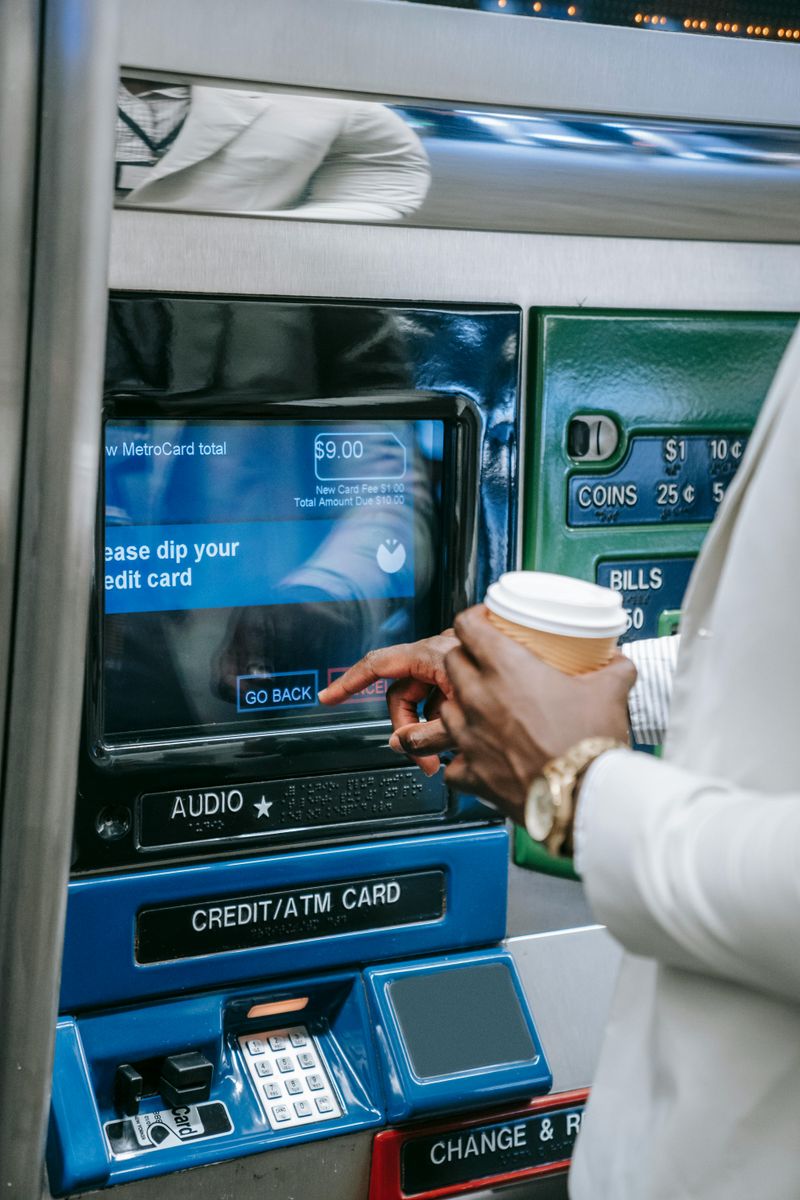
Grabbing cash quickly can trigger a double hit that’s easy to dismiss because it happens in a matter of seconds.
Your bank may charge an out-of-network fee, and then the ATM owner can add an operator surcharge on top of it.
Small withdrawals are the worst deal, since a $4 total fee on $40 cash is essentially a 10% “convenience tax.”
The habit can become expensive if you regularly pull cash for errands, tipping, or weekend spending without a plan.
Using your bank’s ATM locator, withdrawing larger amounts less often, or getting cash back at a grocery store can cut the damage.
Some accounts also reimburse fees, so checking your bank’s policies could save you money with zero extra effort.
5. Ride-share add-ons (booking fee + “marketplace” fee + surge/prime time + wait time)
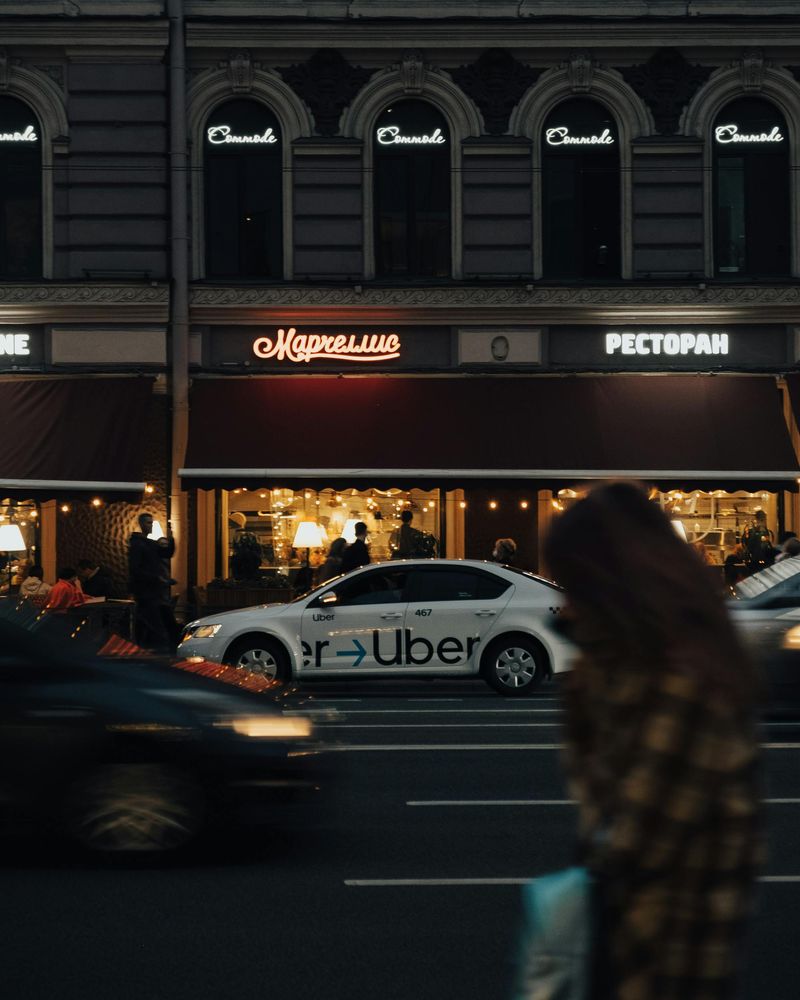
Catching a ride with a tap feels effortless, but the final price often includes more than the mileage and time.
Ride-share companies may add booking fees or marketplace fees, and those charges can stay high even on short trips.
Surge pricing during busy periods can multiply costs fast, and wait-time fees can creep in when pickup takes longer than expected.
The result is a trip that looks affordable at first glance but becomes pricey once the breakdown appears on your receipt.
To keep control, compare apps, walk a block away from crowded hotspots, or wait ten minutes when surge pricing is peaking.
Public transit, carpooling, or scheduling rides ahead when possible can also reduce how often convenience pricing catches you off guard.
6. “Convenience” fees for paying by phone or with a live agent

Getting a real person to process a payment can feel reassuring, yet that reassurance is sometimes sold as an extra-cost option.
Medical offices, utility providers, and ticket vendors may charge a special fee for phone payments or agent-assisted transactions.
These charges add up because they often appear during stressful moments, like when you’re dealing with a bill you just want off your plate.
The fee can also be framed as “faster” or “simpler,” even though the company is shifting labor costs onto you.
Whenever possible, ask if there’s a no-fee method like online ACH, mailed payment, or an in-person option at a partner location.
If you must use an agent, requesting a one-time waiver politely can work, especially if you’ve been a long-term customer.
7. Hotel/resort/amenity fees

A room rate can look like a bargain until checkout reveals a nightly charge that was never part of your mental math.
Resort and destination fees often bundle perks like Wi-Fi, gym access, or pool services, even if you won’t use them.
Because the fee is usually charged per night, a longer stay can inflate your total by far more than you expected.
These charges feel unavoidable in the moment, which is exactly why they can quietly strain a travel budget.
Before booking, search for “total price” views and read the fine print so you can compare properties on the real all-in cost.
If you spot the fee after arrival, asking about waivers for unused amenities or loyalty-status benefits can sometimes reduce the bill.
8. Airline fees disguised as convenience (seat selection, carry-on, early boarding, same-day changes)

Flying cheaply often depends on resisting the add-ons that are designed to feel “necessary” the moment you book.
Airlines may charge for seat selection, overhead carry-ons, early boarding, and same-day changes, which can stack into a major upgrade.
A fare that looked affordable can suddenly rival the price of a more flexible ticket once you pay to avoid discomfort or hassle.
Families feel this pressure more, because sitting together or bringing standard luggage can trigger multiple fees at once.
You can reduce the damage by packing strategically, choosing airlines with clearer baggage policies, and comparing the cost of a bundled fare.
A travel rewards card or elite status can also erase some fees, but only if you truly fly often enough to justify it.
9. Bank “convenience” charges (instant transfer fees, expedited checks, wire fees)

Moving your own money quickly has become a modern upsell, and the small charge can look harmless until it repeats.
Banks and payment apps may charge for instant transfers, faster deposit access, expedited checks, or outgoing wire transfers.
These fees tend to hit when you’re trying to solve an urgent problem, which makes you more likely to accept them without thinking.
If you rely on instant transfers to cover timing gaps, the real issue may be cash-flow planning rather than speed.
Using free ACH transfers, scheduling payments a few days earlier, and keeping a small buffer in checking can reduce the need for “instant.”
When a wire is necessary, comparing fees across banks and asking your recipient about alternatives can keep the cost from spiraling.
Comments
Loading…