
 Mary Murphy
Most of us know when we’re overspending, but it’s harder to spot when we’re paying for the same thing in two different ways.
This usually happens when convenience, forgetfulness, and “just in case” decisions pile up quietly over time.
You sign up for coverage you already have, you keep subscriptions you don’t use, or you pay fees that force you into even more fees.
The result is a budget leak that feels like normal life until you actually track where the money is going.
The good news is that these double-charges are often the easiest expenses to fix once you notice the pattern.
Below are seven common ways people accidentally pay twice, plus simple ways to stop the repeat spending without feeling deprived.
1. Streaming services you don’t actually use

It’s surprisingly easy to keep paying for entertainment you’ve stopped watching because subscriptions renew quietly in the background.
You might rotate between platforms for one specific show, but forget to cancel the service after the finale ends.
On top of that, many people pay for two or three services “for variety,” even though they default to the same comfort content every night.
The second hit happens when you rent or buy movies on another platform because it’s not included where you’re subscribed.
A quick fix is to pick one or two services for the month, cancel the rest, and set a reminder to reassess when new seasons drop.
Checking your bank statements for recurring charges can reveal forgotten trials and “legacy” subscriptions you haven’t used in months.
2. Gym memberships (plus paid workouts/apps)

A monthly membership can feel like a healthy habit, but it becomes expensive when your lifestyle doesn’t match the plan you’re funding.
Many people join with great intentions, then start skipping because of commute time, childcare, or unpredictable work schedules.
The double payment shows up when you also buy workout apps, class packs, or home gear to make exercising easier at home.
At that point, you’re paying for access you rarely use and paying again for the routine you actually follow.
A smarter approach is to choose the option you’ll realistically do, even if it looks less “ideal” on paper.
If the gym is truly motivating, cancel the apps, and if home workouts are your reality, downgrade to a cheaper plan or cancel entirely.
3. Delivery fees + higher menu prices

Convenience costs more than most people realize because food delivery often charges you twice before the first bite.
You pay service fees, delivery fees, and a tip, which already makes the order noticeably pricier than cooking at home.
Then there’s the hidden mark-up, because many menus cost more on delivery apps than they do when you order directly or eat in person.
That means your meal is more expensive even before the extra charges appear at checkout.
If delivery is occasional, set a monthly limit and treat it like entertainment rather than a default dinner plan.
When you do order, compare app pricing with the restaurant’s own website, and consider pickup to avoid stacked fees and inflated totals.
4. Bank fees and overdrafts (and then “rush fixes”)
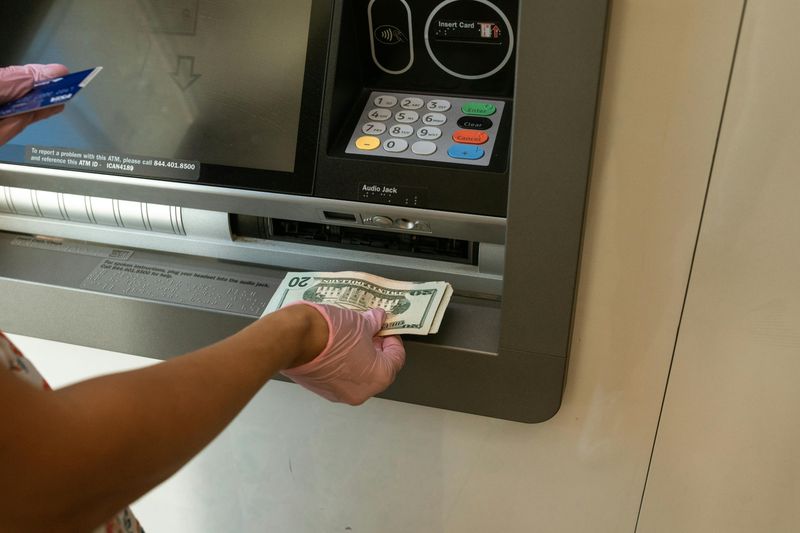
Financial penalties can snowball fast because one small misstep can trigger multiple charges in a single week.
An overdraft, a monthly maintenance fee, or an out-of-network ATM fee might be the first thing you notice.
The second payment often follows immediately when you pay late fees, rack up interest, or use instant transfers that charge you to “fix it now.”
This cycle feels like bad luck, but it’s frequently caused by timing issues, low cushions, or autopay dates that don’t match payday.
A practical fix is to set low-balance alerts and keep a small buffer, even if it’s only $50 at first.
If you’re frequently hit with fees, ask your bank about fee waivers, switch to a no-fee account, or change bill due dates to reduce stress.
5. Extended warranties on things already covered
Protection plans sound responsible, but they often duplicate coverage you already have in ways that don’t become obvious until you need help.
Many products include a manufacturer warranty by default, even if it’s not heavily advertised at the register.
On top of that, some credit cards add purchase protection or extended warranty benefits that you’re already paying for through annual fees.
The second payment happens when you buy a store warranty anyway because it feels safer in the moment.
Before you add coverage, take a minute to check the manufacturer warranty length and glance at your credit card benefits page.
If you want extra peace of mind, consider reserving a small “repair fund” instead, since many protection plans have exclusions, deductibles, or claim hurdles.
6. Brand-name prescriptions or OTC meds

Medication spending can double quickly because marketing and habit often push people toward the pricier option first.
Name-brand products typically cost more even when the generic version has the same active ingredient and dosage.
The second payment shows up when the first choice doesn’t feel effective and you buy another remedy that’s basically the same thing in different packaging.
This happens a lot with pain relievers, allergy meds, heartburn medicine, and cold products that overlap heavily.
A simple strategy is to compare active ingredients rather than brand promises, especially for common over-the-counter purchases.
If you’re unsure, a pharmacist can tell you which generics match a brand and help you avoid stacking duplicates that don’t add extra benefit.
7. Food waste + “emergency” grocery runs
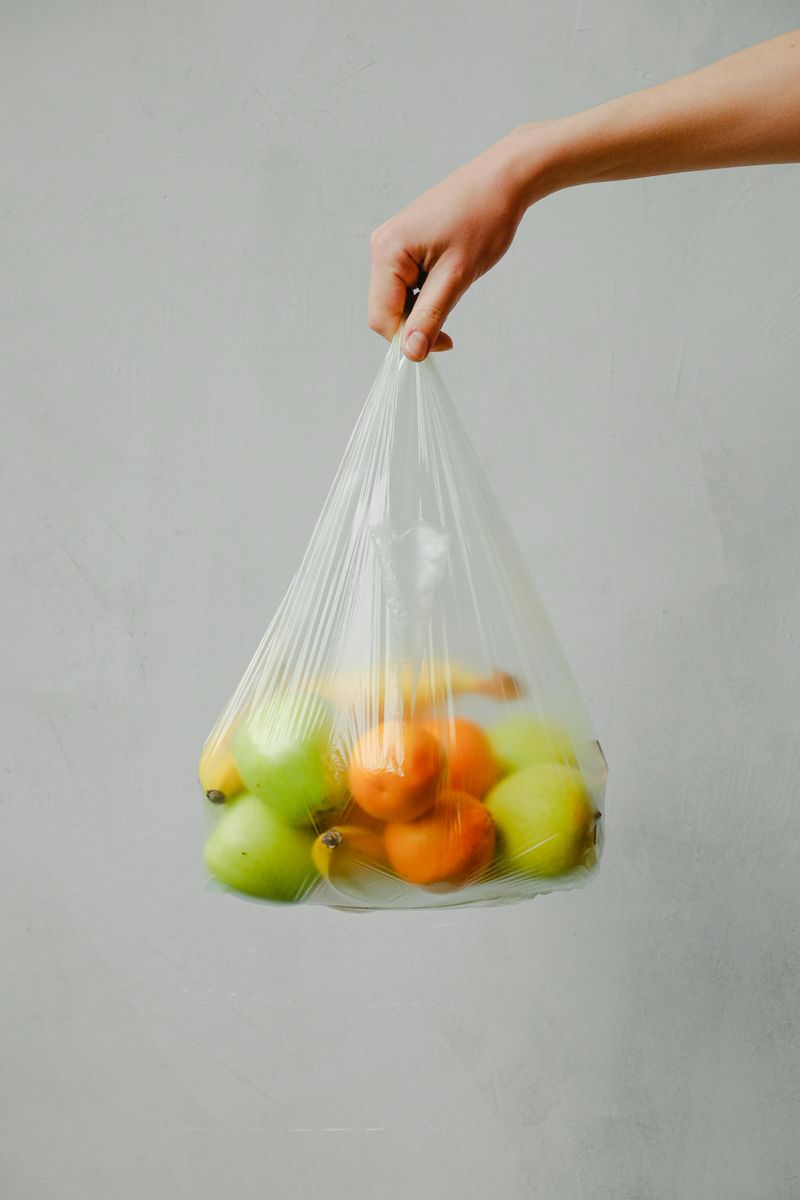
Grocery budgets get hit twice when the food you planned to eat quietly expires and you end up replacing it at the last minute.
You pay once when you buy optimistic produce, extra ingredients for “new recipes,” or bulk items you don’t realistically finish.
You pay again when you toss spoiled food and grab takeout or run back to the store because dinner plans fell apart.
This kind of double spending is especially common when weeks get busy and the fridge becomes a rotating storage unit.
A good fix is to plan meals around what you already have, then shop for only the missing pieces instead of starting from scratch.
Keeping a “use first” shelf in the fridge and doing one quick midweek inventory can prevent waste and reduce those expensive emergency trips.
Comments
Loading…