
 Mary Murphy
13 Behaviors That Make Men Look Like They’re Broke
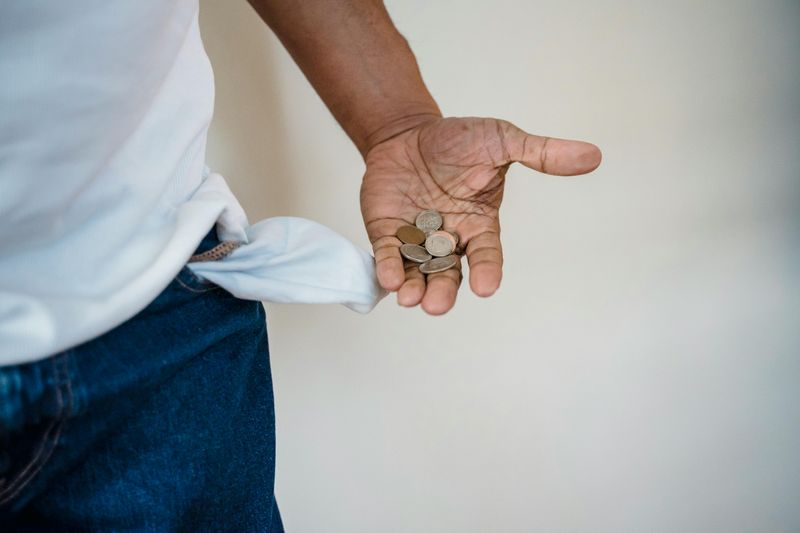
Nobody expects a man to throw money around just to prove he has it, and being careful with spending is often a green flag.
The problem is that “responsible” can quickly start looking like “stingy,” especially when his choices create awkward moments for everyone else.
A lot of the habits that read as cheap aren’t really about the price tag at all; they’re about attitude, effort, and how he treats people when money is involved.
When he nitpicks small costs, avoids basic generosity, or constantly makes situations feel transactional, it can give off broke energy even if his bank account says otherwise.
If you’ve ever watched someone drain the fun out of a simple outing by obsessing over every dollar, you already know the vibe.
Here are 13 habits that quietly make men look cheap and broke, and what those behaviors communicate to the people around them.
1. Arguing over a few dollars

Turning minor costs into a courtroom debate makes everything feel tense and unnecessarily dramatic.
When a man disputes a small restaurant add-on, grills a cashier over a couple of dollars, or demands a manager for a tiny mistake, people don’t think, “Wow, he’s financially savvy.”
They think he’s either struggling to afford basic life or he enjoys flexing control in public.
Either way, it’s an uncomfortable look, because the emotional energy doesn’t match the amount of money on the line.
Even if he’s technically right, the scene creates a cheap impression that lingers longer than the “win.”
If he wants to be taken seriously, he’ll pick his battles carefully and save his intensity for issues that actually matter.
2. Never tipping (or tipping like it’s optional)

Stiffing service workers doesn’t come across as “principled,” it comes across as stingy and out of touch.
A man can claim the system is flawed, but if he’s still choosing to eat out, get coffee, take rideshares, or sit through a haircut, refusing to tip puts the burden of that protest on the lowest-paid person in the room.
People notice, and they tend to read it as either broke behavior or a lack of respect for others.
The awkwardness gets even worse when he makes a show of leaving a tiny tip, as if generosity is something he’s being forced into.
If he truly can’t afford tipping, the better move is choosing cheaper options and treating people with kindness instead of excuses.
3. Always “forgetting” his wallet
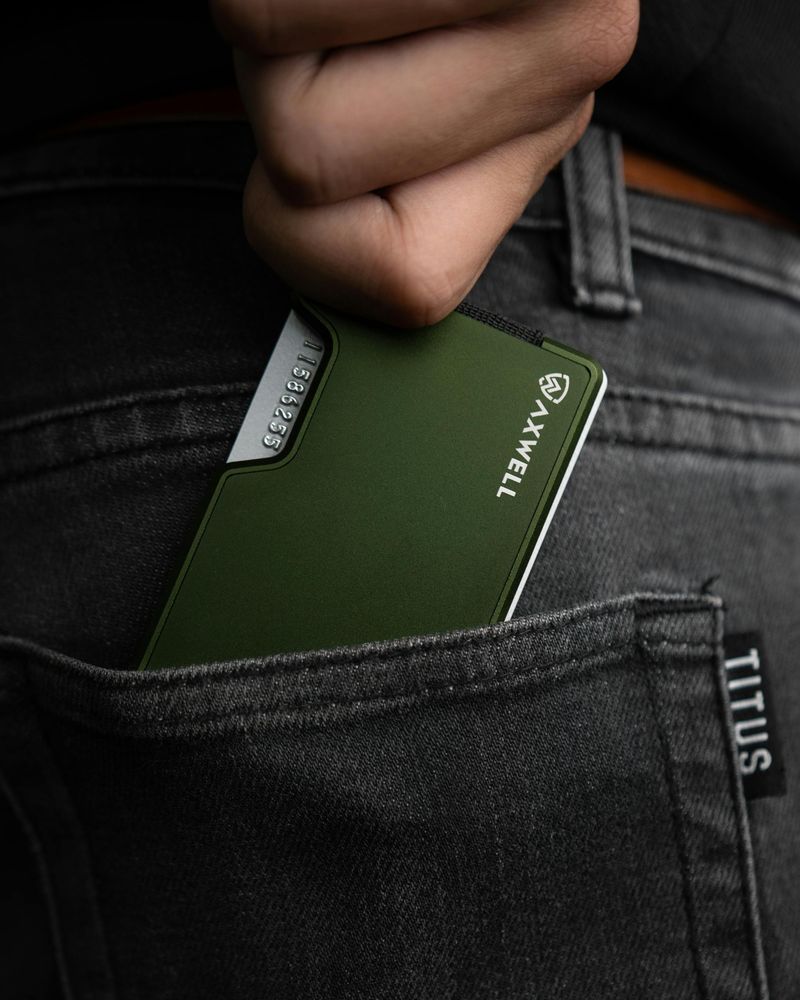
When a man repeatedly shows up unprepared to pay, it stops looking like an accident and starts looking like a strategy.
The first time, most people will shrug and assume it was a genuine mistake, especially if he’s apologetic and makes it right quickly.
After that, it becomes a pattern that silently trains everyone around him to cover his costs.
Even if he later Venmos, the social damage is already done, because it signals that he expects others to carry the responsibility while he plays innocent.
Over time, people start anticipating the “oops” and feel tense before the bill even arrives.
A man who wants to seem reliable will plan ahead, bring what he needs, and make paying his share effortless rather than complicated.
4. Insisting on splitting everything down to the cent

Breaking out the calculator for tiny differences can make someone look more petty than practical.
Plenty of adults split bills, especially with friends, but there’s a difference between being fair and being obsessive.
When he sends a Venmo request for $2.63 or starts itemizing who ate three fries versus two, it turns a normal moment into a financial audit.
That kind of precision might feel “accurate,” but it also communicates scarcity, distrust, and a lack of social awareness.
People don’t walk away thinking he’s smart; they walk away feeling like spending time with him comes with a receipt and a spreadsheet.
If he wants to keep things clean, he can rotate who pays, split evenly, or agree on a simple system that doesn’t make everyone feel nickel-and-dimed.
5. Picking the cheapest option—then complaining about it

Choosing budget-friendly options is completely fine until he makes it everyone else’s problem.
When a man insists on the cheapest meal, the cheapest seats, or the cheapest hotel and then spends the whole time complaining, it signals that he’s either uncomfortable spending money or trying to control the situation through guilt.
The irony is that the complaining is what makes it look cheap, not the lower-cost choice itself.
People can respect a budget, but they don’t enjoy feeling like they’re trapped in someone else’s money anxiety.
If he genuinely wants to save, he should own it confidently and pick options that still allow him to show up with a good attitude.
A calm, content “I’m keeping it simple tonight” reads mature, while constant grumbling reads broke.
6. Wearing worn-out basics like he’s given up

Looking put-together doesn’t require designer labels, but it does require basic maintenance.
When a man wears faded shirts with stretched collars, shoes that are clearly falling apart, or pants that never seem to fit correctly, people don’t assume he’s “minimalist.”
They assume he’s neglectful, disorganized, or unwilling to invest in himself even in small ways.
It creates a cheap impression because it suggests he either can’t replace essentials or doesn’t care how he shows up in the world.
A simple upgrade like clean sneakers, a well-fitting jacket, or shirts that aren’t visibly worn can completely change how he’s perceived.
The point isn’t to be flashy; it’s to look like he has enough stability and self-respect to handle the basics.
Effort reads confident, while neglect reads broke.
7. Being weirdly obsessed with “deals” in every conversation

Saving money is smart, but turning every interaction into a deal report can make a man sound financially stressed.
When he constantly announces what he “got for a steal,” criticizes others for paying full price, or brings every conversation back to discounts, it creates a vibe of scarcity and fixation.
People start feeling like he’s competing with them instead of connecting, and it can make social situations feel transactional rather than enjoyable.
The habit becomes even more grating when he uses “I would never pay that” as a subtle way to shame friends or dates.
A healthier approach is balancing money talk with normal conversation and remembering that value isn’t just about the cheapest option.
Sometimes paying a bit more for convenience, quality, or shared enjoyment reads far more confident than bragging about saving $4.
8. Using “I’m just being practical” to justify stinginess

Hiding behind logic is a common way cheap behavior tries to sound respectable.
When a man labels every refusal as “practical,” but the result is always that he never contributes, never treats, and never shows generosity, people eventually stop buying the explanation.
Practicality should still leave room for reciprocity, because relationships and friendships are built on give-and-take, not perfect financial efficiency.
The issue isn’t that he thinks before spending; it’s that his “principles” conveniently protect his wallet and cost other people comfort, time, or effort.
Over time, this habit creates a reputation that’s hard to shake, because it makes him seem calculated rather than thoughtful.
If he truly values practicality, he’ll communicate budgets clearly, offer non-money contributions, and show he cares in ways that aren’t just verbal.
9. Skipping grooming to save money

Cutting corners on basic grooming rarely reads as frugal; it usually reads as careless.
When a man lets haircuts go too long, wears untrimmed facial hair in a way that looks unintentional, or treats skincare and hygiene like optional luxuries, people don’t assume he’s making a smart financial choice.
They assume he’s either struggling or uninterested in showing effort.
The truth is that grooming doesn’t have to be expensive, because small habits like clean nails, fresh breath, neat hair, and well-kept clothing create a polished impression without a big budget.
What looks cheap is the attitude of “why bother,” especially when he expects others to enjoy his company while he shows up low-effort.
If he wants to look stable and confident, he should invest in consistency, not extravagance, because maintenance is what signals self-respect.
10. Trying to impress with fake luxury

Overcompensating with flashy branding can backfire fast, especially when it doesn’t match reality.
When a man leans on knockoff logos, exaggerated name-dropping, or performative “luxury” talk, it often reads like insecurity rather than success.
People can sense when someone is trying too hard to prove something, and the result is usually the opposite of what he wants: instead of looking wealthy, he looks desperate for validation.
The cheapness isn’t only in the fake item; it’s in the need to signal status at all costs.
Genuine confidence tends to be quieter, focusing on fit, cleanliness, and tasteful choices rather than obvious labels.
If he wants to make a strong impression, he’ll choose quality where it matters, avoid trying to “sell” an image, and let his character and consistency do the talking.
11. Making other people cover his share

Consistently benefiting from other people’s generosity without returning it creates a reputation faster than he realizes.
When a man regularly “forgets” to pay, stalls when the check arrives, or stays quiet while someone else picks up the tab, it feels like he’s relying on social pressure to protect him.
Even if nobody calls him out, they remember, and they start adjusting by inviting him less or keeping plans smaller.
It’s not about expecting him to pay for everything; it’s about expecting him to handle his part without awkwardness.
A simple, confident “I’ve got my share” signals stability, while hesitation signals struggle or entitlement.
If money is tight, he can still contribute by being upfront, choosing affordable plans, or offering to cover something small in return.
Reciprocity is what keeps him from looking cheap.
12. Being cheap with celebrations

Showing up for birthdays, anniversaries, and milestones doesn’t require a huge budget, but it does require intention.
When a man does nothing, gives last-minute low-effort gifts, or acts annoyed that an occasion “expects” anything from him, it can feel like he’s emotionally and financially withholding.
People don’t remember the price tag as much as they remember the thought, especially when the moment mattered.
A cheap impression forms when he uses excuses like “I’m not into that stuff” but still expects appreciation, attention, or affection in return.
The fix is simple: meaningful gestures, planning, and effort go a long way, even if the gift is inexpensive.
If he’s thoughtful—writing a real card, planning a simple date, remembering details—he looks generous and mature.
If he treats milestones like inconveniences, he looks broke in spirit and in wallet.
13. Always choosing convenience over quality—then replacing things constantly

The cycle of “buy cheap, replace often” doesn’t make someone look financially smart; it makes them look like they can’t plan.
When a man repeatedly purchases the lowest-quality option, watches it break quickly, and then complains about having to buy it again, it communicates short-term thinking and a lack of stability.
People tend to associate that pattern with being broke, because it suggests he’s stuck reacting instead of investing wisely.
It also shows up in little daily things, like flimsy headphones, worn-out phone chargers, or shoes that never last a season.
Spending slightly more for something durable can actually be cheaper long-term, and it also reads more confident.
The habit that looks “rich” isn’t overspending; it’s choosing quality thoughtfully and not creating constant drama around predictable replacements.
Consistency signals control, while the replacement loop signals chaos.
Comments
Loading…