
 Mila Ross
12 Tiny Money Decisions That Quietly Change a Woman’s Life Over 10 Years

Most life-changing financial shifts do not happen through dramatic windfalls or sudden promotions.
They happen quietly, through small decisions that barely register in the moment but compound steadily over years.
For many women, money choices are shaped by habits, confidence, and emotional comfort rather than strict math.
What feels insignificant today can become the difference between long-term security and constant financial stress.
These decisions rarely feel urgent, which is why they are often postponed or dismissed.
Yet a decade later, they quietly determine how much freedom, flexibility, and peace a woman has.
The following tiny money decisions may not feel powerful when they are made.
But over ten years, they reshape daily life, self-trust, and financial independence in ways that are hard to ignore.
1. Setting up automatic transfers to savings—even if it’s just $25

Automatically transferring money to savings removes emotion from the decision-making process.
When saving requires manual effort, it becomes easy to delay it until next month.
A small automatic transfer builds consistency without demanding sacrifice or constant attention.
Even $25 adds up when it is treated as a non-negotiable habit rather than leftover money.
Over time, this practice changes how a woman sees herself financially.
She begins to identify as someone who saves, not someone who hopes to someday.
That identity shift often leads to better financial choices in other areas.
Ten years later, the balance itself matters, but the confidence gained matters even more.
2. Choosing a slightly cheaper apartment instead of stretching the budget

Housing decisions quietly shape nearly every other financial choice.
Stretching a budget for a nicer apartment often creates constant low-level stress.
A slightly cheaper place provides breathing room that affects daily decisions.
Extra margin makes emergencies less frightening and savings more realistic.
This choice also reduces the pressure to chase higher income at any cost.
When housing is manageable, life feels less fragile during setbacks.
Over a decade, the difference in rent compounds into thousands of dollars saved.
More importantly, it allows a woman to make choices based on values rather than panic.
3. Paying credit cards in full instead of carrying “manageable” balances

Carrying small balances feels harmless because the debt never feels overwhelming.
Interest quietly siphons money away without creating immediate consequences.
Paying cards in full builds discipline and awareness around spending.
It forces purchases to be evaluated before they happen rather than justified later.
Over time, this habit strengthens financial boundaries.
A woman learns to trust her ability to delay gratification.
Ten years of avoiding interest payments keeps money working for her instead of against her.
The long-term effect is less anxiety and more control.
4. Saying no to lifestyle upgrades when income increases

Income increases often arrive with subtle pressure to upgrade everything at once.
New habits form quickly, making higher spending feel permanent.
Resisting immediate upgrades preserves the benefits of earning more.
It allows extra income to strengthen savings instead of disappearing quietly.
This decision creates flexibility instead of obligation.
Over time, it builds a sense of financial stability rather than dependence on income alone.
Ten years later, this restraint often separates financial comfort from constant overextension.
Freedom grows when income increases but expenses stay grounded.
5. Building an emergency fund before investing

Investing feels exciting because it represents growth and future success.
Emergency savings feel boring because they exist for problems that may never happen.
Skipping an emergency fund leaves investments vulnerable to being liquidated early.
Unexpected expenses then become financial emergencies instead of inconveniences.
Having cash reserves creates emotional safety as well as financial stability.
It allows investments to grow uninterrupted.
Over ten years, this foundation prevents setbacks from becoming disasters.
Confidence grows when emergencies stop derailing long-term plans.
6. Negotiating salary the first time it feels uncomfortable

Salary negotiations often feel intimidating, especially early in a career.
Avoiding them feels easier than risking discomfort or rejection.
Even small raises compound significantly over time.
Each increase builds on the last rather than resetting.
Negotiation also changes how a woman values her own work.
Confidence gained in one conversation carries into future opportunities.
Over ten years, this decision affects retirement contributions, savings, and security.
The initial discomfort fades, but the financial impact remains.
7. Cooking at home a few extra nights each week

Eating out feels convenient and harmless when it becomes routine.
Small expenses add up quickly when they happen daily.
Cooking at home more often reduces spending without feeling like deprivation.
It also creates awareness of how money flows out.
This habit encourages planning instead of impulse spending.
Over time, savings appear without dramatic sacrifices.
Ten years later, the difference can equal a significant financial cushion.
The habit also builds self-sufficiency and intentional living.
8. Avoiding impulse purchases by waiting 24 hours

Impulse purchases often feel justified in the moment.
Waiting 24 hours introduces space between desire and action.
Many wants fade when urgency disappears.
This pause strengthens financial self-control over time.
Money stays available for priorities instead of fleeting satisfaction.
The habit reduces clutter and regret.
Over ten years, avoided impulse spending quietly adds up.
The result is more intentional ownership and less financial noise.
9. Keeping a paid-off car longer than socially expected

Car payments normalize long-term financial obligations.
Replacing a working car often feels justified by comfort or image.
Keeping a paid-off car frees up monthly cash flow.
That money can support savings, investments, or peace of mind.
Over time, resisting upgrade pressure builds financial resilience.
Ten years of avoided payments create significant flexibility.
The car becomes transportation, not a financial anchor.
Freedom increases when status stops driving decisions.
10. Tracking spending regularly instead of guessing
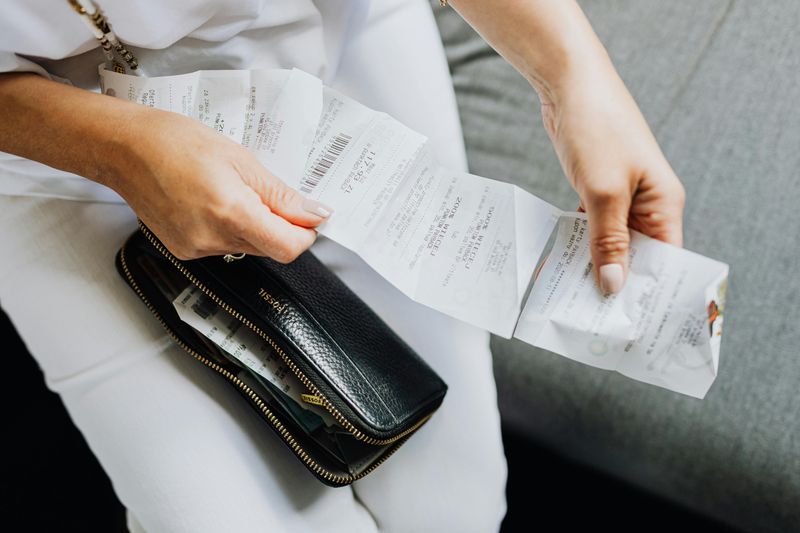
Guessing where money goes creates blind spots.
Tracking spending brings clarity without judgment.
Awareness alone often leads to better choices.
Small leaks become visible before they cause damage.
This habit builds honesty around financial behavior.
Over time, confidence grows because surprises decrease.
Ten years of tracking creates alignment between values and spending.
Control replaces anxiety when money is understood.
11. Investing early, even with small amounts

Waiting for the perfect moment delays growth.
Small investments benefit from time more than size.
Early investing builds momentum and familiarity.
It reduces fear through exposure and experience.
Over time, compound growth becomes powerful.
Confidence grows alongside the portfolio.
Ten years later, consistency matters more than initial contribution size.
Starting early creates options later.
12. Learning basic financial literacy instead of outsourcing every decision

Outsourcing financial decisions feels easier and less stressful.
Lack of understanding creates dependence and vulnerability.
Learning basics empowers better questions and choices.
Confidence grows when numbers stop feeling intimidating.
This knowledge protects against costly mistakes.
Over time, decisions become proactive instead of reactive.
Ten years later, financial literacy translates into independence.
Control replaces confusion when understanding becomes the foundation.
Comments
Loading…