
 Isabel Parker
11 Things You’ll Regret Spending Money on in 10 Years

We all make purchases we think we’ll love forever, only to look back years later and wonder what we were thinking. Money has a sneaky way of slipping through our fingers on things that seem amazing in the moment but end up collecting dust or draining our bank accounts long-term.
Making smarter financial choices now can save you a whole lot of regret down the road. Here are 11 things people commonly spend money on that they almost always wish they hadn’t.
1. Trendy Fast Fashion Clothes

Picture opening your closet and finding mountains of clothes you barely wore, most already falling apart at the seams.
Fast fashion brands lure shoppers with rock-bottom prices and eye-catching styles that change every few weeks.
The problem?
Those bargain tops and trendy jeans usually fall apart after a handful of washes.
Spending hundreds of dollars on cheap clothing adds up shockingly fast.
A few quality pieces that actually last will always beat a mountain of throwaway items.
Ten years from now, your wallet and your wardrobe will both thank you for choosing wisely over choosing cheaply.
2. Extended Warranties on Small Electronics

Here is a fun fact most stores do not advertise: extended warranties on small electronics almost never pay off.
Retailers push these plans hard because they are incredibly profitable for the store, not for you.
Most gadgets either break within the manufacturer’s original warranty period or last well beyond the extended coverage.
Statistically, consumers rarely use these plans, and the fine print is often filled with exclusions.
Think about all the times you have paid for coverage and never filed a single claim.
That money could have gone toward a brand-new replacement device when the time actually came.
3. Lottery Tickets and Gambling
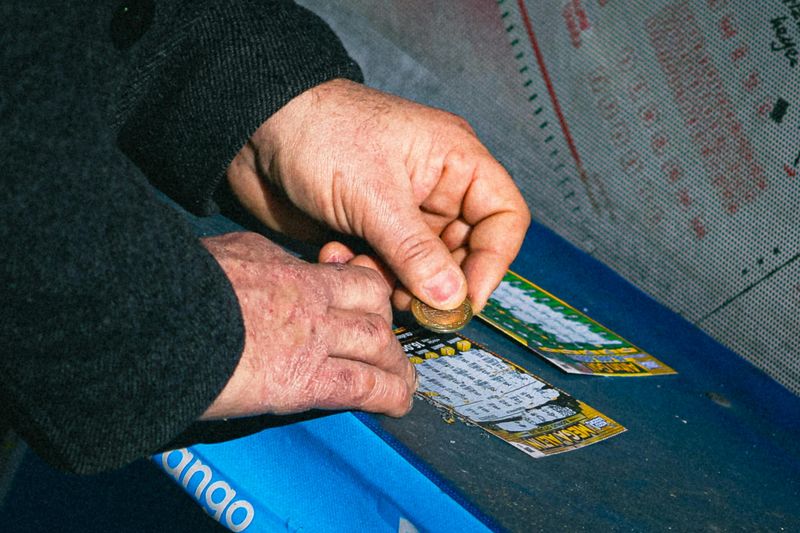
The odds of winning a major lottery jackpot are roughly one in 300 million.
Yet millions of people spend a significant chunk of their income every single week chasing that dream.
It feels exciting in the moment, almost like buying a little piece of hope.
Gambling and lottery tickets are designed to keep you coming back, not to make you rich.
Over ten years, even spending just ten dollars a week adds up to over five thousand dollars lost.
Redirecting that money into a simple savings account or low-cost investment fund could genuinely change your financial future in meaningful ways.
4. Buying a Brand-New Car You Cannot Afford
Nothing smells quite as good as a brand-new car, and nothing depreciates quite as fast either.
The moment you drive off the dealership lot, your new vehicle loses roughly 20 percent of its value.
Over the first five years, that number climbs to nearly 60 percent.
Stretching your budget to afford a flashy new car means years of heavy monthly payments, higher insurance costs, and stress that follows you everywhere.
A reliable used car with low mileage offers nearly the same experience at a fraction of the price.
Your future self will be far more impressed by a healthy savings account than a shiny hood ornament.
5. Unused Gym Memberships

January rolls around, motivation is sky-high, and suddenly a gym membership feels like the best investment imaginable.
Fast forward three months, and that membership card is buried at the bottom of your bag, completely forgotten.
Studies show that roughly 67 percent of gym memberships go almost entirely unused.
Gyms actually count on members not showing up.
They sell far more memberships than their facilities could ever physically hold.
Paying thirty to eighty dollars monthly for a place you visit twice a year is one of the sneakiest budget leaks around.
Free outdoor workouts or a single set of home dumbbells can accomplish just as much without the guilt-inducing monthly charge.
6. Impulse Buying Gadgets and Gimmicks

Late-night infomercials and social media ads have a supernatural ability to make completely unnecessary gadgets feel absolutely essential.
A pasta maker, an electric wine opener, a robotic window cleaner, a sunrise alarm clock you used twice, all of these seemed life-changing at checkout.
Impulse gadget purchases are one of the fastest ways to drain a bank account without noticing.
The excitement usually wears off within days, and the item ends up in a drawer or garage sale.
Before buying any new gadget, try waiting 48 hours.
If you still genuinely want it after that cooling-off period, it might actually be worth your money.
7. Excessive Subscription Services

Subscriptions are brilliantly designed to feel small and painless.
Ten dollars here, fifteen dollars there, and suddenly you are bleeding two hundred dollars a month on services you barely touch.
Streaming platforms, meal kits, app subscriptions, and monthly boxes all pile up quietly in the background.
The real danger is how easy they are to forget.
Most people dramatically underestimate how many subscriptions they are actually paying for at any given moment.
Doing a full audit of your monthly charges can feel genuinely shocking.
Cancel anything you have not actively used in the past 30 days, and watch how quickly your monthly savings begin to grow.
8. Keeping Up With Social Media Trends

Social media has turned lifestyle envy into a full-time sport.
Every scroll reveals someone with a cooler gadget, trendier outfit, or more aesthetically pleasing kitchen.
The pressure to keep up quietly pushes people into spending money they simply do not have on things they do not actually need.
Influencer culture is built around sponsored content, meaning most of what looks aspirational online is actually a paid advertisement in disguise.
Buying products to match a curated online lifestyle rarely brings genuine happiness.
Real satisfaction comes from financial security and meaningful experiences, not from owning whatever item went viral last Tuesday on a stranger’s feed.
9. Payday Loans and High-Interest Debt

When money gets tight, payday loans feel like a lifeline.
The reality is far grimmer.
These short-term loans often carry annual interest rates exceeding 400 percent, trapping borrowers in a cycle that is incredibly difficult to escape.
What starts as borrowing two hundred dollars can spiral into owing thousands.
High-interest debt of any kind, whether payday loans, store credit cards, or cash advances, silently destroys long-term financial health.
Every dollar paid in interest is a dollar that could have been building your future instead.
Seeking help from a nonprofit credit counselor or local assistance program is almost always a better option than signing up for a predatory loan.
10. Overpriced College Degrees With Poor ROI

College can be one of the most valuable investments a person makes, but only when the degree chosen actually leads to meaningful employment.
Tens of thousands of students take on crushing student loan debt each year to earn degrees in fields with very limited job markets or low starting salaries.
Researching average salaries in your intended career before committing to a costly program is one of the smartest moves a student can make.
Community colleges, trade schools, and online certifications often provide comparable skills at a tiny fraction of the cost.
Graduating with manageable debt, or none at all, sets up a far more comfortable financial future than a prestigious diploma buried under six figures of loans.
11. Lavish Weddings Funded by Debt

Weddings have a magical way of inflating budgets beyond all reason.
The average American wedding now costs over thirty thousand dollars, and a large portion of couples finance that celebration with credit cards or personal loans.
Starting a marriage already buried in debt is a genuinely stressful way to begin a new chapter.
The wedding lasts one day.
The debt can last a decade.
Couples who choose smaller, more intentional celebrations often report feeling just as happy, sometimes even more so, without the financial hangover that follows a lavish event.
Putting that money toward a home down payment or honeymoon fund tends to deliver far more lasting joy.
Comments
Loading…