
 Mila Ross
11 Things Only Poor People Pay For (The Wealthy Don’t Even Think About It)

Money works very differently depending on how much of it you have. People with less money often end up paying extra fees and charges that wealthier folks never deal with — and that gap makes it even harder to get ahead.
These hidden costs quietly drain paychecks, stretch budgets thin, and keep people stuck in a cycle that feels nearly impossible to break. Understanding where these extra costs come from is the first step toward avoiding them.
1. Check-Cashing Fees That Eat Your Paycheck
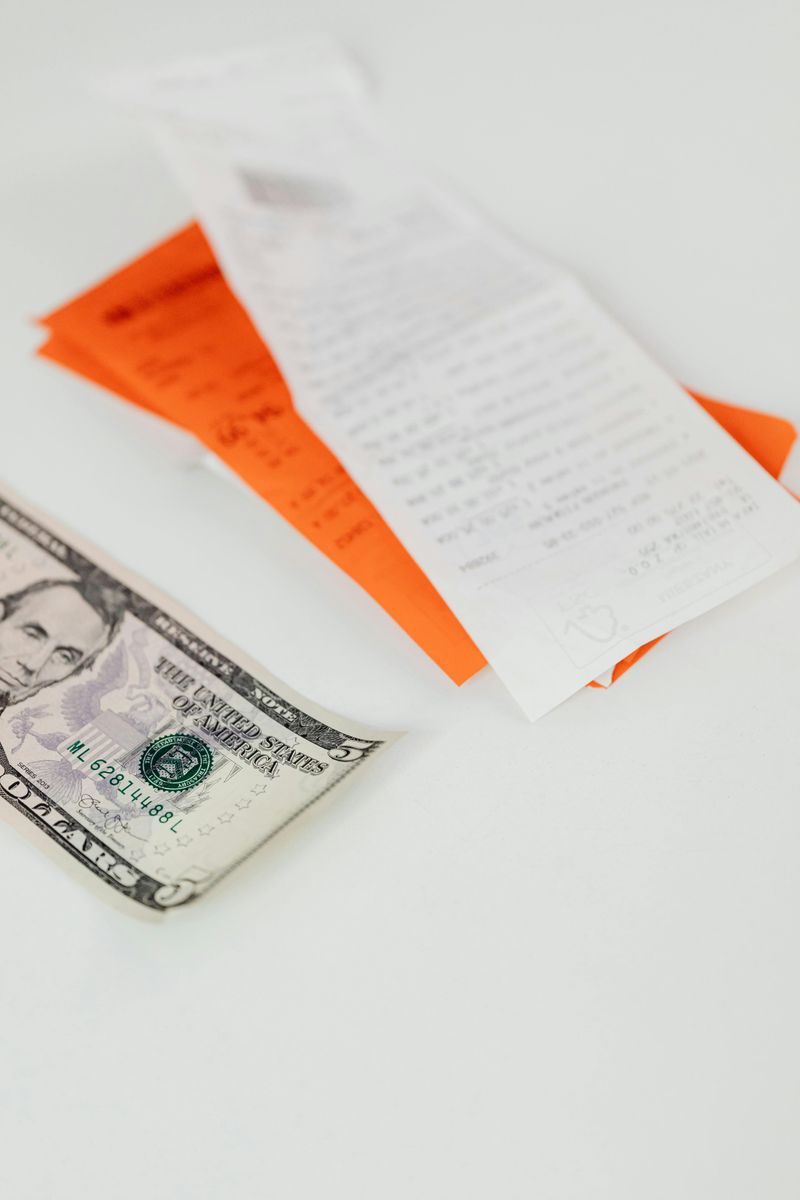
Picture working a full week, then handing over a chunk of your hard-earned money just to access it.
Check-cashing stores charge anywhere from 1% to 12% of your check’s value as a fee.
That might sound small, but on a $500 paycheck, you could lose $25 or more instantly.
People without bank accounts rely on these services because they have no other option.
Opening a bank account requires money, identification, and sometimes a clean banking history.
Many low-income workers simply don’t qualify.
Credit unions and second-chance bank accounts offer affordable alternatives worth exploring seriously.
2. ATM Fees That Make Every Withdrawal Painful

Every time someone uses an out-of-network ATM, they’re handing money to a bank that isn’t even theirs.
The average ATM fee in the U.S. has climbed above $4 per transaction when you combine both the ATM operator’s fee and your own bank’s charge.
Wealthy people rarely notice this because they bank with institutions that reimburse ATM fees automatically.
Low-income earners, often banking with prepaid cards or smaller accounts, get hit repeatedly.
Choosing a bank or credit union with fee-free ATM access — or simply planning withdrawals better — can save surprisingly large amounts over a full year.
3. Rent-to-Own Markups on Furniture and Gadgets

Rent-to-own stores look like a great deal at first glance — take home a TV today, pay small amounts weekly.
The catch?
By the time you finish paying, you’ve spent two to three times the item’s actual retail price.
A $400 laptop can end up costing over $1,000 through a rent-to-own plan.
Wealthy shoppers simply buy the item outright and move on.
Those without upfront cash get locked into long, expensive payment cycles that drain their budgets month after month.
Buying secondhand or saving gradually almost always beats the rent-to-own trap by a wide margin.
4. Prepaid Phone Plans That Cost Way More

Prepaid phones seem budget-friendly because there’s no contract — but the math often tells a different story.
Without qualifying for a postpaid plan, many low-income users pay premium per-minute or per-text rates that add up fast.
Meanwhile, people with good credit lock into discounted contract plans, get the latest phones for free or nearly free, and pay lower monthly rates overall.
The system genuinely rewards those who already have financial stability.
Family plans and budget carriers like Mint Mobile or Visible have made affordable unlimited service more accessible, giving people real options that didn’t exist a decade ago.
5. Sky-High Interest on Credit Cards You Can’t Avoid
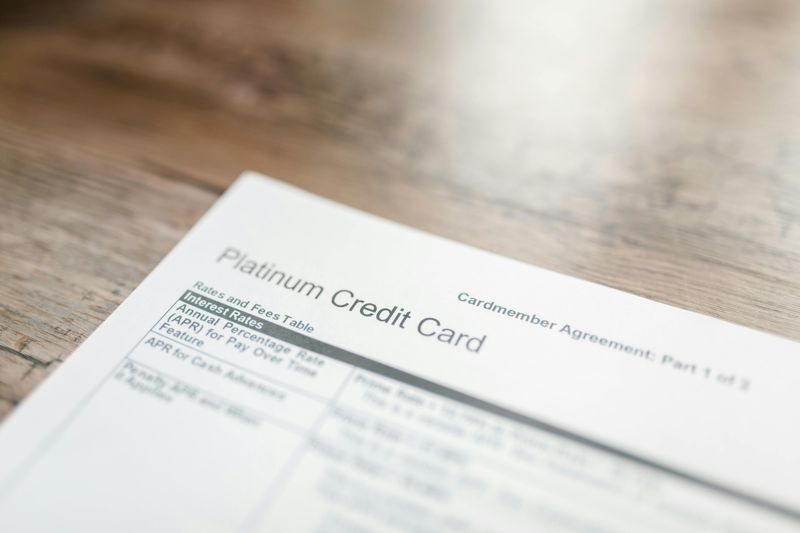
Here’s a number that should make anyone pause: the average interest rate on a subprime credit card can exceed 29% annually.
Wealthy individuals pay their balances in full each month and never pay a single dollar in interest — they even collect rewards points while doing it.
Low-income cardholders, forced to carry balances, watch their debt grow faster than they can pay it down.
A $1,000 balance at 29% interest costs over $290 per year just to exist.
Building an emergency fund — even a small one — reduces the need to rely on high-interest credit when unexpected expenses hit.
6. Daily Commutes Without a Car — Bus and Subway Fares
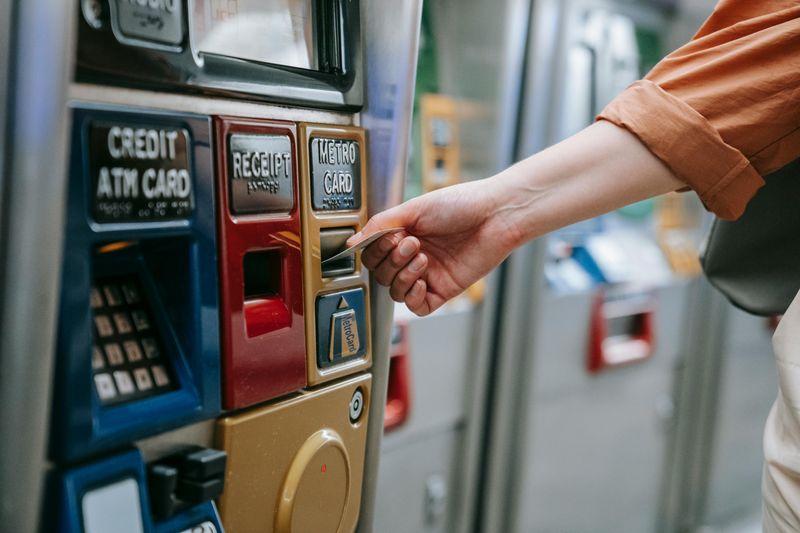
Public transit is a lifeline for millions of workers, but the costs stack up in ways people rarely calculate.
At $2.75 per ride in many cities, a daily round-trip commute costs over $1,400 a year — without a single delay, detour, or transfer fare added in.
Car owners, especially those who drive newer vehicles, often spend less per trip when fuel costs are spread out.
They also save the invisible cost of time, since transit commutes frequently take twice as long as driving.
Monthly transit passes and employer commuter benefits are two underused ways to bring those daily fares down meaningfully.
7. Laundromat Bills Instead of a Home Washer
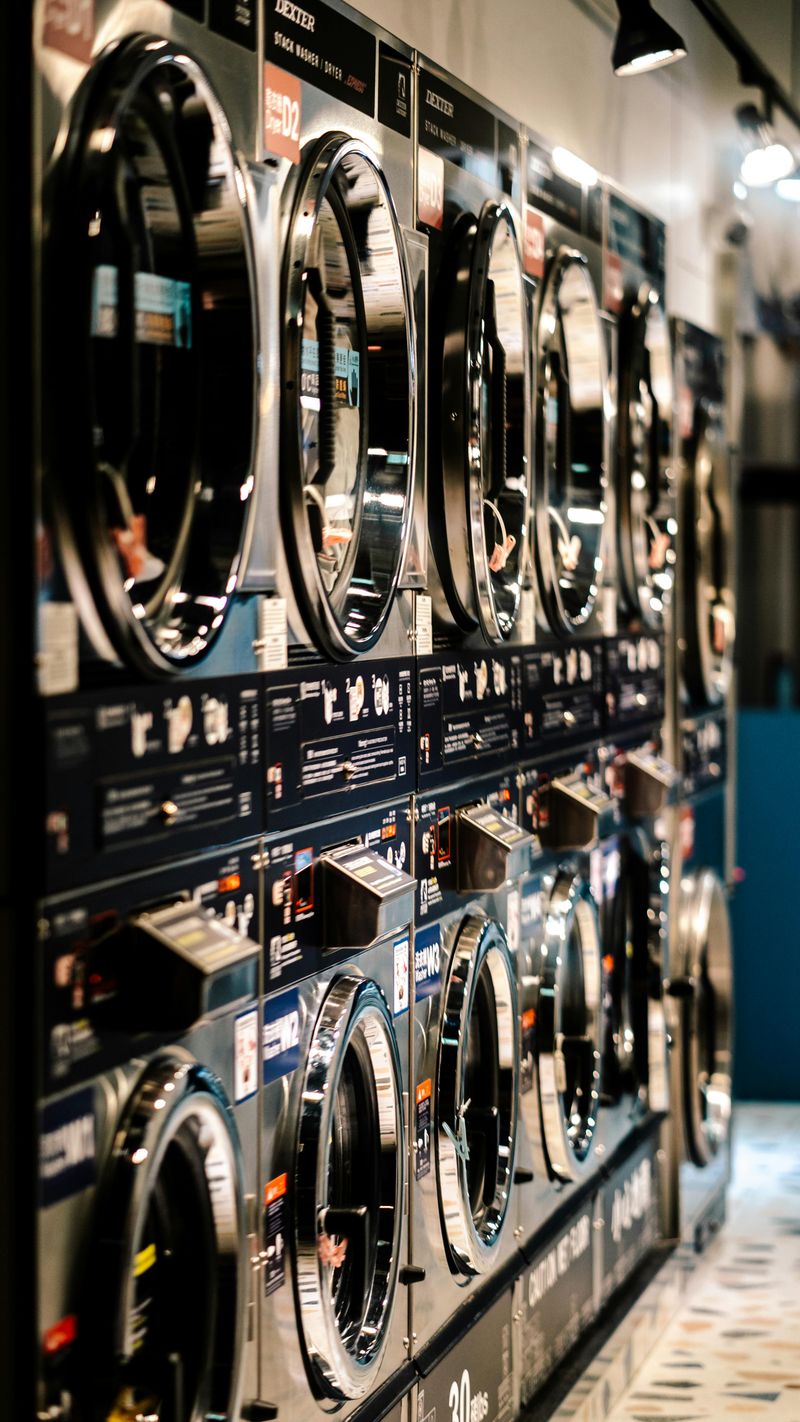
Doing laundry at a laundromat costs between $3 and $5 per wash load, plus drying time — and most families need multiple loads per week.
Over a full year, a family of four could easily spend $800 to $1,200 just on laundry alone.
Homeowners and renters with in-unit washers and dryers pay a fraction of that over time, even factoring in the appliance cost.
The upfront barrier is simply owning the machine.
Some apartment hunters specifically prioritize laundry hookups when searching for rentals, since that single amenity can quietly save thousands of dollars across just a few years.
8. Money Orders and Bill-Paying Fees

Without a checking account, paying bills becomes its own expensive errand.
Money orders typically cost $1 to $5 each, and some bill-payment services charge additional processing fees on top of that.
Pay three or four bills a month this way, and the costs become a noticeable monthly expense.
Banks with free checking accounts let customers pay bills electronically at zero cost.
That small difference adds up to $100 or more annually for someone relying on money orders regularly.
Fortunately, many utility companies now offer free online payment options — checking whether your billers accept these can eliminate this cost entirely.
9. Late Fees That Add Up Fast
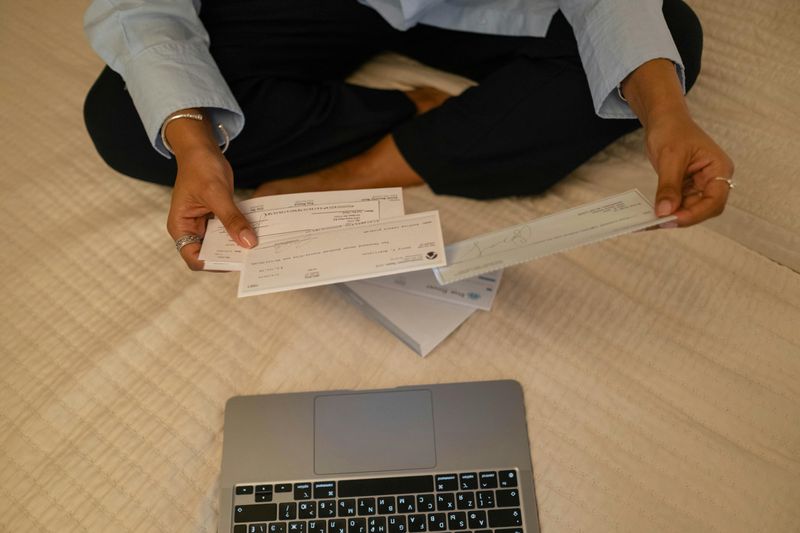
A single late payment on a credit card, utility bill, or rent can trigger fees ranging from $25 to $100 or more.
For someone already stretched thin, that fee doesn’t just hurt — it sometimes causes the next bill to be late too, creating a cascading effect.
Wealthier households set up automatic payments years ago and rarely think about due dates at all.
The system makes punctuality easier when you have money in your account to cover it.
Setting up free payment reminders through phone alerts or auto-pay — even for minimum amounts — can stop the late-fee cycle before it spirals out of control.
10. Convenience Store Prices That Drain Your Wallet

Convenience stores charge a premium for everything — a can of soup that costs $1.10 at a grocery store might run $2.50 at a corner shop.
When grocery stores are far away and transportation is limited, convenience stores become the default option for daily essentials.
This is sometimes called a “poverty premium” — paying more for basics simply because cheaper options aren’t accessible.
It’s a quiet, daily tax on living in a food desert.
Buying in bulk during occasional grocery trips, or using grocery delivery apps with discounts, can dramatically reduce how often convenience store prices eat into a tight weekly budget.
11. Bare-Bones Insurance Plans with Sky-High Deductibles
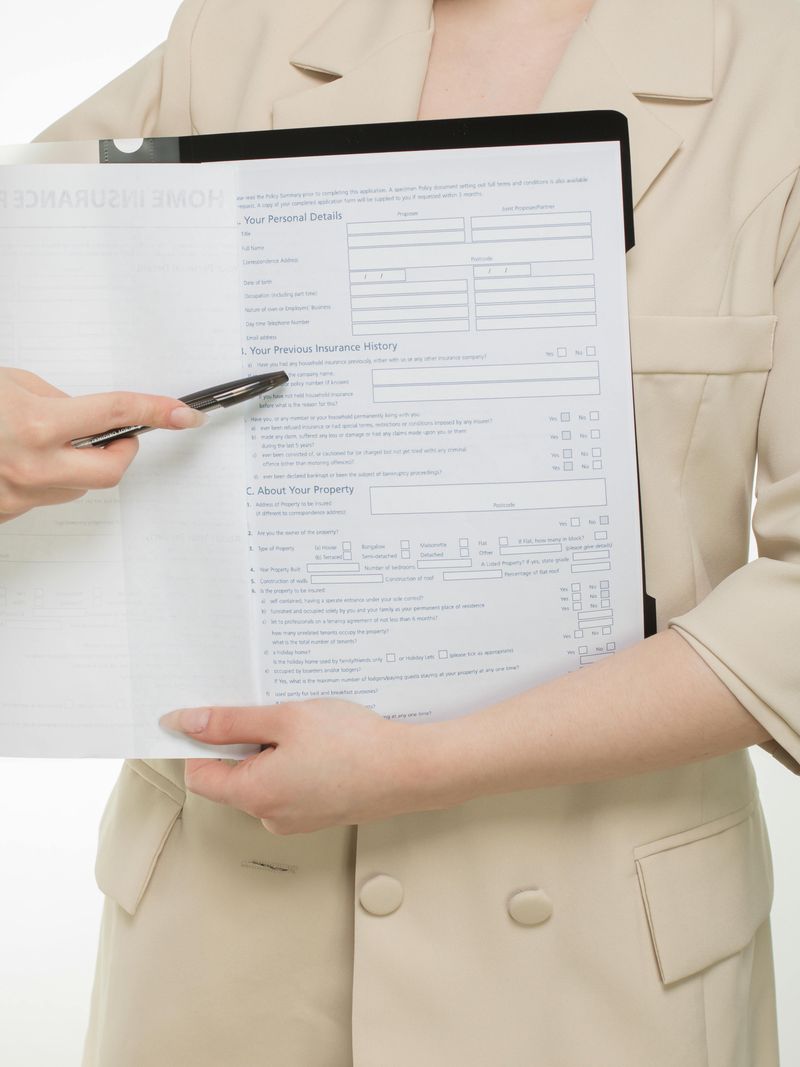
Choosing the cheapest insurance plan to keep monthly costs low sounds smart — until something goes wrong.
Bare-bones health plans often come with deductibles of $5,000 or more, meaning you pay thousands out of pocket before insurance covers a single dollar of care.
Wealthier individuals select comprehensive plans with low deductibles, knowing they can afford slightly higher monthly premiums in exchange for real protection.
The poor often can’t, so they gamble — and sometimes lose big.
Marketplace subsidies, Medicaid, and community health centers are real resources that many eligible people simply don’t know exist, making it worth researching your state’s specific options.
Comments
Loading…