
 Chloe Peterson
10 Everyday Expenses Broke People Often Waste Money On

Money seems to vanish from wallets faster than anyone can track, especially when living paycheck to paycheck.
Many people struggling financially unknowingly throw away hard-earned cash on purchases that feel necessary but actually drain their bank accounts. Understanding these common money traps can help anyone take control of their spending and start building better financial habits.
1. Daily Coffee Shop Visits

That morning latte might feel like a small treat, but the cost adds up faster than you think.
Spending five dollars every workday means dropping over $100 monthly on coffee alone.
Brewing at home takes just minutes and costs pennies per cup.
A basic coffee maker pays for itself within weeks.
Quality beans from the grocery store deliver the same caffeine boost without the premium price tag.
Many people justify coffee shop visits as their only splurge, not realizing this single habit could drain $1,300 yearly.
That money could cover emergency expenses or start a savings fund instead.
2. Subscription Services Nobody Uses

Streaming platforms, gym memberships, and app subscriptions quietly charge accounts every month, often forgotten after the initial signup.
Most households pay for three to five services they rarely open.
These automatic withdrawals blend into bank statements, making them easy to overlook.
Canceling unused subscriptions takes only minutes but saves hundreds annually.
Check your statements carefully and eliminate anything you have not touched in weeks.
Even cheap subscriptions at $10 monthly become $120 yearly.
When combined, forgotten services can steal $500 or more from your budget without providing any real value or entertainment.
3. Convenience Store Snack Runs

Chips, candy, and drinks at gas stations are convenient, yet that convenience comes at a premium.
Items at these stores cost double or triple what grocery stores charge.
A $3 soda at a convenience shop sells for under $1 at supermarkets when bought in bulk.
Planning ahead prevents these pricey pit stops.
Packing snacks and filling a reusable water bottle before leaving home eliminates the temptation entirely.
Quick trips twice weekly add up to $25 or more monthly.
Over a year, that becomes $300 wasted on overpriced munchies that could have been purchased much cheaper elsewhere.
4. Brand Name Products Instead of Generic

Marketing magic: eye-catching designs and trusted logos make identical products feel worth a higher price.
Generic or store-brand items contain the same ingredients as name brands but cost 30 to 50 percent less.
Medicines, cleaning supplies, and pantry staples work exactly the same regardless of the label.
Pharmaceutical companies manufacture both branded and generic medications using identical formulas.
Choosing generic versions saves serious money without sacrificing quality.
Switching just ten regular purchases from brand names to generics saves roughly $50 monthly.
That adds up to $600 yearly, which could cover utility bills or build an emergency cushion for unexpected expenses.
5. Eating Out Too Often

Restaurant meals deliver convenience but destroy budgets faster than almost any other expense.
A single dinner out costs what five home-cooked meals would.
Ordering takeout three times weekly drains $150 or more monthly from tight budgets.
Cooking at home requires minimal skills and saves massive amounts of money.
Simple recipes using basic ingredients feed families for a fraction of restaurant prices.
Many broke individuals claim no time for cooking, yet spend hours scrolling phones.
Meal prepping on weekends provides ready-to-eat options throughout busy weeks, eliminating excuses while protecting wallets from unnecessary damage.
6. Lottery Tickets and Gambling
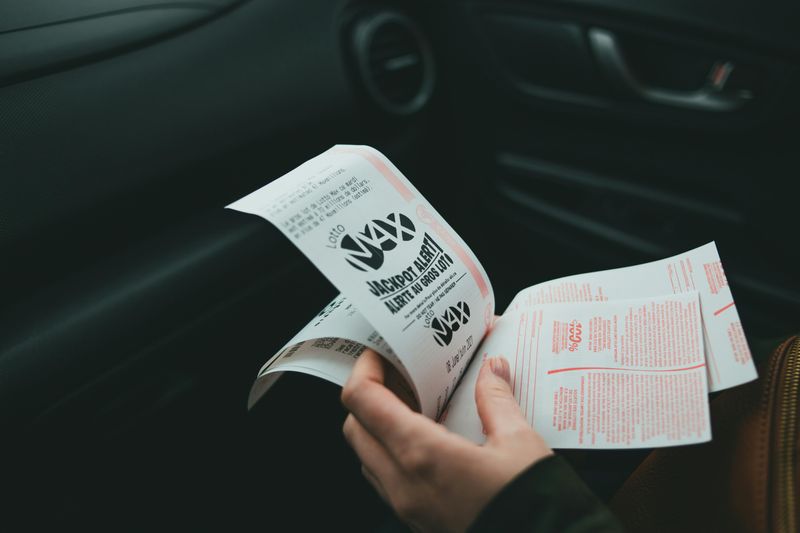
Chasing big jackpots with regular lottery purchases creates an expensive habit disguised as harmless fun.
The odds of winning substantial prizes remain astronomically low, yet people spend $20 or more weekly hoping for luck.
This gambling drains over $1,000 yearly with virtually nothing to show.
Every dollar spent on tickets is essentially thrown away.
Redirecting this money into savings accounts generates guaranteed returns instead of empty promises.
Many justify lottery playing as affordable entertainment, but the costs accumulate quickly.
Breaking this cycle requires recognizing gambling for what it truly is: a voluntary tax on hope that rarely pays off.
7. ATM Fees From Other Banks

Withdrawing cash from random ATMs triggers fees that silently nibble away at already tight budgets.
Each out-of-network transaction costs $3 to $5 between machine charges and bank penalties.
Using these ATMs twice weekly wastes $40 monthly on completely avoidable fees.
Planning cash withdrawals at your own bank eliminates these charges entirely.
Most banks offer apps showing nearby fee-free locations.
Some people lose $500 yearly just from ATM fees alone.
This wasted money could pay for groceries, gas, or bills instead of disappearing into banking companies’ pockets for simply accessing your own funds.
8. Paying for Expedited Shipping

Impatience costs real money when shoppers select faster delivery options for online purchases.
Overnight or two-day shipping adds $10 to $20 per order for items that standard shipping would deliver within days anyway.
Most purchases are not genuine emergencies requiring premium speed.
Planning purchases ahead eliminates the need for rushed deliveries.
Ordering with standard shipping saves substantial amounts over time.
People making ten online purchases yearly with expedited shipping waste $150 unnecessarily.
Patience literally pays when it comes to delivery speeds, leaving more money available for actual needs rather than manufactured urgency.
9. Unused Gym Memberships

Signing up for gyms with the best intentions often results in expensive monthly charges for facilities never visited.
Average memberships cost $30 to $60 monthly, yet many people stop attending after initial enthusiasm fades.
These automatic payments continue draining accounts regardless of actual usage.
Free alternatives like walking, running, or bodyweight exercises at home provide fitness without fees.
YouTube offers thousands of workout videos requiring zero equipment.
Paying for twelve months of unused gym access wastes $360 to $720 annually.
Canceling forgotten memberships and exercising outside or at home delivers health benefits while keeping money where it belongs.
10. Late Payment Fees and Overdraft Charges

Missing payment deadlines or overdrawing accounts triggers penalties that compound financial struggles unnecessarily.
Late fees range from $25 to $40 per incident, while overdraft charges hit $35 each time accounts dip below zero.
These avoidable penalties punish disorganization rather than genuine need.
Setting up automatic payments and account alerts prevents these costly mistakes.
Tracking spending carefully ensures accounts maintain positive balances.
People paying just three late fees and two overdraft charges yearly lose $200 to fees alone.
This wasted money could cover groceries or gas instead of padding bank profits through simple oversights.
Comments
Loading…