
 Mary Murphy
Television sitcoms have been a cornerstone of entertainment for decades, bringing laughter and comfort to millions of homes. But as society evolves, so do our values and sense of humor.
Many shows that once dominated ratings and won awards now contain jokes, stereotypes, or themes that make modern viewers cringe.
1. Friends (1994–2004)
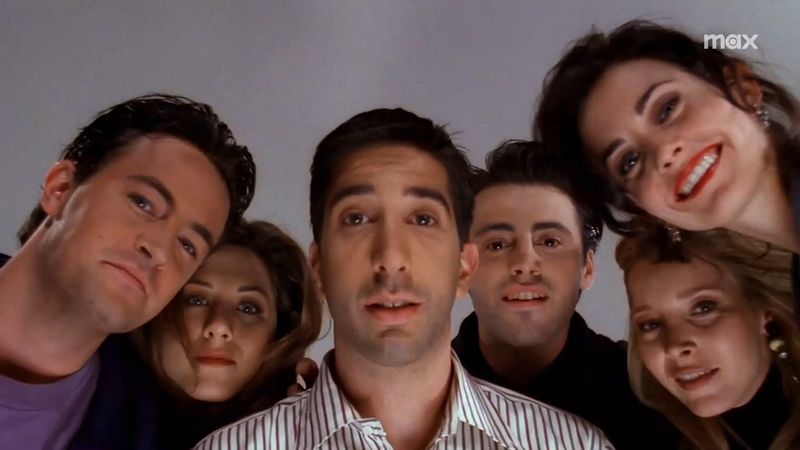
New York’s most famous group of six friends captivated audiences for a decade with their coffee shop hangouts and romantic entanglements.
Today, viewers notice the show’s almost complete lack of diversity in a city known for its multicultural population.
The series frequently made jokes at the expense of LGBTQ+ characters, particularly regarding Chandler’s father and Ross’s ex-wife.
Gender stereotypes run throughout the series, with women often portrayed as overly emotional or obsessed with marriage.
While the show remains popular on streaming platforms, these issues spark regular debates online.
Many fans still love the show but acknowledge its problematic elements reflect a different era.
2. Two and a Half Men (2003–2015)
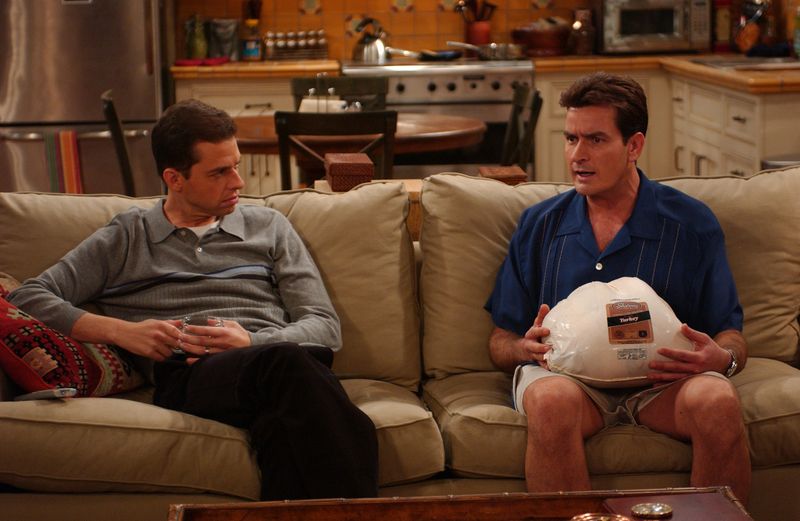
Charlie Sheen’s character embodied a particular brand of bachelor lifestyle that was played entirely for laughs.
The show celebrated womanizing behavior and treated female characters as interchangeable objects rather than people.
Jokes about women’s intelligence, appearance, and worth were standard fare in nearly every episode.
Alan’s character added another layer of uncomfortable humor, often mocked for not fitting traditional masculine stereotypes.
The show’s casual misogyny feels especially jarring now, as audiences recognize how it normalized disrespectful treatment.
What once seemed like edgy comedy now appears mean-spirited and outdated.
The toxic behavior presented as aspirational feels particularly troubling in retrospect.
3. How I Met Your Mother (2005–2014)
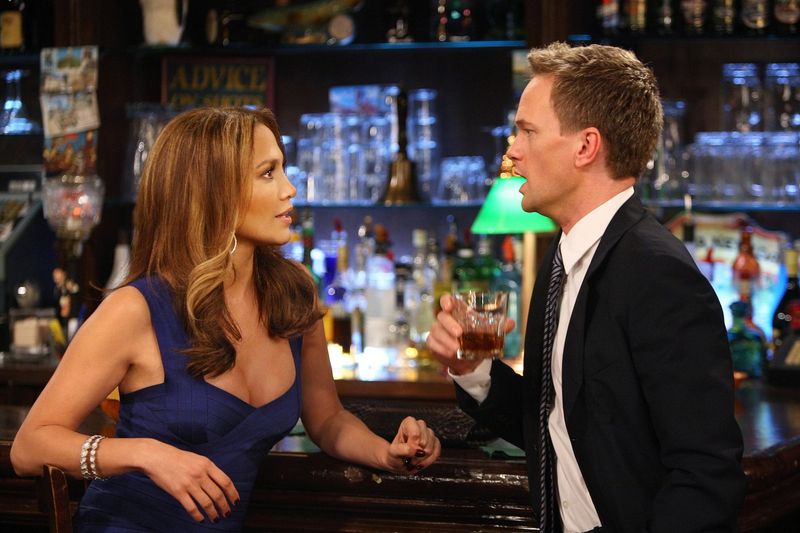
Ted’s quest to find his future wife charmed viewers for nine seasons with clever storytelling and running gags.
Barney Stinson’s character, however, presents major problems upon rewatch.
His “playbook” strategies for deceiving women into relationships weren’t just jokes—they depicted actual manipulation and dishonesty.
The show often glorified lying to romantic partners and treated women as conquests to be won through trickery.
Ted himself frequently displayed entitled behavior, believing he deserved relationships simply for being “nice.”
The series finale disappointed many, but the problematic dating behavior throughout the show troubles viewers even more.
What seemed witty and charming then now appears manipulative and concerning.
4. The Big Bang Theory (2007–2019)
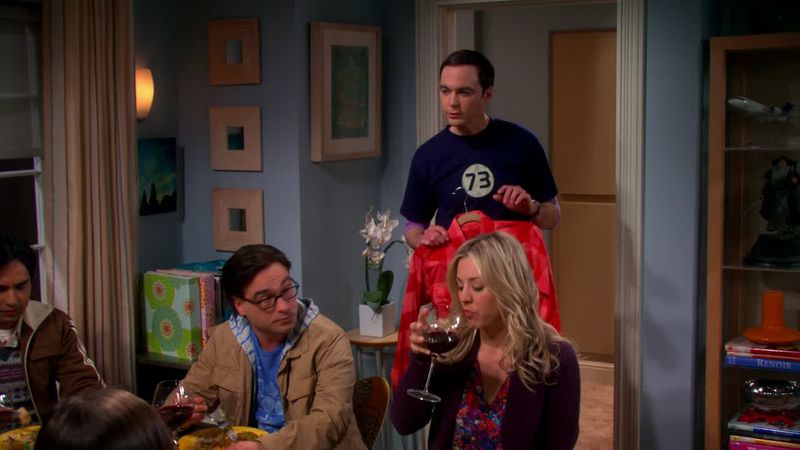
Sheldon, Leonard, and their friends brought nerd culture into mainstream television with unprecedented success.
Critics now argue the show laughed at nerds rather than with them, making their social awkwardness the constant punchline.
Female characters, especially Penny initially, were often portrayed as intellectually inferior or defined primarily by their relationships with men.
Howard’s behavior toward women in early seasons crossed lines from awkward into genuinely creepy territory.
The show’s treatment of Raj’s selective mutism around women also feels uncomfortable now.
While the series attempted to celebrate science and intelligence, it often reinforced stereotypes instead.
Many actual scientists and fans felt mocked rather than represented.
5. Home Improvement (1991–1999)
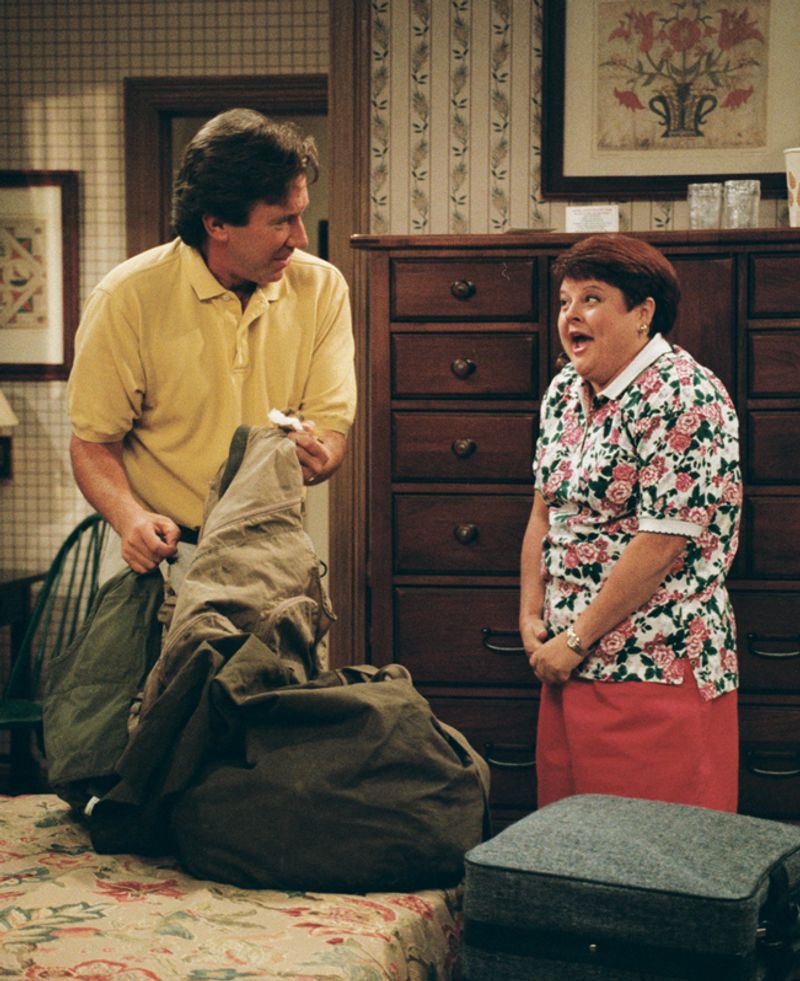
Tim “The Tool Man” Taylor grunted his way through eight seasons of home renovation mishaps and family lessons.
The show’s entire premise rested on rigid gender divisions: men belong in workshops with power tools, women belong in kitchens managing emotions.
Tim’s constant need to prove his masculinity through dangerous stunts and refusing to ask for directions became tiresome.
Jill’s character, though intelligent, was often relegated to eye-rolling at her husband’s antics rather than being a full partner.
The “men versus women” dynamic that fueled most conflicts feels especially dated now.
Modern families don’t typically operate with such strict gender roles.
What seemed relatable then now appears restrictive and outdated.
6. According to Jim (2001–2009)
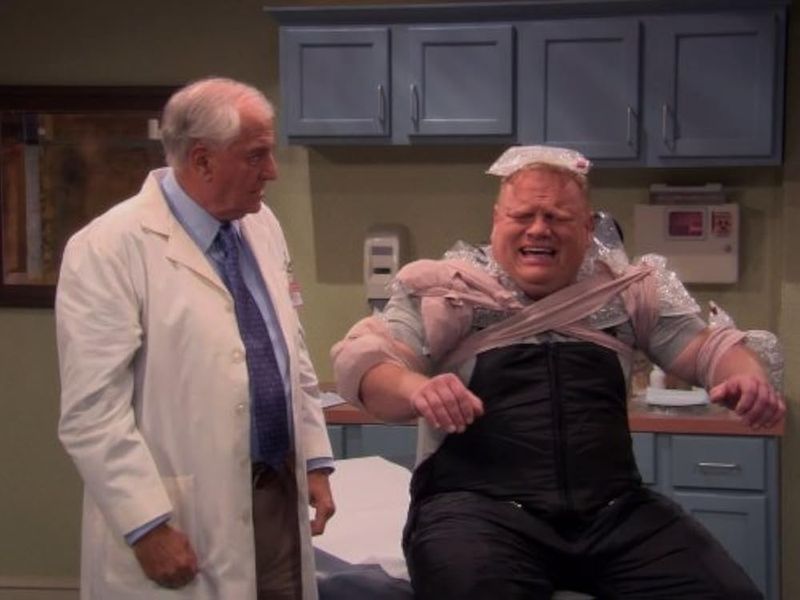
Jim Belushi starred as yet another slovenly husband married to an inexplicably patient and attractive wife.
The show recycled the tired trope of the lazy, childish husband who avoids responsibility while his wife manages everything.
Cheryl constantly cleaned up Jim’s messes, both literal and figurative, while being portrayed as a nag for expecting basic adult behavior.
Every episode followed the same formula: Jim does something selfish, gets caught, makes a half-hearted apology, and everything resets.
The show offered no subversion of these stereotypes, no deeper commentary, just the same recycled jokes.
Audiences today expect more complexity in their sitcom relationships.
This formula feels particularly stale and frustrating now.
7. Married with Children (1987–1997)
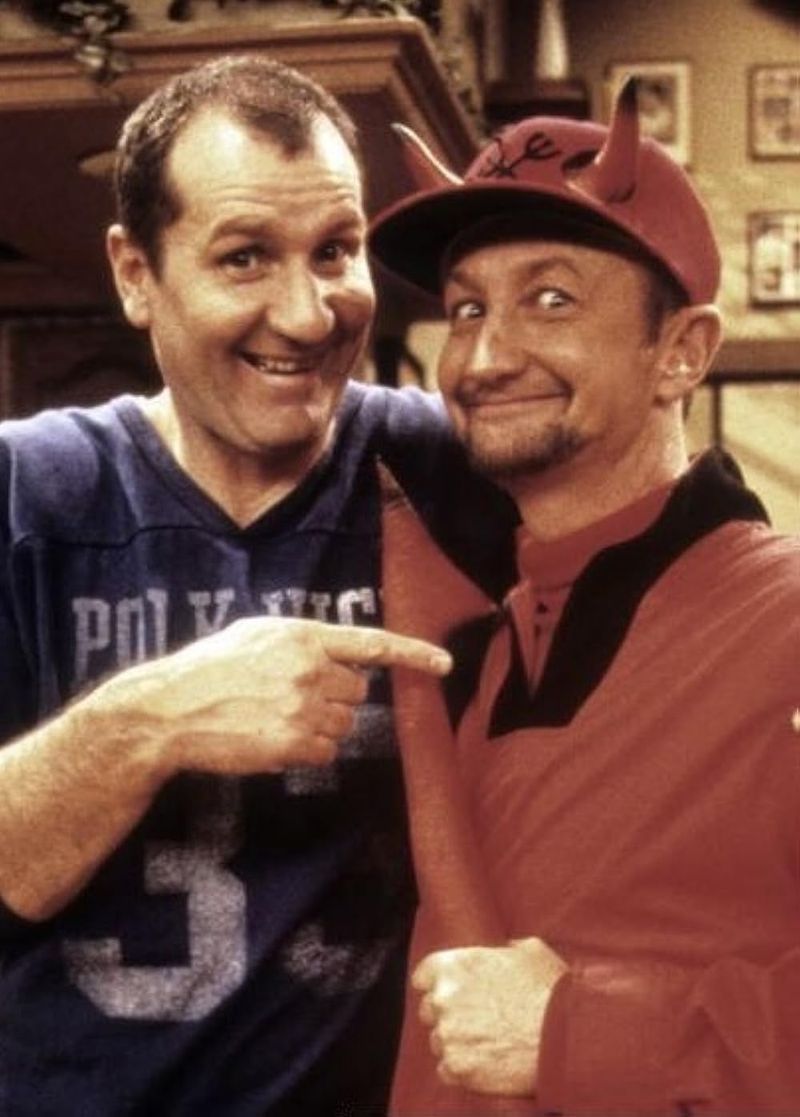
Al Bundy’s hand permanently tucked in his waistband became an iconic image of working-class frustration.
The show deliberately pushed boundaries as an anti-family sitcom, mocking the wholesome shows that dominated television.
However, many jokes now read as genuinely mean-spirited rather than satirical.
Al’s constant insults about Peg’s laziness and appearance, combined with his obsession with his teenage glory days, feel more sad than funny.
The show’s treatment of women, particularly the objectification of daughter Kelly, makes modern viewers uncomfortable.
While the series intended to be edgy and subversive, it often just reinforced negative stereotypes.
The line between satire and cruelty feels blurrier upon rewatch.
8. That ’70s Show (1998–2006)
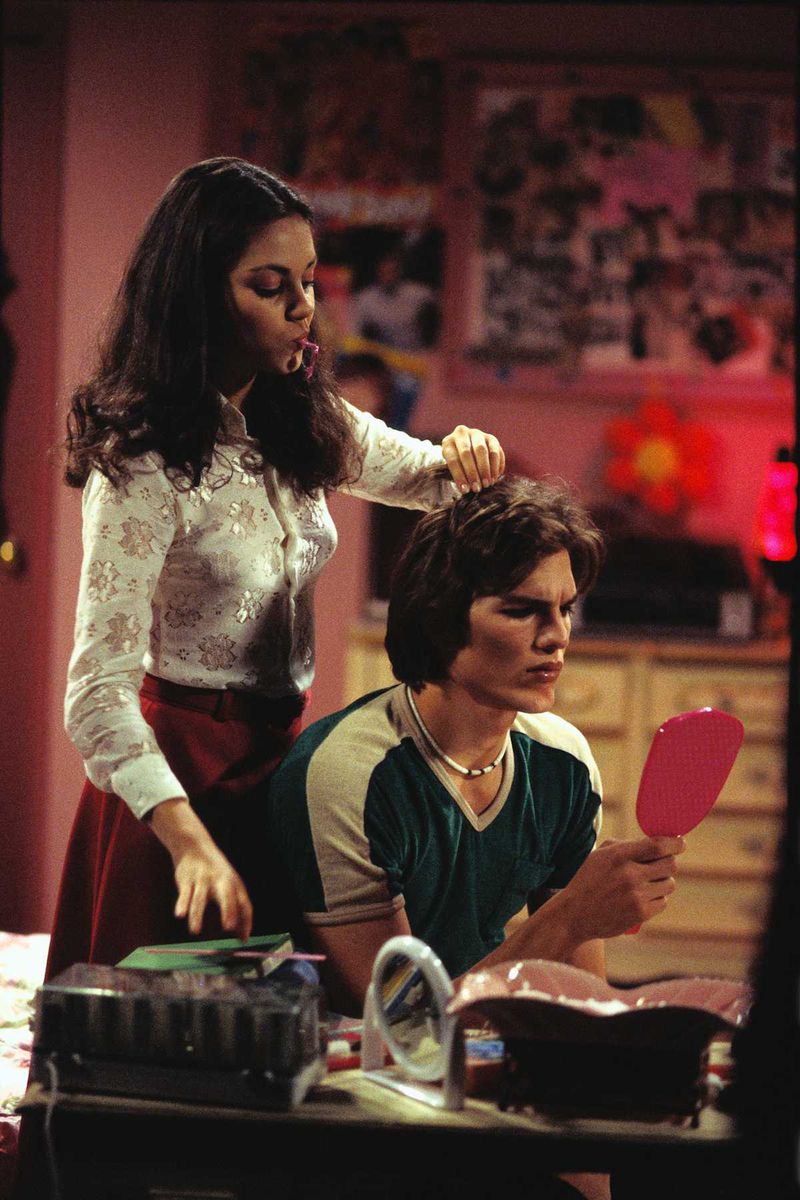
Eric Forman and his friends spent eight seasons hanging out in a Wisconsin basement during the disco era.
While much of the humor holds up, certain jokes about consent and relationships haven’t aged gracefully.
Kelso’s treatment of Jackie and other girlfriends often crossed into disrespectful territory that was played for laughs.
Real-world revelations about cast member Danny Masterson’s criminal convictions have made the show even harder to watch.
His character Hyde was central to the group dynamic, making it impossible to separate the actor from the role.
The show’s nostalgic charm remains, but these issues create uncomfortable viewing experiences.
Many fans struggle with how to appreciate the good while acknowledging the problematic.
9. Everybody Loves Raymond (1996–2005)
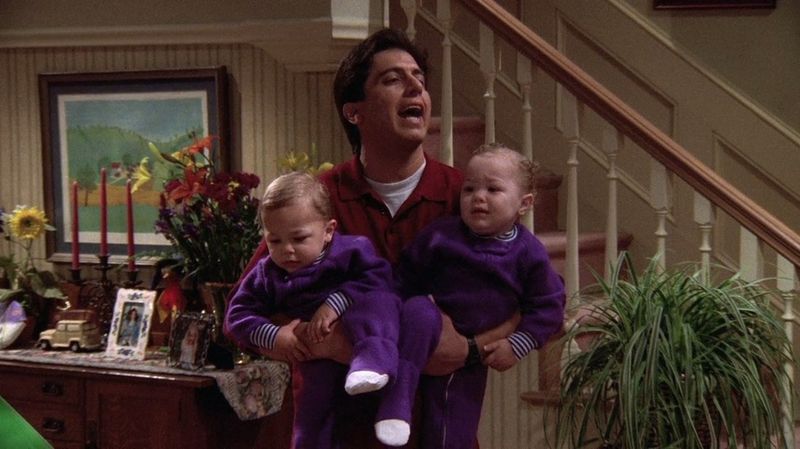
Ray Romano’s character navigated the minefield of marriage and overbearing parents for nine successful seasons.
The show’s entire foundation rested on marriage resentment, with Ray and Debra constantly frustrated with each other.
Marie’s boundary-crossing behavior was treated as amusing rather than addressing the genuine dysfunction it represented.
Every episode reinforced the idea that marriage means constant bickering and barely tolerating your spouse.
Frank and Marie’s relationship modeled even worse dynamics, with open contempt presented as normal.
Modern audiences recognize these patterns as unhealthy rather than relatable.
The repetitive nature of the conflicts becomes exhausting rather than entertaining.
What once seemed like honest family comedy now feels uncomfortable and sad.
10. The Cosby Show (1984–1992)
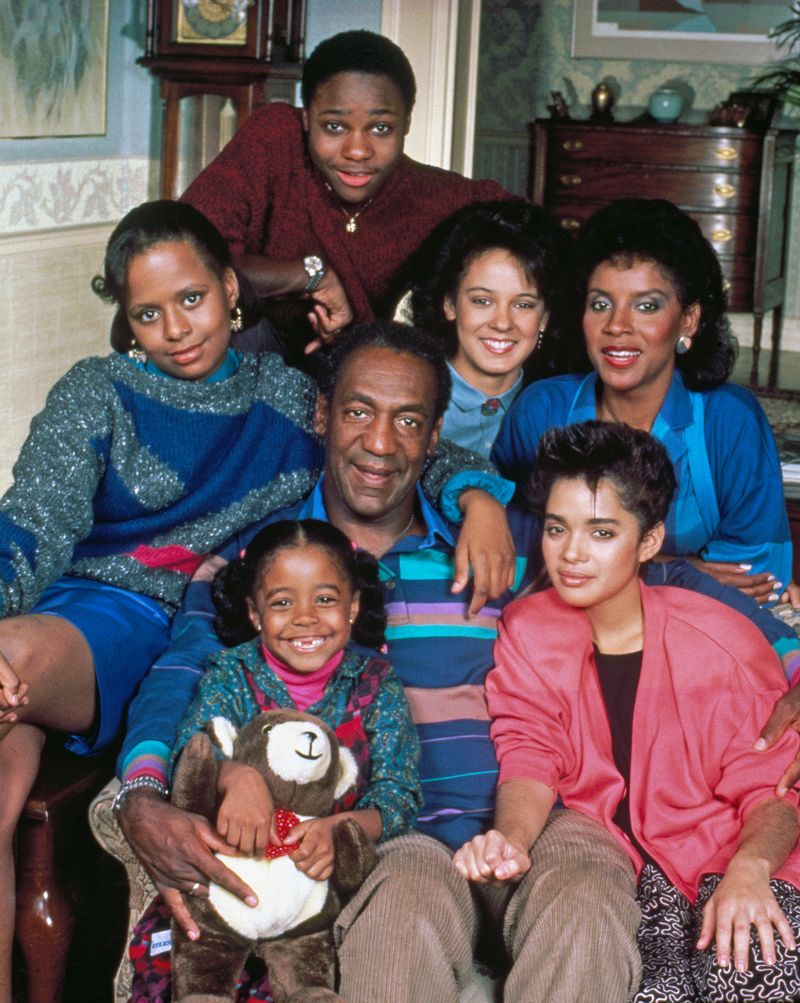
The Huxtable family broke ground as a positive portrayal of an affluent African American family achieving the American dream.
The show’s cultural significance cannot be overstated—it changed television representation and inspired countless viewers.
Cliff Huxtable presented a loving father figure who valued education and family above all.
However, Bill Cosby’s subsequent conviction for sexual assault has made the show virtually unwatchable for many people.
The disconnect between the character he portrayed and his real-life actions feels too jarring.
Scenes where Cliff makes drinks for women or discusses relationships now carry disturbing implications.
The show’s legacy remains complicated—groundbreaking in representation but tainted by its star’s crimes.
11. Will & Grace (1998–2006, original run)
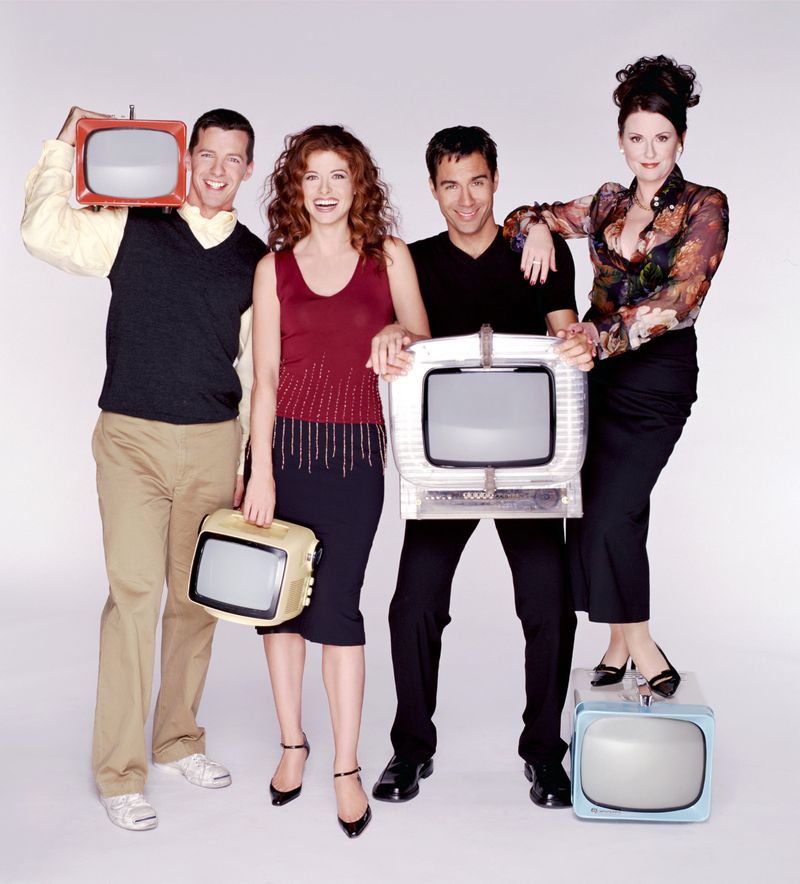
Will and Jack brought gay characters into mainstream primetime television during a period when representation was extremely limited.
The show deserves credit for normalizing LGBTQ+ characters and relationships when few other shows would.
However, Jack’s character often relied on stereotypical mannerisms that reduced gay identity to flamboyant caricature.
The show sometimes used queerness itself as the punchline rather than creating jokes that happened to involve gay characters.
Will’s character, while more subdued, often served to reassure straight audiences that gay men could be “normal.”
The series was revolutionary for its time but feels simplistic now.
Modern LGBTQ+ representation has evolved beyond what this show offered, making its limitations more apparent.
12. Scrubs (2001–2010)
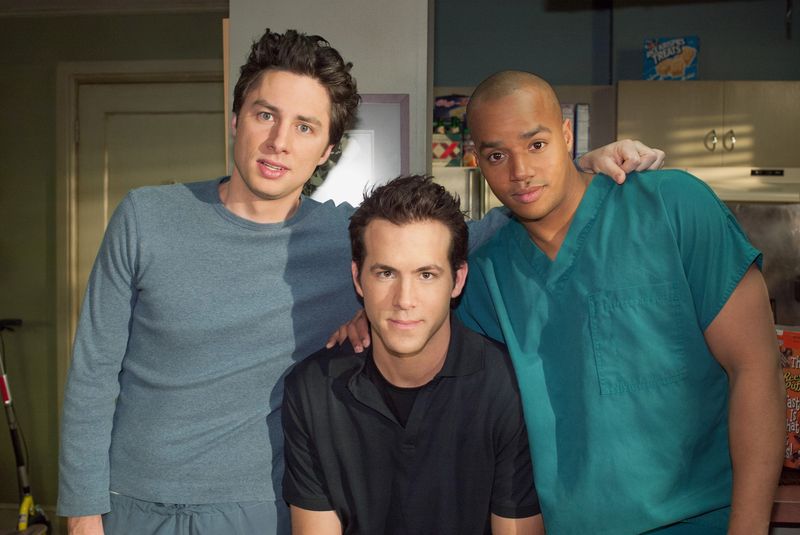
J.D.’s daydreams and the Sacred Heart Hospital staff created a unique blend of comedy and genuine emotion.
The show brilliantly balanced silly humor with heartbreaking moments about loss and medical realities.
However, many jokes about women, particularly objectifying comments and casual sexism, clash with the show’s emotional depth.
The Janitor’s bullying of J.D., while meant to be funny, sometimes crossed into genuinely cruel territory.
Dr. Cox’s abrasive personality, though beloved by fans, included homophobic jokes disguised as character quirks.
The show’s tonal whiplash between crude humor and sincere emotion creates awkward viewing experiences.
Fans still appreciate its emotional storytelling but cringe through problematic jokes that undermine those powerful moments.
13. Entourage (2004–2011)
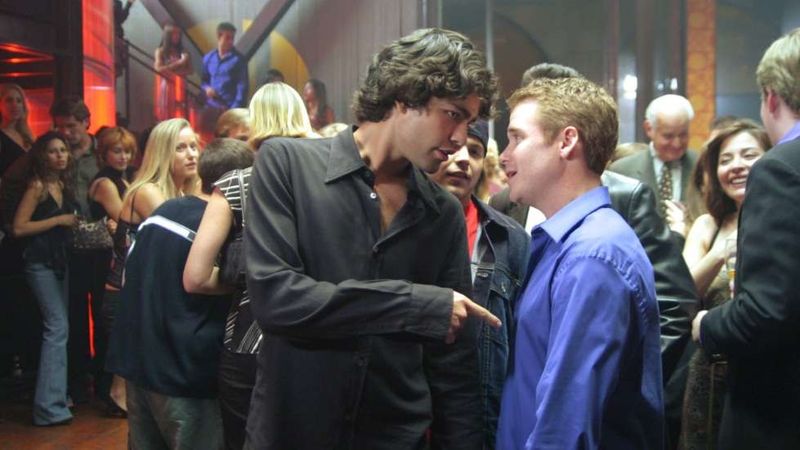
Vincent Chase and his crew lived out a fantasy of Hollywood excess and male friendship without consequences.
The show presented a world where women existed primarily as romantic conquests or obstacles to the men’s success.
Female characters rarely had depth beyond their relationships with the male leads.
The casual sexism wasn’t just background noise—it was central to the show’s appeal, presenting this lifestyle as aspirational.
Ari Gold’s abusive behavior toward his assistant and others was played for laughs rather than condemned.
The show serves as a time capsule of early-2000s entertainment industry culture at its worst.
What seemed glamorous then now appears shallow and deeply problematic, reflecting values most people have moved beyond.
Comments
Loading…