
 Mary Murphy
A handshake might seem like a small gesture, but it can leave a big impression in just a few seconds.
For Baby Boomers, who grew up treating handshakes as a cornerstone of professional and social interaction, the way you shake hands says a lot about your character.
From the pressure of your grip to where your eyes are looking, every tiny detail gets noticed.
Understanding what Boomers pick up on can help you make a stronger, more confident first impression.
1. Handshake Pressure

Your grip tells a story before you even say a word.
Boomers grew up in a culture where a firm handshake was practically a character reference.
Too limp, and you might come across as uninterested or unsure of yourself.
An overly crushing grip, on the other hand, can feel like you’re trying too hard to prove something.
The sweet spot is a controlled, comfortable squeeze that communicates confidence without aggression.
Think of it as a quiet signal that says, “I’m here, I’m present, and I mean business.”
Getting this right takes practice, but it’s absolutely worth it.
2. Eye Contact During the Handshake

Locking eyes with someone the moment you shake their hand sends a powerful message.
It tells them you’re focused, sincere, and genuinely glad to meet them.
Boomers especially value this because they were raised to see eye contact as a basic sign of honesty.
Let your gaze wander to your phone or the ceiling, and that warm impression can cool off fast.
People pick up on distraction almost instantly, even when they don’t say anything about it.
A steady, friendly look into someone’s eyes during a greeting costs nothing but earns enormous respect from people of every generation.
3. Sweaty or Damp Hands
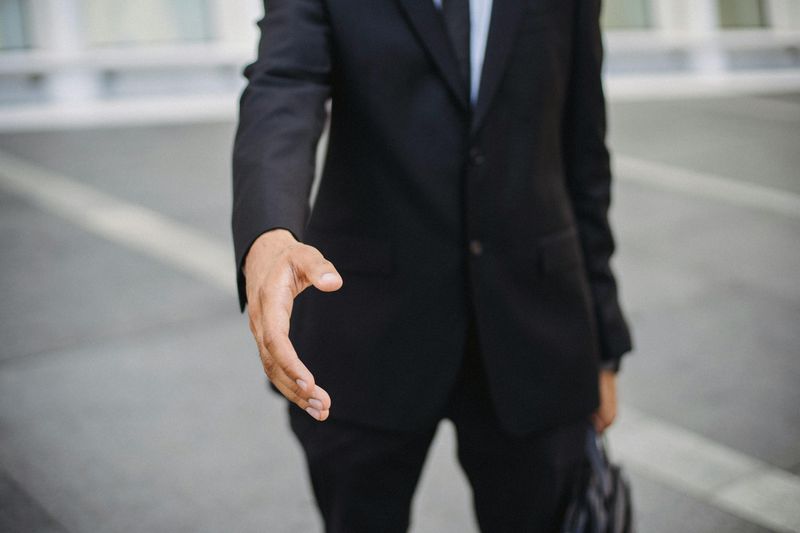
Sweaty palms happen to nearly everyone, especially in high-pressure situations like job interviews or first meetings.
The nervousness is completely understandable, but a noticeably damp handshake can make the other person feel uncomfortable without knowing exactly why.
Boomers often quietly appreciate when someone takes a quick, subtle moment to dry their hand beforehand.
It shows self-awareness and consideration for the other person’s experience.
Keeping a small handkerchief or simply excusing yourself to the restroom beforehand can make a real difference.
Small preparations like this signal that you take social situations seriously and care about making others feel at ease.
4. Handshake Duration and Rhythm
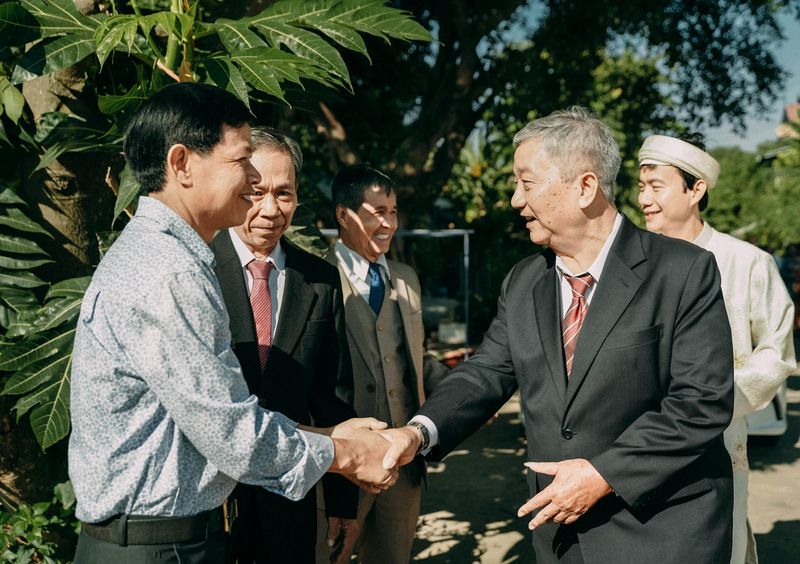
Timing matters more than most people realize when it comes to a handshake.
The classic greeting follows a simple rhythm: two or three gentle pumps, then a clean release.
It sounds basic, but pulling away too fast can feel dismissive, almost like you can’t wait for the interaction to end.
Holding on too long crosses into awkward territory quickly.
Boomers tend to read the rhythm of a handshake the same way they read a conversation—looking for balance, comfort, and mutual respect.
A handshake that flows naturally shows you understand unspoken social rules, which is something
Boomers find genuinely reassuring in both personal and professional settings.
5. Hand Position or Angle

Here’s something most people never think about: the angle of your hand during a handshake actually carries meaning.
Turning your palm slightly downward can come across as a power move, suggesting you want to be in control of the interaction.
Flipping it palm-up can read as overly passive or uncertain.
Boomers, who often studied body language through years of professional experience, tend to notice these subtle shifts instinctively.
A neutral, vertical hand position is the universally accepted sweet spot.
It quietly signals that you see the other person as an equal, which is one of the most respectful things you can communicate without saying a single word.
6. Body Language Immediately After
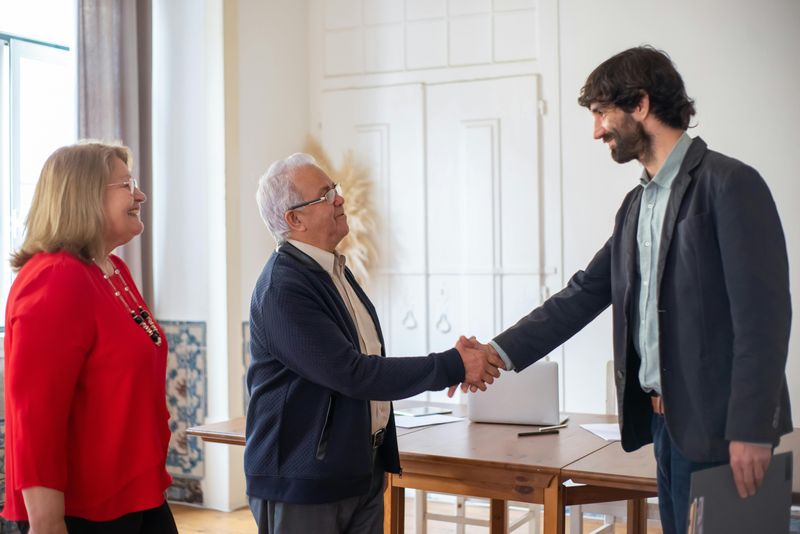
What happens right after the handshake is just as revealing as the handshake itself.
Boomers are sharp observers, and they notice if your smile disappears the instant your hands separate or if you pivot away like you’ve already moved on.
Staying engaged—keeping your shoulders open, maintaining a relaxed smile, and giving a brief nod—reinforces the positive energy you built during those first two seconds.
It shows that your warmth wasn’t just a performance.
Think of the handshake as the opening note of a song.
The body language that follows is the melody.
Both need to feel genuine for the whole impression to land well.
7. How You Accept the Handshake

Refusing or awkwardly dodging an offered handshake can sting more than most people expect, especially for Boomers.
For many in that generation, extending a hand is an act of openness and goodwill—a tradition they’ve practiced their entire adult lives.
Hesitating, fumbling, or giving a half-hearted response to that gesture can feel like a quiet rejection.
It might not be intentional, but the impression it leaves can be lasting.
Accepting a handshake smoothly and warmly, even when you’re caught off guard, demonstrates social grace and courtesy.
Boomers tend to remember how you made them feel in that split-second moment far longer than anything you say.
8. Timing of the Handshake

Picture this: someone extends their hand, and you just… freeze for a moment.
That tiny pause can feel like an eternity to the person waiting.
Smooth, prompt responses to an offered handshake communicate that you’re comfortable in social situations and aware of what’s happening around you.
Boomers, who navigated decades of professional introductions, tend to notice hesitation right away.
It can read as uncertainty, discomfort, or even disinterest, even when none of those things are true.
Stepping forward naturally and meeting the gesture with confidence shows you’re present and engaged.
Practicing this response until it feels automatic is one of the simplest ways to upgrade your first impression.
9. What Your Other Hand Is Doing

Your free hand quietly narrates the story of how present you really are.
Clutching a phone, balancing a drink, or keeping your other hand shoved deep in your pocket all send the same unspoken message: part of your attention is somewhere else.
Boomers, who tend to value undivided attention during greetings, pick up on this detail almost automatically.
To them, a clear, unencumbered handshake signals that the interaction actually matters to you.
Before walking into any meeting or event where introductions are expected, make a habit of freeing both hands.
It’s a small adjustment that communicates big things about your respect for the people you’re meeting.
Comments
Loading…