
 Isabel Parker
Ever find yourself scrolling through social media at midnight when you know you should be asleep? You’re not alone, and there’s actually a name for this habit: revenge bedtime procrastination.
This phenomenon happens when people sacrifice sleep to reclaim personal time they feel they lost during the day. Understanding why this happens can help you break the cycle and finally get the rest you deserve.
1. It’s A Conscious Choice to Stay Awake

Psychologists coined this term to describe a specific behavior pattern where people delay sleep intentionally.
Unlike regular insomnia, this isn’t about struggling to fall asleep.
Instead, you’re actively choosing to stay awake even though you’re tired.
The “revenge” part comes from taking back control of your time.
When your day feels packed with obligations like school, work, or chores, nighttime becomes your only chance for fun.
You might watch videos, play games, or chat with friends just because you finally can.
This behavior started gaining attention in Asian countries where long work hours are common.
Now researchers worldwide recognize it as a widespread problem affecting sleep health everywhere.
2. Your Brain Craves Freedom After a Busy Day

After hours of following schedules and meeting expectations, your brain desperately wants some freedom.
Nighttime feels like the perfect escape hatch from all those demands.
Nobody’s telling you what to do, and that feeling is incredibly powerful.
Scientists have found that people with less control over their daytime schedules are more likely to procrastinate at bedtime.
Students with packed class schedules and workers with strict bosses often struggle most.
Your mind associates staying up late with personal autonomy and choice.
The problem is that this freedom comes at a cost.
While you’re enjoying those late-night hours, you’re borrowing time from tomorrow’s energy reserves and creating a cycle that’s hard to break.
3. Blue Light Tricks Your Body’s Sleep System

Screens emit blue light that mimics natural daylight, confusing your brain’s internal clock.
Your body produces melatonin, a hormone that makes you sleepy, when it gets dark outside.
Blue light suppresses melatonin production, telling your brain it’s still daytime even at midnight.
This creates a vicious cycle where you stay up late looking at screens, which makes it harder to feel sleepy, so you keep scrolling.
Your natural sleep-wake rhythm, called your circadian rhythm, gets completely thrown off track.
Even after you finally put the phone down, falling asleep takes longer.
Many phones now have night mode features that reduce blue light, but the engaging content still keeps your mind too active for quality rest.
4. FOMO Makes Saying Goodnight Feel Impossible

Fear of missing out, or FOMO, drives many people to sacrifice sleep for staying connected.
What if your friends are having conversations without you?
What if something important or entertaining happens while you’re asleep?
These worries feel very real, especially for teenagers and young adults.
Group chats stay active late into the night, creating social pressure to remain available.
Logging off feels like voluntarily excluding yourself from your social circle.
Online gaming with friends presents similar challenges when everyone else wants to play just one more round.
The ironic truth is that poor sleep actually makes you less fun and engaged during the day.
You’re sacrificing tomorrow’s real connections for tonight’s digital ones, creating more problems than you’re solving.
5. Social Media Algorithms Keep You Hooked
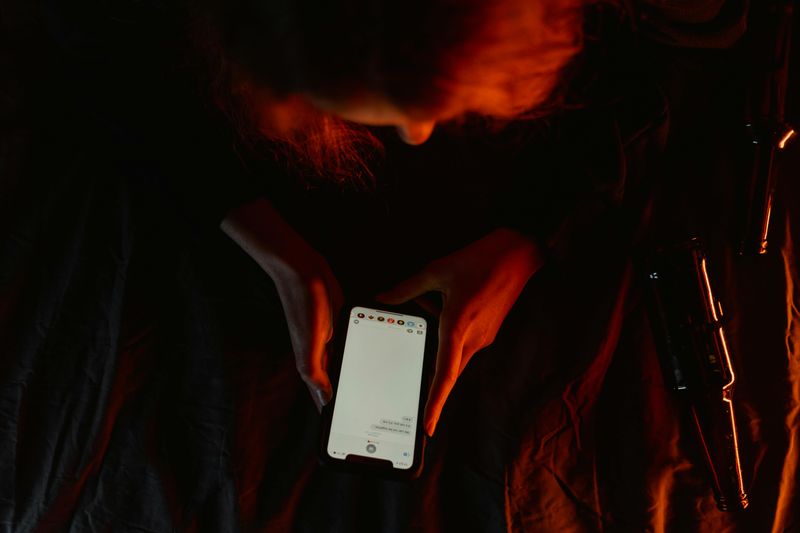
Apps like TikTok, Instagram, and YouTube are designed by teams of engineers to be addictive.
They use algorithms that learn exactly what content keeps you watching.
Each video or post triggers a small dopamine release in your brain, making you crave just one more scroll.
These platforms become especially dangerous at night when your willpower is lowest.
You tell yourself you’ll watch for five minutes, but suddenly an hour has disappeared.
The autoplay features and endless feeds make natural stopping points nearly impossible to find.
Did you know?
Studies show that people underestimate their social media use by about 50 percent, meaning you’re probably scrolling twice as long as you think you are each night.
6. Stress and Anxiety Fuel Late-Night Distraction

When you’re stressed about school, relationships, or life in general, bedtime can feel threatening.
Lying in the dark with your thoughts means confronting worries you’ve been avoiding all day.
Entertainment becomes a shield against uncomfortable feelings and racing thoughts.
Binge-watching shows or playing games provides immediate distraction from anxiety.
Your brain prefers this temporary relief over facing problems head-on.
Unfortunately, sleep deprivation actually increases anxiety levels, creating another harmful cycle that feeds itself.
Mental health professionals note that revenge bedtime procrastination often signals deeper issues with stress management.
Learning healthier coping strategies during the day can reduce the urge to escape at night and improve overall well-being significantly.
7. Your Sleep Debt Keeps Growing Bigger

Each night of shortened sleep adds to your sleep debt, which works like a bank account running in the negative.
Missing two hours tonight means you owe your body two hours of recovery.
Most people accumulate significant sleep debt without realizing how it affects their health and performance.
Teenagers need about eight to ten hours of sleep nightly, while adults need seven to nine hours.
Consistently getting less creates cognitive problems, mood issues, and even physical health risks.
Your immune system weakens, making you more susceptible to getting sick more often.
Unfortunately, you can’t fully repay sleep debt by sleeping extra on weekends.
Your body needs consistent, adequate rest every night to function properly and maintain good health long-term.
8. Breaking the Cycle Requires Intentional Changes

Recognizing the problem is just the first step toward healthier sleep habits.
You need to create a bedtime routine that signals to your brain that sleep time is approaching.
This might include reading a physical book, gentle stretching, or listening to calm music without screens involved.
Set a phone curfew at least thirty minutes before your target bedtime.
Put your device in another room if necessary to remove temptation.
Replace scrolling time with relaxing activities that actually help you unwind rather than stimulating your mind further.
Some people find success by gradually moving their bedtime earlier by fifteen-minute increments.
Others benefit from identifying their daytime schedule gaps where they can reclaim personal time, reducing the nighttime desperation for freedom.
9. Reclaiming Daytime Hours Reduces Nighttime Revenge

The ultimate solution involves restructuring your day to include genuine breaks and personal time.
When you carve out moments for yourself during daylight hours, the urge to steal them at night diminishes significantly.
Even short fifteen-minute breaks for activities you enjoy can make a real difference.
Evaluate your commitments and consider what’s truly necessary versus what you’ve taken on out of obligation.
Learning to say no to some demands creates space for self-care that doesn’t require sacrificing sleep.
Prioritizing your well-being isn’t selfish; it’s essential for sustainable productivity and happiness.
Remember that quality rest makes everything else in life easier and more enjoyable.
You’ll have better focus, improved mood, and more genuine energy for the activities and people you care about most.
Comments
Loading…