
 Isabel Parker
Leaving a tip used to be a simple way to show appreciation for good service.
Now, it feels like everyone has their hand out, from coffee shops to self-checkout machines.
Americans are getting tired of constant tipping requests, and many are starting to push back against this growing expectation that seems to pop up everywhere they spend money.
1. Tip Screens Are Everywhere Now
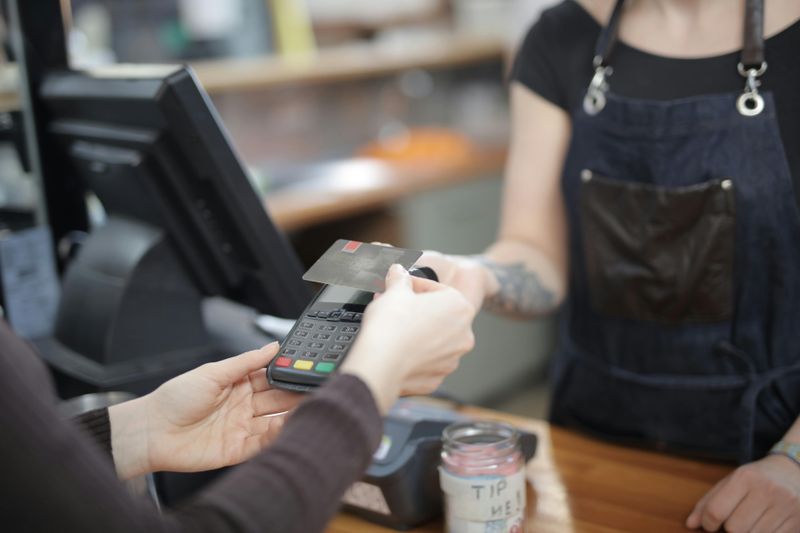
Walk into almost any store today and you’ll face a screen asking for a tip.
Coffee shops, bakeries, even places where you just grab a bottle of water now have those digital payment systems staring you down.
Nearly 80% of shoppers say these self-service tip prompts have gotten out of hand.
Yet almost half of us still see them regularly when we’re just trying to buy something quick.
The awkwardness hits hard when the cashier watches you choose.
You feel pressured to tap a percentage even when nobody actually served you at a table.
This constant bombardment makes people want to avoid tipping altogether rather than deal with the uncomfortable situation every single time they make a purchase.
2. Paychecks Don’t Stretch Like They Used To
Grocery bills keep climbing.
Gas prices jump around constantly.
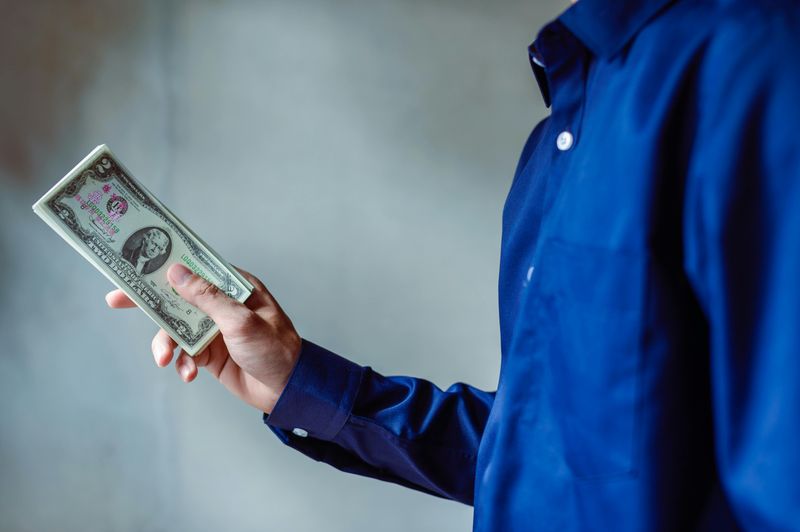
Rent takes a bigger chunk of income each month, and suddenly that extra few dollars for tipping feels like too much.
When 60% of Americans think tipping has become excessive, it’s not because they’re stingy.
Their budgets are stretched thin from inflation hitting everything they buy.
Many families now pick and choose where they can afford to be generous.
Some folks have actually changed what they buy or where they shop just to avoid places with heavy tipping expectations.
It’s a practical choice when money is tight and every dollar counts toward necessities rather than optional gratuities.
3. Businesses Should Pay Their Own Workers

Here’s a thought that more people are having: why should customers be responsible for paying employee wages?
That’s supposed to be the employer’s job, right?
Most Americans believe companies use tips as a sneaky way to avoid paying decent salaries.
Instead of raising base pay, businesses just expect customers to make up the difference through gratuities.
This frustration grows stronger when people realize they’re essentially subsidizing a company’s payroll.
Workers deserve fair compensation directly from their employers, not through the generosity of customers who are already paying for products and services.
The system feels broken when tips become expected rather than earned through exceptional service.
4. Service Quality Doesn’t Always Match Expectations
Remember when tips were rewards for excellent service?
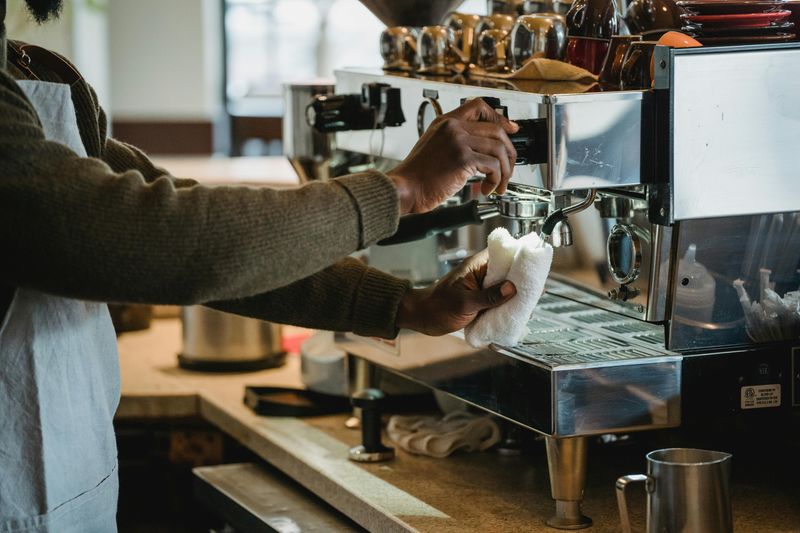
That connection seems lost when you’re asked to tip before anyone has done anything for you.
Half of all Americans agree it’s perfectly fine to leave nothing when service is genuinely bad.
Cold food, rude attitudes, or completely forgotten orders shouldn’t earn the same gratuity as attentive, friendly service.
Pre-entered tip screens at checkout make this even more frustrating because you’re tipping before experiencing any service at all.
You can’t reward quality when you’re forced to decide on a gratuity amount before anyone has lifted a finger.
This backwards approach removes the entire purpose of tipping as performance-based appreciation.
5. The Awkward Pressure of Public Tipping
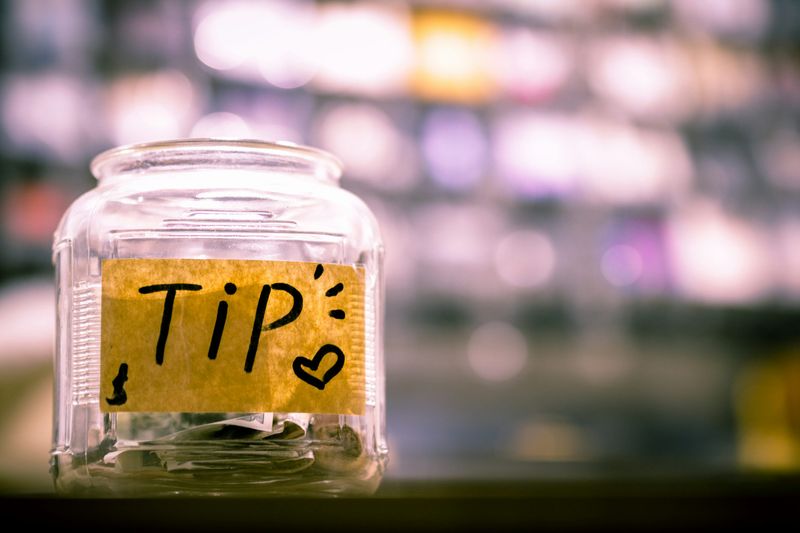
That moment when the screen flips around and everyone can see what you choose?
Absolutely uncomfortable.
The cashier watches, people behind you in line wait, and you feel judged no matter what button you press.
This social pressure tactics built into digital payment systems makes tipping feel manipulative rather than voluntary.
About a third of Americans specifically mention feeling annoyed by these pre-entered tip screens that put them on the spot.
Some people end up tipping more than they wanted just to avoid looking cheap in front of strangers.
Others resent the entire situation so much they’ve started avoiding businesses that use these systems.
Either way, the pressure backfires and creates negative feelings instead of genuine appreciation.
6. Nobody Knows Where the Money Actually Goes
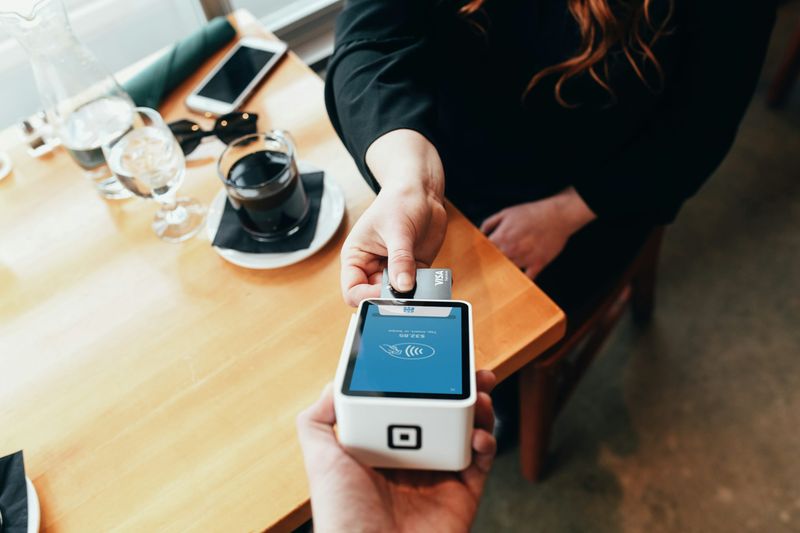
You leave a generous tip, but does your server actually get it?
What about the kitchen staff who cooked your meal?
The uncertainty bothers more people than you’d think.
Many businesses have complicated tip-pooling arrangements or management takes a cut before distributing to workers.
Customers have no way of knowing if their gratuity reaches the person who served them or gets divided among everyone including people who never interacted with them.
This lack of transparency makes tipping feel pointless.
Why be generous when you can’t ensure your money helps the specific person you wanted to reward?
Some restaurants even include automatic service charges that aren’t clearly labeled as tips, adding more confusion to an already murky system.
7. Cultural Attitudes Are Shifting Away from Automatic Gratuities
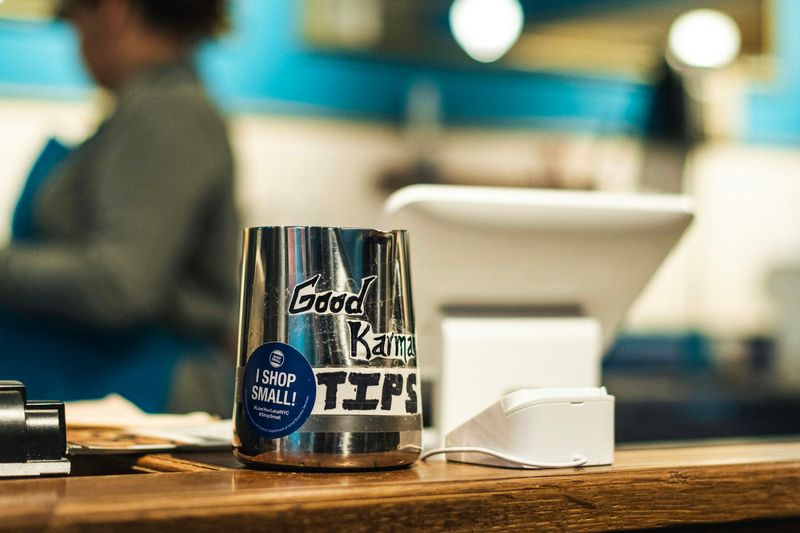
Younger generations especially are questioning why tipping culture exists at all.
They compare American practices to other countries where service workers earn living wages without depending on tips.
Two-thirds of Americans now view tipping negatively overall, representing a major shift in cultural attitudes.
What was once considered polite and expected is now seen as an outdated system that needs reform.
Social media conversations amplify these changing perspectives as people share frustrations and realize they’re not alone in their annoyance.
The collective questioning of tipping norms suggests this isn’t just a temporary gripe but a fundamental reconsideration of how service industries should operate and compensate employees fairly.
8. Suggested Tip Amounts Keep Getting Higher
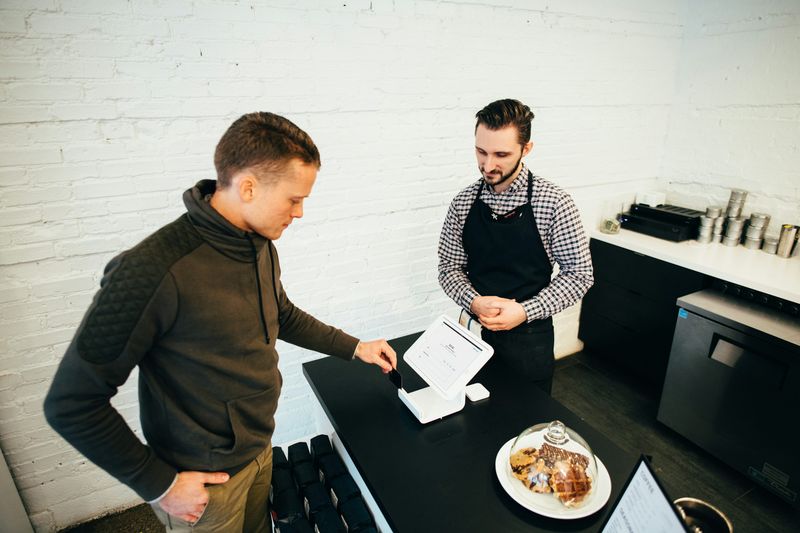
Remember when 15% was standard?
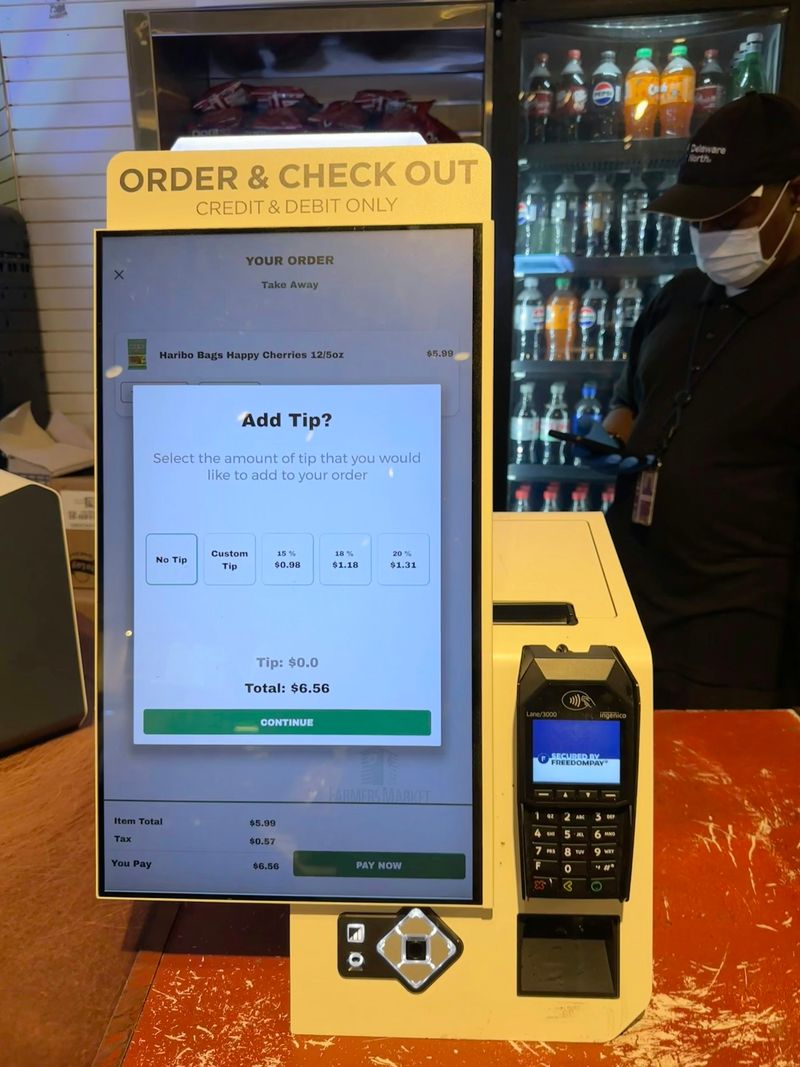
Now those digital screens start at 18% or 20% as the lowest option, with some suggesting 25% or even 30% for basic service.
These inflated default amounts aren’t random—studies show that higher suggested tips actually get people to pay more.
Businesses deliberately set these percentages knowing customers often just tap the middle option without thinking.
The gradual increase feels sneaky and manipulative.
People notice they’re being nudged toward larger tips through clever interface design rather than earning bigger gratuities through better service.
This psychological manipulation breeds resentment and makes customers want to reject the entire tipping system rather than play along with rising expectations.
9. Proposed Tax Changes Might Not Help Everyone
Politicians have proposed eliminating taxes on tip income, which sounds helpful at first.
But dig deeper and the situation gets complicated fast.
The “No Tax on Tips Act” might benefit some workers while creating unfairness for others who earn similar amounts through regular wages.
Some restaurant workers and business owners actually oppose this policy, arguing it doesn’t address the real problem of inadequate base pay.
Tax exemptions could also encourage more businesses to shift toward tip-dependent pay structures instead of offering decent salaries.
Rather than fixing the broken system, this policy might reinforce it and make tipping even more embedded in American work culture when many people want to move away from it entirely.
Comments
Loading…