
 Hailey Watson
Tipping can be confusing, especially when you travel to different countries around the world.
What seems polite in one place might actually be considered rude in another.
Understanding where tips are not expected can save you from awkward moments and help you respect local customs while keeping more money in your wallet.
1. Japan
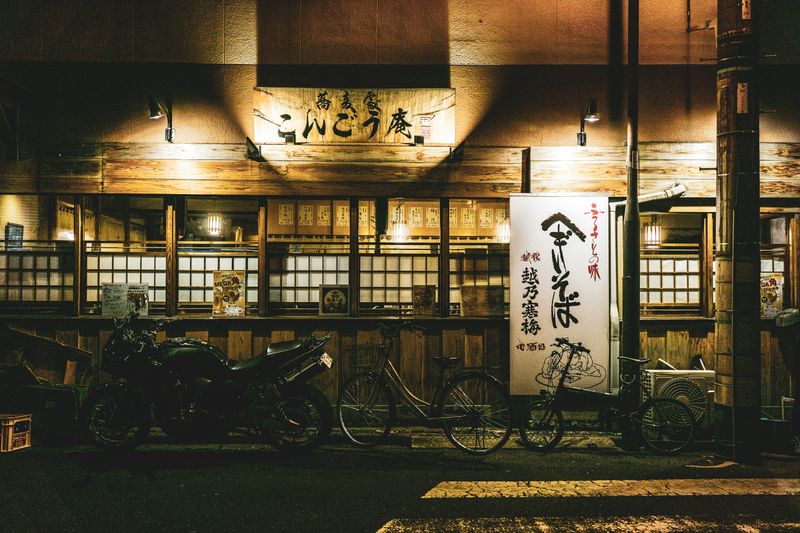
In Japan, leaving a tip can actually make your server uncomfortable or even offended.
The Japanese culture values pride in work, and excellent service is simply part of doing a good job well.
When you try to tip, workers might think you are suggesting they need extra money because they are not paid fairly.
The concept of omotenashi, or wholehearted hospitality, means staff members already give their absolute best effort.
Service charges are never added to bills either.
If you insist on tipping, your server might even chase you down to return the money, thinking you accidentally left it behind.
2. South Korea
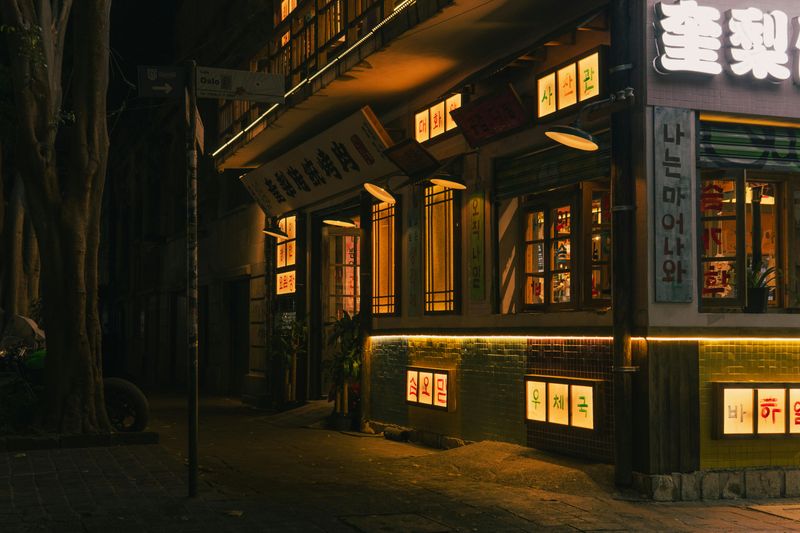
South Korean workers earn fair wages, so tipping is considered unnecessary and sometimes disrespectful.
The practice can make service workers feel awkward because it goes against their cultural values.
Bills already include service charges at most establishments, covering what a tip would normally provide.
Some younger Koreans in tourist-heavy areas might accept tips, but traditional establishments will politely refuse.
The culture emphasizes equal treatment and dignity for all workers.
Attempting to tip might suggest you think the worker needs charity, which can be seen as insulting rather than generous or kind.
3. China
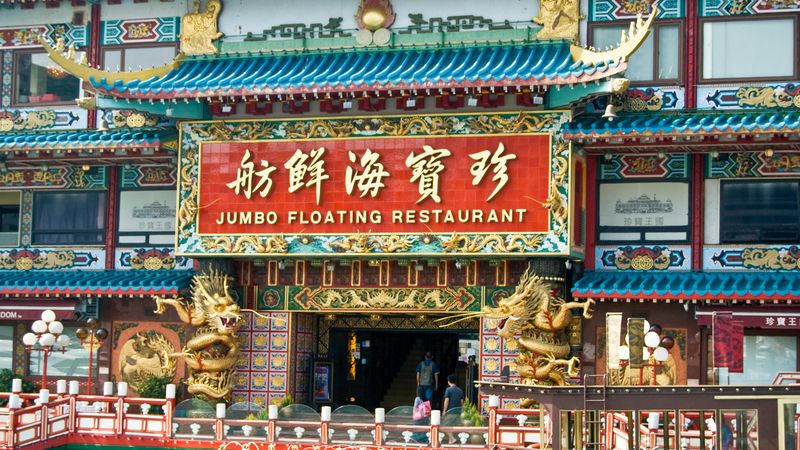
Tipping in China is not part of the culture and can even cause confusion or offense.
Workers receive their wages from employers, and adding extra money might be seen as showing off wealth.
In many cases, staff members will refuse tips or appear puzzled by the gesture.
Some upscale hotels in major cities like Beijing or Shanghai may accept tips from foreign tourists, but it remains uncommon.
The government has historically discouraged tipping as a practice.
Service charges are typically built into your bill already, ensuring workers are compensated fairly without needing additional gratuities from customers.
4. Denmark
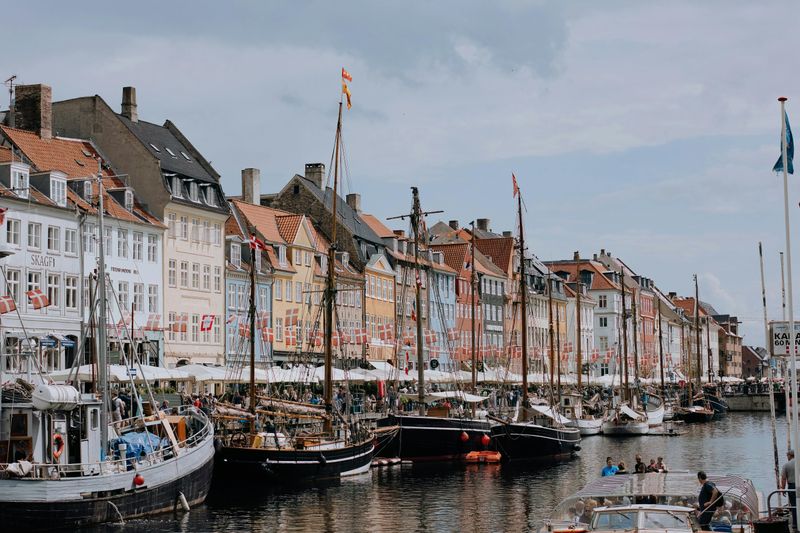
Danish workers earn some of the highest wages in the world, making tipping completely unnecessary.
Service charges are automatically included in every bill you receive at restaurants, cafes, and bars.
The strong labor laws ensure fair compensation, so workers do not rely on tips for their income.
Danes value equality and simplicity in social interactions.
While rounding up a bill for convenience is acceptable, leaving a large tip might seem strange or excessive.
The culture focuses on providing good service as a professional standard.
Your server will not expect anything extra beyond the price listed on your menu or receipt.
5. Belgium
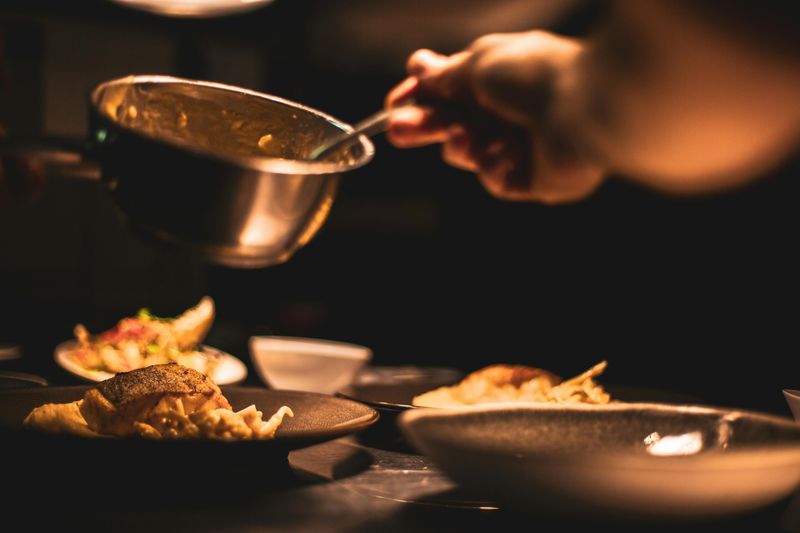
Belgian law requires service charges to be included in all restaurant and cafe bills automatically.
This means workers receive fair compensation without depending on customer tips.
The practice stems from strong labor protections that guarantee decent wages across the hospitality industry.
While Belgians might round up bills to the nearest euro for convenience, substantial tipping is not expected or customary.
Your waiter will provide excellent service regardless because it is their professional duty.
Tourists often overtip without realizing the service charge already covers gratuities, essentially paying twice for the same thing unnecessarily.
6. Iceland
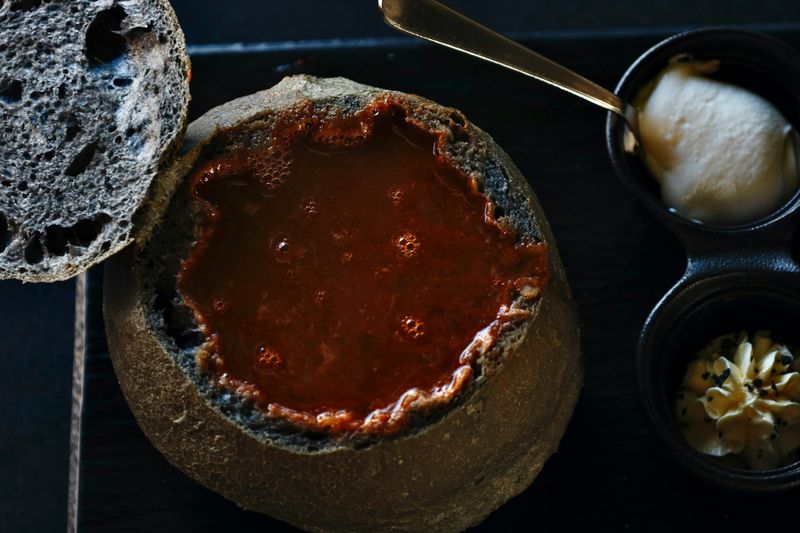
Iceland boasts some of the fairest wages in Europe, so tipping is rare and not expected.
Service charges come included upfront in your bill, covering all aspects of hospitality.
The small population and strong economy mean workers earn competitive salaries without needing supplemental income from tips.
Icelanders find the American tipping culture somewhat puzzling and unnecessary.
Your server will provide friendly, efficient service because they take pride in their work.
Some tourists leave small amounts for exceptional experiences, but locals almost never tip.
The system works smoothly without the pressure or confusion that tipping customs create elsewhere around the globe.
7. Australia

Australian workers receive minimum wages that are significantly higher than in many other countries.
This means tipping is not mandatory or expected in most situations.
Service workers earn a living wage regardless of tips, which removes the financial pressure common in tipping-dependent cultures.
That said, Australians might leave small amounts for truly outstanding service at upscale restaurants.
The gesture is appreciated but never required or anticipated.
Casual cafes, bars, and everyday dining spots operate entirely without tipping expectations.
Your bill reflects the actual cost of your meal, making dining out more straightforward and predictable for everyone involved in the transaction.
8. New Zealand
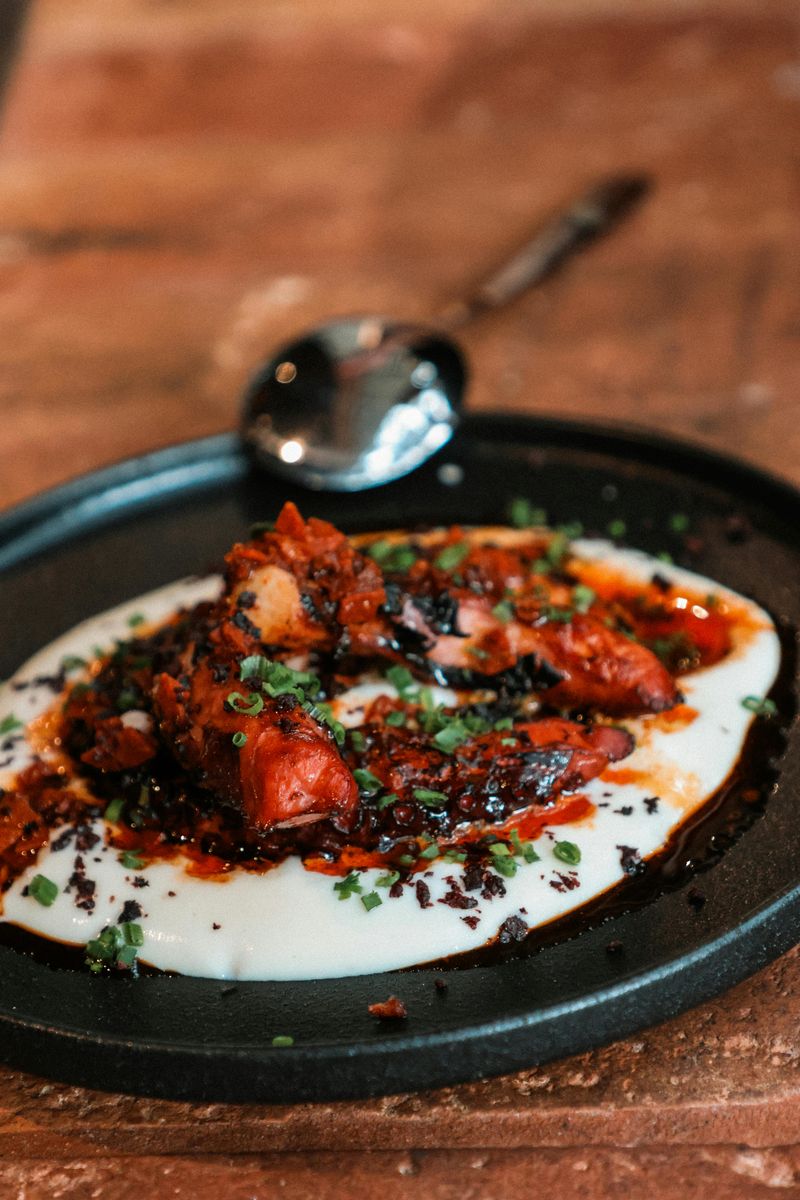
New Zealanders, or Kiwis, receive fair wages that make tipping unnecessary across the hospitality industry.
The culture values straightforward transactions without the complications that tipping can introduce.
Workers provide excellent service as part of their job expectations, not because they hope for extra money.
While some high-end restaurants might see occasional tips for exceptional experiences, it remains uncommon and unexpected.
Most establishments do not even have tip jars or spaces on receipts for gratuities.
The system keeps dining simple and affordable.
You pay the listed price, and everyone involved receives fair compensation through proper wages rather than unpredictable customer generosity.
9. Singapore
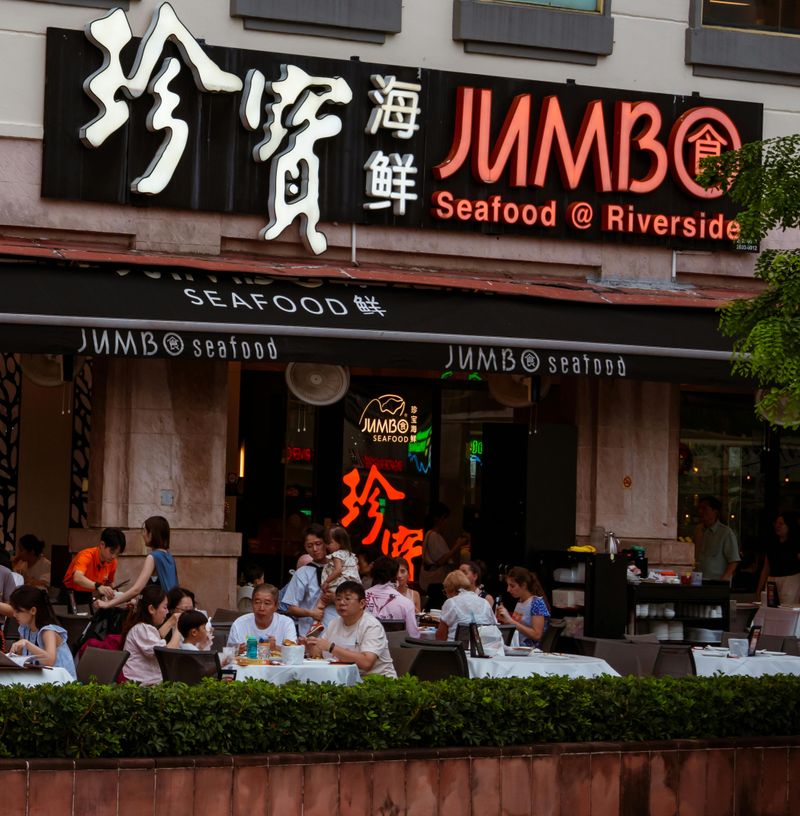
Singapore includes service charges in bills at most restaurants, hotels, and establishments automatically.
Workers receive fair compensation through their regular wages and these built-in charges.
The multicultural city-state has adopted a no-tipping policy that keeps transactions simple and transparent for residents and visitors alike.
Some luxury hotels might accept tips, but it is not expected or encouraged generally.
The government has historically discouraged tipping to maintain service equality.
Your hawker center meal or fancy restaurant dinner costs exactly what the menu states.
This straightforward approach eliminates confusion and ensures everyone knows what to pay without awkward calculations or cultural misunderstandings at checkout.
Comments
Loading…