
 Chloe Peterson
Traveling in the ’60s and ’70s feels almost unbelievable by today’s standards, partly because so many things tourists did back then would either earn a hefty fine—or a full-on criminal charge—now.
Vacationing used to be a little lawless, a little chaotic, and honestly, a whole lot riskier than most people realized at the time.
Rules were looser, boundaries were blurrier, and tourists often behaved like the world was one giant playground with no liability forms attached.
Looking back, it’s no wonder regulations eventually stepped in to save travelers from themselves and, in many cases, to protect the places they were visiting.
These nine once-normal tourist activities now feel wild, reckless, or hilariously unbelievable—but they absolutely happened.
1. Riding on the Roof or Hood of Safari Jeeps

The thrill of standing on a moving safari vehicle once seemed like the ultimate bucket-list moment, and tourists loved every second of it.
Photographers leaned forward to capture lions, elephants, and rhinos with zero regard for balance, and nobody batted an eye.
Guides allowed guests to perch on bumpers or sit on roof racks as long as they held on tightly, which was somehow considered a safety plan.
It all felt daring and cinematic until too many incidents reminded everyone that wild animals and unstable footing are a dangerous combination.
Modern safaris now enforce strict “stay inside the vehicle” rules because both people and wildlife were getting hurt.
It’s hard to imagine doing this today, but at the time, it was marketed as part of the adventure.
2. Taking Souvenirs From National Parks (Including Rocks, Artifacts, and Coral)
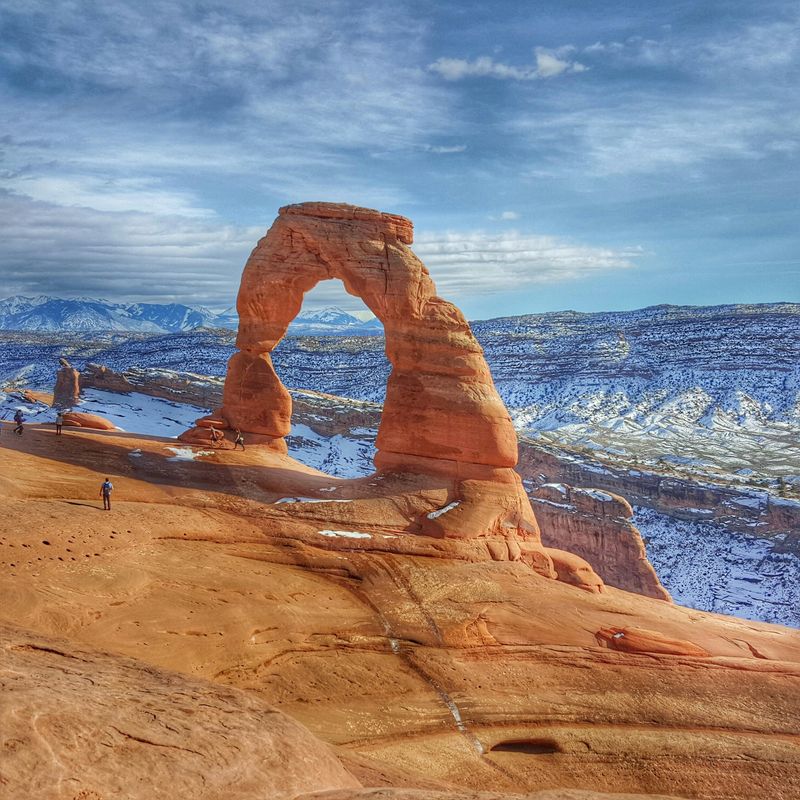
Collecting a rock, a fossil, a shell, or even a piece of coral used to be treated like a harmless keepsake from nature’s gift shop.
Tourists packed their bags with little treasures from every trail and beach, convinced they were doing something charming instead of damaging.
No one realized how quickly thousands of visitors removing “just one thing” added up to serious environmental harm.
Park rangers didn’t have the regulations or manpower to stop it, so the problem grew quietly until ecosystems began showing visible strain.
New laws eventually stepped in to protect the fragile landscapes people loved visiting, and the rules are now enforced with surprising seriousness.
Today, travelers are reminded that the best souvenir is a photograph—not a chunk of the park tucked into a backpack.
3. Walking Wherever You Wanted on Archaeological Sites

Tourists once wandered ancient sites as if they had VIP backstage passes to the entire history of civilization.
People climbed pyramids, leaned on thousand-year-old stones, and casually strolled through spaces that today would be roped off with stern warning signs.
Archaeologists eventually sounded the alarm after noticing that foot traffic, oils from hands, and accidental damage were slowly ruining irreplaceable structures.
Some visitors even carved initials or took small pieces home as mementos, not realizing they were destroying heritage in slow motion.
Preservation efforts eventually forced governments to close off sensitive areas, create controlled paths, and monitor crowds more closely.
Modern visitors might complain about restricted access, but those limits exist because earlier generations treated these wonders far too casually.
4. Swimming With Wild Dolphins or Whales Without Regulation

Jumping into the ocean alongside wild dolphins or even whales once felt like the ultimate vacation brag.
Local tour operators encouraged the experience with minimal supervision, and few people thought about the stress it placed on the animals.
Boats chased pods, swimmers splashed too close, and the excitement of the encounter overshadowed any concern for marine health.
Over time, scientists documented the long-term harm, from disrupted feeding patterns to injuries caused by overly enthusiastic tourists.
Regulations now require distance, permits, or complete bans depending on the region, and enforcement is surprisingly strict.
While modern travelers enjoy safer, more ethical wildlife experiences, it’s astonishing to think how casually people interacted with huge marine creatures in the past.
5. Feeding Wild Animals in National Parks

Tourists once treated wild animals like friendly outdoor pets who just needed a snack.
Cars lined up as visitors dangled sandwiches, crackers, and candy bars out their windows for bears, deer, and anything else willing to approach.
The behavior was encouraged by postcards, travel brochures, and even park staff who didn’t yet understand the long-term consequences.
Feeding wildlife led to dependence, aggression, and countless dangerous encounters that put both animals and humans at risk.
Eventually, strict bans and hefty fines were introduced, along with endless educational campaigns urging people to keep their food to themselves.
Looking back, it’s astonishing how normal this once seemed, considering how fiercely parks now protect natural animal behavior.
6. Smoking Practically Anywhere-Planes, Tour Buses, Museums, and Attractions

Lighting a cigarette was once as common as checking a map, and no one questioned the clouds of smoke filling shared spaces.
Airplanes, buses, restaurants, museums, and even hotel lobbies were filled with travelers puffing away as if ventilation didn’t matter.
The lack of designated smoking areas meant everyone else—kids included—simply inhaled whatever drifted their way.
As health research became impossible to ignore, public pressure grew for major policy changes across the travel industry.
Airlines were among the first to ban smoking entirely, followed by sweeping global regulations that transformed public spaces forever.
Today, the idea of someone lighting up mid-flight feels absurd, but decades ago, it was part of the travel experience.
7. Visiting Volcanic Craters or Geothermal Areas With No Safety Barriers
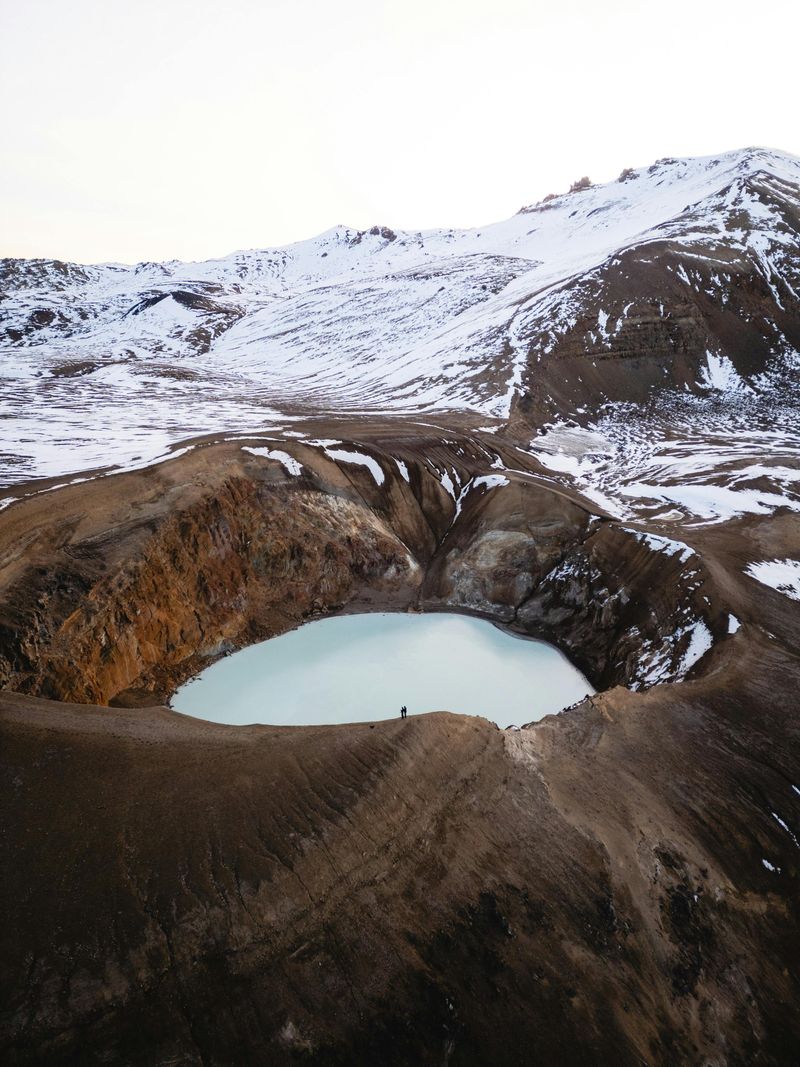
Adventurous tourists once strolled dangerously close to lava flows, geysers, and steaming vents without fully understanding the risks.
Parks lacked the boardwalks, warning signs, and protective zones that now exist, leaving visitors to rely on questionable instincts.
Some people ventured so close to the heat that their shoes melted, and others suffered burns or worse due to unstable ground.
It took numerous accidents and increasing awareness of geological unpredictability to push governments toward tighter safety measures.
Modern parks now enforce strict boundaries and supervised access to keep travelers out of harm’s way.
Looking back, it’s unbelievable how casually people interacted with forces powerful enough to reshape entire landscapes.
8. Climbing or Standing on Fragile Natural Formations
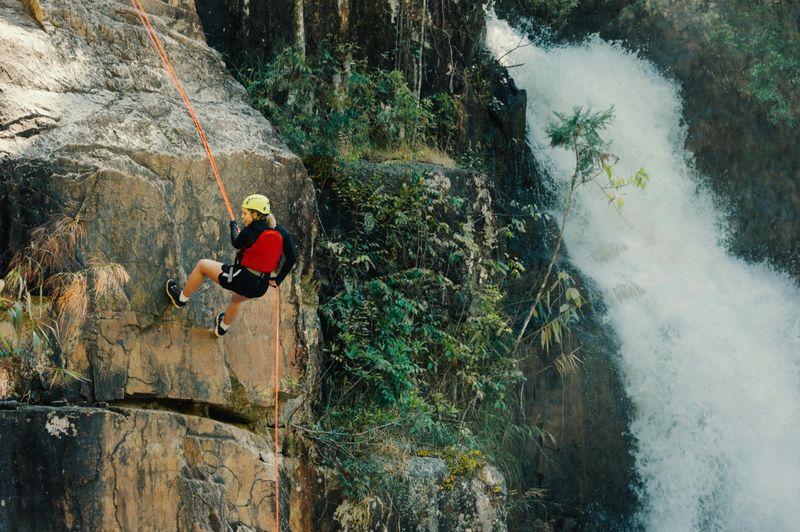
Natural formations once served as scenic jungle gyms for generations of carefree tourists.
People scaled delicate arches, perched atop narrow ledges, and posed with one foot precariously balanced on formations that looked sturdy—but weren’t.
Park officials didn’t yet understand how quickly repeated foot traffic could weaken these structures, leading to sudden collapses.
Some beloved formations eventually fell under their own weight, prompting public outcry and a reevaluation of visitor access.
Strict rules now prohibit touching, climbing, or sitting on most of these geological wonders, with fines for those who ignore the guidelines.
What was once harmless fun is now recognized as a threat to natural beauty that took millions of years to form.
9. Buying Ivory, Exotic Animal Products, or Endangered Wood Items as Souvenirs
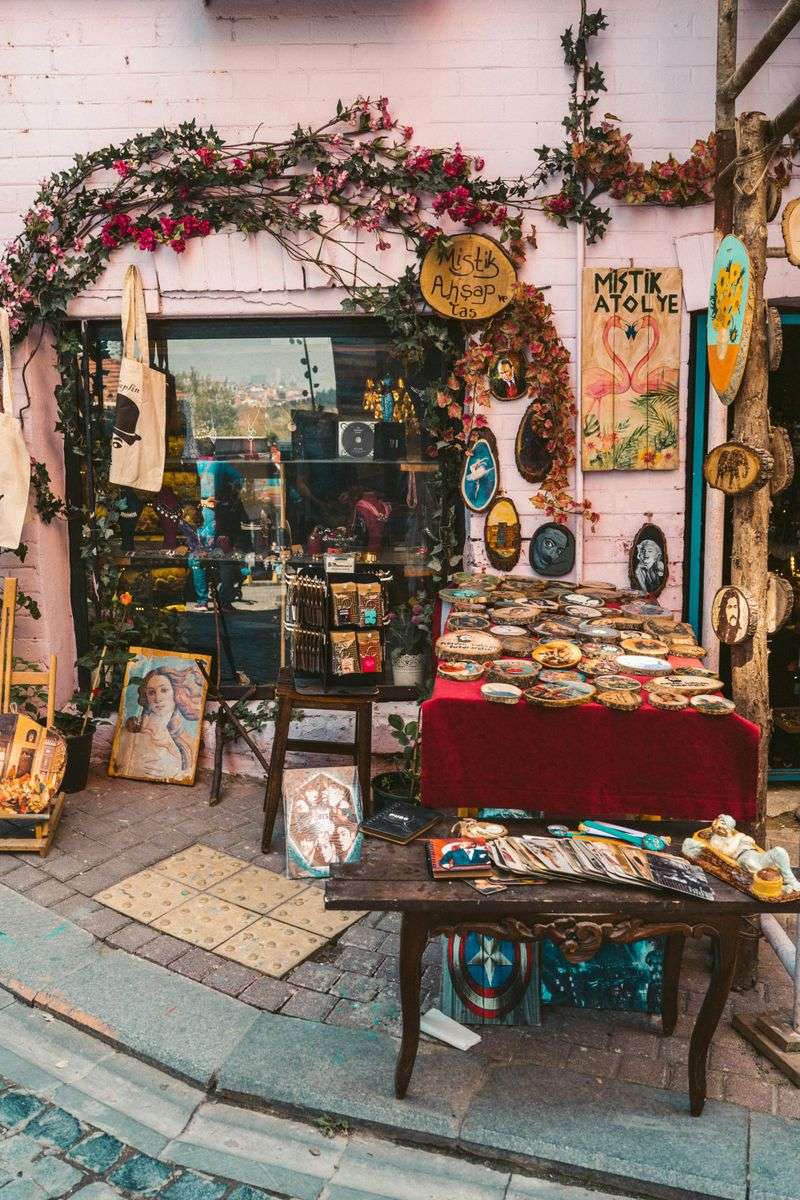
Tourist markets of the ’60s and ’70s overflowed with ivory carvings, tortoiseshell accessories, coral jewelry, and exotic furs.
Shoppers viewed these items as glamorous tokens of world travel rather than products of environmental devastation.
As awareness grew about poaching, overharvesting, and the decline of endangered species, activists pushed for global reforms.
International trade agreements eventually banned the sale and transport of many wildlife-derived souvenirs.
Travelers today are urged to choose ethical, sustainable goods that support local artisans rather than harmful industries.
Looking back at old vacation photos, it’s startling to see how casually these items were once displayed.
Comments
Loading…