
 Jade Reed
15 Things You Should Always Pack in an Emergency Travel Bag

Most people picture an emergency travel bag as a mini suitcase stuffed with outfits, but the real lifesavers are usually the small, boring items.
When travel goes sideways, it’s rarely one big disaster and more often a chain reaction of tiny inconveniences that pile up fast.
A delayed flight becomes a dead phone, which becomes no rideshare, which becomes no hotel access, and suddenly you’re stuck.
The good news is you don’t need expensive gear or a huge bag to feel prepared.
You just need a few smart essentials that handle the most common “what now?” moments like lost luggage, canceled connections, or a surprise overnight stay.
Use this list as your last-minute checklist, and keep your emergency bag stocked so you can grab it without thinking.
1. Printed copies of key documents (ID, passport, insurance, itinerary)
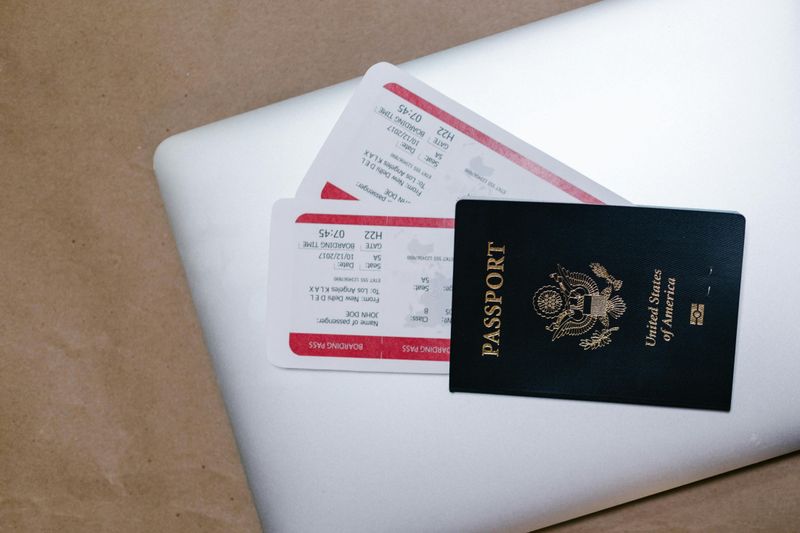
A dead battery is all it takes for your digital life to disappear at the worst possible moment.
Keep printed copies of your ID, passport, travel insurance, reservation confirmations, and emergency contacts in a slim folder or zip pouch.
Paper backups help when airline counters need proof, hotel desks can’t find your booking, or your phone is lost, stolen, or locked out.
Add one page that lists your medications, allergies, and any critical health information, because that can matter in a true emergency.
If you’re worried about privacy, store copies in a sealed envelope and only open it when you need it.
This simple step turns a stressful “I can’t access anything” situation into a solvable problem with a few calm minutes.
2. A second payment method (backup credit/debit card, kept separate)
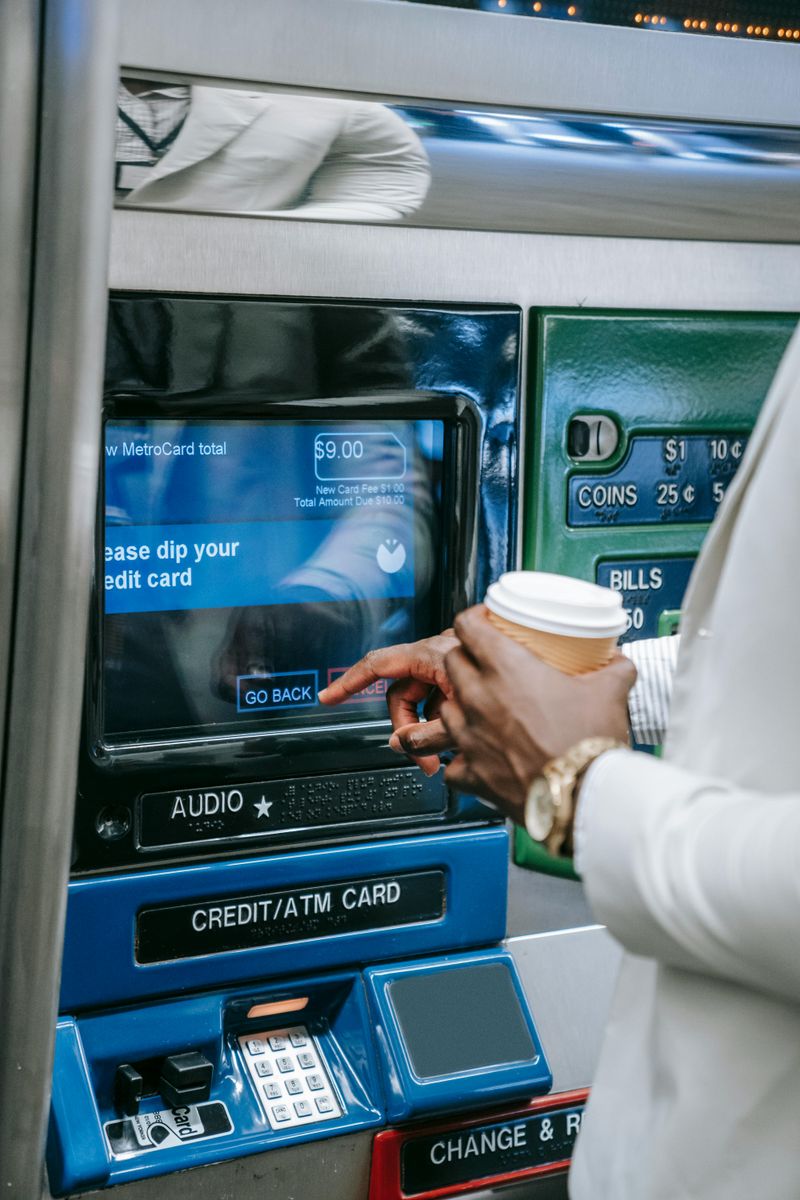
One card getting declined can derail your plans faster than a delayed flight ever will.
Pack a backup debit or credit card and keep it in a different place than your main wallet, like a hidden pocket or separate pouch.
This protects you if your wallet gets lost, a card gets skimmed, or your bank flags travel purchases as suspicious.
If you can, choose a backup card with no foreign transaction fees, because emergencies are not the time to pay extra penalties.
Write down the customer service number on a small note, since a locked phone can make calling support surprisingly difficult.
Having a second way to pay keeps you moving, fed, and sheltered when everything else feels uncertain.
3. Small cash in mixed bills
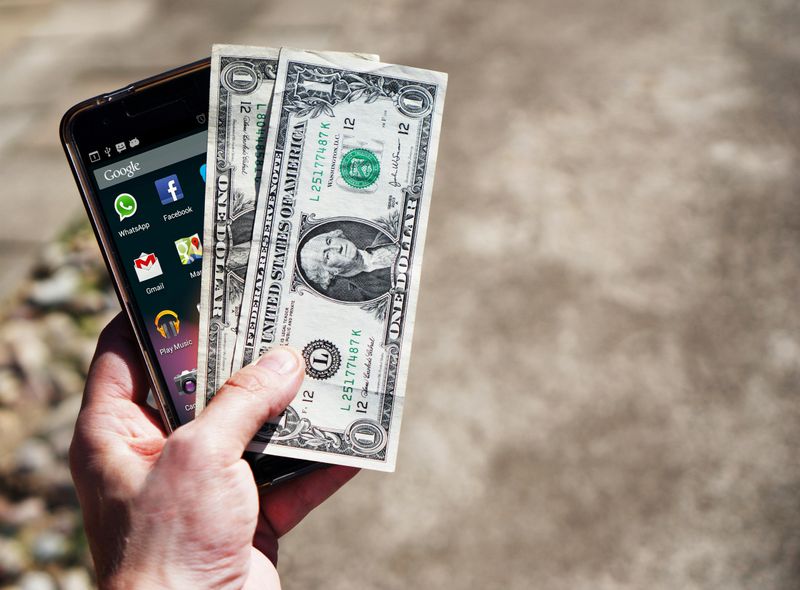
A lot of travelers learn the hard way that “cashless” isn’t always real life when systems go down.
Carry a modest amount of money in small bills so you can handle taxis, tips, small purchases, and emergency snacks without hunting for an ATM.
Mixed denominations matter because many places can’t break large bills, especially during crowded travel disruptions.
Stash the cash in two separate spots, like a wallet and a hidden pocket, so one loss doesn’t wipe you out.
If you’re traveling internationally, a small amount of local currency can save you when exchange counters are closed.
Cash won’t fix everything, but it buys you time and options when tech fails at the worst moment.
4. A tiny power bank + short charging cable
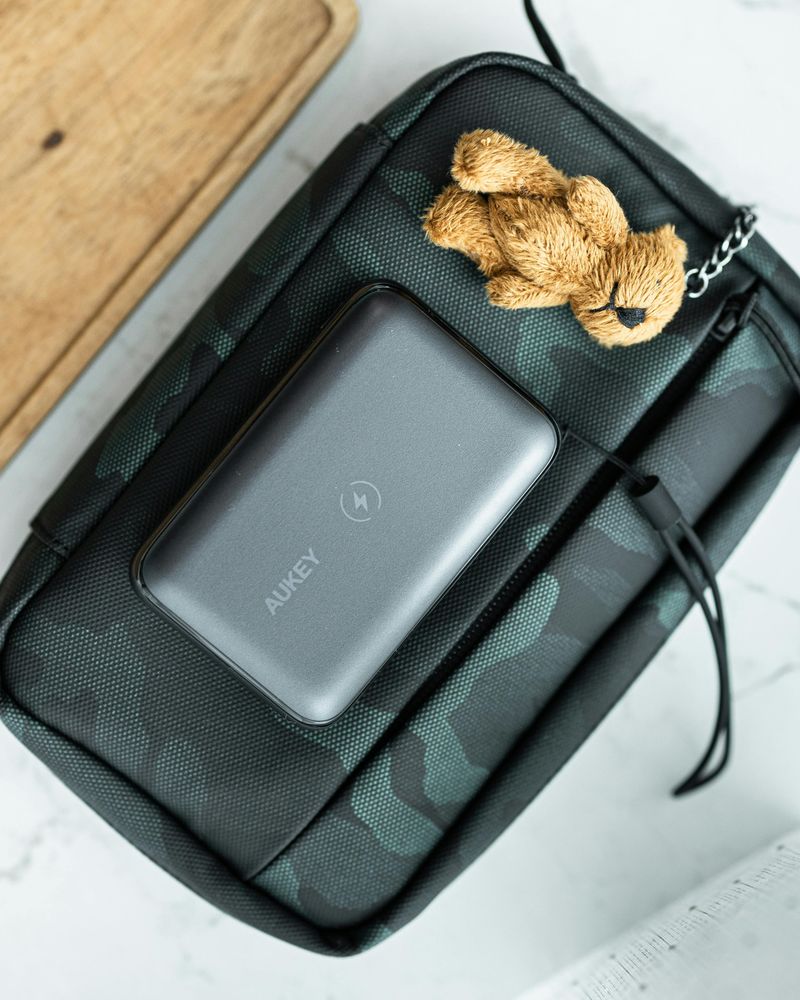
Nothing makes a stressful travel hiccup feel worse than watching your phone drop to one percent.
A compact power bank is only useful if you also pack a short, reliable charging cable that fits your phone and actually works.
Choose a cable you’ve tested, because emergency bags are not the place for the frayed cord you keep meaning to replace.
A short cable is easier to use on crowded benches, in cars, or while standing in line at a customer service counter.
If you travel with multiple devices, consider a small multi-tip cable so you can help yourself without borrowing from strangers.
With power in your pocket, maps, boarding passes, and emergency calls stay available when you need them most.
5. Wall plug + international adapter (if flying)
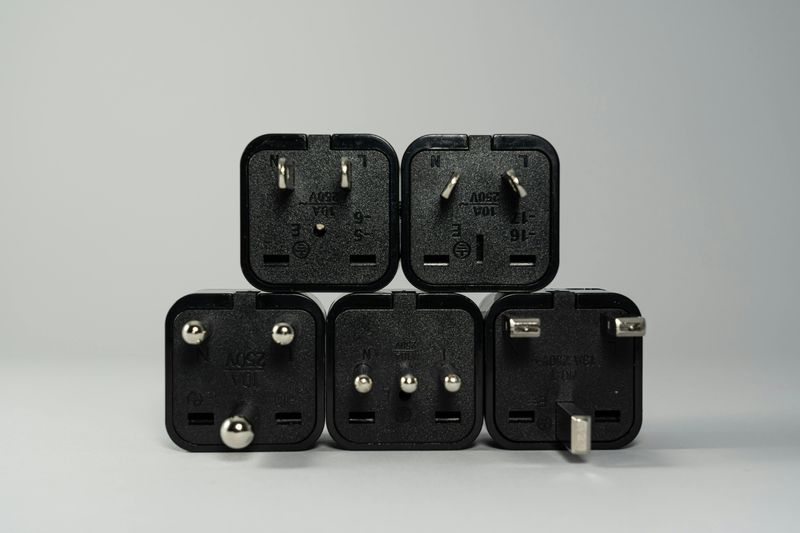
Airport USB ports are convenient until every outlet is taken and the USB station is broken or blocked.
Pack a basic wall charger with a standard plug so you can charge quickly without depending on shared public ports.
If you travel internationally, add an adapter that works in your destination, because the wrong plug turns your charger into dead weight.
A fast-charging wall plug can refill your phone during a short layover, which is often when you’re scrambling to rebook.
Keep the plug and adapter together in a tiny pouch so you don’t end up with one and not the other.
This pairing is one of those unglamorous essentials that quietly prevents hours of avoidable stress.
6. SIM tool + spare eSIM/SIM plan info
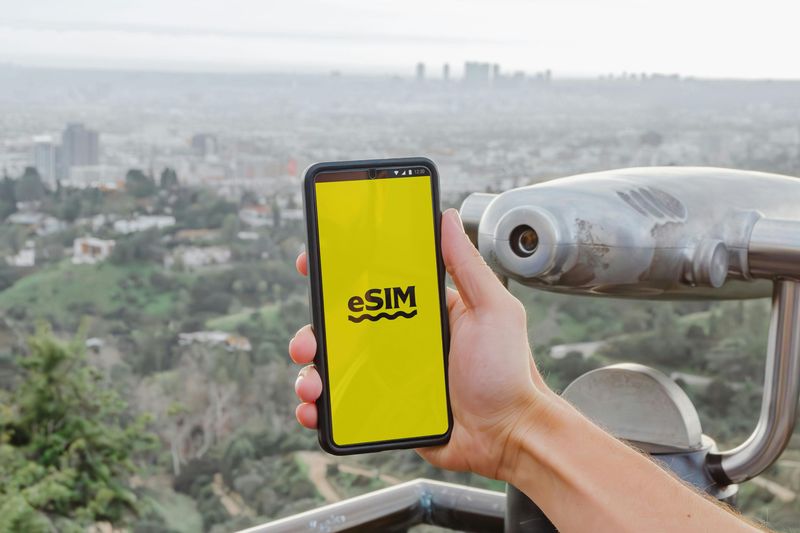
Getting stranded is bad, but getting stranded without internet turns every solution into a guessing game.
A tiny SIM ejector tool or a small paperclip helps you swap SIMs if your phone loses service or you need a local option.
Save your eSIM activation details, carrier login, and customer support numbers somewhere you can access offline, like a printed note.
If your phone is locked out, that information becomes incredibly valuable when you’re trying to restore service in a hurry.
Even if you don’t plan to change SIMs, having the tool and backup info can rescue you during sudden coverage issues.
Connectivity is the invisible lifeline behind maps, banking, translation, and rebooking, so it’s worth planning for it.
7. Mini first-aid kit (bandages, blister pads, antiseptic wipes)
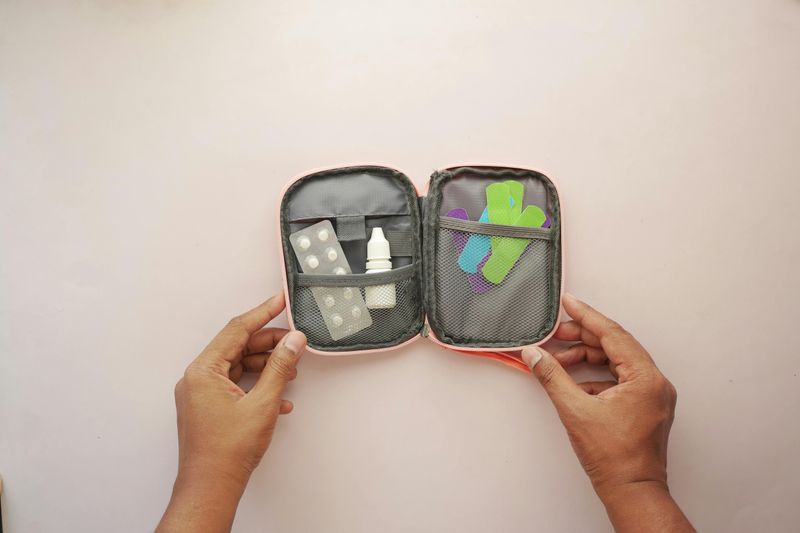
Small injuries feel bigger when you’re exhausted, far from home, and juggling travel chaos.
A mini kit with bandages, blister pads, antiseptic wipes, and a small roll of medical tape covers the most common problems.
Blisters are especially brutal because they can turn an airport dash or long walk into a painful ordeal for days.
Include a couple of pain relievers you know you can take, plus an anti-itch wipe in case you react to something unexpected.
Keep everything in a flat pouch so it doesn’t become bulky, and replace items as you use them.
This is the kind of packable insurance that makes you feel capable when your body is not cooperating.
8. Any daily meds + a 2–3 day buffer
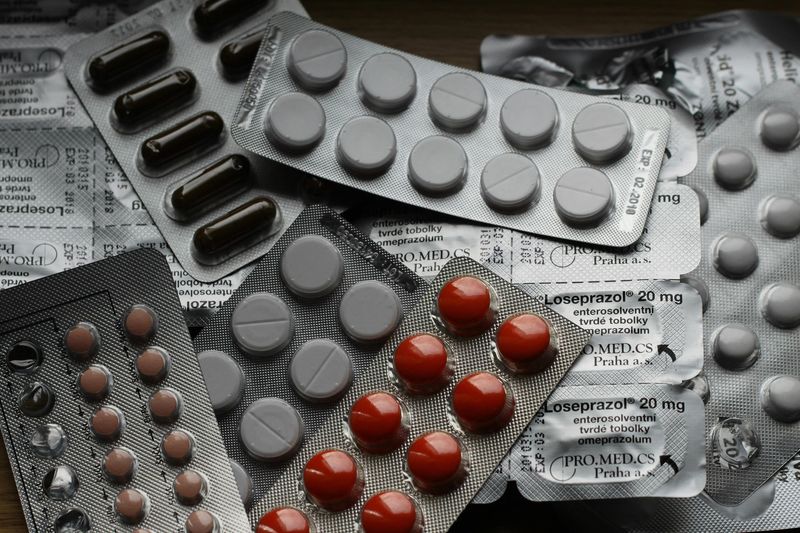
Delays are annoying, but running out of essential medication can become a true emergency quickly.
Pack your daily prescriptions in their original containers when possible, and include a two- or three-day buffer for unexpected travel changes.
Keeping meds in your carry-on instead of checked luggage protects you if bags are delayed, lost, or rerouted.
Add a written list of your medications and dosages so you can communicate clearly if you need help at a pharmacy or clinic.
If you use critical items like inhalers or EpiPens, consider keeping a backup in the emergency bag full-time.
This one habit protects your health and your budget, because emergency replacements are rarely cheap or convenient.
9. Electrolyte packets

Travel stress, dry cabin air, and long days on the move can drain you faster than you expect.
Electrolyte packets are lightweight, shelf-stable, and easy to use with any bottle of water you can find.
They’re especially helpful if you’re sweating in heat, dealing with stomach issues, or simply forgetting to drink enough.
Feeling dizzy, headachy, or unusually tired can be dehydration in disguise, and a quick electrolyte mix can help you rebound.
Choose single-serve packets so you don’t need measuring tools, and keep a few in a resealable bag.
It’s a small add-on that can make you feel human again when your body is running on fumes.
10. A compact flashlight or headlamp
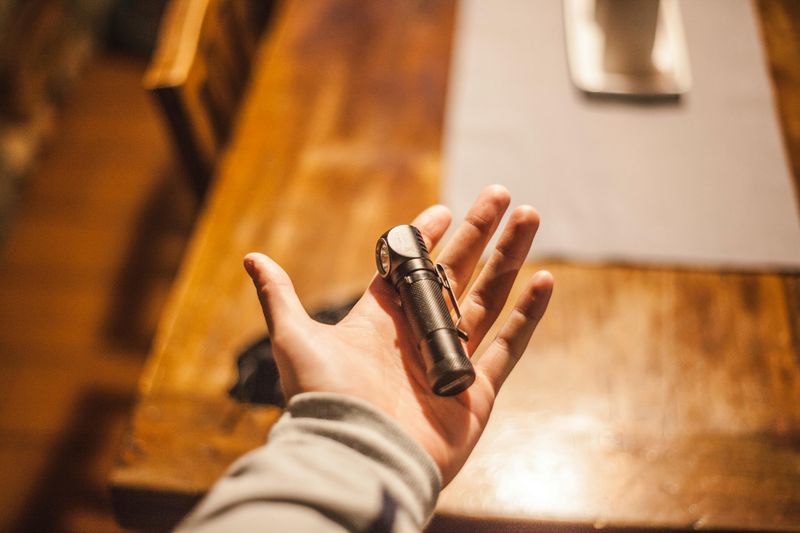
Power outages and poorly lit areas are the kind of surprise nobody plans for, yet they happen more often than you’d think.
A small flashlight or headlamp helps you navigate dark stairwells, find items in a bag at night, or handle roadside stops safely.
A headlamp is especially useful because it keeps your hands free when you’re juggling luggage, kids, or a phone call.
Choose a compact option that uses common batteries or a rechargeable model you can top up with your power bank.
Even in a hotel, a little light can help if you need to pack quietly or locate essentials without waking everyone.
This is one of those items you may never use, but you’ll feel instantly grateful if you ever do.
11. A lightweight tote bag or foldable backpack

Unexpected overflow happens when you buy essentials, lose a bag, or suddenly need to separate valuables from everything else.
A foldable tote or backpack gives you a clean, hands-free way to carry extra items without juggling plastic bags.
It’s also useful for quick day trips, grocery runs, or moving important things with you when you don’t trust a crowded area.
Pick one that folds into its own pocket so it takes almost no space in your emergency kit.
A water-resistant fabric is a bonus because it keeps your belongings safer during rain or messy travel situations.
When things are chaotic, having an extra bag creates instant organization and makes you feel more in control.
12. A warm layer (packable scarf or thin thermal top)

Temperature swings are one of the easiest travel problems to underestimate until you’re shivering under harsh airport air conditioning.
A packable scarf, thin thermal top, or lightweight cardigan can make long waits and cold flights far more tolerable.
Warmth is not just comfort, because being cold can worsen headaches, fatigue, and stress when you’re already running low.
A scarf is especially versatile because it can double as a blanket, pillow wrap, or even a modest cover if your clothes get delayed.
Choose a layer that compresses easily and doesn’t wrinkle into something you’ll hate wearing.
When your travel plans change suddenly, that extra warmth can be the difference between coping calmly and feeling miserable.
13. A spare pair of underwear + socks (zip bagged)

After a long delay or surprise overnight stay, clean basics can feel like a luxury that resets your mood.
Pack one spare pair of underwear and socks in a zip bag so they stay dry, clean, and easy to grab.
These two items matter because they affect comfort more than an extra shirt, especially if you’re walking a lot or sweating in transit.
Dry socks can prevent blisters, reduce odor, and help your feet recover when you’re stuck moving through terminals.
Choose lightweight, quick-drying options so you can wash them in a sink if you need to stretch your supplies.
That small zip bag can deliver a huge “I can handle this” feeling when everything else feels messy.
14. Laundry detergent sheets or a tiny soap vial
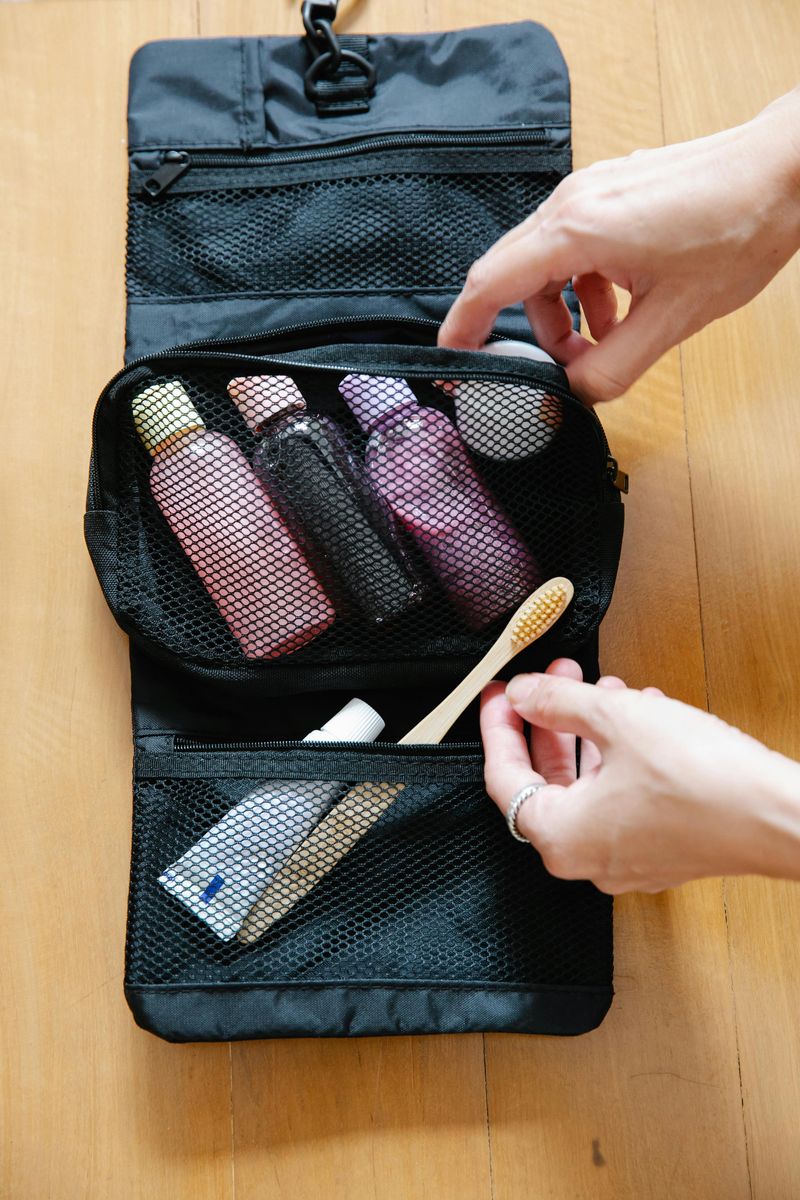
A simple sink wash can rescue your trip when luggage is delayed or you’re stretching a short packing list.
Detergent sheets or a tiny leak-proof soap vial let you clean underwear, socks, or a top without hunting for a store.
This is especially helpful during travel disruptions, because airports and nearby hotels often have limited or overpriced essentials.
Choose detergent sheets if you want the lightest option, because they won’t spill and they take up almost no space.
Pack a small travel clothesline or a couple of clips if you want to level up, but even a towel drying setup works.
Clean clothes won’t solve everything, yet they make you feel refreshed and confident when you’re trying to regroup.
15. A doorstop or portable door lock + earplugs
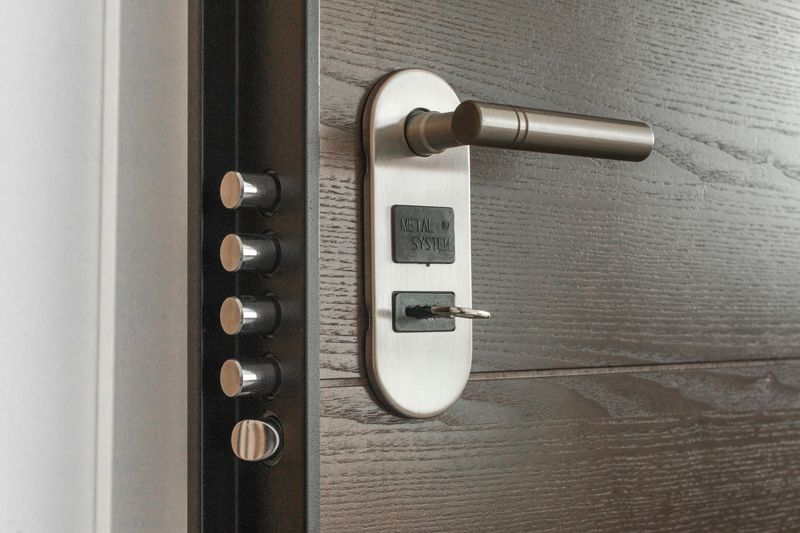
Feeling safe and getting real sleep are two things that turn “survival mode” into “I can think clearly again.”
A simple doorstop or portable door lock adds an extra layer of security in unfamiliar hotels, rentals, or shared accommodations.
Earplugs help you rest even if you’re near noisy elevators, thin walls, or late-night hallway traffic.
Sleep matters during emergencies because exhaustion makes every decision harder, and small mistakes become bigger problems.
Choose comfortable earplugs you’ve tried before, since discomfort can make you rip them out at 2 a.m.
When you protect your rest and your peace of mind, you’re far better equipped to handle whatever comes next.
Comments
Loading…