
 Isabel Parker
12 Travel Scams That Target Women Most

Solo trips and girls’ getaways can be empowering, restorative, and genuinely fun, but they can also draw the attention of people who make money by exploiting trust and hesitation.
Many travel scams aren’t “women-only,” yet they often succeed more easily when someone is trying to be polite, avoid conflict, or stay safe in an unfamiliar place.
Scammers know that a traveler who looks unsure, distracted, or alone may be less likely to push back, make a scene, or demand receipts.
The good news is that you don’t need to travel in fear to travel smart.
A few simple habits—confirming identities, guarding your phone and card, and walking away the moment a situation feels off—can protect your wallet and your peace of mind.
Here are 12 common travel scams that frequently target women, plus what they look like and how to shut them down fast.
1. “Friendly local” who becomes your self-appointed guide

A warm smile and casual small talk can feel like a lifesaver when you’re navigating a new city, especially if you’re alone and trying to look confident.
The problem is that some “instant friends” are working a script that ends with you paying for an unwanted tour, getting pressured into a specific shop, or being guided to a bar where prices mysteriously skyrocket.
Often they’ll frame it as protecting you or showing you “the real local spots,” which can make it harder to say no without feeling rude.
The tip-off is how quickly the interaction becomes directional: they steer you, decide your next stop, and ignore your hints that you’re busy.
Keep control by staying on your route, declining “help” firmly, and refusing to follow anyone to a second location.
2. The “helpful” stranger at ticket machines/ATMs
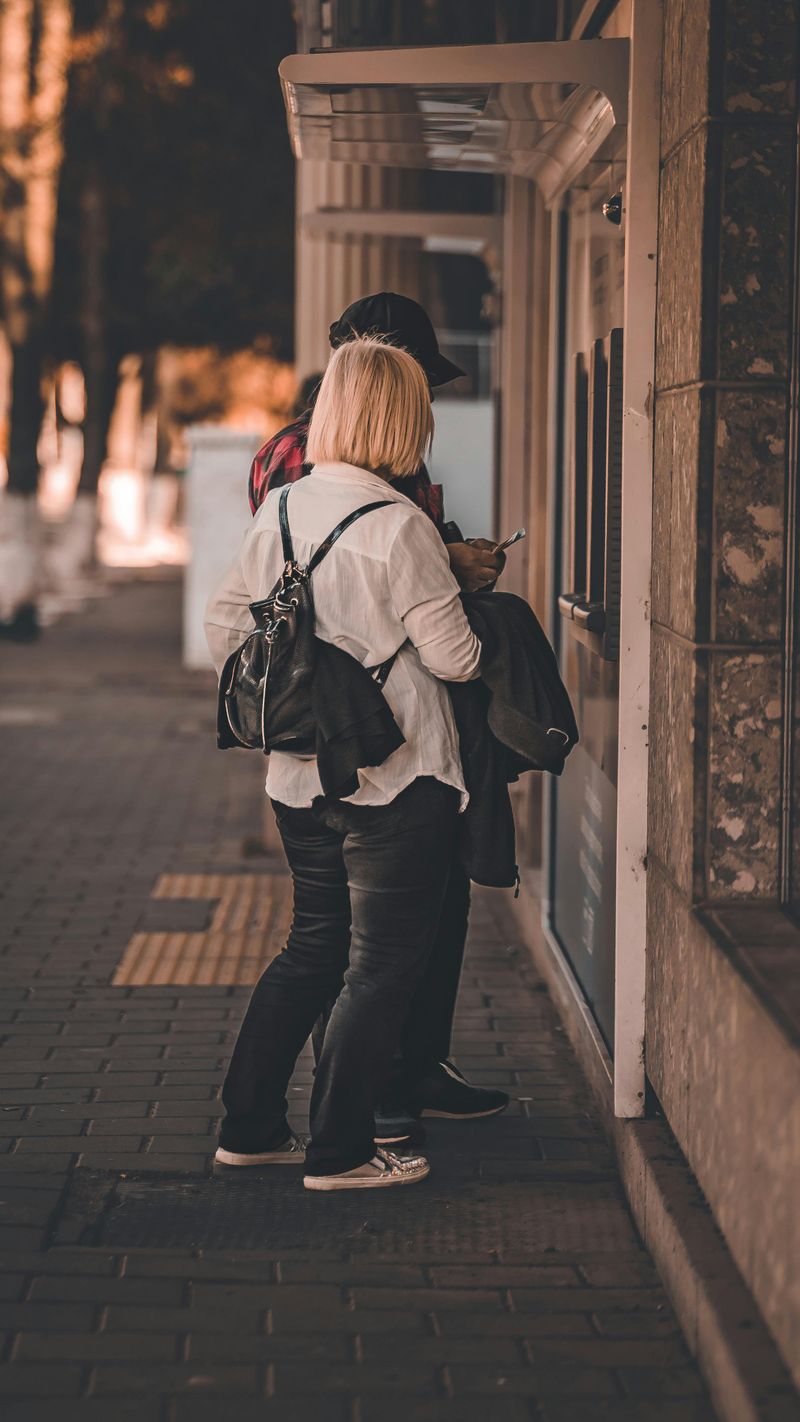
Confusing kiosks and unfamiliar language settings are exactly what scammers look for, because frustration makes people accept help they wouldn’t normally want.
A stranger may stand close and offer to “show you” which button to press, but the goal is often to watch your PIN, distract you while someone else grabs your cash, or swap your bills for lower-value notes.
In some places, an accomplice may hover behind you and take advantage of the moment your attention is split between the screen and the “helper.”
The safest move is to treat any financial transaction like a private task, even if the person seems genuinely kind.
If you’re stuck, cancel the screen, step away, and ask an employee or uniformed staff member for help instead of an unverified bystander.
3. Fake ride-share driver / wrong-car pickup

In busy pickup zones, it’s easy to assume the first car that slows down is yours, which is exactly what scammers depend on.
Someone may call your name, show a phone with a map open, or claim the app is “glitching,” and then pressure you to get in quickly before you think it through.
Sometimes the “driver” is unregistered and will demand cash, take a longer route, or become intimidating once you’re inside and the doors are locked.
The risk goes beyond overcharging, because the situation can become unsafe fast when you’re in a stranger’s vehicle without a verifiable record.
Protect yourself by matching the license plate, confirming the driver’s name in the app, and asking them to say your name first.
If anything feels off, cancel and step into a well-lit area.
4. Taxi meter “broken” + price negotiated after
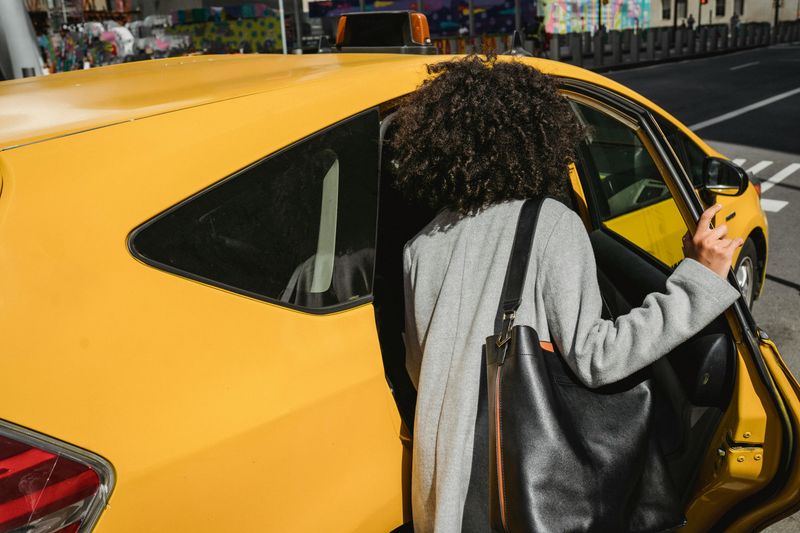
After a long flight or a late night out, a taxi that “just happens” to have a broken meter can sound like a minor inconvenience.
In reality, it’s often the start of an overcharge that becomes impossible to dispute once you arrive.
The driver may agree to a vague price, then claim you misunderstood, add surprise fees, or insist the amount was “per person” or “per bag.”
Some scammers also take longer routes to justify the inflated total, especially if they sense you don’t know the neighborhood.
You’re not obligated to accept a ride under unclear terms, and walking away before you get in is the easiest way to avoid drama.
Ask for the meter to be turned on, request an estimated fare up front if local rules allow, and use licensed taxi stands or app-based rides whenever possible.
5. The drink-spiking / “free shot” setup

A lively bar scene can make travelers feel social and safe, but it also creates the perfect environment for bad actors to blend in.
Sometimes the scam is financial—pushing you to drink more so your bill grows—while other times it’s about lowering your awareness so you’re easier to exploit.
A stranger may offer “a welcome shot,” insist on ordering for you, or pressure you to accept a drink that you didn’t see poured.
Even if nothing criminal happens, the social pressure can trap you in a situation where you feel obligated to stay, keep up, or follow a group to another venue.
You don’t have to justify protecting yourself, and you can decline without explaining.
Keep your drink in your hand, watch it being made, avoid open containers from strangers, and leave immediately if you feel unusually dizzy or disoriented.
6. The bar/club “bill shock” scam
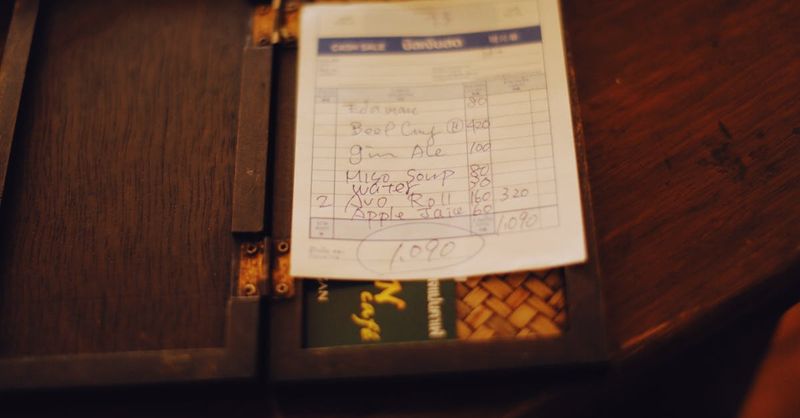
Some venues specialize in turning a fun night into a high-pressure cash grab, and travelers—especially women—are often targeted through friendly invitations.
You might be approached by someone charismatic who insists a certain bar is “safe” and “the best spot,” then once you arrive, menus are unclear, prices are hidden, and drinks appear that you didn’t order.
When it’s time to pay, the total is wildly inflated and the staff becomes aggressive, sometimes blocking exits or threatening to call authorities.
This scam thrives on the fear of making a scene in a foreign place, because many people will pay just to end the confrontation.
The best defense is avoiding any venue you didn’t choose yourself, especially if someone is steering you there.
If you go in, ask for a menu with prices, pay as you go, and leave at the first sign of intimidation.
7. Fake hotel/hostel front desk call

A call to your room can feel official, especially when the person sounds confident and knows basic details like your name or the hotel’s name.
Scammers may claim there’s an issue with your card, a problem with your booking, or a requirement to “verify” your passport information, and they’ll push you to read card numbers aloud or confirm security codes.
Sometimes they pressure you by saying you’ll be locked out of your room if you don’t comply immediately, which is designed to override your common sense.
The easiest way to break the spell is to stop treating the call as authoritative and start verifying it independently.
Hang up and call the front desk using the number on your key card or the hotel’s official website, or walk to reception in person.
A legitimate staff member will never need your full card details or one-time codes over the phone.
8. “Your room is canceled—pay again” message

When you’re juggling flights, maps, and check-in times, a message claiming your reservation failed can trigger instant panic.
Scammers imitate popular booking platforms and send emails or texts saying your payment didn’t go through, your room was canceled, or you need to “reconfirm” by clicking a link.
The link often leads to a fake page that looks real enough to capture your card number, login credentials, or passport details.
What makes this scam so effective is timing: it often arrives right before check-in, when you’re tired and more likely to act quickly.
Slow the moment down by avoiding links in the message entirely.
Open the booking app directly, or type the hotel’s website into your browser, and check the reservation status there.
If you’re unsure, call the property using a verified number, and never re-enter payment information from a message you didn’t expect.
9. The “broken phone—can I borrow yours?” distraction
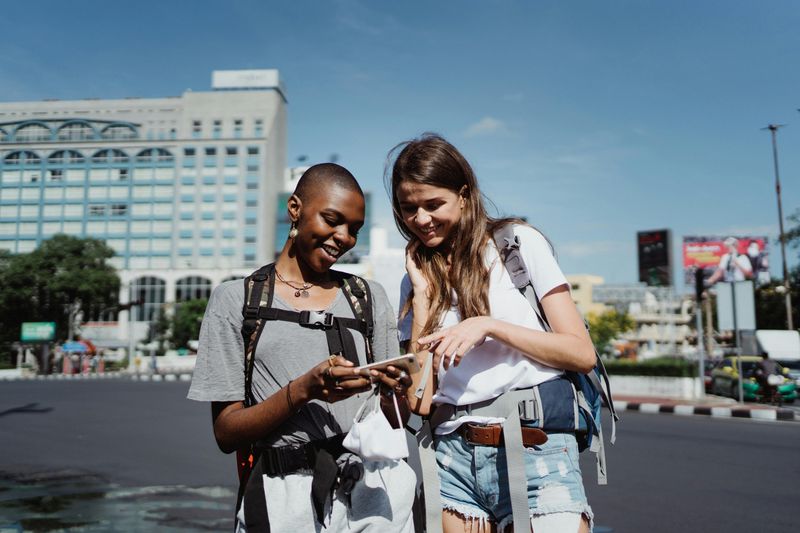
A small request can be disarming, especially when someone looks stressed or vulnerable and asks for “just one quick call.”
In tourist-heavy areas, scammers use this tactic to get access to your unlocked phone long enough to transfer money, open payment apps, change passwords, or message contacts for “emergency” help.
In other cases, they simply grab the phone and run, counting on the confusion and your hesitation to chase them.
The emotional hook is that many women are socialized to be helpful, and refusing can feel cold in the moment.
You can still be kind without handing over your most valuable device and identity hub.
If you want to help, offer to make the call on speaker while you hold your phone, or point them to a nearby shop or police station.
Keep your phone secured, and enable screen locks and payment app protections before traveling.
10. Bracelet/henna/“gift” that turns into harassment

Some scams begin with an unwanted “present” that is physically placed on you before you can react, which creates a sense of obligation that’s hard to shake.
Someone might tie a bracelet around your wrist, start drawing henna, hand you a flower, or drape something over your shoulder while chatting and smiling.
Once it’s on you, the tone changes and payment is demanded, often with aggressive guilt-tripping or crowding that makes you feel trapped.
The goal is to make you pay quickly so the confrontation ends, especially if you’re alone and don’t want attention.
The best strategy is preventing the item from touching you in the first place by keeping your hands to yourself and stepping back when someone approaches with objects.
If it happens anyway, remove it immediately, place it on the ground or hand it back, and walk away without negotiating.
11. Pickpocket teams using “girls’ night” energy
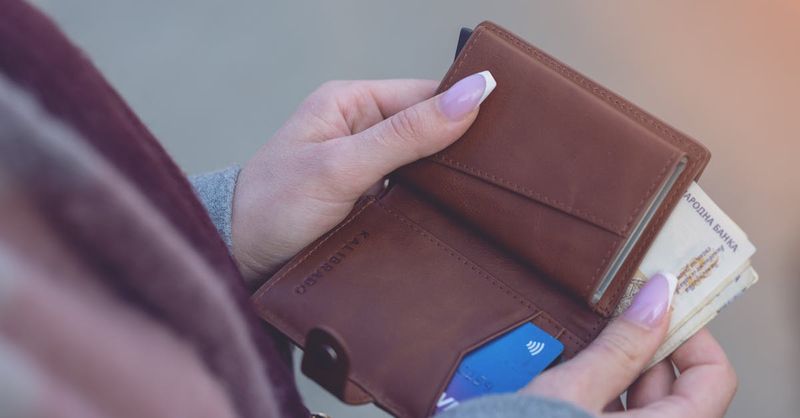
Not every theft looks like a crime in progress, because pickpocket teams often disguise their work as friendly, chaotic fun.
A group may crowd you with compliments, ask for selfies, hug you, or create a playful moment that feels harmless, while a partner uses the distraction to lift your phone or wallet.
Women travelers are frequently targeted because scammers assume you’re carrying a phone in a back pocket or a small crossbody that’s easier to unzip in close contact.
The emotional trick is making the interaction feel like instant friendship, so you relax your boundaries and your belongings.
You don’t need to become suspicious of everyone, but you do need to protect your space.
Keep your bag zipped and in front of you, avoid placing phones on café tables, and be extra alert during any unexpected crowding.
If someone gets unusually close, step back, check your valuables, and move on.
12. Romance + “I’ll keep you safe” manipulation
A fast, intense connection can feel exciting when you’re traveling, especially if someone makes you feel protected and understood in an unfamiliar place.
Unfortunately, some scammers use romance as a tool, love-bombing you with attention and then escalating to requests that sound reasonable in the moment.
It may start with small favors—covering a dinner, lending cash, sharing a ride—and then turn into bigger “emergencies,” sudden financial problems, or pressure to reveal where you’re staying and when you’ll be alone.
In some cases, the person’s real aim is theft or extracting money, and the emotional momentum makes it harder to see the red flags.
You can enjoy dating while traveling without handing over control of your plans.
Keep your accommodation private, avoid sharing itinerary details, meet in public places, and be wary of anyone who pushes for quick commitment or financial help.
If you feel rushed, that’s your cue to slow down and step away.
Comments
Loading…