
 Mila Ross
We celebrate growth, yet some “improvement” habits quietly hollow us out. When drive becomes a disguise for fear, even the most disciplined routines can erode self-trust. This article reveals seven popular obsessions that look productive on the surface but are fueled by insecurity underneath. If you’ve ever wondered why progress still feels empty, these patterns will help you see what’s really running the show.
The Endless Productivity Chase
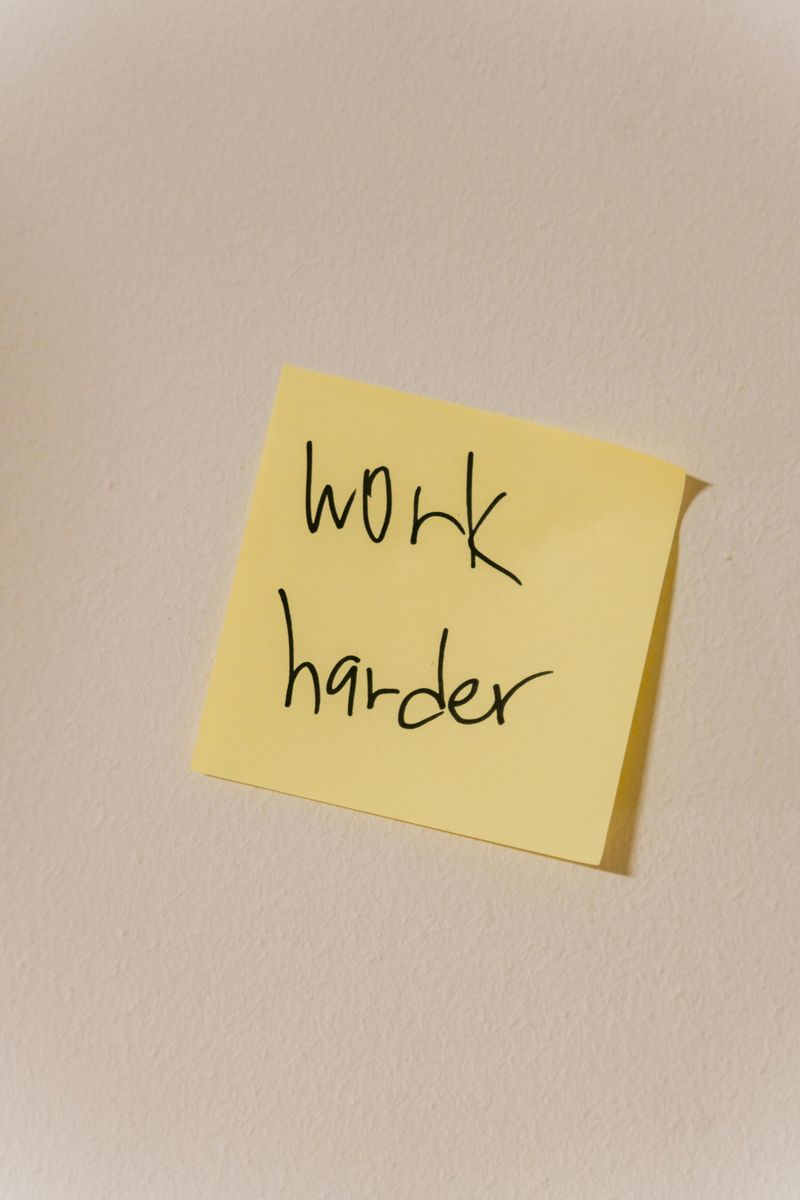
Relentless optimization—micro-managing sleep, stacking habits, and tracking every minute—can masquerade as ambition while secretly policing worthiness. Beneath the dashboards and streaks is often a fear of being lazy, unlovable, or left behind. Productivity then becomes moral theater: if you’re not maximizing, you’re failing. The trap is that metrics rarely soothe shame; they amplify it by moving the finish line. Healthy structure supports purpose; compulsive tracking replaces it. Try asking, “What would I do if I already felt enough?” and “What metric could I stop measuring without losing myself?” Reclaim boredom, buffer time, and imperfect effort. Achievement expands when it’s fueled by meaning, not by self-surveillance.
The Need to “Fix” Every Flaw

When every quirk, trigger, or emotion becomes a problem to solve, growth morphs into self-rejection. The constant impulse to diagnose, heal, and optimize can imply a core belief: “I’m broken unless improved.” That story keeps you in perpetual repair, never at home in yourself. Real development embraces paradox—being both a work in progress and already worthy. Try pausing the fix-it reflex: name what hurts, let it exist, and practice care instead of correction. Seek tools that deepen acceptance, not only control. Healing often accelerates when urgency decreases. You don’t have to earn belonging by becoming a project; you are allowed to be a person first.
Overconsumption of Self-Help Content
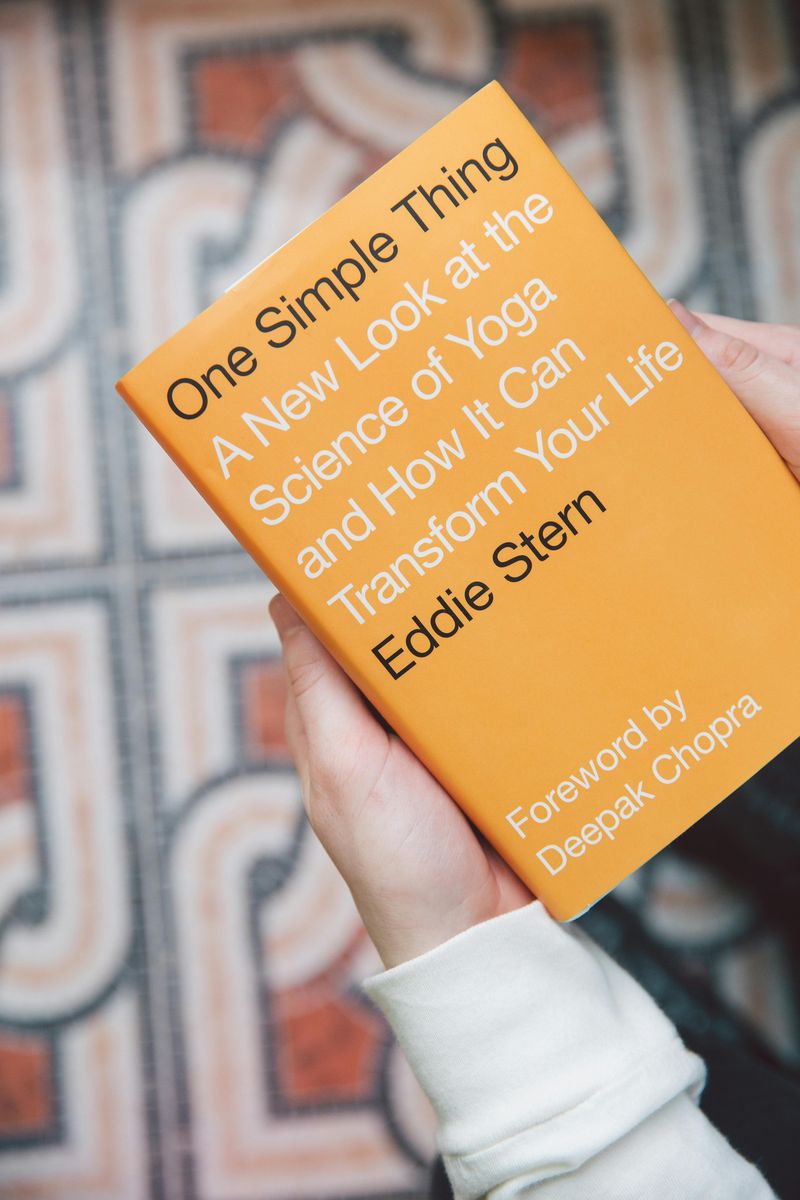
Endless books, podcasts, and courses feel productive, yet application is rare when doubt eclipses self-trust. Overlearning becomes a sophisticated delay tactic—a way to outsource judgment and avoid the risk of imperfect action. The inbox fills; life does not. Curate a small, living syllabus: one idea, one experiment, one week. Replace information hoarding with iteration and reflection. Ask, “What’s the smallest action I’m avoiding by researching?” Wisdom emerges through doing, not by downloading more frameworks. When you stop chasing the perfect method, you rediscover your own agency—messy, present, and powerful. Knowledge is potential energy; courage is the spark that turns it into motion.
Chasing Constant Reinvention

Rebrands, new identities, and dramatic pivots can look bold while masking discomfort with your current self. Reinvention becomes a moving target—an escape hatch from the uneasy intimacy of staying. If you can’t rest now, no future version will feel complete. Depth often hides behind consistency, not reinvention. Try a season of rootedness: commit to one practice, one direction, one identity long enough to meet its lessons. Experiment within constraints rather than discarding them. Let evolution be compost—slow, rich, organic—rather than a costume change. Stability can be the bravest growth: learning to occupy your life, not just redesign it.
Comparing Personal Growth to Others

When progress becomes a scoreboard—minutes meditated, books read, routines perfected—you’ve traded growth for status management. Comparison disguises insecurity as discipline, turning inner work into performative competition. But your nervous system, history, and values are not interchangeable with anyone else’s. Metrics can inform, not define. Reorient to fit: “What practice serves my season?” Celebrate micro-wins invisible to algorithms: gentler self-talk, clearer boundaries, honest rest. Instead of benchmarking against strangers, calibrate against yesterday’s you. The point isn’t to win; it’s to become more whole. Maturity is when you can admire someone’s path without abandoning your own.
Toxic Positivity and Forced Optimism

Insisting on silver linings can exile grief, anger, and fear—the very signals that guide repair. Forced optimism often hides fear of burdening others or being rejected for messy emotions. But suppressed feelings don’t disappear; they reroute into burnout, numbness, or resentment. Real resilience integrates the full spectrum: naming pain, seeking support, and choosing hope without denial. Practice emotional range: journaling unfiltered, sharing honestly with safe people, and using language that holds both/and. Optimism is strongest when it’s reality-tested. Let joy sit beside sorrow; both are teachers. Growth is not smiling harder—it’s feeling fully and responding wisely.
The Identity of “Always Improving”

When self-improvement becomes your entire persona, stillness feels threatening—who are you without the next upgrade? This identity can mask fear of ordinariness, aging, or being unremarkable. Yet life isn’t a startup to endlessly scale; it’s a relationship to inhabit. Try identity diversification: friend, neighbor, creator, playful amateur. Schedule aimless time that yields no content or metrics. Practice sufficiency: declare a day “complete” without proof. Paradoxically, growth deepens when it stops auditioning for worth. You are allowed to be a human story, not a constant pitch deck. Sometimes the bravest move isn’t to strive—but to stay, savor, and belong.
Comments
Loading…