
 Mila Ross
These 10 Gifts Should Never Be Regifted—Here’s Why

Regifting can feel like a harmless little life hack, especially when budgets are tight and closets are full of unused stuff.
But etiquette experts say not all gifts are created equal, and some items should never make a second appearance.
While regifting can be thoughtful when done correctly, doing it wrong can quietly damage relationships or leave a bad impression.
The tricky part is that many regifting mistakes aren’t obvious until someone feels awkward, offended, or silently judged.
That’s where etiquette rules come in, acting as a kind of social safety net.
If you’ve ever wondered whether something sitting in your gift drawer is safe to pass along, you’re not alone.
Before you wrap it up and hope for the best, it’s worth knowing which items should stay firmly in your possession.
According to etiquette experts, these are the gifts you should never regift—no matter how tempting it may be.
1. Personalized Items
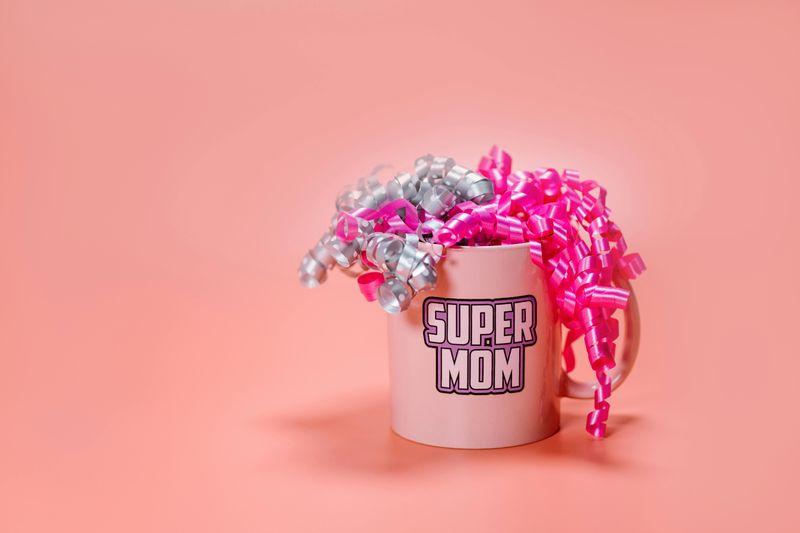
That monogrammed mug or photo frame might be unused, but it already has a story that isn’t yours to rewrite.
Etiquette experts agree that anything customized for someone else automatically becomes non-transferable.
Seeing another person’s name, initials, or personal message can make a recipient feel like an afterthought.
Even if you think they won’t notice, people almost always do.
Personalized gifts are meant to reflect a specific relationship or moment in time.
Passing them along strips away the sentiment and replaces it with awkwardness.
It can also raise uncomfortable questions about why you didn’t want something made just for you.
When in doubt, remember that personalization is the social equivalent of a return address.
If it wasn’t made with your recipient in mind, it doesn’t belong in their hands.
Some gifts are better kept private or quietly donated instead.
2. Used Beauty or Skincare Products
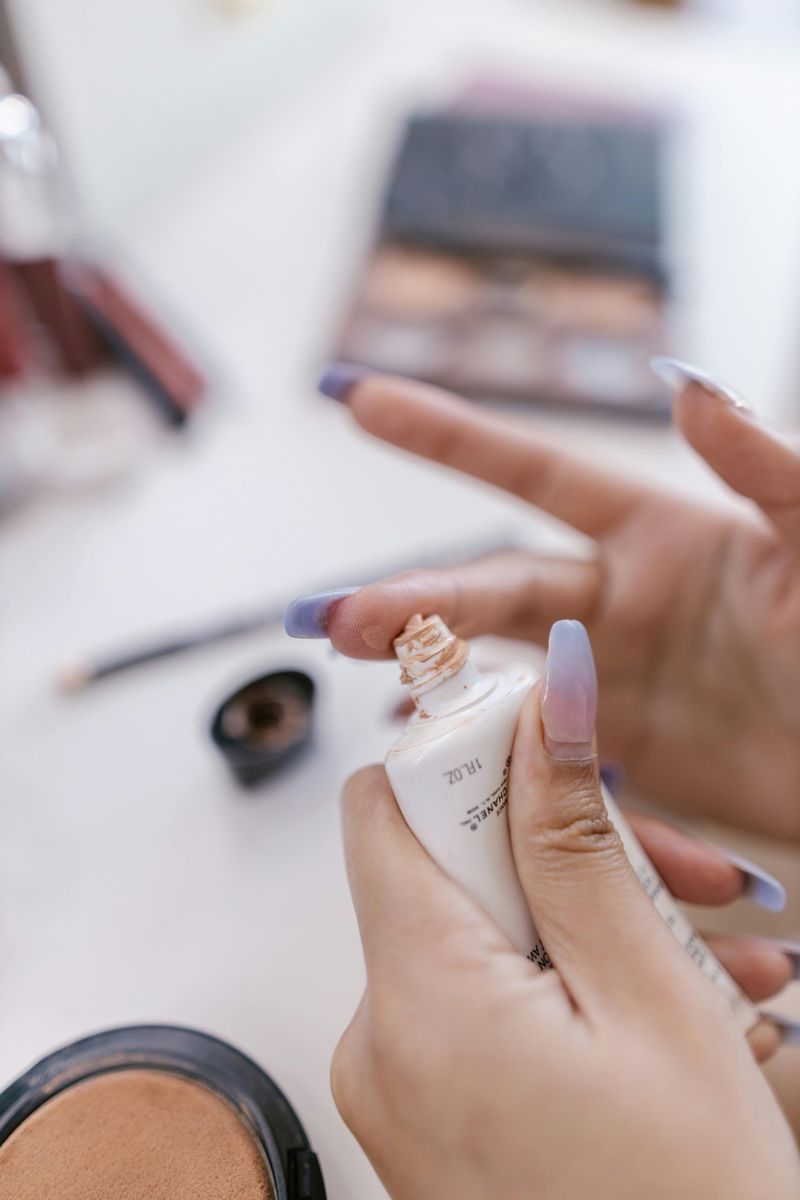
It may seem wasteful to throw away barely used beauty products, but etiquette experts say regifting them is a firm no.
Once a product has been opened, it crosses an invisible but important line.
Makeup and skincare are personal items tied closely to hygiene and health.
Even close friends can feel uncomfortable receiving something that may have touched someone else’s skin.
There’s also the issue of expiration dates and bacteria growth, which isn’t always obvious from the outside.
Regifting opened products can unintentionally signal carelessness rather than generosity.
Experts recommend treating beauty items the same way you would toothbrushes or razors.
If it wouldn’t feel right to borrow it, it shouldn’t be gifted.
When it comes to self-care items, new and sealed is the only polite option.
Anything else should quietly stay out of circulation.
3. Homemade Food or Baked Goods

That jar of cookies or homemade bread might have been made with love, but it wasn’t made for a stranger.
Etiquette experts warn that regifting homemade food can create discomfort rather than delight.
The recipient doesn’t know who made it, how it was prepared, or how long it’s been sitting around.
Food allergies, dietary restrictions, and cleanliness concerns all come into play.
Even if the item smells amazing, uncertainty can make people hesitant to enjoy it.
Regifting homemade food can also feel impersonal, despite its original intention.
A gift meant to be shared loses its warmth when passed along without context.
Experts say food gifts should stay within the original relationship.
If you don’t want it, it’s better to decline politely or dispose of it.
Some gifts are meant for the moment, not a second life.
4. Gift Cards With Partial Balances
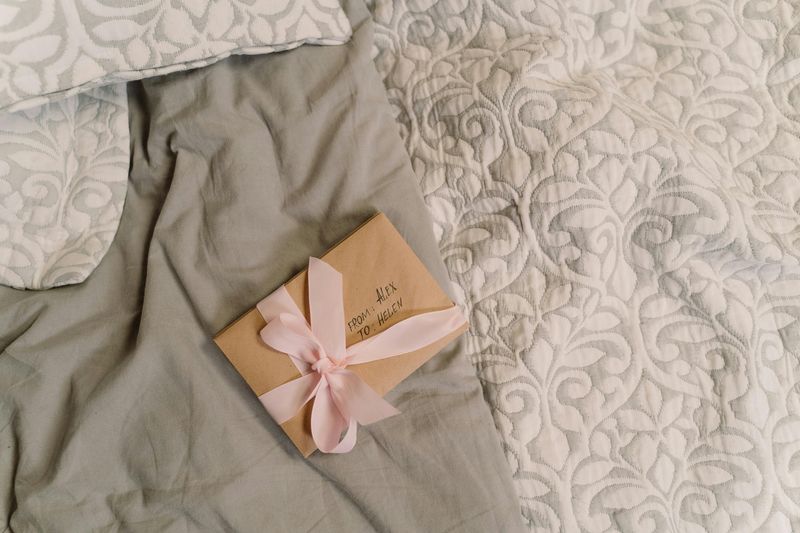
Few things are more awkward than realizing a gift card has already been used.
Etiquette experts say this is one of the fastest ways to look careless.
Even if only a few dollars are missing, it sends a strong message about effort.
Recipients shouldn’t have to wonder whether their gift was an afterthought.
Checking balances takes seconds, and failing to do so can ruin the gesture entirely.
A partially used card can also feel deceptive, even if it wasn’t intentional.
Experts emphasize that gift cards should feel simple and generous, not confusing.
If you’re unsure about the balance, it’s safer not to regift it at all.
When it comes to money-related gifts, precision matters.
Anything less than the full amount risks leaving a bad impression.
5. Items With Religious or Political Messages
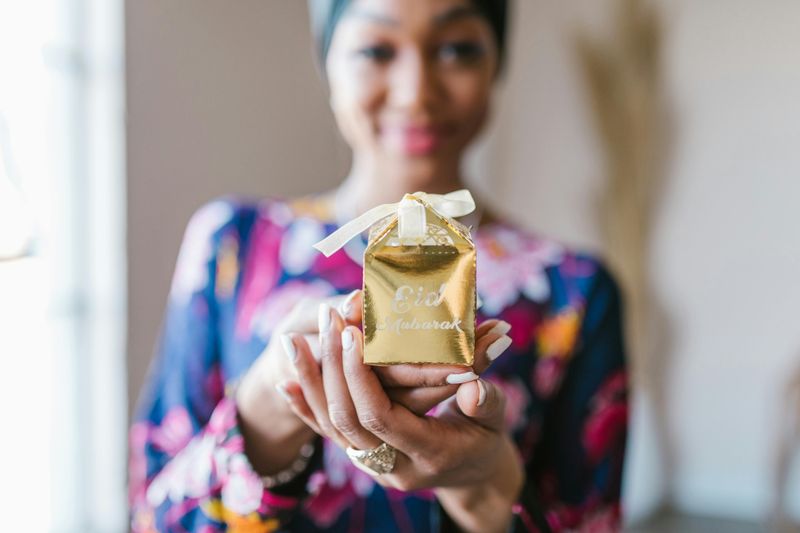
What feels meaningful to one person can feel uncomfortable to another.
Etiquette experts caution against regifting items tied to religion or politics.
These gifts often reflect deeply personal beliefs and values.
Passing them along can unintentionally impose those views on someone else.
Even if the recipient shares similar opinions, assumptions can backfire.
Religious and political items are rarely neutral, even when they seem subtle.
They’re best reserved for people you know extremely well.
Regifting them strips away context and intention.
Experts say these gifts should remain within the relationship they were given for.
When beliefs are involved, thoughtfulness matters more than convenience.
6. Clothing You’ve Already Worn

Trying something on is one thing, but wearing it out changes everything.
Etiquette experts draw a clear line when it comes to clothing.
Once an item has been worn, it’s no longer considered gift-worthy.
Even if it’s clean, it still carries signs of use.
Recipients may feel uncomfortable wondering where it’s been or how it fits into your life.
Clothing is personal, both physically and emotionally.
Regifting worn items can make someone feel like a second choice.
Experts recommend only regifting clothing that still has tags attached.
If you wouldn’t feel comfortable receiving it yourself, don’t pass it on.
Some things are better donated than wrapped.
7. Expired or Close-to-Expired Items

Expiration dates exist for a reason, and etiquette experts say ignoring them is a major mistake.
Giving someone an item that’s near its expiration can feel careless.
This applies to food, skincare, supplements, and even candles.
Recipients shouldn’t have to check dates before enjoying a gift.
An expired product can create disappointment or even health concerns.
Experts stress that regifting requires extra attention to detail.
A quick glance at a label can prevent an awkward situation.
Passing along outdated items suggests convenience over care.
If something is close to expiring, it’s better to let it go.
A thoughtful gift should never come with a countdown.
8. Obvious Freebies or Promotional Items
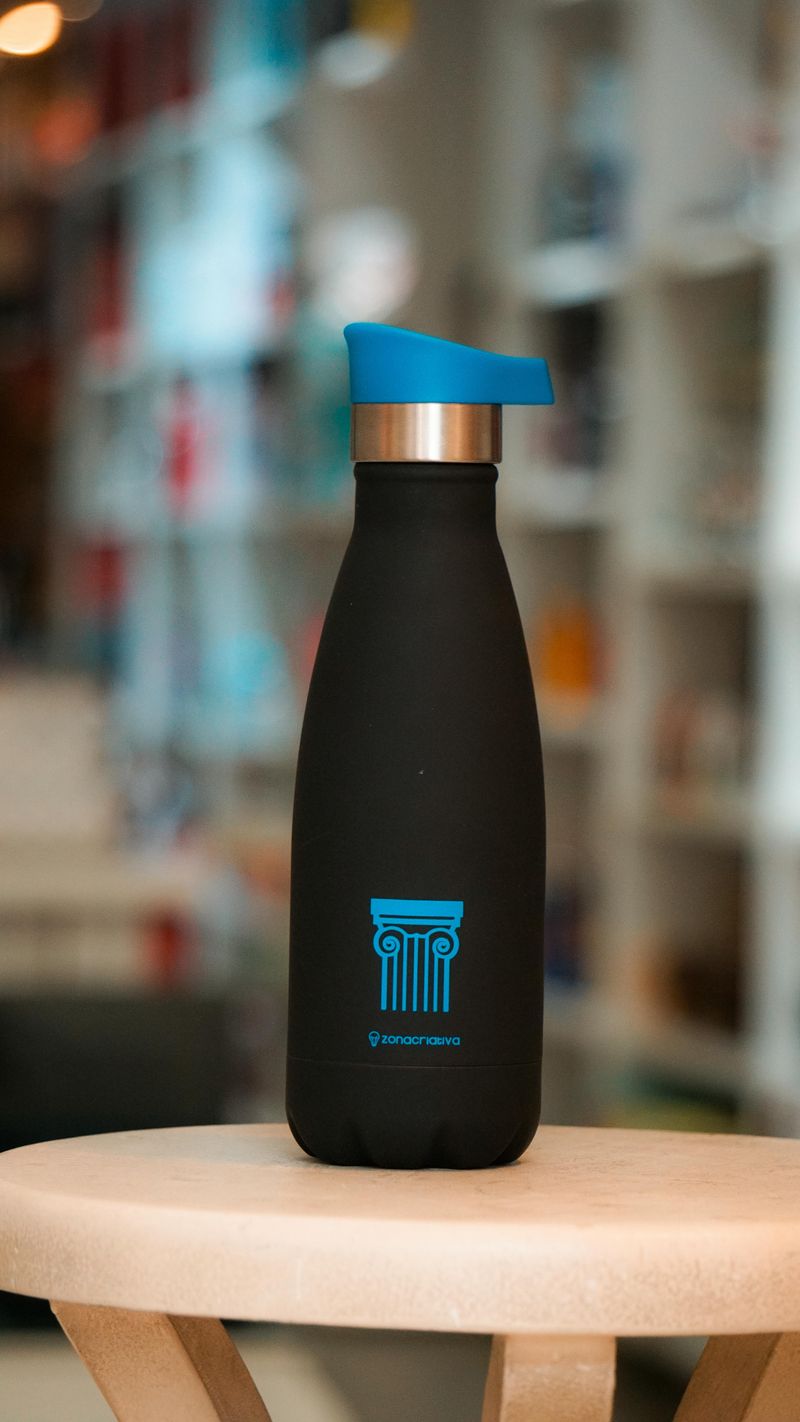
Conference swag and branded freebies are easier to spot than people realize.
Etiquette experts say regifting promotional items often feels lazy.
Logo-covered mugs and tote bags rarely feel personal or special.
Recipients can usually tell when something was free.
Even high-quality promotional items lack intention.
Regifting them can make someone feel like an afterthought.
Experts recommend avoiding anything that looks mass-produced or corporate.
Gifts should feel chosen, not collected.
If it came from a gift bag or event booth, it probably doesn’t belong under someone else’s tree.
Thoughtfulness can’t be faked with freebies.
9. Sentimental Gifts Meant Specifically for You
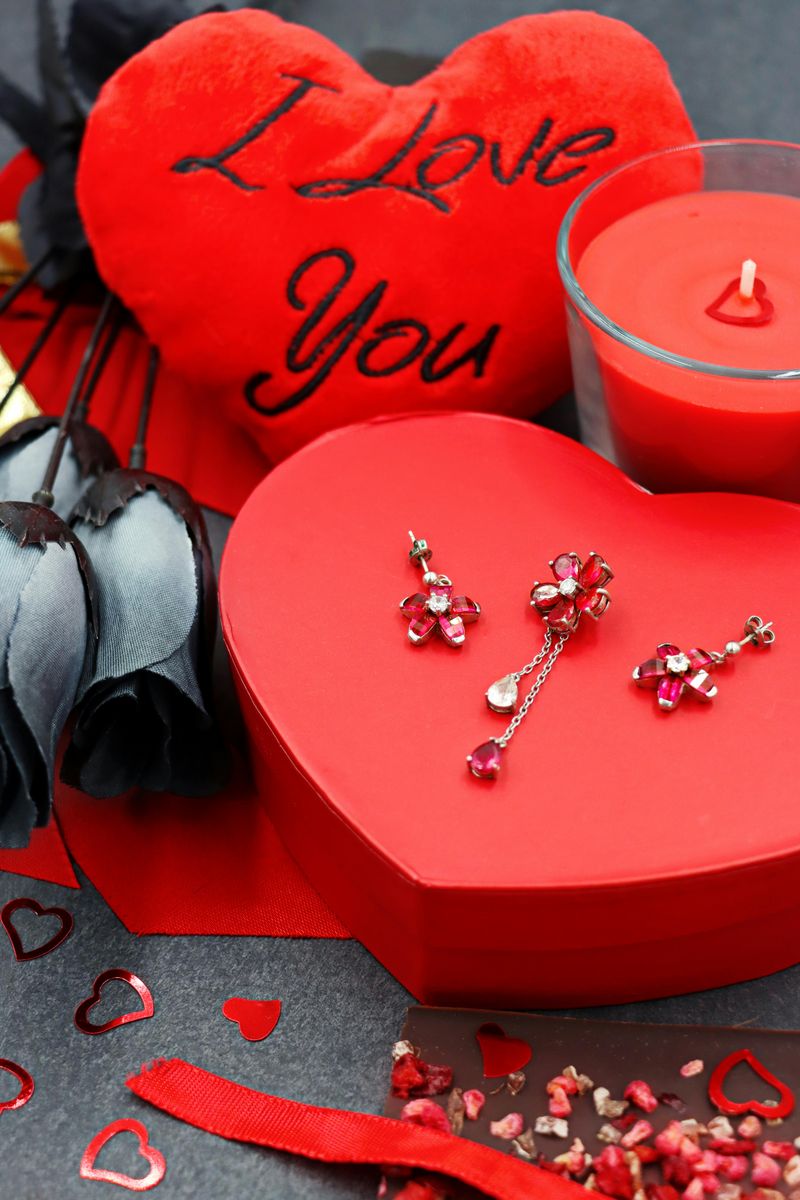
Some gifts are about emotion rather than usefulness.
Etiquette experts say sentimental items should never be regifted.
These gifts often mark milestones, shared memories, or meaningful moments.
Passing them along can feel dismissive or even hurtful.
Even if you don’t connect with the sentiment, it mattered to the giver.
Regifting such items removes their emotional context entirely.
Recipients may sense that something feels off, even if they don’t know why.
Experts encourage honoring the intention behind sentimental gifts.
If you no longer want it, keeping it private is more respectful.
Some items are meant to stay where they began.
10. Anything the Original Giver Might See Again
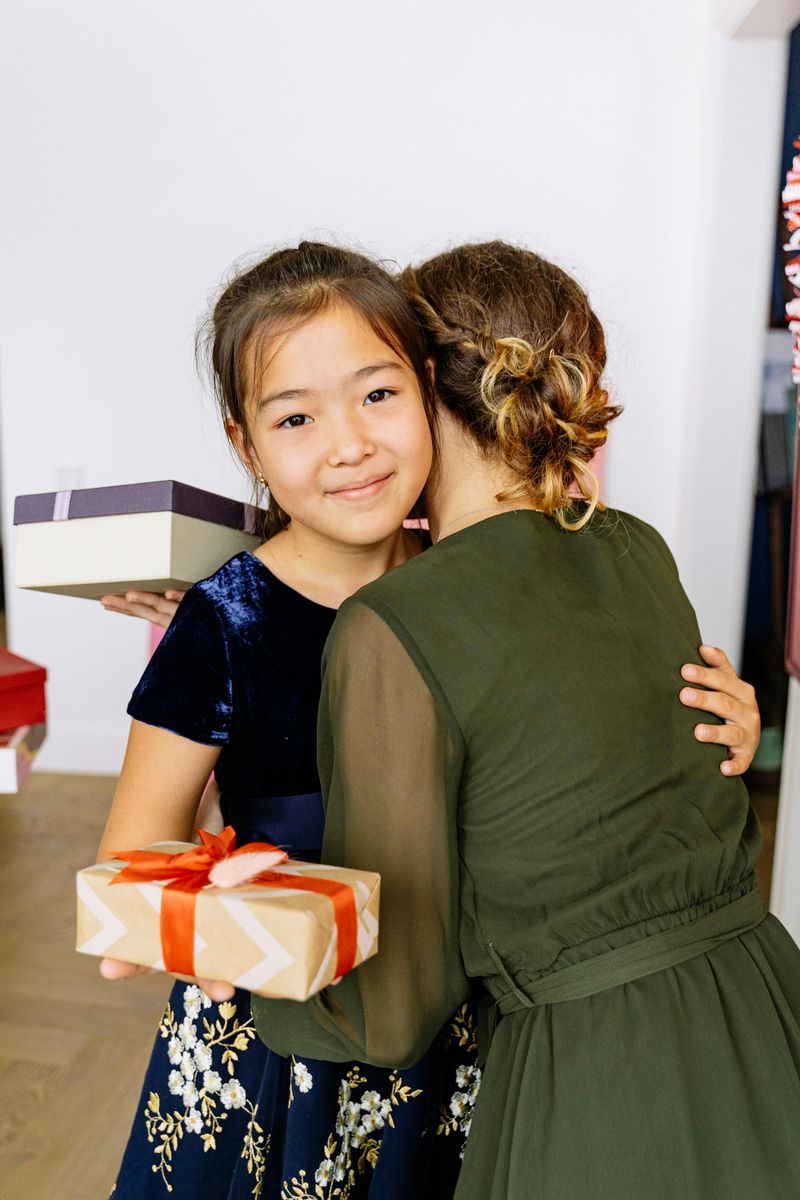
Social circles have a way of overlapping when you least expect it.
Etiquette experts warn that regifting within shared circles is risky.
There’s always a chance the original giver will recognize the item.
That moment can quickly turn awkward or embarrassing.
Even if intentions were innocent, it can feel like rejection.
Experts say the safest rule is visibility.
If there’s any chance of the gift being spotted again, don’t regift it.
Relationships matter more than convenience.
A small effort to avoid discomfort can preserve trust.
Some risks simply aren’t worth taking.
Comments
Loading…