
 Isabel Parker
These 10 Appliances Should Always Be Unplugged After Use

Many appliances in your home keep using electricity even when you think they’re turned off.
This sneaky power drain costs you money and can create serious fire hazards.
Learning which devices to unplug after every use helps protect your family and saves energy at the same time.
1. Space Heaters

During cold winter months, space heaters work overtime to keep rooms warm and comfortable.
But leaving them plugged in creates one of the biggest fire risks in any home.
These heating units can malfunction and turn on by themselves, or their internal components might overheat even when switched off.
The powerful heating elements inside draw massive amounts of electricity and generate intense heat.
If dust builds up or something falls on the unit, a fire could start within minutes.
Always make unplugging your space heater part of your routine when leaving a room.
Store the cord safely away from walkways to prevent tripping hazards and damage that could cause electrical problems later.
2. Air Fryers
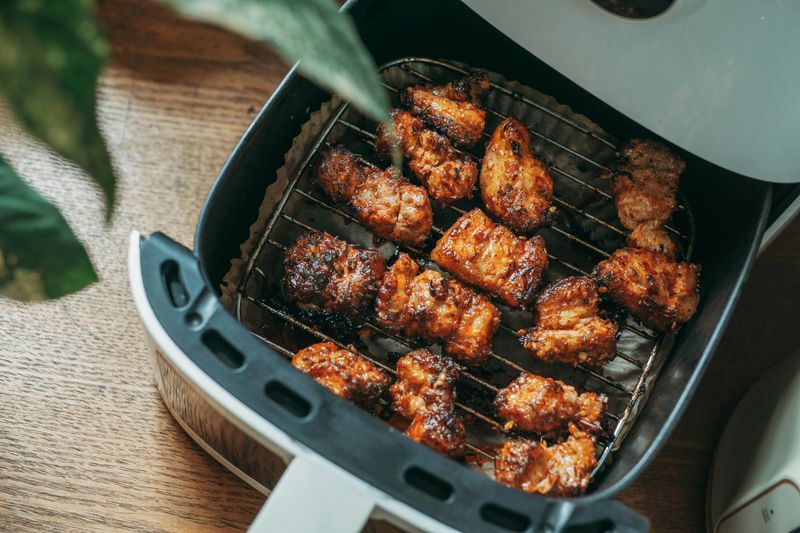
Air fryers have become incredibly popular for making crispy foods without tons of oil.
These countertop cookers reach extremely high temperatures and use significant electricity to operate.
Even after you finish cooking, the heating elements stay hot for quite a while.
Leaving your air fryer plugged in means it continues drawing phantom power through its digital display and internal circuits.
This standby power adds up on your electric bill month after month.
More importantly, electrical shorts or component failures could spark a fire when you’re not around.
Get in the habit of unplugging immediately after your food finishes cooking and the unit cools down completely for maximum safety.
3. Toaster Ovens

Toaster ovens handle everything from morning toast to reheating pizza slices throughout the day.
The heating coils inside reach scorching temperatures to brown and crisp your food perfectly.
Grease and crumbs naturally collect on these coils over time, creating a dangerous combination.
When left plugged in, a faulty thermostat or timer could activate the heating elements unexpectedly.
Built-up food debris might then ignite, starting a kitchen fire faster than you’d imagine.
The compact size means flames can spread to nearby items like dish towels or paper products.
Pull the plug after every use and clean your toaster oven regularly to remove any flammable residue lurking inside.
4. Hair Dryers and Styling Tools
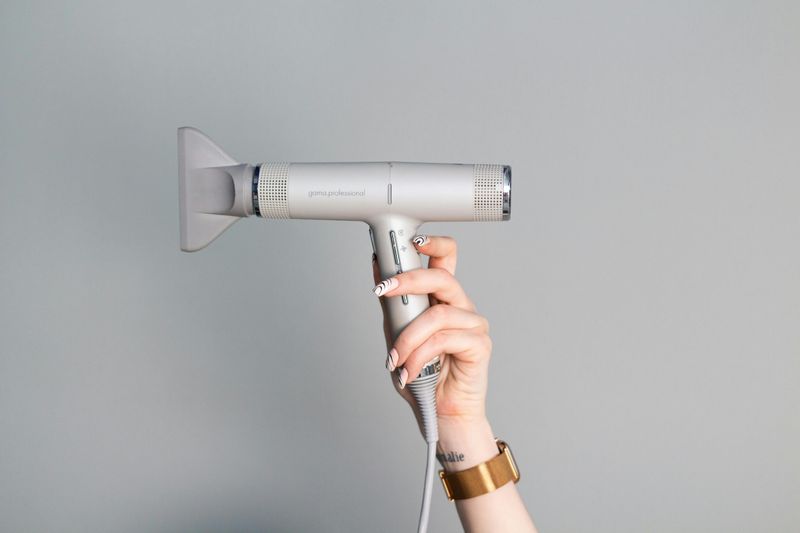
Your morning routine probably includes blow dryers, curling irons, or flat irons to style your hair perfectly.
These bathroom tools heat up incredibly fast and stay dangerously hot for several minutes after shutting off.
Water and electricity make a particularly risky combination in bathrooms.
A plugged-in hair dryer near a sink could fall into water and cause electrocution.
The high-wattage motors inside continue drawing small amounts of power even when sitting idle.
Frayed cords from daily use create shock hazards that endanger anyone who touches them.
Make it automatic to unplug every styling tool right after finishing your hair, then store them safely away from any water sources in your bathroom.
5. Electric Kettles
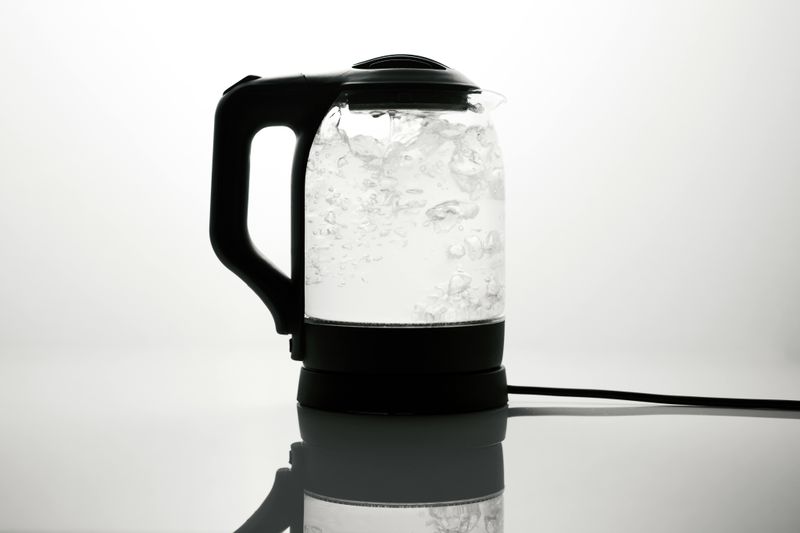
Boiling water for tea or instant coffee takes just minutes with an electric kettle’s powerful heating element.
Most models feature automatic shut-off switches that stop heating once water reaches boiling point.
However, these safety mechanisms can fail over time, allowing the kettle to boil dry and potentially melt.
The digital temperature displays and illuminated power buttons constantly sip electricity when plugged in.
This phantom load wastes energy without providing any benefit to you.
Mineral deposits from hard water can also build up and cause electrical shorts.
Unplugging your kettle after each use prevents accidents, extends the appliance’s lifespan, and cuts down on wasted electricity throughout the month.
6. Coffee Makers
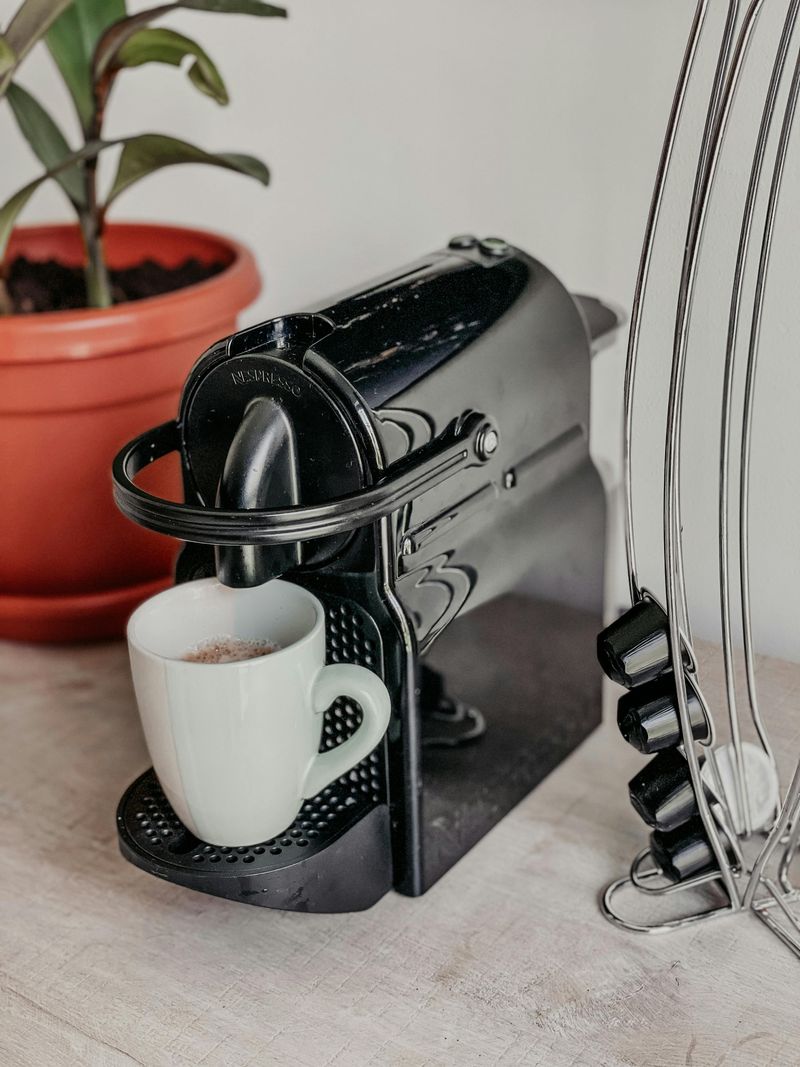
That first cup of coffee makes mornings bearable for millions of people every single day.
Coffee makers feature heating plates that keep your brew warm for hours, constantly using electricity.
The clock displays and programmable timers add to the continuous power drain.
Old coffee makers with worn wiring become serious fire hazards when left plugged in around the clock.
Water leaks can reach electrical components and cause dangerous shorts.
The heating element might stick in the on position, causing the carafe to crack or start a fire.
Brew your coffee, pour what you need into a thermos, then unplug the machine to stay safe and save energy every single day.
7. Phone and Laptop Chargers
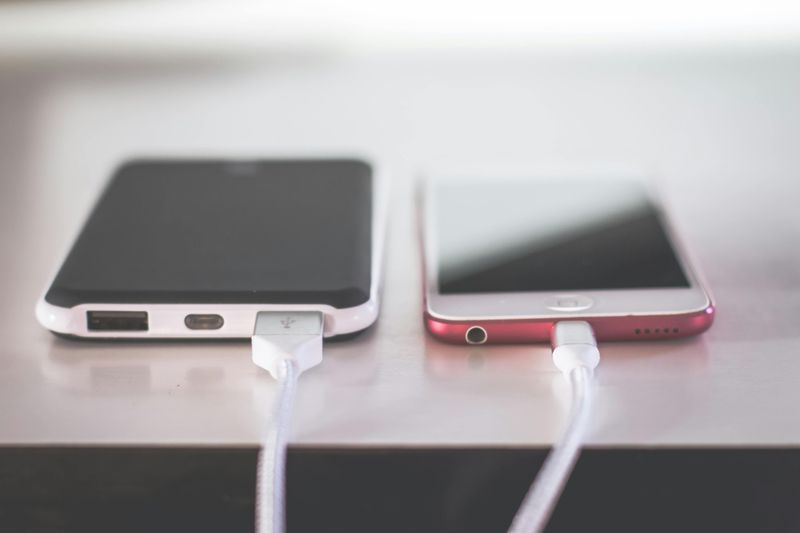
Charging cables stay plugged into outlets all over most homes, ready whenever devices need power.
These adapters convert household electricity into the lower voltage your electronics require.
That conversion process continues nonstop, wasting electricity even without anything connected.
Chargers left plugged in can overheat and damage outlet wiring over months and years of constant use.
They account for a surprising amount of phantom power consumption across your entire house.
Cheap chargers pose especially high fire risks due to poor quality components.
Unplug chargers once your phone or laptop reaches full battery to eliminate waste, prevent overheating, and protect your expensive devices from damage.
8. Microwave Ovens
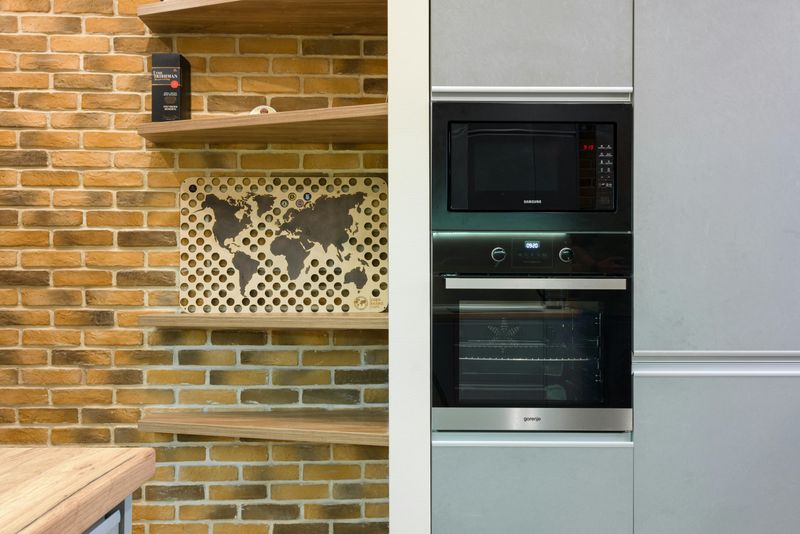
Microwaves make reheating leftovers and cooking quick meals incredibly convenient for busy families.
The bright digital clock display runs continuously, using electricity every hour of every day.
Those few watts might seem tiny, but they add up significantly over a year.
Older microwaves with failing door switches could potentially turn on when the door appears closed but isn’t properly sealed.
Power surges during storms can damage the sensitive electronics inside.
The magnetron that generates microwaves can short out and spark fires.
Consider unplugging your microwave when not actively cooking, or at least use a power strip to easily cut power completely overnight and save energy.
9. Slow Cookers
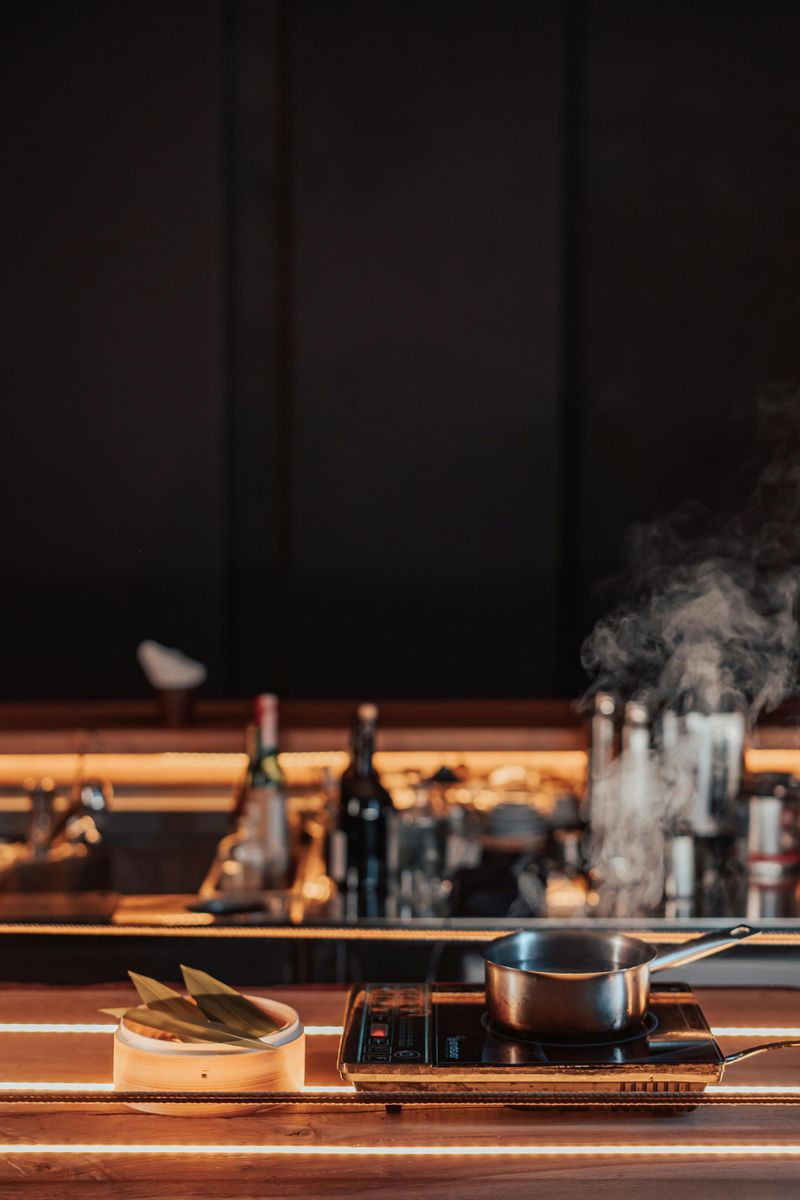
Slow cookers let you prepare delicious meals that simmer all day while you’re at work or running errands.
These appliances are designed for extended cooking times, making them seem safe to leave plugged in.
However, once your meal finishes cooking, the heating element continues drawing power.
Faulty thermostats might cause overheating that could crack the ceramic insert or scorch food into charcoal.
The keep-warm setting uses electricity for hours after you’ve already eaten dinner.
Older models lack modern safety features that prevent dangerous malfunctions.
Transfer your finished meal to proper storage containers, let the cooker cool completely, then unplug it until the next time you need it for cooking.
10. Electric Fans

Fans provide cooling relief during hot summer nights and help circulate air throughout your home year-round.
The motors inside spin constantly when running, but even when switched off they remain energized.
This standby power keeps the control circuits ready to respond to your remote or button press.
Dust accumulation on motor components can cause overheating and potential fires if the fan stays plugged in constantly.
Worn bearings might seize up and burn out the motor.
Children or pets could accidentally turn on fans and knock them over.
Unplug fans when the weather cools down or when leaving home for extended periods to prevent accidents and reduce your electricity consumption noticeably.
Comments
Loading…