
 Hailey Watson
Most of us remember to change the batteries in our smoke detectors or replace a worn-out pair of shoes, but what about all those other household items quietly doing their jobs?
Many everyday objects have expiration dates we completely overlook, and using them past their prime can affect your health, safety, and even your wallet.
Understanding when to swap out these forgotten essentials will help you maintain a cleaner, healthier home while getting the best performance from the things you use every day.
1. Kitchen Sponges
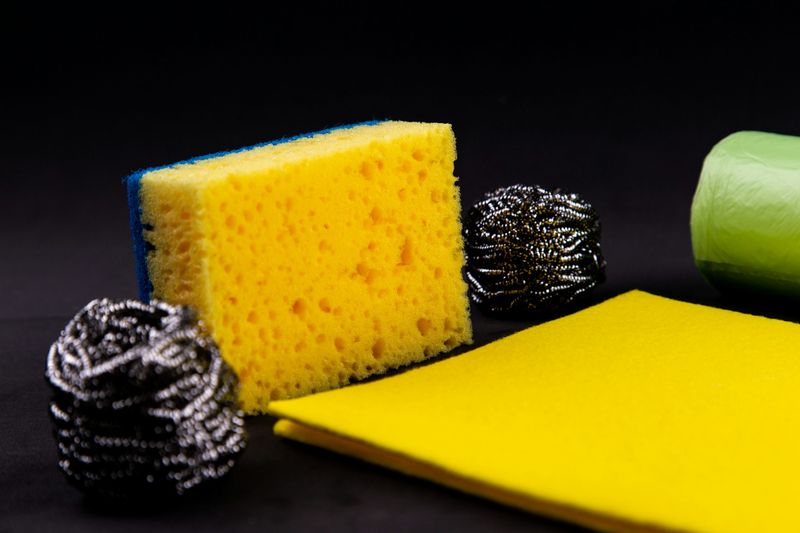
That trusty sponge sitting by your sink might be your kitchen’s biggest troublemaker.
Bacteria love the warm, moist environment sponges provide, multiplying faster than you can say “gross.”
Even if you rinse it thoroughly after each use, microscopic food particles and moisture create a perfect breeding ground for germs.
Experts recommend replacing kitchen sponges every one to two weeks.
If that sounds frequent, consider how often you use yours to wipe counters, clean dishes, and tackle spills.
Between uses, you can extend its life slightly by microwaving a damp sponge for two minutes or running it through the dishwasher.
When your sponge starts smelling funky or falling apart, that’s nature’s way of saying time’s up.
2. Toothbrushes
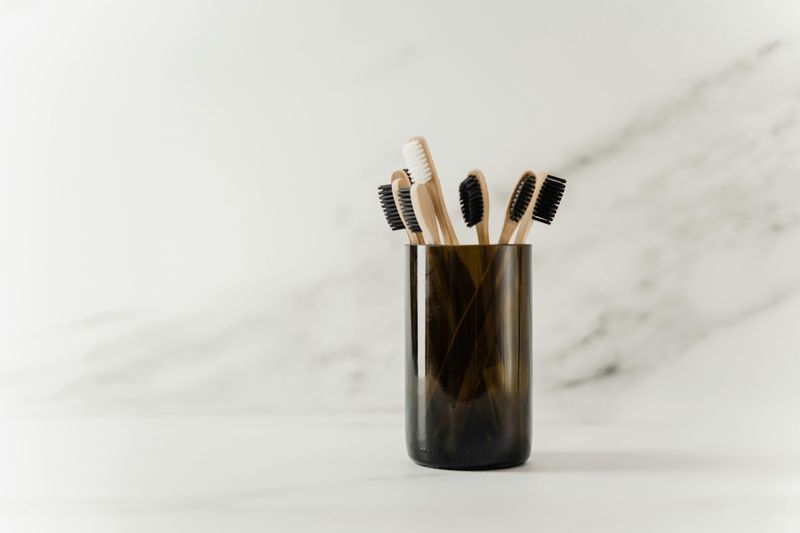
Your toothbrush works hard twice a day, scrubbing away plaque and keeping your smile bright.
Over time, those bristles lose their shape and effectiveness, becoming bent and frayed like an old broom.
Worn bristles can’t reach into the tiny spaces between your teeth, leaving bacteria behind to cause problems.
Dentists everywhere agree: swap out your toothbrush every three months.
If you’ve been sick with a cold or flu, replace it immediately afterward to avoid reinfecting yourself.
Electric toothbrush heads follow the same rule.
A good trick is to replace your toothbrush at the start of each season—winter, spring, summer, and fall.
This simple habit keeps your oral hygiene on track.
3. Pillows
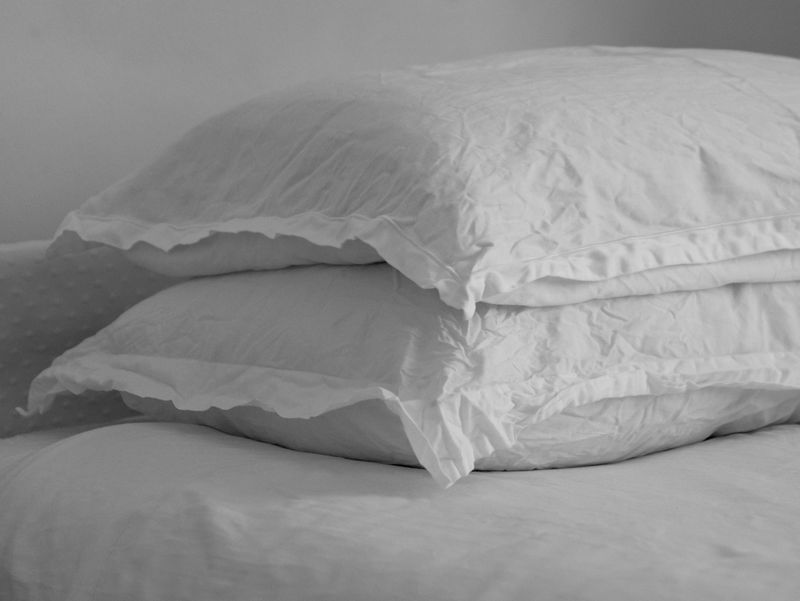
Here’s something unsettling: your pillow collects dead skin cells, dust mites, oils, and sweat night after night.
Even with regular washing of pillowcases, these unwanted guests settle deep into the filling.
Over time, pillows also lose their supportive structure, leaving your neck and head without proper alignment during sleep.
Plan to replace your pillows every one to two years, depending on their quality and material.
Memory foam and latex pillows typically last longer than polyester-filled ones.
A simple test can help you decide: fold your pillow in half and release it.
If it doesn’t spring back to its original shape, it’s time for a new one. Better pillows mean better sleep.
4. Cutting Boards

Every slice and chop leaves tiny grooves in your cutting board where bacteria can hide and multiply.
Wooden boards develop deep cuts over time, while plastic ones can warp or stain.
Once these grooves become too numerous or deep, no amount of scrubbing will get them truly clean, creating potential food safety hazards.
Replace cutting boards every two to three years, though plastic versions may need replacing sooner.
Wooden boards can last longer with proper care, including regular oiling and sanitizing.
If you notice persistent odors, deep staining, or grooves you can feel with your fingernail, consider it a red flag.
Keeping separate boards for raw meat and vegetables also helps maintain kitchen safety.
5. Air Filters
Hidden behind vents throughout your home, air filters trap dust, pollen, pet dander, and other airborne particles.
When filters become clogged with debris, your heating and cooling system works harder, wasting energy and money.
Dirty filters also mean you’re breathing lower-quality air, which can trigger allergies and respiratory issues.
Change your HVAC air filters every one to three months.
Homes with pets, smokers, or allergy sufferers should lean toward monthly replacements.
During peak heating or cooling seasons, filters get dirty faster and need more frequent attention.
Set a reminder on your phone or mark your calendar to check filters regularly.
Clean air and efficient heating save money while keeping everyone healthier.
6. Nonstick Cookware

Nonstick pans make cooking and cleanup easy, but that convenient coating doesn’t last forever.
Once the nonstick surface starts peeling, chipping, or showing scratches, it’s time to retire that pan.
Cooking with damaged nonstick cookware can release particles into your food, which isn’t appetizing or safe.
Most nonstick cookware should be replaced every five years, though heavy use or improper care can shorten that timeline.
Avoid using metal utensils, which scratch the coating, and never heat empty pans to extremely high temperatures.
Hand washing instead of dishwashing also extends the life of nonstick surfaces.
When shopping for replacements, look for high-quality options that will serve you well for years to come.
7. Water Filters
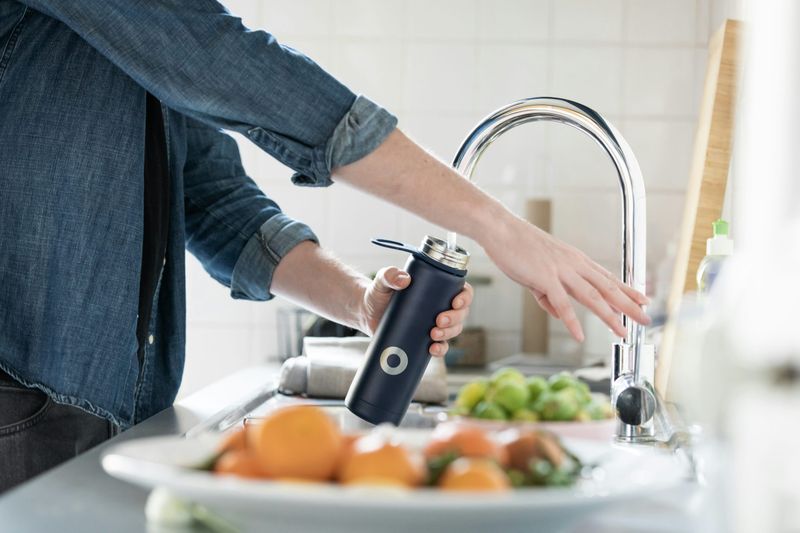
Water filters work quietly behind the scenes, removing contaminants and improving taste.
But filters can only trap so much before they become saturated and ineffective.
Worse yet, old filters can develop mold and bacteria, actually adding harmful elements to the water you’re trying to purify.
Replace water filters every six months as a general rule, though some systems may need more frequent changes.
Pitcher filters, refrigerator filters, and under-sink systems all have specific lifespans listed in their manuals.
Many modern filters include indicator lights that remind you when replacement time arrives.
Don’t ignore these warnings or try to stretch filter life beyond recommendations.
Clean water is essential for drinking, cooking, and overall health.
8. Toilet Brushes
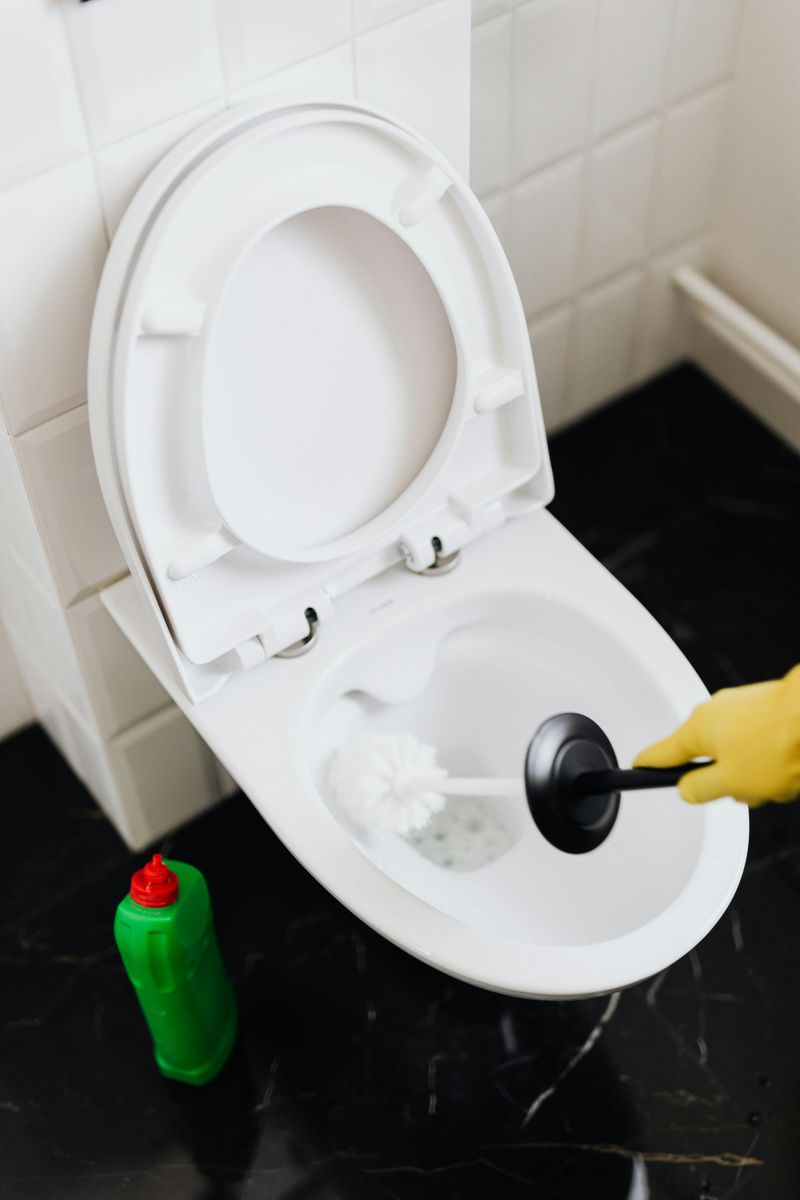
Nobody enjoys thinking about toilet brushes, which might explain why we forget to replace them.
Bristles become bent, worn, and discolored over time, making them less effective at cleaning.
Old brushes also harbor bacteria no matter how much you rinse them, potentially spreading germs instead of removing them.
Swap out toilet brushes every six to twelve months.
If bristles look flattened or permanently stained, don’t wait for the calendar to tell you it’s time.
Some people prefer disposable brush heads that attach to reusable handles, offering easier maintenance and hygiene.
Keep your bathroom fresh and sanitary by treating toilet brushes as the temporary tools they should be, not permanent bathroom fixtures.
9. Shower Curtains and Liners

Bathrooms create the perfect storm for mold and mildew growth: warmth, moisture, and limited ventilation.
Shower curtains and liners bear the brunt of this environment, developing pink or black spots that won’t wash away.
Even if stains aren’t visible, mold can grow in the folds and seams where water collects.
Replace shower curtains and liners every two to three years, or sooner if you notice persistent mildew.
Fabric curtains last longer than vinyl ones and can be machine washed to extend their life.
Between replacements, spray curtains with a mixture of water and vinegar to discourage mold growth.
Keeping your bathroom well-ventilated by running the exhaust fan also helps curtains stay cleaner longer.
Comments
Loading…