
 Chloe Peterson
Have you noticed how common courtesy seems to be disappearing?
Many older adults feel that younger generations have forgotten basic manners that were once considered essential.
From ignoring people in public to forgetting simple words like “please” and “thank you,” these small acts of rudeness add up and affect how we all get along in society.
1. Loud Cell Phone Conversations in Public

Nobody wants to hear your entire conversation while they’re trying to enjoy their coffee or read a book.
When you talk loudly on your phone in restaurants, buses, or waiting rooms, you’re forcing everyone around you to listen in on your private business.
Your voice carries further than you think, especially in enclosed spaces.
What might seem like a normal volume to you can be incredibly distracting to others who are trying to work, relax, or have their own conversations.
If you need to take a call, step outside or find a private corner.
Keep your voice down and make it brief.
Better yet, text instead of calling when you’re in a crowded public area where silence is golden.
2. Refusing to Offer Seats to Those Who Need Them
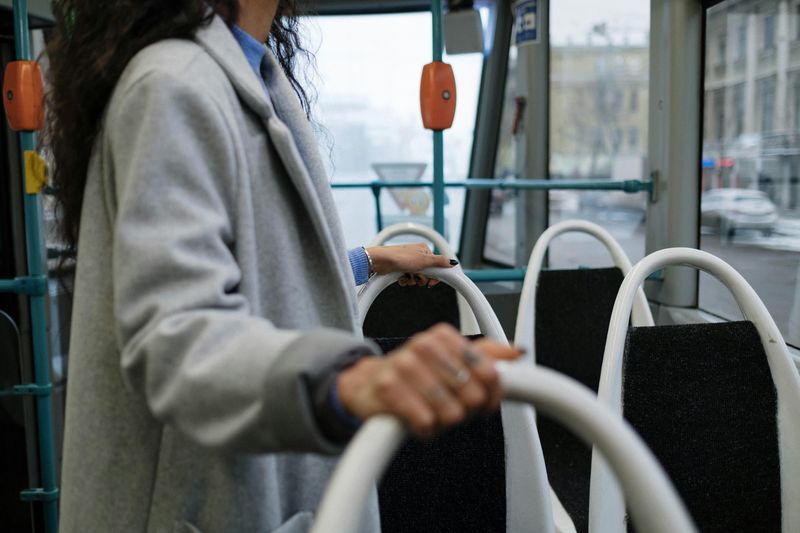
An elderly woman boards the crowded bus, struggling to keep her balance as it lurches forward.
Meanwhile, healthy young adults stay glued to their seats, eyes fixed on their phones, pretending not to notice.
Giving up your seat isn’t just polite—it’s the right thing to do.
Pregnant women, elderly folks, and people with disabilities often can’t stand safely on moving vehicles.
They might fall and get seriously hurt if the bus stops suddenly.
Look up from your screen and pay attention to who’s boarding.
If someone clearly needs the seat more than you, stand up and offer it with a smile.
It takes five seconds of effort but means the world to someone struggling.
3. Letting Doors Slam in People’s Faces
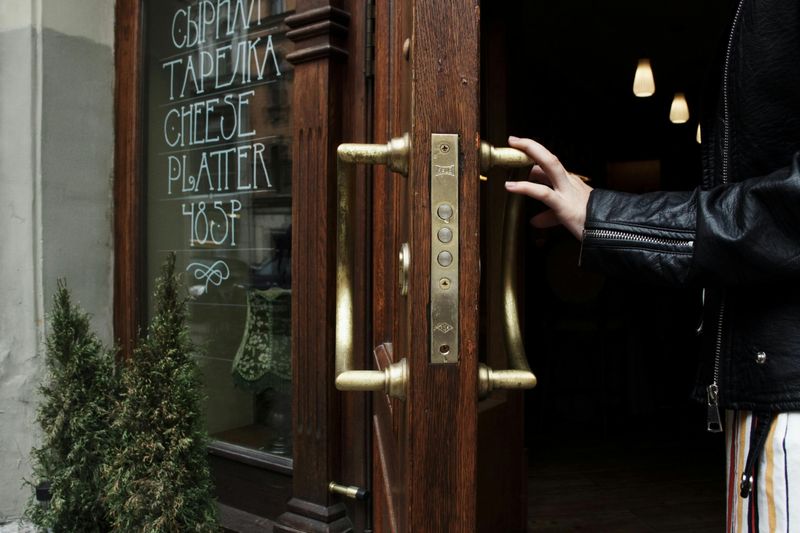
Ever had a door slam shut right in front of you when someone was just two steps ahead?
It stings, doesn’t it?
This simple act of carelessness sends a clear message: “I don’t care about you.”
Holding the door takes literally one extra second.
You just pause, glance behind you, and hold it open if someone is approaching.
It’s especially important when the person behind you has their hands full, is pushing a stroller, or uses a wheelchair.
Make it a habit to look back before releasing any door.
Your small gesture of courtesy brightens someone’s day and keeps the chain of kindness going.
Plus, karma has a funny way of coming back around.
4. Scrolling Through Phones During Meals

Dinnertime used to mean conversation, laughter, and connection.
Now it often means watching someone scroll through Instagram while their food gets cold and their companions sit there feeling ignored and unimportant.
When you’re glued to your phone at the table, you’re basically telling everyone there that whatever’s on that screen matters more than they do.
You miss out on real conversations, funny stories, and the chance to actually bond with people you supposedly care about.
Try this radical idea: put your phone face-down or in your pocket during meals.
If you’re expecting an urgent call, let people know beforehand.
Otherwise, give your full attention to the humans sitting right in front of you.
5. Skipping “Please” and “Thank You”

“Can I get a large coffee?” No “please,” no “thank you,” just a demand barked at the barista like they’re a robot instead of a human being doing you a service.
These magic words cost you nothing but mean everything.
They show respect, acknowledge someone’s effort, and make interactions pleasant instead of transactional.
Service workers deal with hundreds of people daily—being one of the polite ones makes their job so much easier.
Start adding these words back into your vocabulary everywhere: at stores, restaurants, with delivery drivers, even with friends and family.
You’ll notice people respond more warmly, smile more often, and treat you better in return.
Politeness creates a positive cycle.
6. Ignoring Invitations Without Responding

Someone spent time planning an event and specifically thought to include you.
They sent an invitation and now they’re waiting to hear back so they can plan food, seating, and activities.
But weeks pass and you never respond, leaving them hanging in uncertainty.
Not RSVPing is incredibly disrespectful.
It makes planning impossible and shows you don’t value the host’s time or effort.
They can’t finalize numbers, might over-order or under-order food, and stress about whether you’re coming.
Take thirty seconds to respond to invitations, even if your answer is no. A simple “Thanks for thinking of me, but I can’t make it” is perfectly acceptable.
Hosts appreciate honesty over silence, and it’s just basic courtesy to acknowledge someone’s invitation.
Comments
Loading…