
 Jade Reed
Stop Saying These 11 Phrases—They’re More Harmful Than You Think
Words carry more weight than we often realize.
Something said casually in a conversation can stick with someone for years, shaping how they see themselves and the world around them.
Many of us use certain phrases without thinking twice, not knowing they can quietly damage trust, dismiss real pain, or make others feel unseen.
Here are 11 phrases worth cutting from your vocabulary for good.
1. “You’re too sensitive.”

Telling someone they’re “too sensitive” is like handing them a problem instead of a solution.
It flips the focus away from what was said and puts it entirely on the person who got hurt.
That’s not fair, and it’s not kind.
Sensitivity isn’t a character flaw — it’s how people experience the world deeply.
When you dismiss someone’s reaction with this phrase, you’re essentially telling them their feelings don’t matter.
Over time, that message can chip away at a person’s self-worth.
Try asking what upset them instead.
A little curiosity goes a much longer way than judgment.
2. “Calm down, it’s not a big deal.”
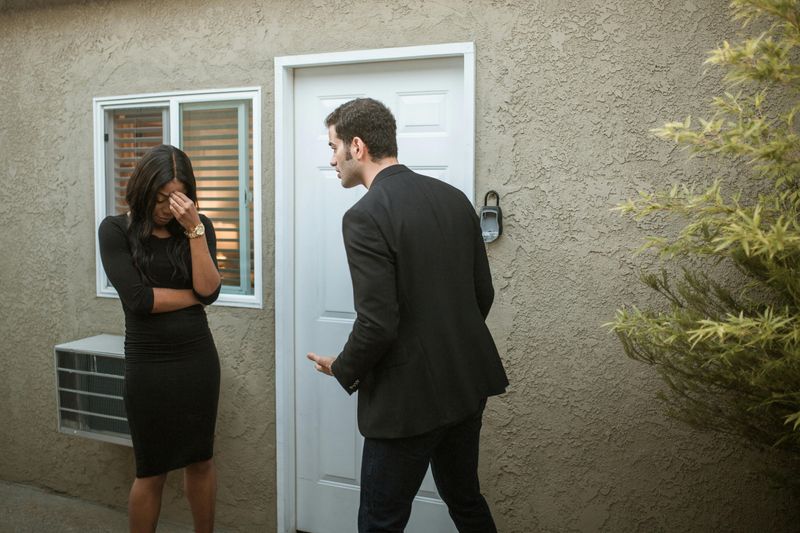
Here’s the thing about emotions — they don’t come with an off switch.
Telling someone to “calm down” rarely helps them calm down.
If anything, it usually makes them feel worse because now they’re upset and judged for being upset.
Saying “it’s not a big deal” also assumes you know how something should feel to another person.
But you don’t live in their shoes.
What seems small to you might be connected to something much deeper for them.
Swap this phrase for “I hear you” or “tell me more.”
Those words actually open doors instead of slamming them shut.
3. “No offense, but…”

Spoiler alert: if you have to warn someone before saying something, you probably already know it’s going to sting.
“No offense, but…” is basically a permission slip people give themselves before delivering a jab.
The disclaimer doesn’t soften the blow — it just makes the speaker feel less responsible for it.
Most of the time, what follows that phrase could have been left unsaid entirely, or at least rephrased with actual care.
Words can be honest without being harsh.
Before saying it, ask yourself: is this necessary, and is now the right time?
Real thoughtfulness beats hollow disclaimers every time.
4. “I’m just being honest.”

Honesty is a value worth holding onto — but it can be weaponized.
“I’m just being honest” is often used to justify saying something cutting without offering any compassion alongside it.
Honesty without kindness is just criticism wearing a noble costume.
Think about the last time someone said this to you right before saying something that hurt.
Chances are, the “honesty” wasn’t the problem.
The delivery was.
You can be truthful and still be thoughtful about timing, tone, and how much the other person actually needs to hear what you’re about to say.
That balance matters enormously.
5. “It was just a joke.”

Laughter is great — but not when it comes at someone else’s expense and then gets defended with “it was just a joke.”
This phrase shifts the blame from the person who made the comment to the person who felt hurt by it.
That’s a sneaky kind of unfairness.
Humor has real power to bring people together, but it can just as easily isolate and wound.
When someone tells you a joke landed wrong, the right response isn’t to double down.
It’s to listen.
Owning a misstep takes courage.
A simple “I’m sorry that came out wrong” repairs far more than any excuse ever will.
6. “You need thicker skin.”

Emotional pain isn’t a sign of weakness — it’s a sign of being human.
Telling someone they need “thicker skin” sends the message that they should change themselves rather than expecting the world to be a little kinder.
That’s a backwards way of thinking about empathy.
People who feel things deeply often also love deeply, connect deeply, and create deeply.
Those aren’t qualities to be ashamed of or toughened away.
Instead of pressuring someone to shut down their emotions, consider why their reaction made you uncomfortable in the first place.
Sometimes the real work is on the other side of that question.
7. “I don’t see color.”

This phrase usually comes from a good place — people want to say they treat everyone equally.
But “I don’t see color” accidentally erases something real.
A person’s racial or cultural identity isn’t something to overlook; it’s part of who they are and shapes their daily experiences in meaningful ways.
Pretending not to notice difference doesn’t make discrimination disappear.
It can actually make it harder to address, because you can’t fix what you refuse to see.
True inclusion means acknowledging someone’s full identity and respecting it — not looking past it.
Seeing someone clearly is far more powerful than pretending they’re invisible.
8. “Anyone can succeed if they work hard enough.”

Hard work genuinely matters — but it doesn’t work the same way for everyone.
This phrase sounds motivating on the surface, but underneath it dismisses the very real barriers that some people face every single day, from unequal access to education and resources to systemic discrimination.
When someone struggles despite working incredibly hard, telling them “anyone can succeed” implies the problem is their effort.
That’s both inaccurate and unfair. It also shuts down conversations about real change.
Encouraging people is wonderful.
Just make sure that encouragement doesn’t come with a side of oversimplification that ignores the uneven playing field many people are navigating.
9. “Are you sure you should be eating that?”

Few phrases can ruin a meal quite like this one.
Even when asked with apparent concern, it’s a comment that slides straight into body-shaming territory.
It plants seeds of doubt and shame around something as natural and necessary as eating.
People have complex relationships with food and their bodies.
One unsolicited comment — even from a well-meaning friend — can echo in someone’s mind long after the meal is over.
That’s a heavy thing to carry.
What someone eats is their business.
Unless a person asks for your input, the kindest thing you can do is simply enjoy your own plate and let them enjoy theirs.
10. “At least it’s not worse.”
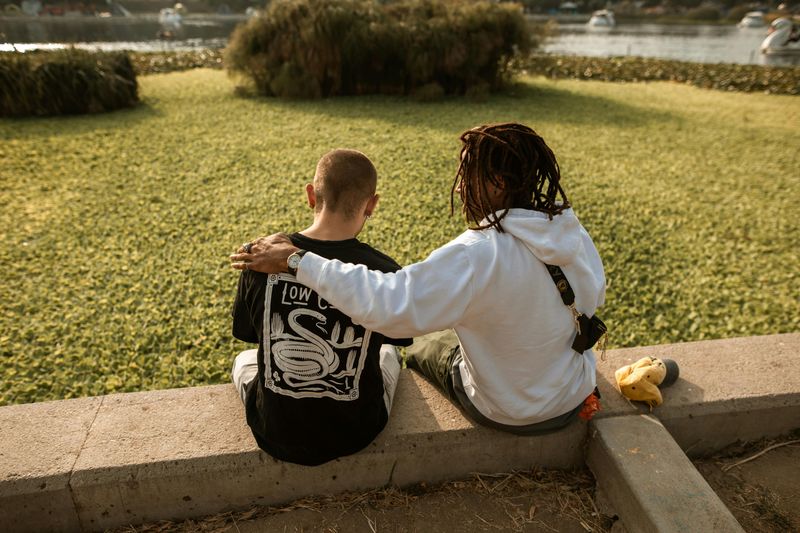
Comparing pain is one of the least helpful things you can do for someone who is hurting.
“At least it’s not worse” implies that a person’s suffering only counts if it reaches a certain threshold — and that’s simply not how grief or hardship works.
Pain doesn’t need to be ranked to be valid.
Someone going through a tough breakup doesn’t feel better because someone else lost a job.
Both experiences are real and both deserve acknowledgment.
When a friend opens up to you, resist the urge to reframe their situation.
Sometimes the most healing thing you can offer is just two words: “That sucks. I’m here.”
11. “Why are you still single?” / “When are you having kids?”

Questions like these feel casual on the surface, but they carry a quiet judgment underneath: that a person is somehow behind schedule on life’s milestones.
Not everyone wants a partner.
Not everyone can have children.
Not everyone is in a place to talk about it — and that’s completely okay.
Asking these questions, even with a smile, sends the message that singlehood or childlessness is a problem that needs explaining.
That pressure can sting more than people realize, especially for those quietly dealing with loss, health challenges, or personal choices.
Curiosity about someone’s life is natural.
But some questions are better left unasked unless the other person brings them up first.
Comments
Loading…