
 Jade Reed
Sorry, Gen Z — Boomers Really Did Get These 14 Life Lessons Right

Baby boomers often get criticized for being out of touch, but when it comes to certain life skills and values, they were onto something important.
Many of the habits they practiced daily have stood the test of time and offer real benefits that modern conveniences can’t replace.
Before dismissing their advice as old-fashioned, it’s worth taking a closer look at what they got right.
1. Developing Handy Skills

When something broke in a boomer household, the first instinct wasn’t to replace it or call a professional.
Instead, they grabbed their toolbox and figured out how to fix it themselves.
This hands-on approach built confidence and saved significant amounts of money over time.
Learning to repair a leaky faucet, patch drywall, or tune up a lawnmower gave them independence that many people today lack.
These skills weren’t just practical—they created a sense of accomplishment and self-sufficiency.
Plus, knowing how things work made them less dependent on expensive services for every small problem that came up around the house.
2. The Value of Physical Media
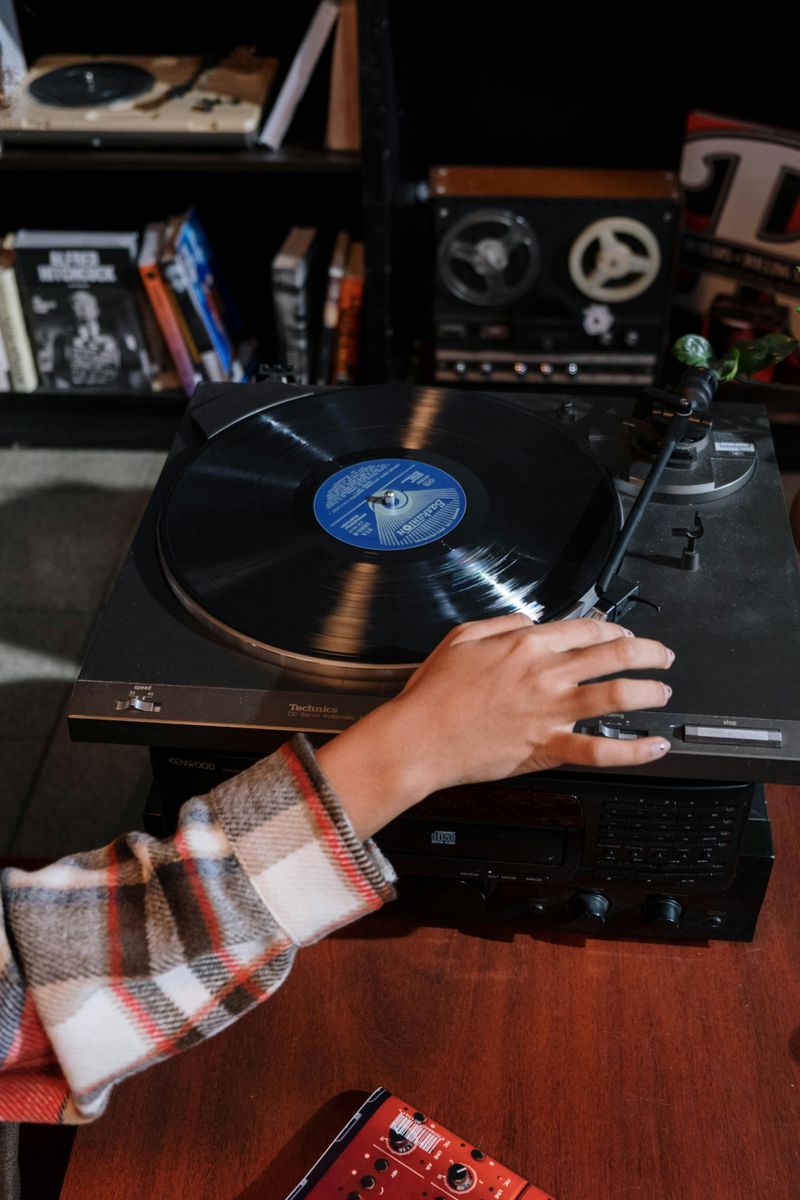
Streaming services are convenient until they remove your favorite show or album without warning.
Boomers understood that owning physical copies meant permanent access to the entertainment and information they loved.
Records, books, CDs, and DVDs don’t vanish when a company changes its licensing agreements.
There’s also something special about holding a book or flipping through album art that digital files can’t replicate.
Physical media creates a tangible connection to the content.
When you own it outright, nobody can take it away, raise subscription fees, or delete it from the cloud unexpectedly.
3. Investing in Quality Furniture

Fast furniture might seem budget-friendly at first, but it usually falls apart within a few years.
Boomers preferred spending more upfront on solid wood pieces built by skilled craftspeople who took pride in their work.
These investments paid off because the furniture lasted decades, sometimes getting passed down through generations.
Quality construction meant fewer replacements and less waste heading to landfills.
A well-made dresser or dining table could survive multiple moves and style changes.
While particleboard bookcases might save money today, they can’t compete with the durability and timeless appeal of real craftsmanship.
4. The Art of Conversation

Before smartphones dominated every social interaction, boomers mastered the skill of genuine conversation.
They looked people in the eye, read body language, and navigated difficult topics without hiding behind a screen.
These face-to-face discussions built stronger relationships and better communication skills overall.
Texting is convenient for quick updates, but it can’t replace the depth and nuance of in-person dialogue.
Boomers learned to listen actively, respond thoughtfully, and handle disagreements with grace.
These abilities served them well in both personal relationships and professional settings, creating connections that felt more authentic and meaningful than digital exchanges ever could.
5. Cooking from Scratch

Microwave dinners and takeout apps offer speed, but they come with a nutritional cost that home cooking avoids.
Boomers grew up preparing meals from real ingredients, which meant fewer preservatives, less sodium, and more control over what went into their bodies.
This practice promoted healthier eating habits without relying on ultra-processed shortcuts.
Cooking together also strengthened family bonds through shared tasks and conversation.
The kitchen became a gathering place where recipes got passed down and memories were made.
While convenience foods save time, they sacrifice the quality, flavor, and health benefits that come from preparing food yourself.
6. Keeping Private Lives Private

Social media has normalized broadcasting every personal detail, but boomers understood that some things are better kept private.
They handled family matters, relationship issues, and personal struggles quietly, without inviting public commentary or judgment.
This approach protected their dignity and gave them space to work through problems without external pressure.
Oversharing can damage reputations, strain relationships, and create permanent digital records of temporary situations.
Boomers valued discretion and trusted only close friends or family with sensitive information.
This boundary between public and private life offered emotional protection that constant online exposure simply can’t provide in today’s hyper-connected world.
7. Dressing for the Occasion

Showing up in pajama pants might feel comfortable, but boomers knew that dressing appropriately showed respect for the occasion and the people around them.
Whether heading to the office, attending a wedding, or going to church, they put thought into their appearance.
This wasn’t about vanity—it was about recognizing that presentation matters in social and professional contexts.
Dressing well also boosted confidence and signaled that they took situations seriously.
While dress codes have relaxed considerably, there’s still value in understanding when casual isn’t appropriate.
First impressions count, and putting effort into your appearance demonstrates maturity and consideration that others notice and appreciate.
8. Fixing Things Instead of Tossing Them

Our throwaway culture treats broken items as trash, but boomers saw them as fixable challenges worth tackling.
Mending torn clothing, troubleshooting malfunctioning appliances, or patching up worn-out shoes was simply part of everyday life.
This mindset reduced waste and saved considerable money that would otherwise go toward constant replacements.
Repair skills also fostered creativity and problem-solving abilities that extended beyond household tasks.
There’s satisfaction in bringing something back to life rather than adding it to a landfill.
While modern products are sometimes designed to be disposable, the boomer approach of fixing first remains both economically smart and environmentally responsible in ways we’re only beginning to appreciate again.
9. The Importance of Cash

Credit cards and payment apps make spending almost too easy, often leading to budget problems and overspending.
Boomers relied heavily on cash, which created natural spending limits and made them more aware of where their money went.
When the wallet is empty, you stop buying—a simple but effective budgeting tool.
Cash transactions also offered privacy that digital payments can’t match, leaving no data trail for companies to track and analyze.
There’s something psychologically different about handing over physical money that makes purchases feel more real.
This tangible connection to spending helped boomers maintain better financial discipline throughout their lives without complicated apps or tracking systems.
10. Leaving Work at the Office

Before smartphones made everyone constantly reachable, work had clear boundaries that protected personal time.
When boomers left the office, they truly left—no emails after dinner, no midnight messages from bosses, no weekend project updates.
This separation allowed them to recharge mentally and spend quality time with family without work interruptions.
Today’s always-on culture creates burnout and blurs the line between professional and personal life in unhealthy ways.
Boomers understood that rest and recreation were essential for long-term productivity and happiness.
While technology enables flexibility, it also enables exploitation.
The old-fashioned boundary between work hours and personal time deserves reconsideration for mental health reasons.
11. Owning Real Estate

Buying property wasn’t just about having a place to live—it was a long-term financial strategy that built wealth over time.
Many boomers purchased homes early in their careers, even when it required sacrifice and careful budgeting.
As property values increased and mortgages got paid down, this investment provided financial stability that renting simply can’t offer.
Real estate ownership also gave them control over their living space and protection against rising housing costs.
While today’s market presents different challenges, the principle remains sound: owning property creates equity and long-term security.
Boomers who invested in real estate early often found themselves with significant assets that supported retirement and financial independence.
12. Reading Actual Books

Scrolling through articles on a phone creates constant distraction, but physical books demand and reward deeper focus.
Boomers grew up reading actual books, which meant no notifications, no hyperlinks, and no temptation to multitask.
This immersive experience improved comprehension and retention in ways that screen reading often doesn’t match.
There’s also something calming about turning pages without the blue light and digital stimulation that disrupts sleep and attention.
Books don’t require charging, won’t crash, and work perfectly without Wi-Fi.
The tactile experience and sustained concentration that come with reading physical books create a more mindful, satisfying experience that many people are rediscovering today.
13. Valuing Neighbors

Knowing the people who live next door used to be normal, not unusual.
Boomers built relationships with neighbors through casual conversations, borrowed tools, and helping each other during emergencies.
These connections created informal support networks that provided both practical help and genuine friendship within walking distance.
Strong neighborhood ties also improved safety, as people looked out for each other’s homes and families.
Today, many people don’t even know their neighbors’ names, missing out on the community benefits that boomers took for granted.
While social media connects us globally, it can’t replace the security and belonging that come from knowing the people who live right beside you.
14. The Power of Walking
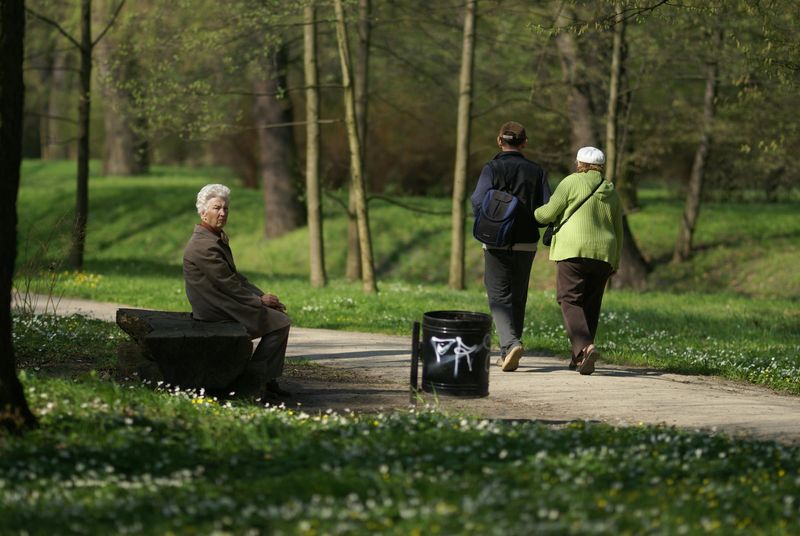
Long before fitness trackers and boutique workout studios, boomers understood that regular walking was one of the best things you could do for your health.
They took daily walks not as a trendy exercise program but as a simple lifestyle habit that supported physical fitness, mental clarity, and longevity without requiring expensive equipment or memberships.
Walking also provided time for reflection, conversation, and connection with the neighborhood that more intense workouts don’t offer.
It’s low-impact, accessible at any age, and proven to reduce stress while improving cardiovascular health.
While high-intensity training has its place, the humble daily walk remains an underrated foundation for lifelong wellness that boomers practiced consistently.
Comments
Loading…