
 Harper Hall
Buying secondhand can be one of the smartest money moves you’ll ever make, especially when you’re furnishing a home, refreshing your wardrobe, or trying to cut down on waste.
The problem is that not everything should be rescued from a thrift store shelf or accepted from a “barely used” Facebook Marketplace listing.
Some items hide safety risks you can’t see, hygiene issues you can’t fully fix, or missing parts that turn a bargain into an expensive headache.
In a few categories, you’re not just gambling with comfort or quality, you’re gambling with health and safety.
If you want to save money the right way, it helps to know where to draw the line.
Here are seven things that are worth buying new, even if your budget loves a deal.
1. Car seats

You would never want to gamble with a seat that might have unseen crash damage.
The plastic can look pristine while the internal structure has already absorbed impact forces.
Expiration dates, recalls, and missing parts turn a good deal into a risky guess.
Even if the fabric looks spotless, key components may be worn, incompatible, or out of spec.
Labels get peeled off, stickers fade, and manuals disappear, making correct installation harder.
That is not the kind of mystery you want riding in your back seat.
Buy new so you know the history, or accept a hand me down only from someone you fully trust.
Verify the model number, expiration date, and recall status with the manufacturer website.
Your child’s safety deserves a seat with a clear story and every piece accounted for.
2. Cribs (especially older models)
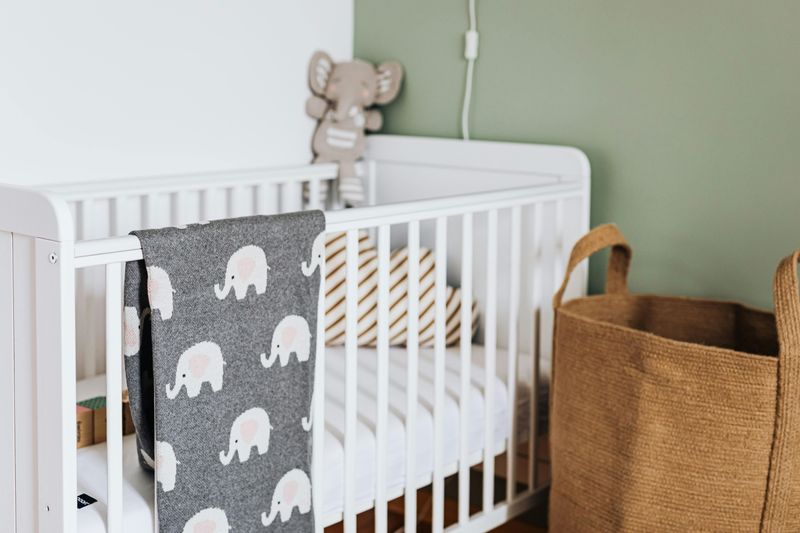
Hand me down nostalgia should not beat modern safety standards.
Older cribs can hide hazards like unsafe slat spacing, missing hardware, or the notorious drop-side design.
A single missing bolt or improvised fix can create entrapment risks you would never notice at a glance.
Standards evolve because accidents teach hard lessons.
Recalls happen, instructions get lost, and replacement parts might no longer exist.
Even a sturdy frame can be compromised by invisible wear or a past repair that looks neat but fails under load.
Buy new when you can, or research extremely carefully before considering used.
Check the model number against recall databases and confirm all hardware and instructions are present.
Your baby sleeps best when you know the crib meets current rules without guesswork or outdated designs.
3. Helmets (bike, ski, motorcycle)

That glossy shell can hide a secret.
One impact is enough to crush the foam inside, even if the outside looks untouched.
Helmets are designed to sacrifice themselves once, then retire with quiet dignity.
A used lid might have been dropped, crashed, or stored in a hot garage that degraded materials.
Straps can stretch, dials break, and certification labels fade, leaving you uncertain about fit and protection.
Confidence matters when asphalt is inches away.
Buy new so you know the full history and compliance.
Choose a properly fitted model with fresh straps and clear certification.
Your head deserves a helmet that is all promise, no question mark.
4. Mattresses
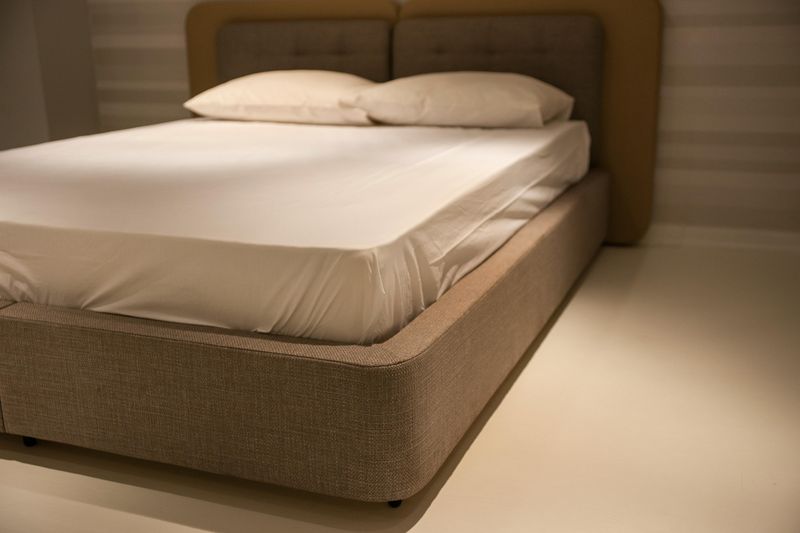
Great sleep should not come with mystery stains and hush-hush histories.
Used mattresses can harbor bed bugs, allergens, and odors that refuse to leave.
Springs and foam also wear unevenly, so your back pays for someone else’s sleep habits.
Even careful sellers may not realize what has settled deep in the layers.
Cleaning helps but does not reset the clock on structural fatigue or hygiene concerns.
That sweet price often becomes an expensive itch in the long run.
Look for new options during sales, at outlets, or from budget friendly online brands.
Trial periods and warranties beat guesswork every time.
Your sleep, skin, and spine will thank you for choosing a fresh start.
5. Upholstered furniture (couches, recliners, fabric chairs)
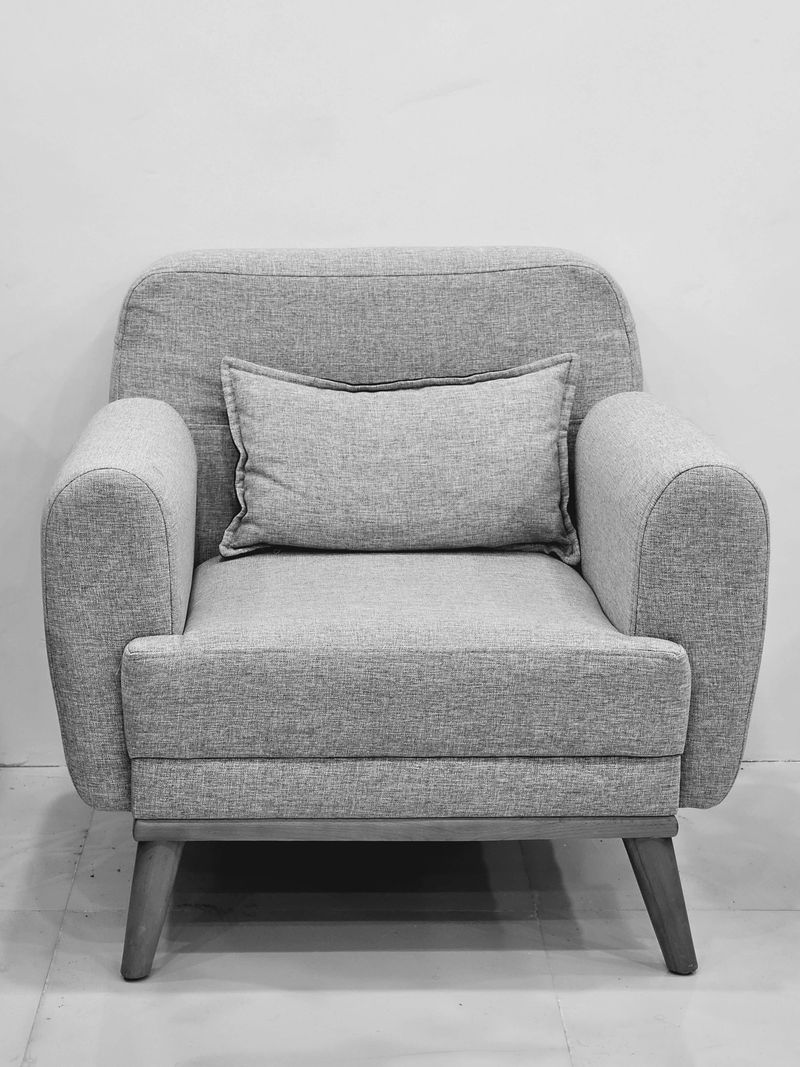
Soft furniture tells stories you cannot always smell at first.
Fabric can hold onto pet dander, smoke, and mystery odors that cleaning never fully erases.
Worse, pests like bed bugs hitch rides in seams and piping, waiting to expand their empire.
Cushions compress unevenly, frames loosen, and old spills turn into long-term fragrances.
A good looking sofa might hide a sagging center or a squeak that grows louder each movie night.
Once those guests move in, eviction is expensive and frustrating.
Choose hard surface pieces used, like solid wood you can inspect and sanitize.
Leather can work if carefully checked for cracks and seams.
Otherwise, buy new on clearance and enjoy seating that does not come with unintended roommates.
6. Nonstick cookware (scratched pans)
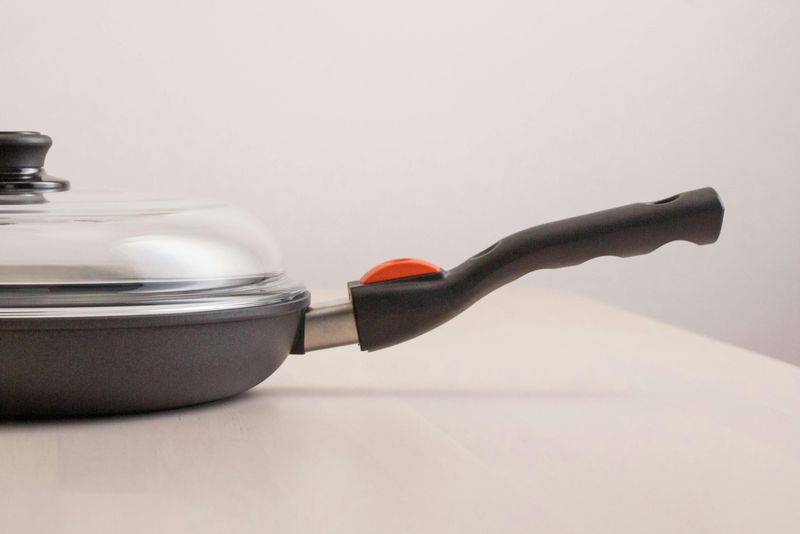
That tiny scratch is not just cosmetic.
Damaged coatings lose their nonstick magic, demand extra oil, and can flake into food.
Heat distribution suffers when the surface is compromised, turning simple eggs into a sticky test.
Used pans often hide micro scratches you only notice after dinner is ruined.
High heat, metal utensils, and dishwasher cycles all shorten a coating’s life.
You end up replacing it soon anyway, so the deal rarely adds up.
Buy new nonstick for predictable performance and safety.
Or go secondhand with stainless steel or cast iron, which can handle wear and be restored.
Your omelet should glide, not negotiate.
7. Cosmetics and personal care items (makeup, skincare, razors, toothbrushes)

Your face deserves products with a known past.
Once opened, makeup and skincare start a ticking freshness clock.
Bacteria, cross contamination, and degraded actives turn savings into skin drama.
Razors and toothbrushes are even more personal.
Used or swatched items can spread germs and irritate sensitive areas, no matter how clean they look.
Fragrance shelf life and sunscreen stability also get sketchy when storage is unknown.
Stock up during sales, use drugstore dupes, or subscribe and save for basics.
Choose sealed items with clear expiration dates and batch codes.
Your routine should be pampering, not a science experiment.
Comments
Loading…