
 Hailey Watson
10 Ways Your Grocery Store Tricks You Into Spending More
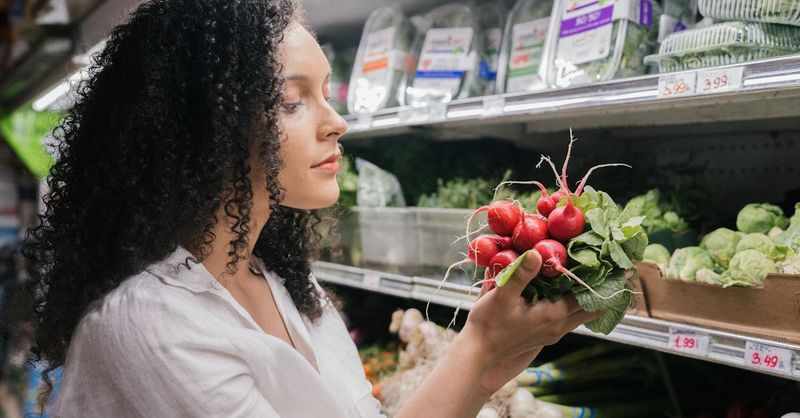
Most of us walk into the grocery store with a plan and still leave with a bag of “How did that get in there?” extras.
That’s not a personal failure, because stores are designed to quietly steer your choices and stretch your budget.
From where staples are placed to how deals are framed, the layout and labels are built to make spending feel natural.
The good news is that once you recognize the patterns, they lose a lot of their power.
Use the tips below to spot the most common tactics and keep your cart focused on what you actually came for.
1. The “decompression zone” at the entrance
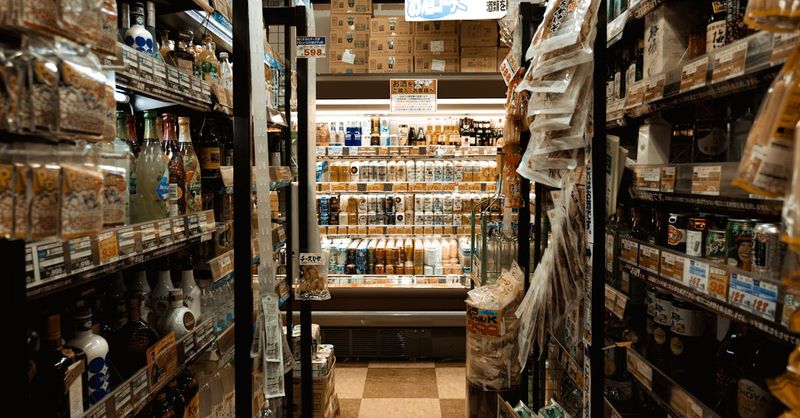
Right as you step in, you’re greeted with bright colors, fresh scents, and a display that feels more like a market than a business.
That welcoming setup is meant to slow you down, lift your mood, and put you in a browsing mindset before you even think about prices.
Flowers, seasonal bins, and glossy produce create the feeling that you’re starting with “good choices,” which makes later splurges feel justified.
When you begin your trip lingering instead of heading straight to essentials, your cart starts filling with impulse picks that weren’t on your list.
To push back, decide your first stop before you enter and walk there directly without scanning the front displays.
If something up front truly matters to you, write it on your list so it becomes a planned purchase instead of a mood-based add-on.
2. Milk and eggs are “mysteriously” in the back
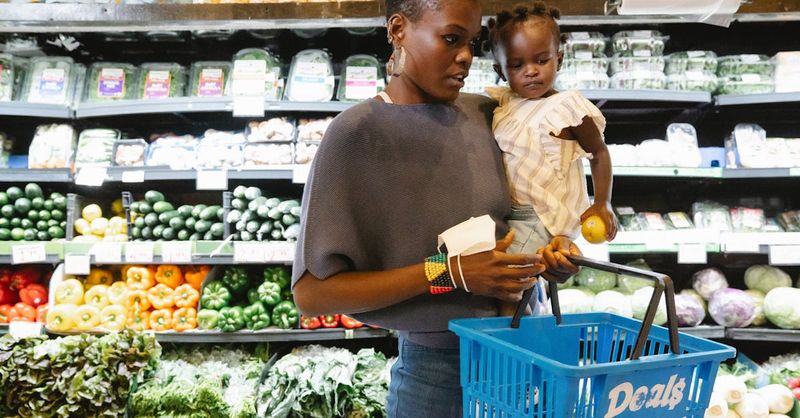
A lot of the items people need most are positioned to require a full-store walk, and that is not an accident.
When basics like milk, eggs, and bread are located in the back or along the edges, you have to pass dozens of tempting options to reach them.
That extra “exposure time” increases the chances you’ll toss in snacks, drinks, or a random “treat for later” you didn’t intend to buy.
Even if each extra item is only a few dollars, the total adds up fast because the detours happen every single trip.
The easiest workaround is to shop from a tight route that matches your list, rather than wandering aisle by aisle.
If your store allows it, consider using pickup for staples and going inside only for produce or specific planned items.
3. Endcaps that look like bargains (but aren’t always)
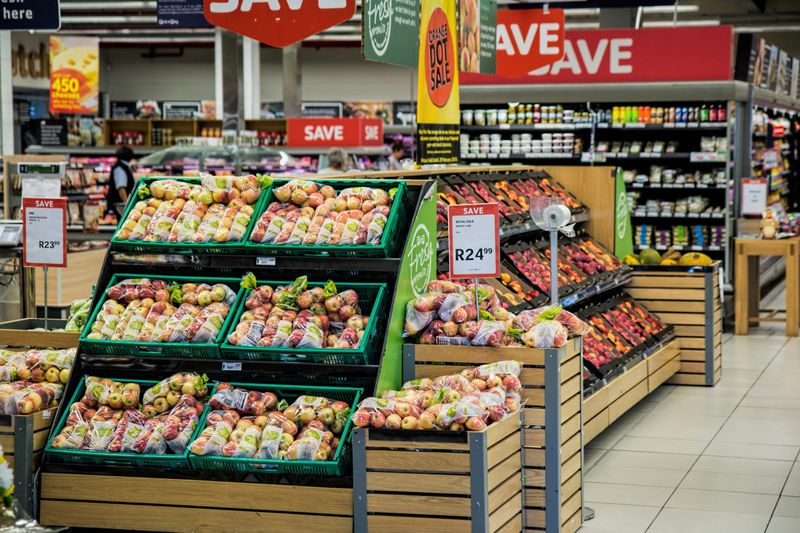
Those end-of-aisle displays are designed to feel like a special opportunity, even when the price is ordinary.
Because endcaps are highly visible, many shoppers assume the items there must be discounted or popular for a reason.
In reality, brands often pay for that placement, and stores use it to highlight high-margin products or push overstock.
The result is that you might grab chips, soda, or cereal from the endcap without checking whether the shelf version is cheaper per ounce.
A quick habit change helps a lot, which is pausing long enough to compare unit prices before you commit.
If you want to keep it simple, treat endcaps as advertisements and only buy from them when the item is already on your list.
4. Shelf placement: eye level is the “pay more” level
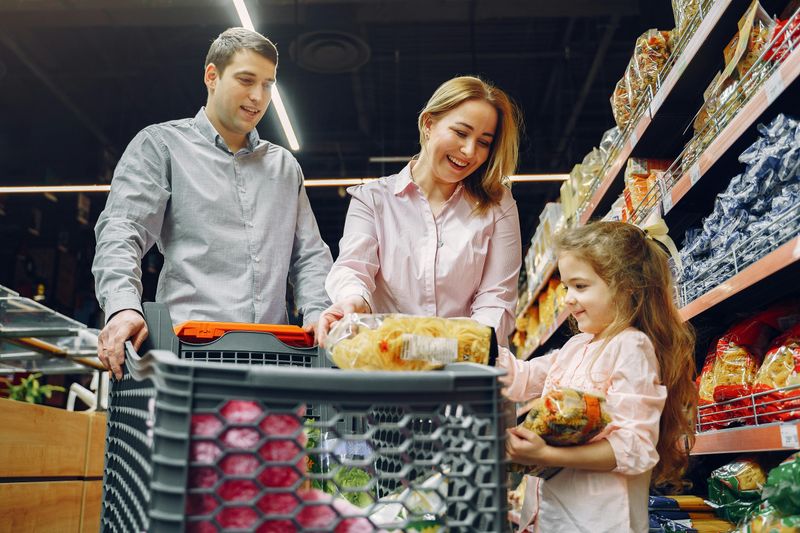
The most convenient spot on the shelf is rarely the best deal, and stores know your eyes naturally land in the middle.
Premium brands and higher-priced sizes are often placed right at adult eye level because that position gets the most grabs.
Lower-cost store brands, bulk options, and less-profitable items are frequently pushed to the bottom shelf or tucked up high.
That layout quietly nudges you toward spending more without feeling like you made a “big” decision at all.
You can counter this by scanning the whole shelf, especially the top and bottom rows, before choosing.
It also helps to rely on unit price labels instead of brand familiarity, because the cheaper option is often hiding in plain sight.
5. “Limited-time” seasonal aisles that trigger FOMO
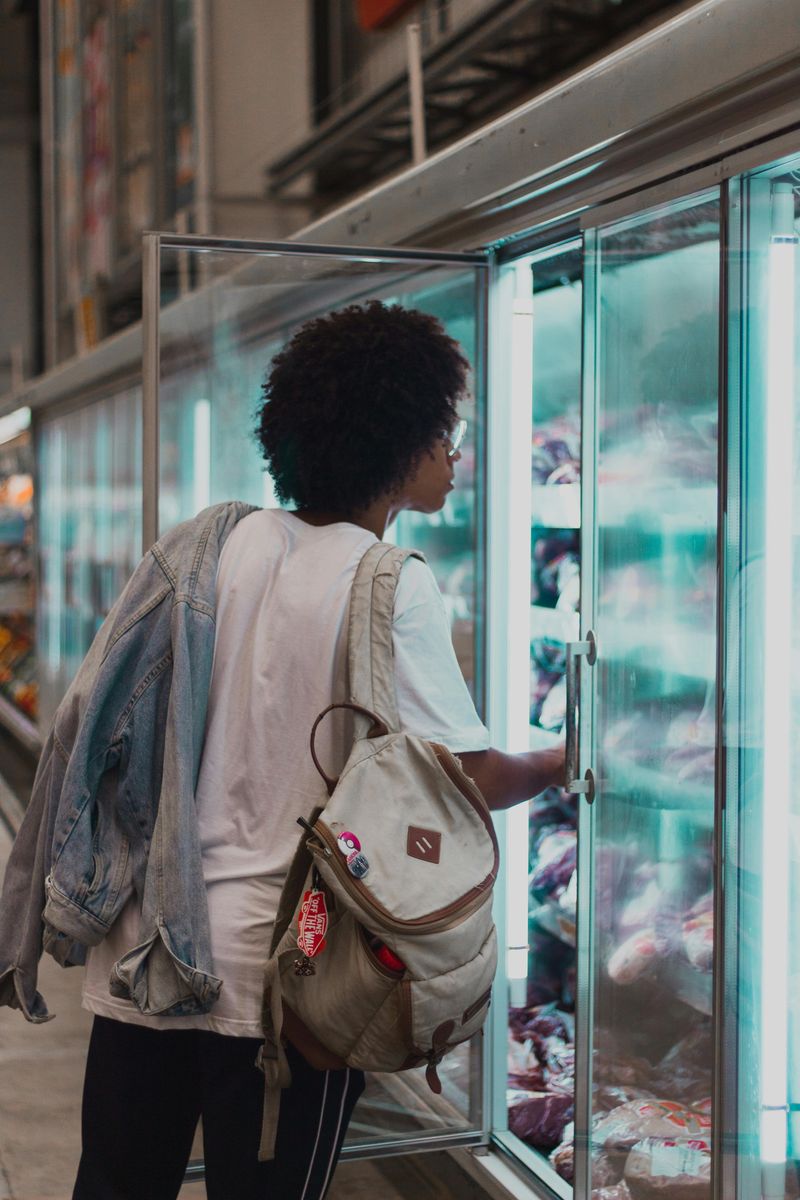
The store’s seasonal section is built to make you feel like you’ll miss out if you don’t grab things right now.
Limited-time packaging and holiday-themed displays create urgency, even when the items are basically the same as what’s sold year-round.
That pressure leads to “just in case” buying, like extra baking supplies, novelty snacks, or décor that wasn’t in your budget.
Because these displays change constantly, they also invite casual browsing, which is a reliable way to increase impulse spending.
A practical strategy is to give yourself a seasonal spending limit before you enter, so you’re deciding with logic instead of emotion.
If you love holiday items, make a short seasonal list at home and stick to it the same way you do with essentials.
6. Multi-buy deals that push you to overbuy
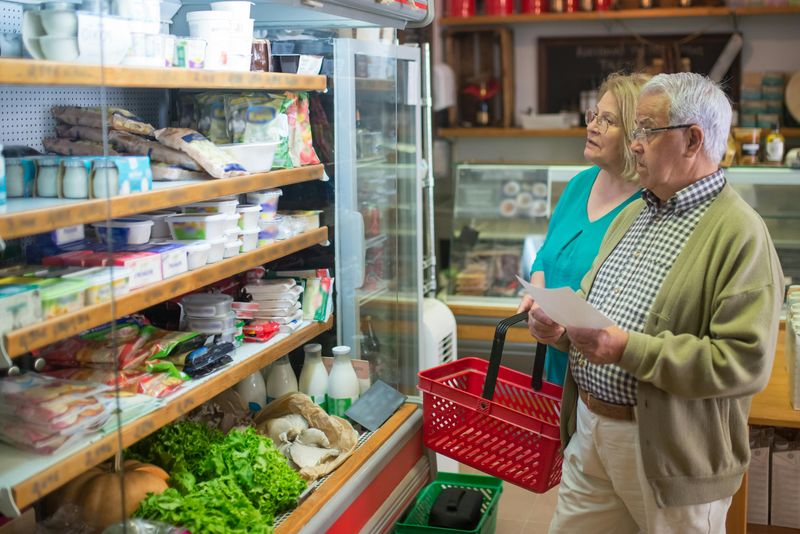
Sales like “2 for $6” or “buy 5, save $5” can sound smart, but they often encourage buying more than you need.
Even when the math works, the real question is whether you would have purchased that many items at full price.
Extra quantity is especially risky with snacks, sugary drinks, and convenience foods that disappear faster when they’re in your pantry.
Sometimes the deal is also structured so you only get the discount if you hit the exact quantity, which turns shopping into a spending game.
To avoid the trap, decide your quantity based on your meal plan, not the promotion sign.
If you truly want to stock up, prioritize shelf-stable staples you will definitely use, and skip multi-buys on “treat” foods.
7. Bigger carts and baskets that make your haul look small
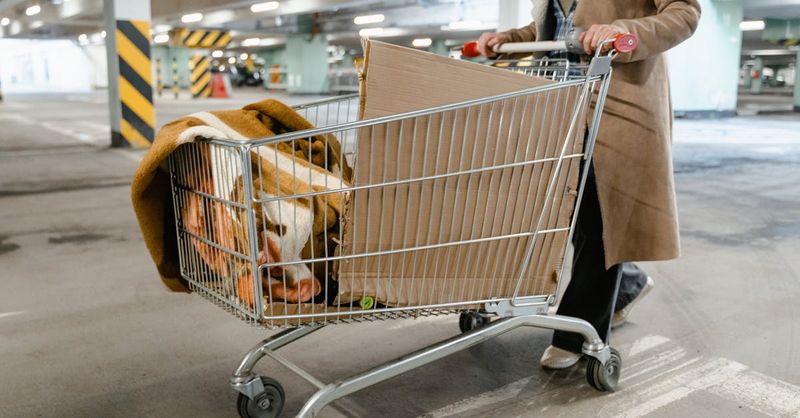
The size of your cart subtly changes how you perceive what you’ve already put inside it.
When the basket is large, a reasonable amount of groceries can look like almost nothing, which creates a nagging feeling that you’re not done.
That mental gap leads to extra roaming and extra items, because your brain wants the cart to match the effort of the trip.
Stores have gradually increased cart sizes over time, and the effect is strongest when you’re shopping for only a few planned items.
One simple fix is to grab a hand basket when you can, or choose the smallest cart available.
If you must use a large cart, keep your list visible and treat the empty space as irrelevant instead of a signal to add more.
8. Checkout lane ambush
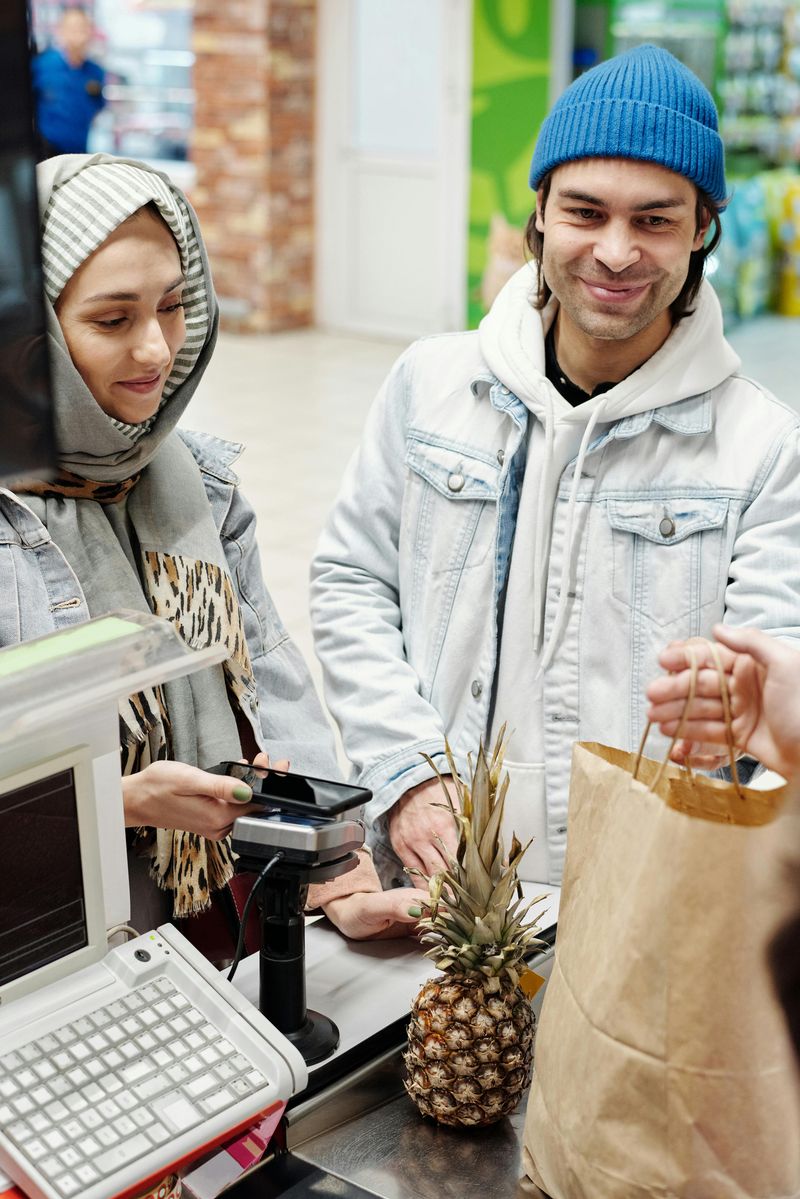
By the time you reach the register, you’re tired, your patience is thin, and your self-control is already spent.
That’s exactly why checkout lanes are packed with candy, magazines, mini drinks, and “tiny splurge” items that feel harmless.
These products are priced to seem insignificant, but repeated impulse grabs can quietly inflate your total over time.
It’s also a sneaky parenting pressure point, because kid-friendly items at eye level invite last-second requests.
A helpful approach is deciding ahead of time that the checkout area is a no-buy zone, no matter what you see.
If you shop with children, give them a pre-selected choice from your list so you’re not negotiating in the most tempting spot in the store.
9. Sale tags that distract from unit price
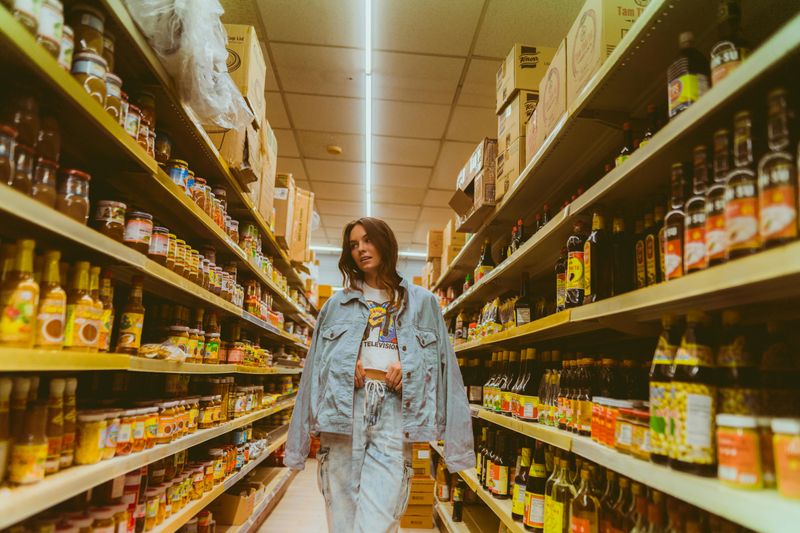
Bright labels and bold “special” wording can make you assume you’re saving, even when the numbers say otherwise.
Stores know many shoppers glance at the tag color more than the actual price per ounce, per count, or per pound.
That’s how a “deal” can end up being a smaller package with a higher unit cost than the boring option next to it.
This is especially common with snack packs, single-serve items, and “family size” labels that don’t always mean better value.
The smartest habit here is using the unit price on the shelf label as your decision-maker, not the sale sticker.
If unit prices aren’t shown, use your phone calculator once or twice, because a few seconds of math can save you dollars every trip.
10. Store layout that separates “meal components”
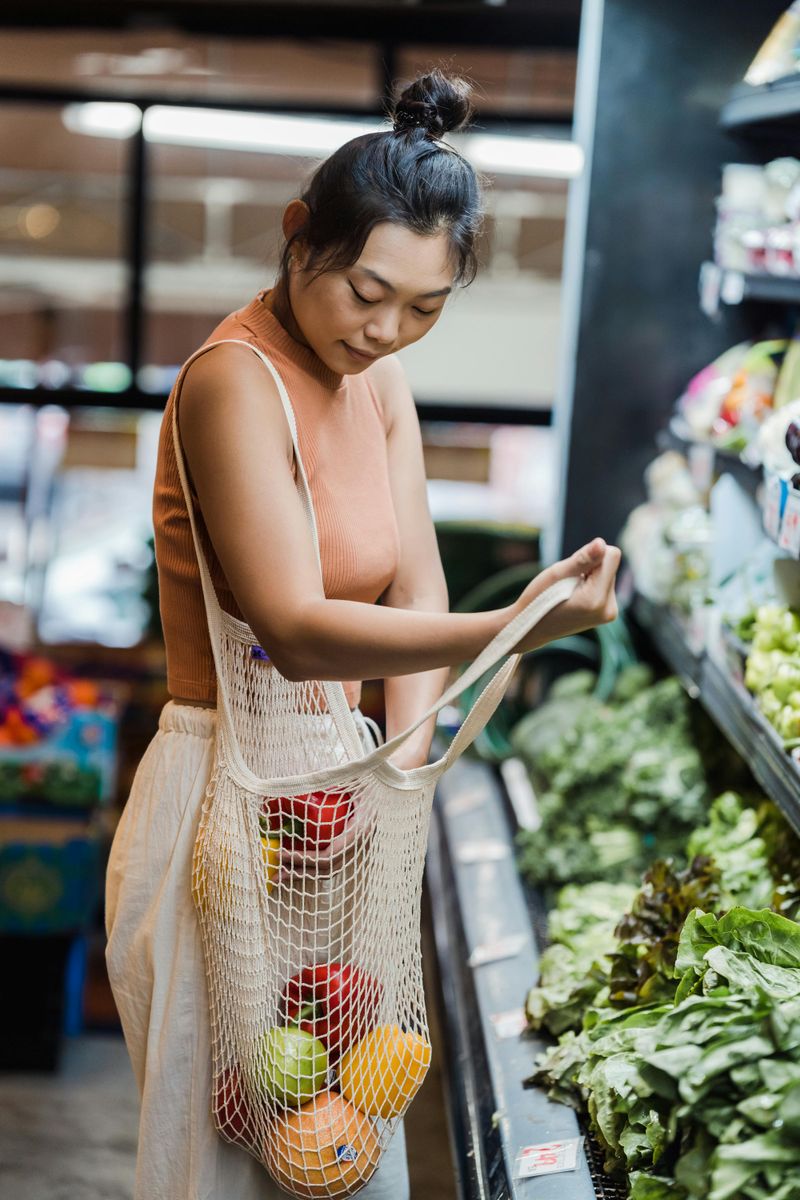
Instead of placing related ingredients together, stores often spread meal components across multiple aisles to increase wandering.
When you have to hunt for pasta, then sauce, then cheese, then bread, you pass countless extras that can turn a simple dinner into a pricey cart.
That constant movement also breaks your focus, which makes it easier to forget what you already planned and easier to justify “might as well” items.
The longer you stay inside, the more likely you are to add impulse snacks, new products, and convenience foods.
To stay in control, build your list by store section so you can move with purpose and avoid unnecessary backtracking.
If your store has an app with aisle locations, use it to plan a tight route and treat browsing as optional entertainment, not part of the mission.
Comments
Loading…