
 Isabel Parker
Women With These 11 Traits Are Often Immature And Hard To Be Married To

Marriage takes work from both people.
When one partner shows signs of immaturity, it makes building a strong relationship much harder.
Certain behaviors can create constant stress and prevent real connection from forming.
Understanding these traits helps couples recognize problems early and work toward healthier patterns together.
1. She’s A Drama Queen

Small problems become theatrical performances.
A forgotten grocery item turns into a tearful meltdown.
A casual comment sparks an emotional explosion that lasts for hours.
This pattern wears down even the most patient partner.
Every day feels like walking through a minefield where anything might trigger the next crisis.
Simple conversations become impossible because the emotional stakes feel unreasonably high.
Partners eventually grow exhausted from managing these constant storms.
The relationship loses its peaceful moments, replaced by anxiety about what small thing might cause the next big reaction.
2. She Can’t Forgive And Forget

Old arguments never really end.
That mistake from three years ago?
It gets brought up during every new disagreement like it happened yesterday.
Resentment builds into an emotional wall between partners.
Instead of moving forward together, the relationship stays stuck replaying past hurts.
Each conversation becomes a history lesson of everything that went wrong before.
Real healing never happens because forgiveness stays out of reach.
The constant reminders create a toxic atmosphere where growth becomes impossible.
Partners feel trapped in an endless cycle where nothing they do can erase previous mistakes.
3. She’s Bossy

Every decision needs her approval.
She dictates how chores get done, what friends he can see, even how he should think about certain topics.
This controlling behavior creates an unequal partnership where one person holds all the power.
Her partner feels more like an employee than an equal companion.
The constant direction and correction drain away his confidence and independence.
Relationships need balance to survive.
When one person acts like the boss, resentment grows quickly.
What started as strong opinions transforms into suffocating control that pushes partners away instead of bringing them closer together.
4. She Can’t Be Trusted

Private conversations become public knowledge.
That vulnerable moment he shared?
She told her friends at brunch the next morning without thinking twice about it.
Trust forms the foundation of any strong marriage.
When someone repeatedly breaks confidences or shares intimate details, that foundation crumbles.
Partners stop opening up because they know their words might get repeated to others.
Emotional intimacy requires safety.
Without trust, couples can’t build the deep connection that makes marriage meaningful.
The relationship stays surface-level because neither person feels secure sharing their true thoughts and feelings anymore.
5. She’s A Nag

The same complaints echo through the house daily.
Nothing he does meets her standards, and she makes sure he hears about it constantly.
Continuous criticism poisons communication.
Instead of feeling motivated to improve, partners shut down under the barrage of negative feedback.
What could be helpful suggestions become irritating repetitions that accomplish nothing except creating distance.
Positive reinforcement works better than constant complaints.
When nagging becomes the primary form of communication, both people grow miserable.
The criticized partner feels inadequate while the critic feels unheard, creating a cycle that benefits nobody.
6. She’s Always Right

Admitting fault simply doesn’t happen.
Even when evidence proves otherwise, she twists the situation to maintain her position of correctness.
Healthy relationships require both people to acknowledge mistakes.
When one partner refuses to accept responsibility, compromise becomes impossible.
Arguments never truly resolve because one person won’t budge from their stance, no matter what.
This stubborn pride damages connection over time.
Partners feel unheard and invalidated when their perspective gets dismissed automatically.
The relationship stagnates because growth requires recognizing where we fall short and working to improve those areas together.
7. She’s Terrible At Communicating Her Wants And Needs

Mind reading becomes an expected skill.
She gets upset when he doesn’t automatically know what she wants, even though she never actually said it out loud.
Clear communication keeps relationships running smoothly.
When someone expects their partner to guess their needs, disappointment follows constantly.
Unexpressed expectations create confusion and frustration on both sides of the relationship.
Speaking up directly solves most of these problems.
Partners aren’t psychic, and assuming they should know without being told sets everyone up for failure.
Healthy couples talk openly about their needs instead of playing guessing games that nobody wins.
8. She Refuses To Apologize

The words “I’m sorry” never cross her lips.
When conflicts happen, she deflects, makes excuses, or turns things around to blame her partner instead.
Apologies help relationships heal after disagreements.
Without them, wounds stay open and resentment builds with each unresolved conflict.
Taking responsibility shows maturity and respect for the other person’s feelings.
Refusing to apologize signals an unwillingness to be vulnerable or admit imperfection.
This creates a one-sided dynamic where only one person ever admits wrongdoing.
Over time, the partner who always apologizes grows tired of carrying that emotional burden alone.
9. She’s Overly Controlling Or Overly Concerned

Constant check-ins replace trust.
She needs to know where he is, who he’s with, and what he’s doing every moment of the day.
This behavior often disguises itself as concern but functions as control.
Whether it stems from anxiety or possessiveness, the result stays the same—her partner feels suffocated.
Nobody enjoys being monitored like a child under surveillance.
Healthy relationships allow space for independence.
Micromanaging every detail creates stress instead of security.
Partners need freedom to live their lives without constant supervision, and relationships thrive when both people trust each other enough to allow that freedom.
10. She Struggles With Empathy

His feelings get dismissed or minimized regularly.
When he shares something difficult, she responds with indifference or tells him he’s overreacting.
Empathy creates emotional bonds between partners.
Without it, one person feels alone even while in a relationship.
Being unable to understand or validate a partner’s emotions weakens the connection that holds couples together through hard times.
Emotional support matters deeply in marriage.
When someone consistently fails to recognize their partner’s feelings as valid, intimacy disappears.
The unsupported partner eventually stops sharing because they know their emotions won’t be met with understanding or care.
11. She Avoids Accountability
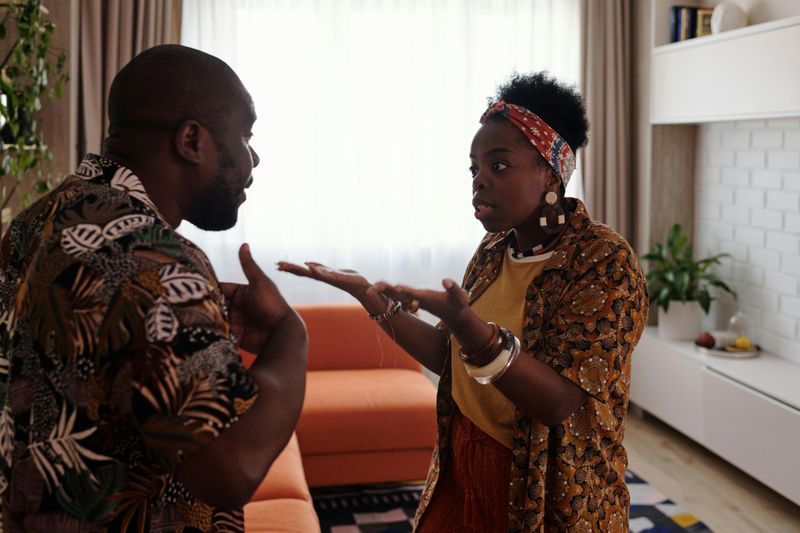
Problems always become someone else’s fault.
When issues arise, she immediately points fingers elsewhere rather than examining her own role in the situation.
Accountability allows couples to solve problems together.
When one person refuses to acknowledge their contribution to conflicts, resolution becomes nearly impossible.
Defensiveness blocks productive conversations and prevents the relationship from moving forward.
Growth requires honest self-reflection.
Partners who deflect blame miss opportunities to improve themselves and strengthen their relationships.
This pattern keeps couples stuck repeating the same arguments because the real issues never get addressed properly.
Comments
Loading…