
 Jade Reed
Women Who Don’t Respect Men Often Say These 10 Things to Them

Words carry a lot of weight in any relationship, and the way we speak to someone can either build them up or tear them down.
Some phrases might seem small or harmless in the moment, but they can quietly chip away at a person’s confidence and sense of worth.
Recognizing these patterns is the first step toward healthier, more respectful communication.
Here are 10 things women who don’t respect men often say, and why each one matters.
1. “You Always Mess It Up”

Turning one mistake into a full-on character attack is never fair.
When someone says “you always mess it up,” they’re not talking about the problem anymore — they’re attacking the person.
That kind of language makes a man feel like he can never do anything right, no matter how hard he tries.
Healthy communication means sticking to the specific issue at hand.
Instead of labeling someone as incompetent, a better approach is saying, “That didn’t go as planned — let’s figure out what went wrong.”
Small shifts in wording can make a huge difference in keeping respect alive in any relationship.
2. “Must Be Nice Not to Worry About This”

Sarcasm wrapped in resentment rarely solves anything.
Saying “must be nice not to worry about this” implies that a man has no real responsibilities or concerns, which is both dismissive and unfair.
It shuts down the conversation before it even gets started and leaves him feeling invisible.
Everyone carries burdens that others may not always see.
Rather than assuming someone has it easy, asking open questions like “Can we talk about how we’re both handling this?” creates space for honest dialogue.
Mutual understanding grows when both people feel their struggles are acknowledged, not minimized or mocked.
3. “You’re So Clueless Sometimes”
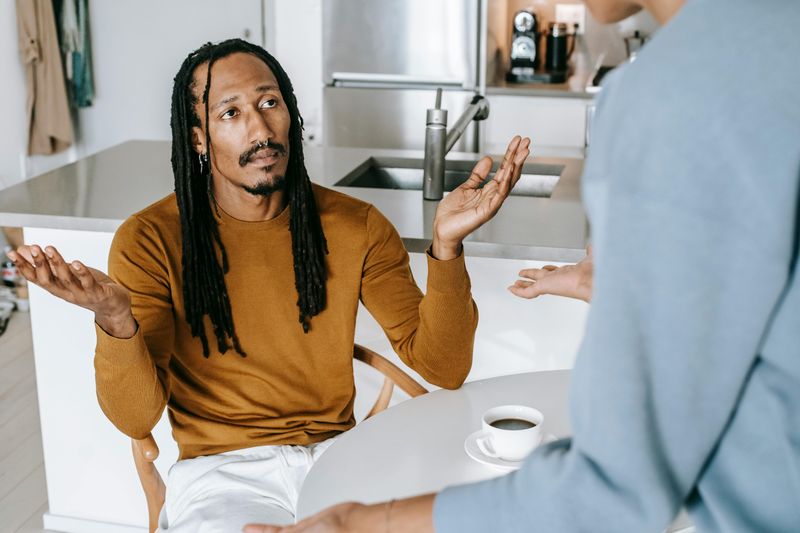
Calling someone clueless is more than just a casual comment — it’s a label that sticks.
When a woman tells a man he’s clueless, she’s not offering help or clarity; she’s writing him off entirely.
Over time, that kind of language erodes a man’s confidence and makes him hesitant to speak up or share ideas.
Nobody knows everything, and gaps in knowledge are totally normal.
A respectful partner fills those gaps with patience, not put-downs.
Saying something like “Here’s what I think might help” is far more constructive than using intelligence as a weapon.
Real teamwork starts with treating each other as equals.
4. “I’ll Just Do It Myself”

There’s a big difference between being independent and shutting someone out.
When “I’ll just do it myself” gets thrown around regularly, it sends a clear message: “I don’t trust you.”
That kind of attitude quietly destroys a man’s motivation to contribute and makes him feel like he’s not a valued partner.
Collaboration is one of the most powerful tools in any relationship.
Even when someone could technically handle something alone, inviting a partner to help builds connection and mutual respect.
Saying “Can we tackle this together?” costs nothing but creates everything — shared effort, shared pride, and a much stronger bond between two people.
5. “It’s Fine”
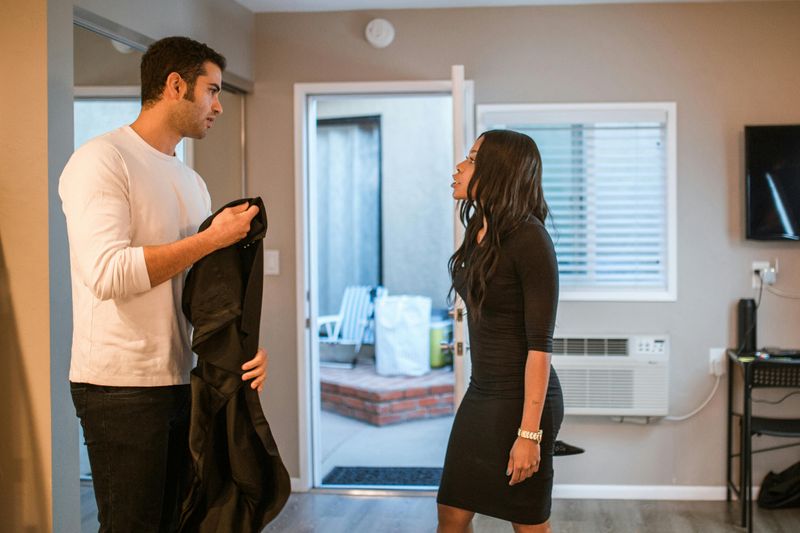
Two small words, and yet they can cause so much confusion.
“It’s fine” is often anything but fine — it’s a passive signal that something is wrong, but the speaker isn’t ready or willing to say what.
For men on the receiving end, it creates a guessing game that leads to frustration and emotional distance.
Honest communication, even when it feels uncomfortable, is always better than silence wrapped in sarcasm.
Saying “I’m actually bothered by this, and I’d like to talk about it” takes courage, but it builds trust.
Relationships thrive when both people feel safe enough to say what they actually mean without fear of judgment.
6. “You Need to Grow Up”

Maturity looks different for everyone, and telling someone to “grow up” is rarely helpful — it’s just hurtful.
This phrase dismisses a man’s perspective entirely and replaces understanding with belittlement.
It signals that his feelings or opinions aren’t worth taking seriously, which is deeply disrespectful.
Disagreements don’t have to turn into attacks on someone’s character or age.
If something genuinely feels immature, a more respectful route is sharing how the behavior affects you personally.
Try saying, “When this happens, I feel frustrated because…” That approach opens a real conversation instead of slamming the door on one.
Growth happens through dialogue, not dismissal.
7. “You’re So Incompetent”

Few phrases sting as sharply as being called incompetent by someone you care about.
It’s a direct hit to a man’s self-worth, and it doesn’t just disappear after the argument is over.
Words like these linger, quietly reshaping how a person sees himself and how much effort he’s willing to put in going forward.
Healthy relationships require both people to feel capable and valued.
Criticism has its place, but there’s a world of difference between pointing out a mistake and attacking someone’s entire ability.
Framing feedback as “Here’s what I think could work better” respects both the person and the relationship far more than name-calling ever could.
8. “That’s Just Not a Big Deal”

Minimizing someone’s feelings is one of the quietest forms of disrespect.
When a man opens up about something that bothers him and hears “that’s just not a big deal,” the message he receives is loud and clear: your emotions don’t matter here.
That kind of response makes men less likely to share feelings in the future.
Emotional validation doesn’t mean agreeing with everything — it means acknowledging that the feeling is real.
Simply saying “I can see why that bothered you” goes a long way.
Everyone deserves to feel heard, especially by someone close to them.
Empathy costs nothing but means absolutely everything in a relationship.
9. “Don’t Mind Him”

Public humiliation hits differently than a private argument.
When a woman says “don’t mind him” in front of others, she’s essentially erasing the man from the conversation entirely.
It’s dismissive, embarrassing, and signals to everyone around that his voice doesn’t carry any real weight.
Respect in a relationship should show up in public just as much as it does behind closed doors.
A partner who consistently sidelines or mocks the other person in social settings is doing real damage to trust and dignity.
Supporting someone’s voice — even when you disagree — is a basic sign of genuine respect.
Everyone deserves to be treated as someone worth listening to.
10. “You’re All the Same”

Lumping someone into a stereotype is the fastest way to stop seeing them as an individual.
“You’re all the same” tells a man that his unique personality, efforts, and choices don’t matter — he’s just another face in a group being judged as a whole.
That kind of generalization is both unfair and deeply hurtful.
Every person deserves to be seen for who they actually are, not for the actions of others who share their gender.
Healthy communication means addressing the specific person and situation in front of you.
Letting go of broad generalizations opens the door to real understanding, genuine connection, and the kind of respect that every relationship needs to survive and grow.
Comments
Loading…