
 Hailey Watson
Why Some Women Are Hesitant to Marry: 10 Common Relationship Patterns

Marriage used to be seen as a natural next step for most women, but times have changed.
Today, more women are taking their time or choosing not to marry at all, and their reasons are worth understanding.
From wanting to keep their independence to worrying about past hurts, these decisions reflect deeper patterns in how modern relationships work and what women truly value in their lives.
1. Financial Independence Changes Everything

Gone are the days when marriage was a woman’s only path to financial security.
Today’s women earn their own money, own their own homes, and build their own futures without needing a partner’s paycheck.
This shift has completely changed the marriage conversation.
When you can support yourself comfortably, marriage becomes a choice rather than a necessity.
Women now ask themselves if they want to marry, not if they need to marry.
This freedom allows them to wait for genuine love and compatibility instead of settling for economic reasons.
Financial independence also means having the power to leave unhealthy situations.
Women who earn their own income feel more confident making relationship decisions based on happiness rather than survival, which naturally makes them more selective about marriage.
2. Career Dreams Take Priority
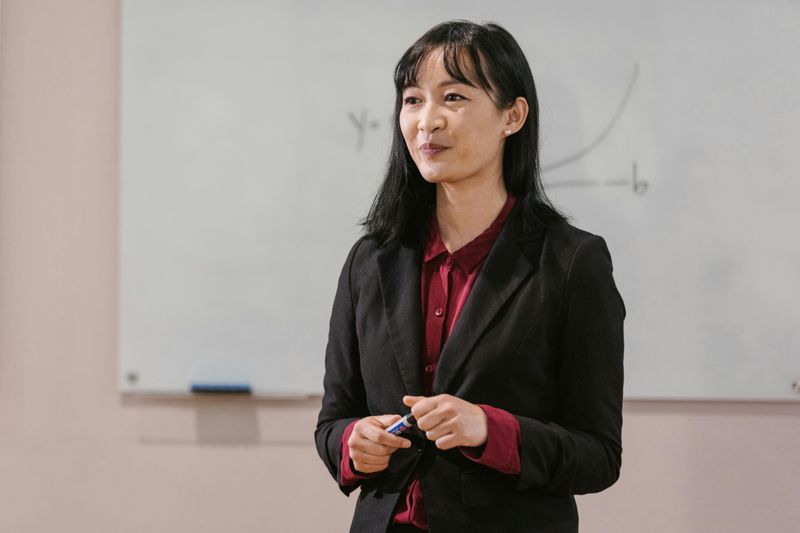
Building a career takes serious time and energy, and many women worry that marriage might derail their professional goals.
The truth is, climbing the career ladder often requires long hours, frequent travel, and total focus during critical years.
Marriage can feel like a distraction from these ambitions.
Some women have watched their mothers or older sisters sacrifice careers for family life.
They’ve seen the regret and frustration that can follow.
Learning from these examples, younger women often decide to establish themselves professionally before even considering marriage.
There’s also the reality that workplace advancement doesn’t always wait.
Promotions, important projects, and networking opportunities come when they come.
Women who prioritize careers aren’t rejecting relationships entirely; they’re simply putting marriage on hold until their professional foundations feel solid and secure.
3. The Freedom Factor Matters Most

Being able to decide everything for yourself—where you live, how you spend your weekends, what you eat for dinner every night.
This kind of personal freedom feels precious, and many women hesitate to give it up.
Marriage traditionally involves compromise, shared decision-making, and considering another person’s needs constantly.
For women who’ve fought hard to establish their independence, the idea of answering to someone else or coordinating every life choice can feel suffocating.
They’ve created lives they genuinely love, filled with friendships, hobbies, and spontaneous adventures that might require adjustment after marriage.
This doesn’t mean these women are selfish or commitment-phobic.
They simply value their autonomy deeply and want to be absolutely certain that marriage will enhance rather than limit their lives.
The right partner respects this need for space and individuality.
4. Past Relationship Wounds Run Deep

Heartbreak leaves scars that don’t always heal quickly.
Women who’ve experienced betrayal, emotional abuse, or painful breakups often carry those wounds into their thinking about future relationships.
The idea of marriage—a permanent commitment—can trigger anxiety and fear based on what went wrong before.
Maybe a previous partner cheated, lied constantly, or made promises they never kept.
These experiences teach harsh lessons about trust and vulnerability.
When you’ve been deeply hurt, protecting yourself becomes instinctive, and marriage feels risky.
Therapy and time can help heal these wounds, but some women decide they’d rather stay single than risk experiencing that level of pain again.
Others simply need much longer to rebuild their ability to trust someone enough for marriage.
Past trauma doesn’t disappear just because you meet someone new and wonderful.
5. Waiting for the Perfect Partner
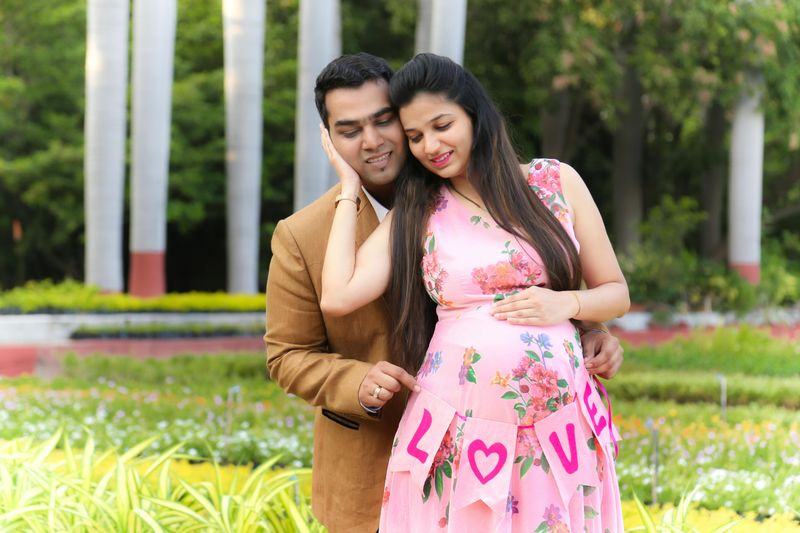
Romantic movies and love stories have taught us to expect fireworks, perfect compatibility, and effortless connection.
Many women hold these idealistic expectations close to their hearts, believing their perfect match exists somewhere out there.
They refuse to settle for anything less than extraordinary chemistry and complete understanding.
The problem?
Real relationships involve flaws, disagreements, and ordinary moments that don’t match fairy tale standards.
When actual partners fail to measure up to these impossibly high ideals, women keep searching instead of committing.
They worry that saying yes to someone good means missing out on someone perfect.
This pattern can lead to years of dating without ever finding someone who checks every box on an unrealistic list.
Sometimes the perfect partner is actually the imperfect person who loves you genuinely and shows up consistently, but idealistic expectations make this hard to recognize and appreciate.
6. Feeling Unprepared for Marriage Responsibilities

Marriage isn’t just about love and romance—it involves serious responsibilities like managing finances together, making major life decisions as a team, and potentially raising children.
Many women feel they haven’t learned enough about these practical aspects to confidently enter marriage.
Schools don’t typically teach relationship skills or how to navigate married life successfully.
Without proper preparation or role models, the prospect of marriage can feel overwhelming.
Women worry about making mistakes, choosing the wrong person, or failing at something so important.
This fear of being unprepared keeps them hesitant even when they’re in loving relationships.
Some women recognize they need more life experience, emotional maturity, or education about healthy relationships before they’re ready.
This self-awareness is actually healthy, though it delays marriage.
Taking time to prepare properly beats rushing into something you’re not ready to handle well.
7. Commitment Anxiety Holds Them Back

Some women genuinely struggle with the idea of forever.
Commitment anxiety isn’t about not loving someone—it’s about feeling trapped or panicked when relationships become too serious.
The permanence of marriage triggers deep fears about losing options, making the wrong choice, or being stuck in an unhappy situation.
This anxiety often stems from deeper issues like fear of abandonment, trust problems, or watching parents’ marriages fail.
When commitment feels terrifying rather than exciting, women naturally avoid or delay marriage even with partners they care about deeply.
The anxiety itself becomes the barrier.
Therapy can help address these fears, but many women don’t recognize commitment anxiety as the real issue.
They might blame timing, circumstances, or their partner’s flaws when the actual problem is their own internal struggle with long-term commitment.
Understanding this pattern is the first step toward overcoming it.
8. External Pressure Creates Resistance
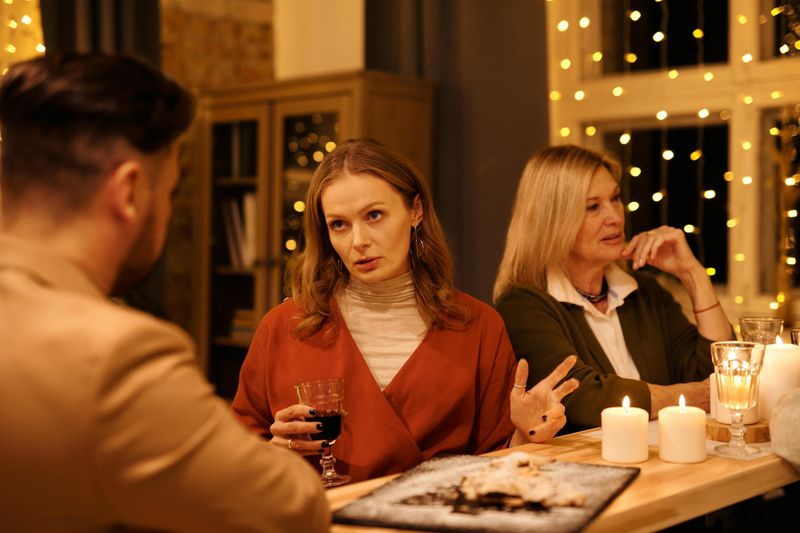
Nothing kills enthusiasm for marriage faster than constant nagging from family and friends.
When parents ask about wedding plans at every holiday dinner or relatives make comments about biological clocks ticking, women often dig their heels in and resist even harder.
This pressure backfires spectacularly.
The more people push, the more marriage feels like something being forced upon them rather than a choice they’re making freely.
Women start associating marriage with obligation, judgment, and meeting other people’s expectations instead of their own desires.
This creates genuine resentment toward the entire institution.
Social media adds another layer of pressure, with engagement announcements and wedding photos creating comparison and FOMO.
Women feel judged for being single or unmarried past a certain age.
Ironically, this external pressure often delays marriage further as women rebel against feeling controlled by societal timelines and expectations.
9. Pursuing Personal Goals First
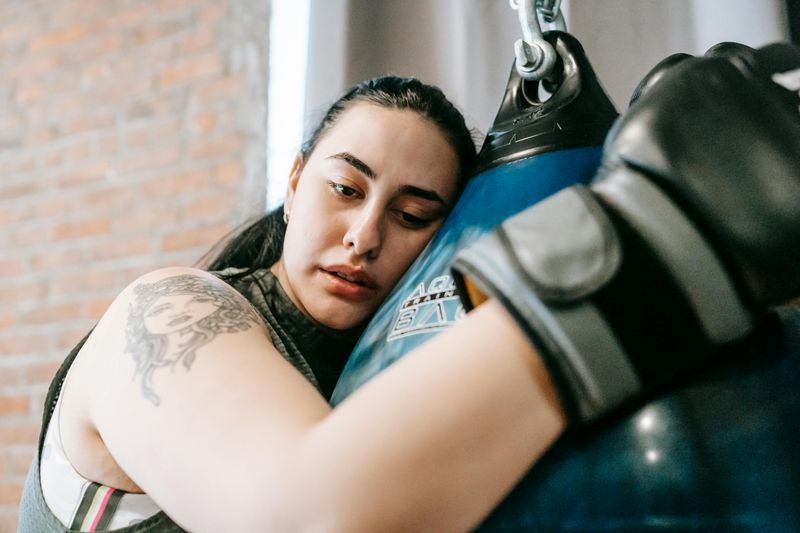
Travel the world, write a novel, start a business, earn an advanced degree—many women have personal dreams they want to accomplish before sharing their lives with someone else.
These goals require time, energy, and sometimes selfishness that marriage might complicate.
They want to become their best selves first.
There’s wisdom in this approach.
Women who achieve their personal goals before marriage often enter partnerships feeling more fulfilled and less resentful.
They don’t wonder what they missed out on or blame their spouse for abandoned dreams.
Self-actualization matters deeply to modern women.
Marriage will always be an option, but certain opportunities have expiration dates or become much harder with a spouse and family.
Women who prioritize personal fulfillment aren’t rejecting marriage permanently—they’re simply reordering their life timeline to honor both individual growth and eventual partnership when the timing feels right.
10. Divorce Statistics Spark Skepticism
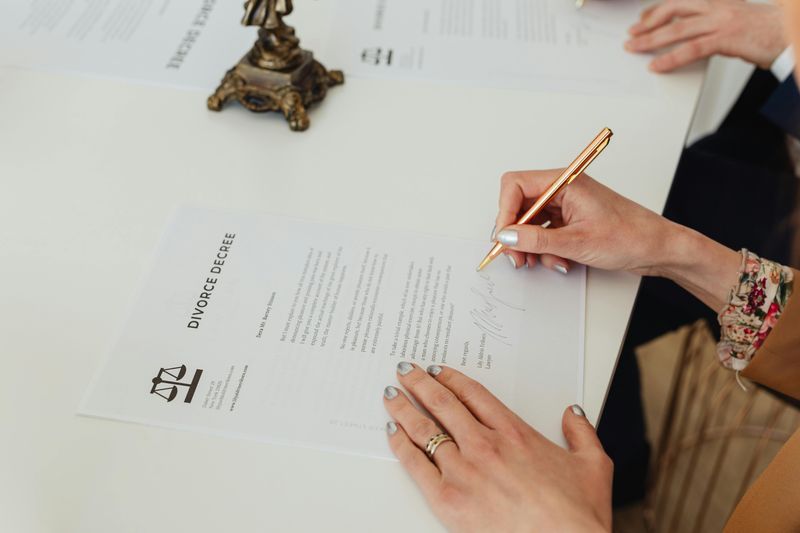
When roughly half of all marriages end in divorce, it’s hard not to feel skeptical about the whole institution.
Women who’ve witnessed their parents’ divorce or watched friends go through painful separations naturally question whether marriage is worth the risk.
The statistics alone are discouraging enough to create serious hesitation.
Divorce isn’t just emotionally devastating—it’s also financially draining and legally complicated.
Women consider these potential consequences carefully before committing.
Why sign up for something that fails so often?
The fear of becoming another divorce statistic keeps many women single or in long-term relationships without marriage.
Some argue that living together without marriage offers similar benefits with less risk.
If things don’t work out, separation is simpler without legal proceedings.
While this logic has flaws, it reflects genuine concern about marriage’s instability in modern society.
High divorce rates have fundamentally changed how women view marital commitment.
Comments
Loading…