
 Chloe Peterson
Why More Couples Are Choosing Separate Rooms—and Feeling Closer Than Ever as a Result

For a lot of couples, sharing a bed is treated like a relationship requirement, as if sleeping side by side is the ultimate proof everything is fine.
In reality, nighttime can be where love goes to die a little—snoring, scrolling, overheating, early alarms, and the constant negotiation of space can turn “togetherness” into daily irritation.
That’s why more partners are experimenting with what’s sometimes called a “sleep divorce,” even if the relationship itself is solid.
Sleeping in separate rooms isn’t automatically a sign of trouble, and it isn’t automatically a magic fix either.
Like most changes, it works best when it’s intentional and communicated clearly.
If you’re curious whether separate rooms could reduce conflict, boost intimacy, or simply help you function better, these seven reasons show why it might help—and what to watch out for.
1. Better sleep = better mood (and fewer fights)
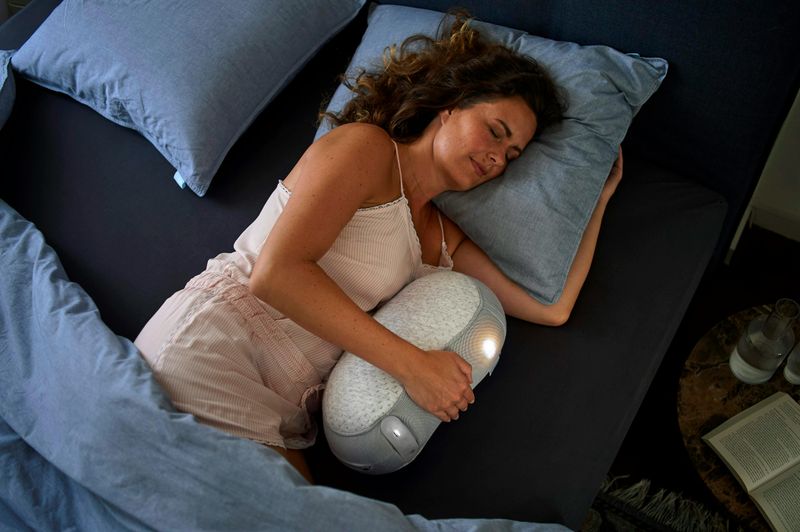
When you’re exhausted, everything feels personal, and small annoyances can escalate into real conflict.
If one person snores, runs hot, tosses and turns, or stays up late watching videos, the other person’s sleep quality often takes the hit.
Separate rooms can create a calmer, more controlled environment where each partner can actually rest.
That doesn’t just mean fewer yawns the next day; it can translate into better emotional regulation, more patience, and a higher tolerance for normal relationship stress.
People tend to underestimate how much sleep loss affects tone of voice, sensitivity, and willingness to compromise, especially when it becomes chronic.
When both partners wake up feeling restored, conversations are less reactive and disagreements feel easier to resolve.
In that way, separate rooms can function as a practical tool for protecting the relationship from avoidable friction.
2. Less resentment over “sleep crimes”

Most couples can name the nightly habits that slowly drive them crazy, even if they laugh about them in daylight.
The blanket thief, the loud breather, the phone scroller whose screen lights up the room, the person who insists the temperature be freezing, or the one who sets three alarms and snoozes all of them—these little “sleep crimes” add up.
Over time, resentment can grow because one person feels like their comfort always matters less.
Sleeping separately removes the constant need to negotiate every detail, which can be surprisingly freeing for both partners.
It’s not that the habits disappear, but the emotional charge around them often does.
When you don’t have to grit your teeth through the same annoyances every night, you’re less likely to carry that irritation into your morning interactions.
Less low-grade resentment can make the whole relationship feel lighter.
3. More space for different routines and needs

It’s hard to sleep well when your schedules and bodies don’t work the same way.
One partner may be an early riser who likes a quiet wind-down, while the other is a night owl who wants to read with a lamp on.
Add shift work, insomnia, anxiety, menopause-related temperature swings, CPAP machines, or chronic pain, and sharing a room can become stressful rather than soothing.
Separate rooms can offer each person the flexibility to meet their own needs without feeling guilty or “high maintenance.”
Instead of forcing compromise on things that genuinely affect health, couples can choose a setup that supports both people.
That doesn’t make the relationship less connected; it can actually prevent the silent frustration that comes from one person constantly adapting.
When partners stop treating sleep like a battleground, they often show up to the relationship with more energy and a better attitude.
4. It can increase desire (yes, really)

A surprising benefit of sleeping apart is that it can bring back a sense of choice and anticipation.
When you share a bed every night no matter what, intimacy can start to feel routine, and closeness can blur into habit.
Separate rooms can reintroduce small moments of intention, like deciding to meet up for cuddling, planning a “sleepover,” or making a deliberate move toward affection rather than collapsing into the same pattern.
That doesn’t mean distance automatically creates romance, but it can reduce the exhaustion and irritation that often kill desire.
People are typically more interested in intimacy when they feel rested and emotionally steady, not when they’re resentful about being kept awake.
Having your own space can also make you feel more like an individual, which is often attractive in a long-term relationship.
When togetherness is a choice instead of a default, it can feel more meaningful.
5. A chance to create intentional “together” time

Sleeping in separate rooms tends to work best when couples replace automatic togetherness with intentional connection.
Instead of assuming bedtime will naturally include conversation, cuddling, or emotional check-ins, partners often have to build those moments on purpose.
That can actually improve a relationship, because it encourages routine closeness that isn’t dependent on being unconscious in the same bed.
Some couples set a nightly wind-down where they talk for ten minutes, share a cup of tea, or watch a short show before splitting off to sleep.
Others create a “goodnight ritual,” like brushing teeth together, cuddling for a few minutes, or sending a sweet text after heading to separate rooms.
The key is treating the arrangement as a sleep strategy, not as emotional avoidance.
When you plan togetherness instead of relying on proximity, you’re more likely to feel connected in a way that carries into the daytime.
6. But it can also trigger insecurity or distance if you do not talk about it
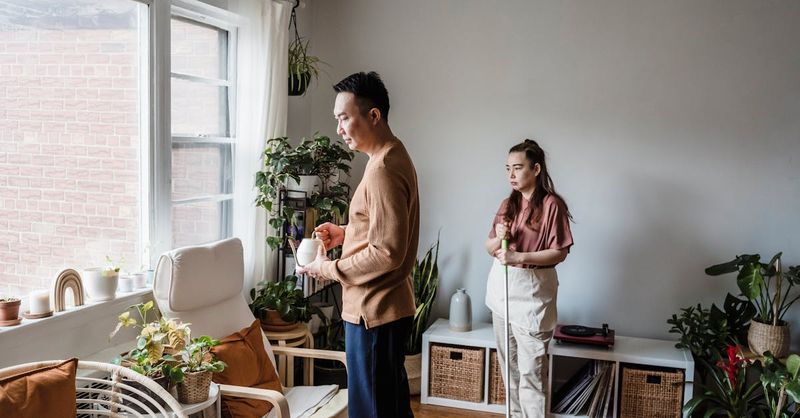
Even if the decision is practical, sleeping apart can bring up emotions that surprise you.
One partner might interpret it as rejection, or worry it signals the relationship is weakening, especially if they grew up believing that “happy couples share a bed.”
Without a clear conversation, separate rooms can accidentally become a symbol of disconnection rather than a solution for better rest.
That’s why the framing matters so much: the goal should be improved sleep and a stronger relationship, not punishment or avoidance.
Couples do better when they agree on what the change means, how often they’ll still sleep together, and how they’ll maintain intimacy and closeness.
It also helps to acknowledge feelings without dismissing them, because reassurance can prevent the issue from turning into a bigger conflict.
If one person feels hurt and the other feels defensive, the sleeping arrangement becomes the least of the problem.
7. How to try it without making it weird (practical tips)

If you’re curious but nervous, it helps to treat separate rooms like a trial rather than a permanent label.
Couples often do well when they choose a short time frame, such as two to four weeks, and agree to revisit what’s working and what isn’t.
Clear guidelines can reduce awkwardness, like deciding which nights you’ll sleep together, whether you’ll still do bedtime routines, and how you’ll handle intimacy so it doesn’t fade into “maybe later.”
Creating a cozy setup for both rooms matters too, because one partner shouldn’t feel like they’re being banished to a couch while the other gets the “real bed.”
It can also help to use language that focuses on sleep quality and health, not emotional distance.
When you approach it as a team experiment, the arrangement feels less like a warning sign and more like a practical relationship upgrade.
Comments
Loading…