
 Hailey Watson
The check arrives at the table, and suddenly everyone gets very interested in their phones.
This awkward moment happens on first dates everywhere, and people have wildly different opinions about who should grab the bill.
From your grandparents insisting the man always pays to your friends arguing everyone should split it evenly, this debate touches on everything from tradition to fairness to showing respect.
Understanding these different viewpoints can help you handle that tricky moment with confidence and avoid any uncomfortable misunderstandings.
1. Traditional Chivalry: The Man Should Pay
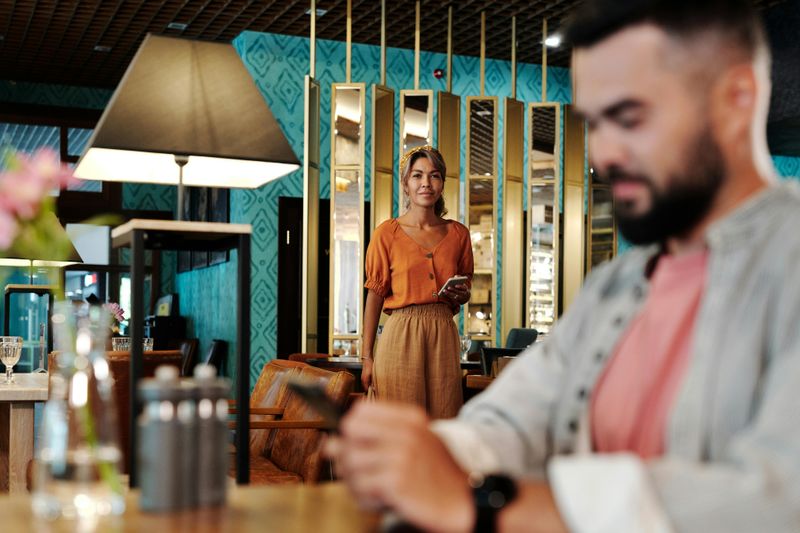
For decades, men paying on the first date was simply how things were done.
This tradition comes from times when men were typically the ones earning money while women stayed home.
Even today, 72% of Americans still believe the man should cover the first date bill in heterosexual relationships.
Supporters say this gesture shows respect and effort.
It demonstrates the man is serious about making a good impression.
Many men actually prefer this approach because it feels natural to them based on how they were raised.
Critics argue this tradition is outdated in our modern world.
They point out that women now work and earn their own money just like men do.
Sticking to old rules might send the wrong message about equality in relationships from the very start.
2. The Inviter Pays Principle

Here’s a straightforward rule that many people find fair: whoever asks someone out should be ready to pay.
If you invite someone to dinner, you’re basically hosting them for the evening.
Just like when you invite friends over to your house, you provide the food and entertainment.
This approach works regardless of gender.
It puts the responsibility on the person who chose the restaurant and suggested the date.
They picked the place, so they should be prepared for whatever it costs.
The downside?
Sometimes people feel awkward about this arrangement.
The person being asked out might worry about seeming like they’re taking advantage.
Plus, if someone always waits to be asked out, they never have to pay, which doesn’t seem quite fair either.
3. Going Dutch: Split the Bill Equally

Splitting the bill right down the middle is becoming the new normal for many young daters.
A recent survey found that 53% of singles think dividing the cost evenly makes the most sense.
This method treats both people as equals from the very beginning.
Fans of bill-splitting say it removes any awkward power dynamics.
Nobody owes anyone anything, and there’s no pressure about what might be expected later.
Both people contribute equally because they both enjoyed the meal and the company.
However, this approach has its critics too.
Some find it unromantic or overly practical for a first date.
Others worry about situations where one person ordered something expensive while the other kept it simple, making an even split feel unfair.
4. Breaking Stereotypes: Women Can Pay Too

Why shouldn’t women pay for dates?
This question challenges assumptions that many people never think about.
Some women prefer to pay because it shows their financial independence and breaks free from old-fashioned expectations about gender roles.
When a woman pays, it sends a clear message that she’s not looking for someone to take care of her financially.
She’s perfectly capable of handling her own expenses.
This can actually take pressure off both people and let them focus on getting to know each other.
Still, this remains less common than other options.
Traditional expectations run deep, and some men feel uncomfortable when women pay.
The key is communication—if a woman wants to pay, she should feel free to offer without anyone making it weird.
5. Money Matters: Consider Financial Situations

Not everyone has the same amount of money to spend on dates.
A college student working part-time has a very different budget than someone with a full-time career.
Ignoring these realities can create real problems and stress for people who are already struggling financially.
Some couples handle this by being honest about their financial situations upfront.
If one person makes significantly more money, they might offer to pay more often or choose less expensive date options.
The goal is making sure both people can enjoy themselves without financial worry.
Studies show that 60% of millennial men believe they should pay despite financial pressures.
Meanwhile, 43% of millennial women prefer splitting costs, possibly because they understand money struggles firsthand.
Talking openly about budgets might feel awkward, but it’s better than pretending money doesn’t matter.
6. Cultural Background Shapes Expectations

Where you grow up dramatically affects what you think is normal for first dates.
In some cultures, men paying is non-negotiable and refusing would be seen as insulting.
In other places, splitting the bill is standard practice and nobody thinks twice about it.
A survey in India found that 53% of women prefer splitting bills, while 42% of men still believe they should pay.
These numbers show how even within one country, different people have completely different expectations based on their backgrounds and beliefs.
The challenge comes when two people from different cultural backgrounds go on a date together.
What seems polite to one person might feel wrong to another.
The solution?
Talk about it beforehand or at least be willing to compromise and understand where the other person is coming from.
Comments
Loading…