
 Hailey Watson
Our grandparents and great-grandparents lived in a world that moved at a different pace, one where relationships mattered more than notifications and experiences trumped possessions.
They built strong communities, found joy in everyday moments, and knew how to truly connect with the people around them.
In our modern world filled with constant distractions and endless choices, we can learn valuable lessons from their simpler way of living that might just make our lives richer and more meaningful.
1. Face-to-Face Conversations Over Digital Messages

Before smartphones and social media took over, people actually talked to each other in person.
They sat across from one another, looked into each other’s eyes, and shared stories without checking their phones every few minutes.
This kind of conversation created deeper bonds because you could see someone’s expressions, hear the tone in their voice, and feel their emotions.
Grandparents often say that these face-to-face chats helped them truly understand their friends and family.
Today, we can bring back this practice by putting our devices away during meals or setting aside time each week for real conversations.
The connections we build will feel more genuine and lasting than any text message thread.
2. Making Do With What You Have
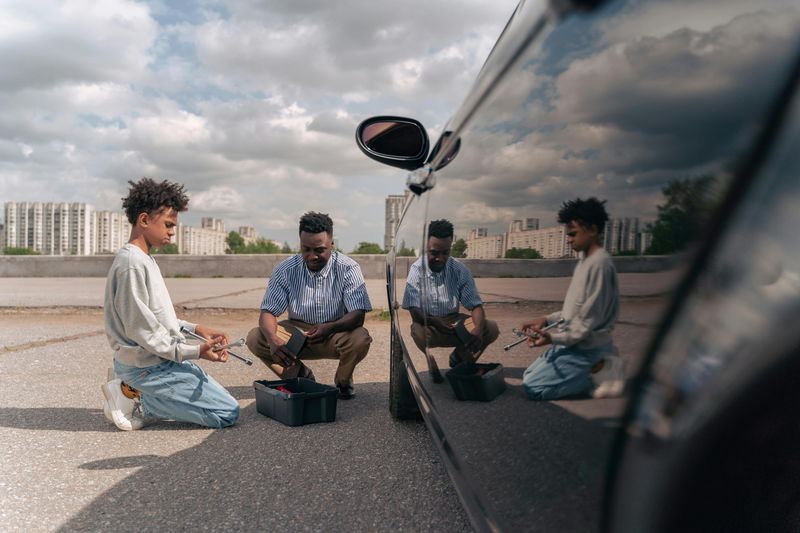
Older generations grew up in times when you couldn’t just order a replacement with next-day delivery.
When something broke, they fixed it.
When clothes wore out, they patched them up or turned them into something new.
This mindset taught them to be creative and resourceful rather than wasteful.
They learned valuable skills like sewing, woodworking, and basic repairs that made them more self-reliant and confident.
We can adopt this approach by learning to repair our belongings, shopping our own closets before buying new clothes, and finding creative solutions to problems.
Not only does this save money, but it also reduces waste and gives us a sense of accomplishment.
3. The Joy of Slow Cooking and Shared Meals
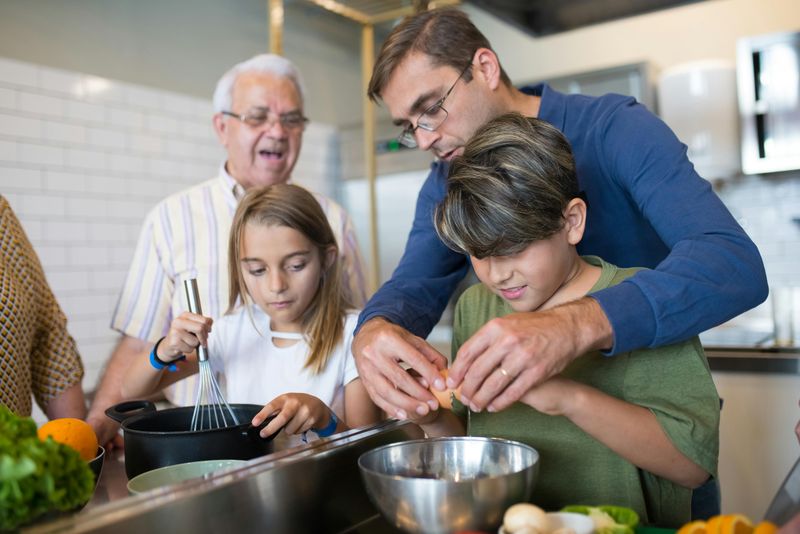
Meals used to be events, not just fuel stops between activities.
Older folks remember spending hours in the kitchen, preparing food from scratch and gathering everyone around the table to eat together.
Fast food and microwave dinners weren’t options for most families back then.
Cooking slowly allowed time for conversations, laughter, and passing down family recipes.
The dinner table became a place where everyone shared their day and stayed connected.
We can reclaim this tradition by cooking at least one meal together each week, turning off screens during dinner, and treating mealtime as sacred family time.
These moments become memories that last far longer than any restaurant visit.
4. Writing Letters and Handwritten Notes

Can you imagine waiting days or even weeks to hear back from someone you care about?
That’s how communication worked before instant messaging.
People wrote letters by hand, carefully choosing their words and pouring their hearts onto paper.
These handwritten messages felt more personal and meaningful because someone took the time and effort to create something just for you.
Many older adults still have boxes of letters they’ve saved for decades because they’re so precious.
Try writing a thank-you note or birthday card by hand instead of sending a quick text.
The person receiving it will feel truly special, and you’ll discover that taking time to express yourself thoughtfully creates stronger emotional connections.
5. Spending Time Outdoors Without Technology
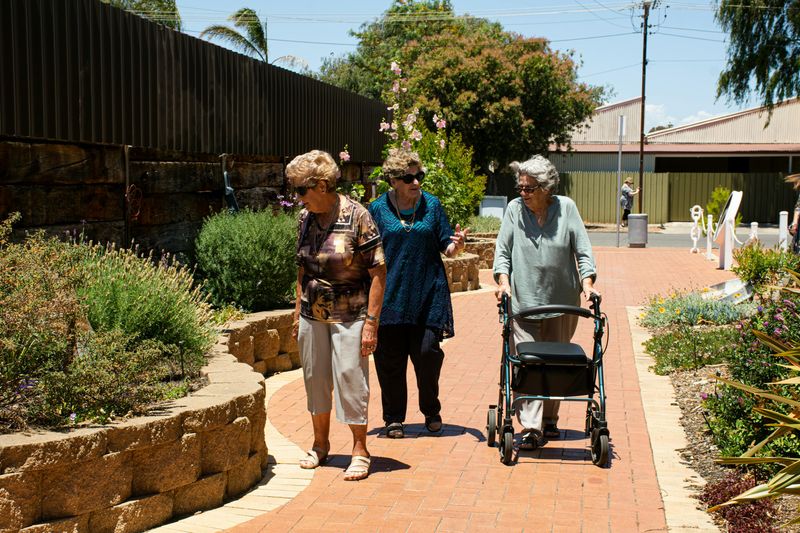
Entertainment used to mean going outside and exploring nature rather than scrolling through endless content.
Older generations spent their free time walking through neighborhoods, sitting on porches talking to neighbors, or simply watching the sunset.
They found peace and happiness in these simple outdoor activities that didn’t cost anything.
Being in nature helped them relax, think clearly, and appreciate the beauty around them without needing constant stimulation.
We can rediscover this by taking daily walks without headphones, visiting local parks, or just sitting outside for a few minutes each day.
These moments of quiet observation help us feel more grounded and connected to the world around us.
6. Building Community Through Neighborhood Connections
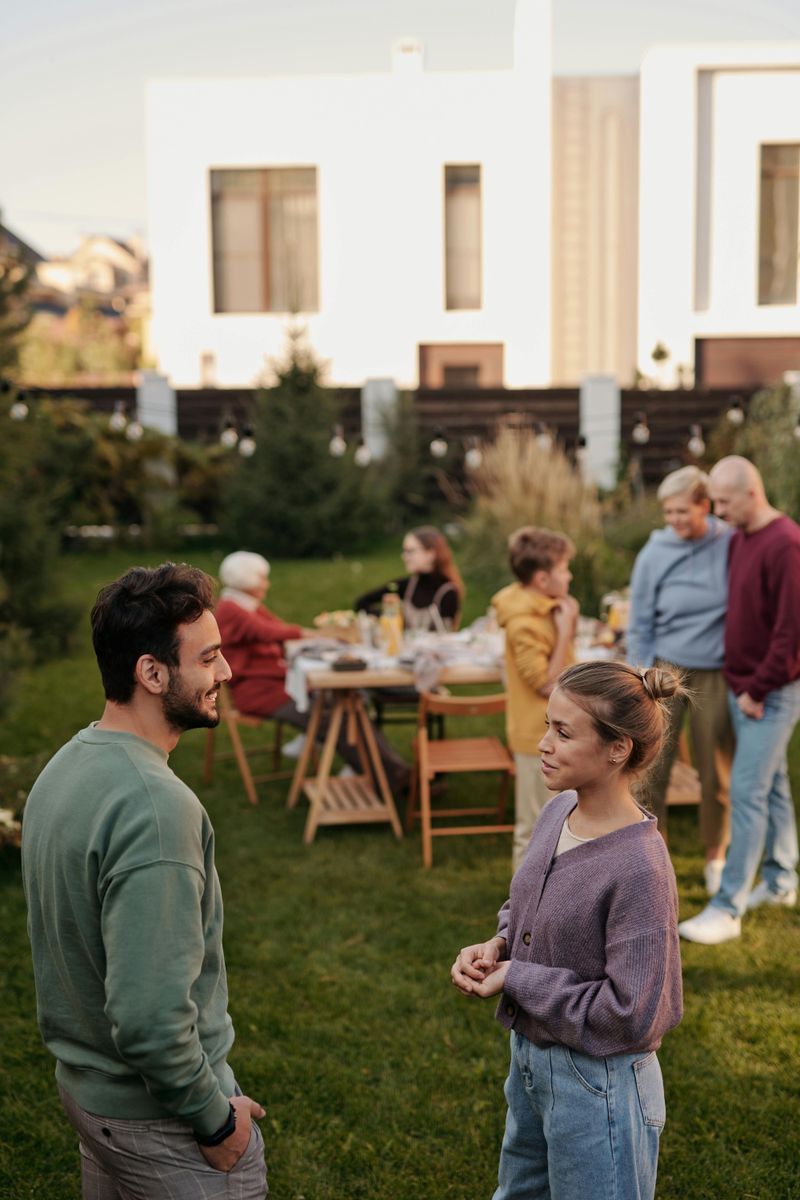
Back in the day, people knew everyone on their street.
Neighbors borrowed sugar from each other, watched each other’s kids, and gathered for block parties regularly.
Your community felt like an extended family that looked out for one another.
This sense of belonging provided security, friendship, and support during tough times.
Nobody felt alone because there was always someone nearby who cared.
Today, many of us don’t even know our neighbors’ names.
We can change this by introducing ourselves, offering help when we see someone struggling, or organizing small neighborhood gatherings.
Building these local connections creates a support network that makes everyone’s life better and brings back that sense of community our grandparents cherished.
7. Practicing Patience and Delayed Gratification
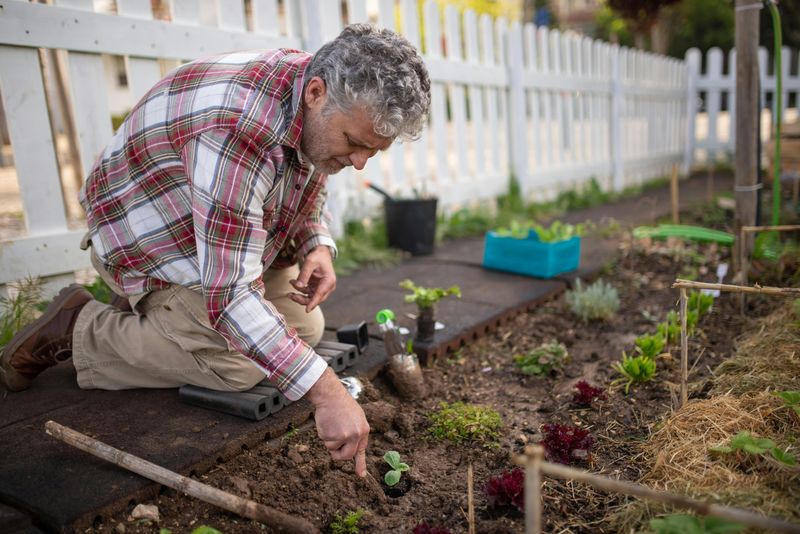
Older generations understood that good things take time.
They saved money for months to buy something special, waited all week for their favorite radio show, and planted gardens knowing they wouldn’t see results for months.
Instant gratification simply wasn’t an option.
This waiting taught them patience, discipline, and how to truly appreciate things when they finally arrived.
They learned to enjoy the anticipation and journey as much as the destination.
In our world of same-day delivery and instant streaming, we’ve lost this valuable skill.
Practicing patience by saving for purchases, growing our own food, or committing to long-term projects teaches us self-control and makes achievements feel more rewarding and meaningful.
Comments
Loading…