
 Jade Reed
These 12 Demands Are a Clear Sign Your Relationship Isn’t Healthy

Healthy relationships should make you feel supported, respected, and valued. But sometimes, certain demands from a partner can signal deeper problems that shouldn’t be ignored. Recognizing these red flags early can help you protect your well-being and decide what’s best for your future.
1. Demanding Access to Your Phone and Passwords

Privacy matters, even in committed relationships.
When your partner insists on checking your messages, emails, or social media accounts constantly, it shows a lack of trust.
Healthy couples respect each other’s personal space and don’t feel the need to monitor every interaction.
This behavior often stems from insecurity or control issues.
You deserve to have boundaries without feeling guilty.
If someone truly trusts you, they won’t demand proof through invading your privacy.
Real love builds on mutual respect, not surveillance.
Stand firm in protecting your personal information and digital space.
2. Insisting You Cut Off Friends and Family

Isolation is a classic warning sign of an unhealthy relationship.
Your partner might claim they just want more time together, but demanding you stop seeing loved ones crosses a serious line.
Strong relationships encourage outside connections, not eliminate them.
Friends and family provide essential support systems that everyone needs.
Cutting them off leaves you vulnerable and dependent on one person.
Notice if your partner criticizes your loved ones constantly or creates drama whenever you make plans without them.
This manipulation tactic aims to control who influences your life.
Maintain your relationships outside your romance.
3. Controlling What You Wear

Your clothing choices belong to you alone.
Partners who dictate your wardrobe are trying to control how others perceive you and limit your self-expression.
Whether they demand more conservative outfits or specific styles, this behavior disrespects your autonomy.
Compliments about what looks nice differ greatly from orders about what you can’t wear.
One shows appreciation; the other shows domination.
Your body, your choice applies to fashion too.
Dress in ways that make you feel confident and comfortable.
A supportive partner celebrates your style rather than restricting it based on their insecurities or preferences.
4. Demanding You Share Your Location Constantly

Tracking apps have made monitoring easier than ever, but easier doesn’t mean healthier.
While sharing locations occasionally for safety makes sense, requiring constant updates about your whereabouts indicates control issues.
You’re a partner, not a suspect under investigation.
This demand often escalates from casual check-ins to interrogations about every stop you make.
Healthy relationships operate on trust, not GPS coordinates.
Everyone needs freedom to run errands, visit places, or simply exist without providing minute-by-minute reports.
If your partner can’t handle not knowing your exact location always, that’s their problem to work on.
5. Requiring Permission for Every Decision

Adults shouldn’t need approval for basic life choices.
When your partner expects you to ask permission before making plans, spending your own money, or taking on new opportunities, they’re treating you like a child.
Partnership means consulting each other on major decisions, not seeking authorization for everything.
This dynamic creates an unhealthy power imbalance where one person holds authority over the other.
You lose your sense of independence and confidence in your own judgment.
Healthy couples discuss important matters together but trust each other to handle daily decisions independently.
Reclaim your right to make choices.
6. Demanding You Change Your Appearance
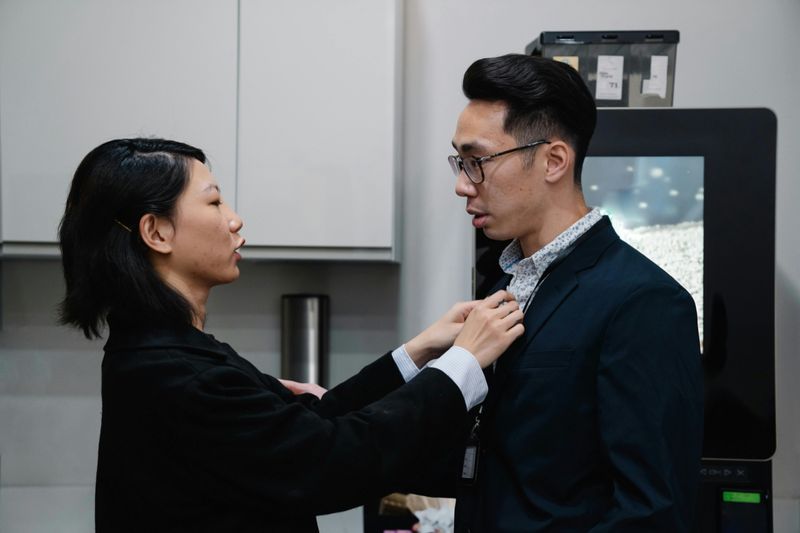
Love accepts people as they are, not as projects to redesign.
Whether it’s your hair color, weight, makeup style, or body modifications, partners who demand physical changes disrespect your bodily autonomy.
Gentle suggestions differ vastly from ultimatums about your looks.
These demands often hide deeper insecurity or unrealistic expectations shaped by media.
Your appearance should reflect your preferences, not someone else’s fantasy.
Real attraction embraces natural changes and personal choices.
If someone loved you initially, demanding transformations later reveals conditional acceptance.
Your body deserves appreciation, not criticism disguised as improvement plans.
Stand confident in your own skin.
7. Insisting You Quit Your Job or Career

Financial independence protects your future and self-worth.
Partners who pressure you to leave your job create dangerous dependency.
Whether they claim you don’t need to work or dislike your schedule, this demand strips away your economic freedom.
Careers provide more than paychecks—they offer identity, social connections, and personal growth.
Giving that up for someone else’s comfort puts you in a vulnerable position.
Some may disguise this as romantic gestures about providing for you, but genuine support means encouraging your professional goals.
Never sacrifice your career security for someone’s control needs.
Keep your professional life active and thriving.
8. Demanding Immediate Responses to Messages

Everyone deserves time to focus on tasks without constant interruptions.
Partners who get angry when you don’t reply instantly show controlling tendencies and lack understanding about daily responsibilities.
Life includes meetings, driving, studying, or simply needing mental breaks.
This expectation creates anxiety around your phone, making you feel tethered and unable to be fully present elsewhere.
Healthy communication allows for reasonable response times without drama.
Read receipts and last-seen timestamps shouldn’t become weapons in relationships.
Trust your partner to respond when they can, not when demanded.
Set boundaries around communication expectations early.
Your attention isn’t owed every second.
9. Requiring You to Prioritize Them Over Everything

Balance keeps relationships healthy and sustainable long-term.
When partners demand to always come first—above hobbies, goals, health, or other commitments—they’re asking for an unhealthy level of priority.
Life requires juggling multiple important areas, not sacrificing everything for one person.
This demand often appears romantic initially, framed as intense devotion.
However, it quickly becomes suffocating and unrealistic.
Mature love understands that sometimes work deadlines, family emergencies, or personal needs require temporary focus shifts.
Your world should include your relationship, not revolve entirely around it.
Maintain diverse priorities for a fulfilling, well-rounded life beyond romance.
10. Demanding You Stop Pursuing Your Dreams

Supportive partners champion your ambitions, not crush them.
Whether it’s returning to school, starting a business, or relocating for opportunities, partners who demand you abandon your dreams prioritize their comfort over your fulfillment.
Real love encourages growth, even when it requires adjustments.
These demands often mask fears about being left behind or losing control.
But your dreams matter just as much as theirs do.
Compromises in relationships should never mean completely surrendering your aspirations.
Find someone who sees your potential and wants to help you reach it.
Never let anyone make you smaller to keep them comfortable.
11. Insisting on Joint Accounts with No Personal Money

Financial control often precedes other forms of abuse.
While some couples successfully share finances, demanding you have zero personal accounts or money creates dangerous dependency.
Everyone deserves access to some funds they control independently.
This arrangement makes leaving difficult if the relationship turns toxic.
It also removes your ability to make purchases without scrutiny or judgment.
Healthy financial partnerships include transparency about shared expenses while respecting individual autonomy.
Personal accounts aren’t about hiding things—they’re about maintaining independence.
Protect your financial freedom regardless of relationship status.
Economic abuse starts with eliminating your resources and options for self-sufficiency.
12. Demanding You Defend Them Despite Bad Behavior

Loyalty doesn’t mean blindly supporting wrongdoing.
Partners who expect you to excuse, justify, or defend their hurtful actions toward others show a lack of accountability.
Whether they’re rude to waitstaff, cruel to your friends, or generally problematic, demanding your unwavering support puts you in uncomfortable positions.
This expectation forces you to compromise your values and potentially damage other relationships.
Standing by someone doesn’t require agreeing with everything they do.
Healthy partners accept constructive criticism and take responsibility for mistakes.
They don’t manipulate you into being their constant defender.
Choose relationships where you’re proud to stand beside someone, not forced to make excuses.
Comments
Loading…