
 Isabel Parker
Stop Looking for the Perfect Soulmate: 10 Things That Don’t Really Matter

Dating advice has a funny way of turning love into a scavenger hunt for the “right” specs.
Somewhere between friend group opinions, social media standards, and your own growing list of dealbreakers, it becomes easy to believe that finding your soulmate is mostly about filtering people out.
The truth is that a lot of the things we’re trained to prioritize have almost nothing to do with the daily reality of a healthy relationship.
They can be loud, shiny, and easy to measure, which makes them feel “safe,” even when they’re distracting you from what actually predicts long-term happiness.
If you’re serious about meeting someone who fits your life, you may need to stop policing the wrong details and start paying attention to the ones that truly matter.
1. Their height (or one physical non-negotiable)

A single physical requirement can feel like a harmless preference, but it often becomes an easy excuse to dismiss someone before you’ve learned anything real about them.
Attraction is important, of course, yet it is also more flexible than most people admit, especially when emotional safety, shared humor, and genuine interest are present.
When you fixate on one trait—height, hair, a body type—you may accidentally train yourself to chase a fantasy instead of a person.
The most lasting chemistry usually comes from feeling seen, respected, and wanted in a consistent way, not from a measurement on a dating profile.
Pay attention to whether you enjoy their presence, feel comfortable being yourself, and notice attraction growing as you connect, because that kind of pull tends to last.
2. How much money they make

A high income can look like security, but it doesn’t automatically translate into stability, generosity, or good partnership skills.
Plenty of people earn well and still struggle with debt, impulsive spending, or a refusal to talk about money in a mature way.
On the flip side, someone with an average salary may be responsible, disciplined, and deeply motivated to build a future together.
What matters most is whether their financial habits align with yours and whether they can communicate without shame, secrecy, or power games.
Look for patterns like paying bills on time, having realistic goals, and making thoughtful choices, because those behaviors are far more predictive than a number on a paycheck.
Shared values around saving, giving, and planning will protect your relationship more than income ever will.
3. Having a “perfect” job title

Status can be seductive, especially when you’ve worked hard and want a partner who feels equally “impressive” on paper.
Still, a prestigious title says nothing about someone’s availability, emotional maturity, or ability to show up when life gets difficult.
Some high-achievers bring chronic stress home, prioritize work over everything, or use their career as an identity shield to avoid vulnerability.
A relationship cannot thrive on admiration alone, because intimacy requires time, energy, and real presence.
Instead of focusing on how their job sounds to other people, notice whether they have balance, boundaries, and respect for your time.
Pay attention to how they handle pressure and disappointment, because that is what you’ll actually live with.
A grounded partner with a less flashy career can offer far more peace and partnership than a title ever could.
4. Whether you instantly felt fireworks

That rush of excitement can feel like fate, but it can also be your nervous system reacting to uncertainty, intensity, or familiar emotional patterns.
In other words, “spark” isn’t always a sign of compatibility; sometimes it is simply a sign you’re activated.
Healthy love often starts quieter, especially when you’re meeting someone who treats you well and doesn’t keep you guessing.
When you’re used to inconsistency, calm interest may feel boring, even when it is actually safe.
Instead of judging the first date by how dramatic it felt, focus on whether the conversation flowed naturally, whether you felt respected, and whether you left feeling steady rather than anxious.
Real chemistry can build over time when trust grows, and that kind of attraction tends to be more reliable than fireworks that burn out fast.
5. Their social media aesthetic
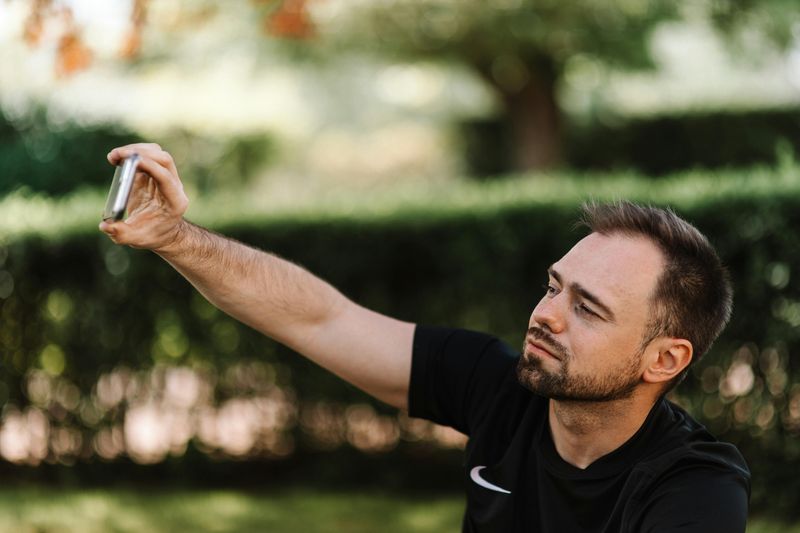
A polished online presence can create the illusion that you already know someone, even though you’re mostly seeing a highlight reel.
People can look emotionally available, kind, and stable on a screen while behaving completely differently in real life.
When you put too much weight on curated photos, clever captions, or “relationship-ready” vibes, you risk ignoring the only thing that matters: how they treat you consistently.
Social media can also make you overvalue shallow markers of compatibility, like taste, travel, and style, while undervaluing character traits you cannot filter for with a swipe.
Focus on real-world behavior, such as whether they communicate clearly, follow through on plans, and show curiosity about your life.
Pay attention to how you feel after interacting with them offline, because that is where authenticity shows up and where healthy love is built.
6. How charming they are on date one

A magnetic personality can be fun, but charm is often just performance, especially early on when someone wants to make a strong impression.
Smooth talk and confident flirting do not automatically mean emotional maturity, honesty, or commitment.
Some people can be delightful for two hours and still be unreliable, avoidant, or self-centered once you need something real from them.
Rather than getting swept away by how entertaining they are, watch how they handle small moments that reveal character.
Notice whether they listen without interrupting, respect boundaries without pouting, and treat service workers with basic decency.
Pay attention to what happens after the date, too, because consistency lives in follow-up, not in witty banter.
The right person won’t just impress you; they’ll make you feel safe, valued, and considered over time.
7. Their potential

It’s easy to fall in love with the version of someone you imagine they’ll become, especially if you see flashes of greatness and tell yourself they just need time.
The problem is that dating for potential often turns you into a coach, a therapist, or a project manager, which is exhausting and rarely romantic.
If someone has to change major habits for the relationship to work—like communication, fidelity, or basic responsibility—you are not building on a stable foundation.
People can grow, but only when they want to, and only when they take action consistently.
Focus on what they do now, not what they promise later, because promises are cheap when behavior doesn’t match.
Choose someone whose current lifestyle, emotional skills, and effort make you feel secure, because a soulmate should add peace to your life, not constant hope.
8. Whether they check every box on your “type” list

A long list can feel empowering, but it can also trap you in patterns you’ve never questioned.
Many people’s “type” is shaped by old crushes, cultural messaging, or even past relationships that didn’t work out, which means it may not reflect what truly supports you.
When you chase a rigid template, you may overlook someone who would actually be a better partner, simply because they don’t match your mental picture.
Instead of focusing on whether they fit your usual vibe, pay attention to how compatible your lives are and how you handle disagreements.
Notice whether you share values, whether you laugh easily, and whether you can talk through hard things without fear.
Your soulmate is not a checklist; they’re a person whose presence makes your real life better, not just your fantasy life more exciting.
9. What your friends (or family) will think

Outside opinions can be useful, but they become dangerous when they replace your own judgment.
Friends and family often project their preferences, fears, or past experiences onto your dating life, especially if they love you and want to protect you.
Still, they don’t live inside your relationship, which means they can miss the quiet details that matter most.
When you prioritize approval, you may choose someone who looks good on paper while ignoring how you actually feel around them.
You might also hide red flags just to prove you were right, which keeps you stuck longer than necessary.
Focus on your lived experience: whether you feel respected, whether you can be yourself, and whether conflict is handled with care.
A healthy relationship should feel like support, not like a performance for an audience.
10. Hitting a timeline

Pressure to meet “the one” by a certain age can make your dating decisions frantic, even when you swear you’re being rational.
When you feel behind, you’re more likely to ignore incompatibilities, accept crumbs, or push a relationship forward before trust has been earned.
Timelines are often rooted in comparison, family expectations, or fear, which means they can turn love into a race instead of a choice.
Instead of focusing on when it should happen, focus on how it is happening.
Notice whether the relationship is moving forward because both of you are aligned, not because you’re trying to catch up.
Build a life you genuinely enjoy—friends, routines, goals—so that your happiness isn’t dependent on meeting a deadline.
The right relationship should feel like an addition, not a rescue mission driven by the calendar.
Comments
Loading…