
 Isabel Parker
People Who Slowly Distance Themselves From Loved Ones Often Have These Reasons
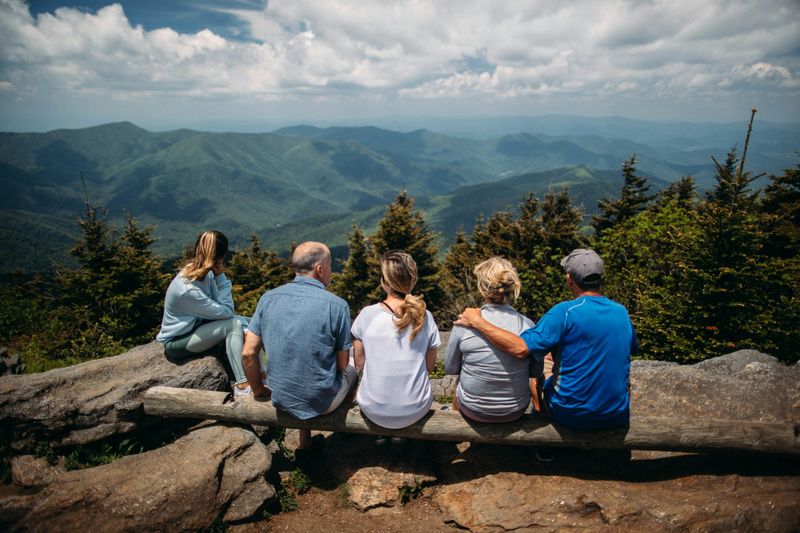
Sometimes the people we care about most start to pull away, and it can feel confusing and painful.
You might notice fewer phone calls, shorter visits, or conversations that feel less meaningful than before.
Understanding why someone creates distance can help you make sense of their behavior and maybe even find a path forward.
The reasons behind this withdrawal are often complex, rooted in deep emotions and personal struggles that deserve compassion and understanding.
1. Escaping Toxic or Abusive Relationships

Nobody should have to endure constant criticism, manipulation, or outright abuse from people who claim to love them.
When emotional, verbal, or physical harm becomes a pattern, stepping back becomes an act of survival rather than rejection.
The decision to distance yourself from abusive family members or partners takes incredible courage.
Many people struggle with guilt, wondering if they’re overreacting or being too sensitive.
Creating space from toxic relationships allows wounds to heal and self-worth to rebuild.
This boundary isn’t about revenge or punishment—it’s about choosing mental health and safety over maintaining appearances or fulfilling expectations that come at too high a personal cost.
2. Carrying Unresolved Childhood Trauma
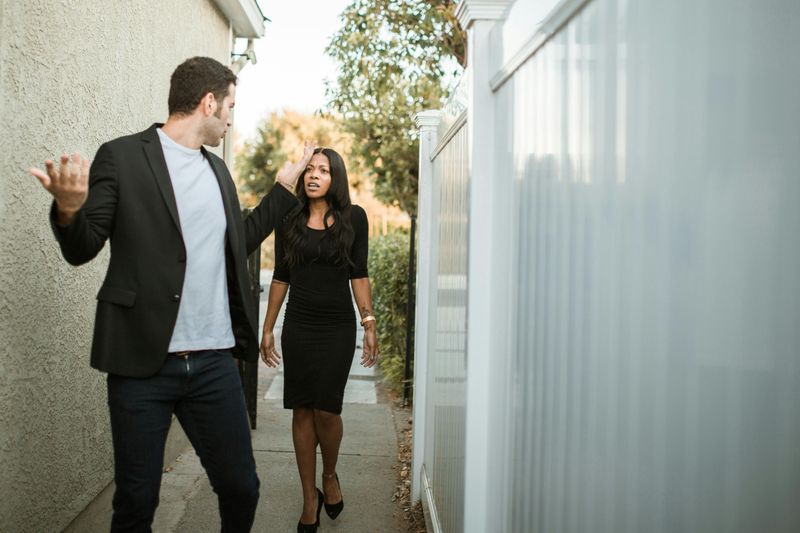
Childhood experiences shape how we connect with others throughout our entire lives.
Neglect, abuse, or emotional unavailability from caregivers can leave invisible scars that make adult relationships feel overwhelming or unsafe.
Some people distance themselves because being around family triggers painful memories they’ve worked hard to process.
The smell of a particular cologne, a certain tone of voice, or familiar holiday traditions can bring everything flooding back.
Healing from childhood wounds often requires space from the people and places connected to that pain.
Therapy and self-reflection work better when you’re not constantly re-exposed to triggering situations, making distance a necessary part of recovery.
3. Missing Emotional Support When It Matters Most

Sharing your biggest accomplishments only to receive lukewarm responses or outright criticism.
When loved ones consistently fail to celebrate your wins or support you through struggles, the relationship starts feeling one-sided and exhausting.
People need cheerleaders in their corner, not critics waiting to point out flaws.
Constant negativity chips away at confidence and makes you question whether these relationships add value to your life.
Eventually, many choose to invest their emotional energy elsewhere—with friends who actually listen, partners who encourage growth, or communities that appreciate their contributions.
Distancing becomes less about anger and more about self-preservation and seeking the support everyone deserves.
4. Clashing Over Core Values and Beliefs

What happens when your fundamental beliefs about the world clash completely with your family’s views?
Political differences, religious disagreements, or conflicting moral values can turn family gatherings into battlegrounds rather than celebrations.
These aren’t minor disagreements about favorite movies or sports teams.
We’re talking about core identity issues—who you love, what you believe about justice, how you raise your children, or what gives life meaning.
When loved ones actively disrespect or attack your beliefs, maintaining closeness becomes nearly impossible.
Some people choose distance to protect their peace and authenticity rather than constantly defending who they are or pretending to be someone they’re not just to keep the peace.
5. Battling Mental Health Struggles in Silence
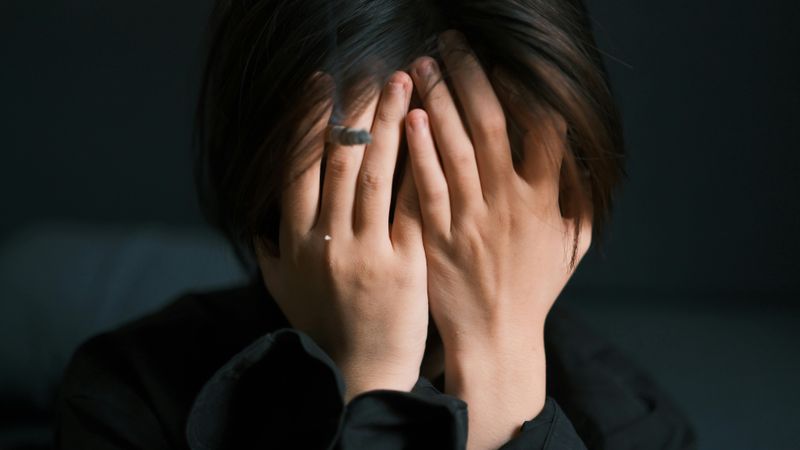
Depression whispers lies that you’re a burden to everyone around you.
Anxiety convinces you that people are better off without you.
These mental health conditions don’t just affect mood—they fundamentally change how we interact with the world.
Many people withdraw because they fear judgment or simply lack the energy to maintain relationships.
Explaining why you can’t attend events or why you’ve been distant feels impossible when you’re barely keeping yourself together.
The cruel irony is that isolation often worsens mental health, creating a vicious cycle.
Understanding that someone’s distance might stem from internal battles rather than personal rejection can change everything about how we respond to their withdrawal.
6. Seeking Independence and Personal Growth
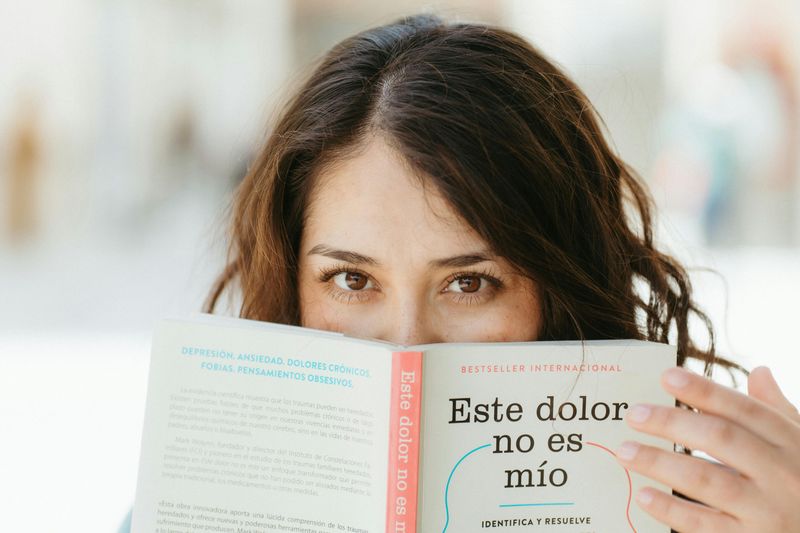
Growing up sometimes means growing apart.
As people develop their own identities, careers, and families, they naturally need space to figure out who they are outside of childhood roles and expectations.
This distancing isn’t necessarily negative—it’s a healthy part of becoming an autonomous adult.
Young people especially need room to make mistakes, explore different lifestyles, and establish boundaries without constant input or interference.
Families that struggle to accept this independence often push people further away by demanding more time and attention.
The healthiest relationships adapt to these changes, finding new ways to connect that respect everyone’s need for individual growth while maintaining meaningful bonds.
7. Holding Onto Unresolved Conflicts and Grudges
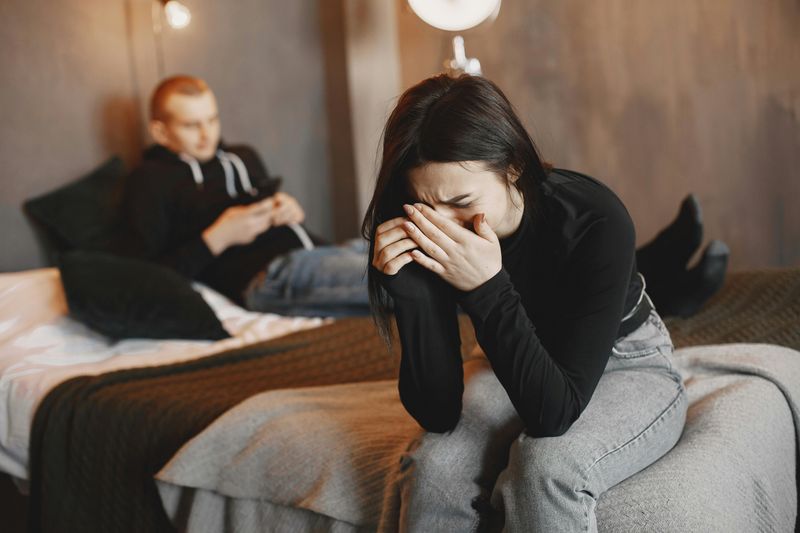
Some arguments never quite get resolved—they just get buried under years of awkward silences and forced politeness.
Maybe someone said something unforgivable during a heated moment, or perhaps a betrayal shattered trust that was never properly rebuilt.
Pride, stubbornness, or fear of vulnerability can prevent the difficult conversations needed for reconciliation.
Over time, these unresolved issues build walls between people who once shared everything.
The longer conflicts go unaddressed, the harder they become to fix.
What started as a single disagreement snowballs into years of distance, with both sides waiting for the other to make the first move toward healing that may never come without intentional effort.
8. Dealing With Addiction and Family Dysfunction

Loving someone with an addiction is heartbreaking, especially when that person refuses help or repeatedly breaks promises to change.
Substance abuse creates chaos that affects everyone in its orbit—broken trust, financial problems, and emotional roller coasters become the norm.
Many people eventually realize they can’t save someone who doesn’t want to be saved.
Watching a loved one self-destruct while enabling their behavior helps no one.
Creating distance from addiction and dysfunction is often the healthiest choice for everyone involved.
It protects your own well-being while sometimes providing the wake-up call the struggling person needs.
Boundaries aren’t abandonment—they’re necessary limits that preserve your ability to help when someone finally becomes ready.
9. Managing Physical Distance and Life Changes

Moving across the country for a dream job or educational opportunity inevitably changes relationships.
Video calls and holiday visits can’t fully replace the spontaneous coffee dates and regular dinners that kept you close before.
Life gets busy with new responsibilities, friendships, and routines.
Time zone differences make scheduling conversations difficult, and shared experiences become fewer as your daily lives diverge.
This type of distancing often happens gradually and unintentionally.
Nobody decides to grow apart—it just happens when physical proximity no longer reinforces emotional connection.
Some relationships survive the distance beautifully, while others naturally fade as people build new lives in different places with different communities.
10. Experiencing Emotional Exhaustion and Burnout

Constant drama drains your soul.
When every phone call brings new crisis, every visit involves walking on eggshells, and every conversation requires emotional labor, relationships become exhausting rather than energizing.
Some families operate on guilt, manipulation, and endless demands for attention and resources.
Being the peacemaker, therapist, or emotional support system for everyone else leaves nothing for yourself.
Burnout happens when giving becomes so one-sided that you have nothing left.
Distancing yourself isn’t selfish—it’s recognizing that you can’t pour from an empty cup.
Sometimes the kindest thing you can do for yourself is step back, recharge, and establish healthier patterns of engagement that don’t leave you completely depleted.
Comments
Loading…