
 Mila Ross
First Getaway With Your Partner? 10 Ways to Avoid Unnecessary Stress

Planning your first trip together as a couple should be exciting, not overwhelming. Whether you’re heading to a beach resort or exploring a new city, a little preparation goes a long way in keeping the peace and making memories you’ll both treasure.
These ten practical tips will help you navigate everything from packing to disagreements, so you can focus on enjoying each other’s company and creating a stress-free adventure.
1. Discuss Budget Before Booking Anything

Money conversations aren’t the most romantic, but they’re absolutely essential before you book flights or hotels.
Sit down together and be honest about what each of you can comfortably spend without feeling stressed afterward.
Consider everything from accommodation and meals to activities and souvenirs.
Setting a clear budget prevents awkward moments when one person wants to splurge on a fancy dinner while the other prefers saving money.
You’ll both feel more relaxed knowing you’re on the same financial page.
Transparency now means fewer arguments later, and that’s worth every minute of planning time you invest upfront.
2. Choose a Destination You Both Actually Want

Compromise sounds great in theory, but nobody wants to spend their vacation somewhere they’re not excited about.
Take turns suggesting places that genuinely interest both of you, then narrow down the list together.
Maybe one loves beaches while the other craves mountain hikes—find a spot offering both.
When you’re both enthusiastic about the destination, the entire trip feels more balanced and enjoyable.
Neither person should feel dragged along or like they’re doing someone a favor.
Mutual excitement sets a positive tone from day one and makes every experience more memorable and meaningful for your relationship.
3. Pack Light and Share Luggage Space
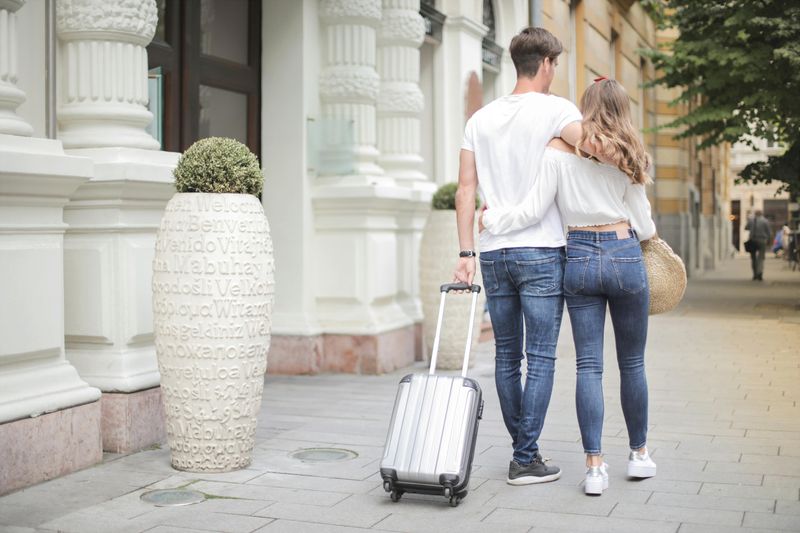
Overpacking creates unnecessary hassle, from lugging heavy bags through airports to fighting over closet space in your hotel room.
Challenge yourselves to pack only essentials and coordinate what you’re bringing.
Share items like toiletries, chargers, and first-aid supplies to save space and weight.
Traveling light makes everything easier—you’ll move through airports faster, avoid checked bag fees, and have less to keep track of.
Plus, you’ll have room for souvenirs on the return trip.
Packing together also helps you see what the other person prioritizes, which teaches you more about their travel style and preferences.
4. Plan Some Activities, But Leave Room for Spontaneity

Over-scheduling turns your vacation into an exhausting marathon rather than a relaxing getaway.
Research a few must-see attractions or restaurants beforehand, but don’t plan every single hour.
Leave plenty of free time to wander, discover hidden gems, or simply relax together without rushing anywhere.
Some of the best travel memories come from unplanned moments—stumbling upon a local festival, finding a perfect sunset spot, or sleeping in because you both need rest.
Flexibility reduces stress and lets you respond to how you’re actually feeling each day.
Balance structure with freedom, and you’ll both feel more satisfied with how you spend your time together.
5. Agree on Wake-Up Times and Daily Pace
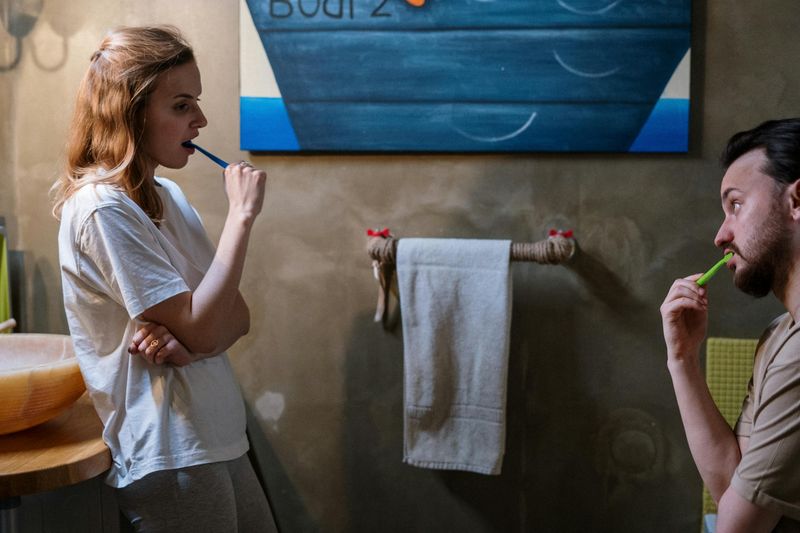
One of you might be an early bird who wants to catch every sunrise, while the other prefers sleeping until noon.
These differences can cause serious friction if you don’t address them upfront.
Talk about your ideal daily rhythm before you leave, and find a middle ground that respects both preferences.
Perhaps you agree to start mornings leisurely with coffee before heading out, or maybe you alternate between early and late starts.
Understanding each other’s energy patterns helps prevent resentment when one person feels rushed or held back.
Respecting different paces shows consideration and makes the trip enjoyable for both of you instead of just one.
6. Establish Phone and Social Media Boundaries

Constantly scrolling through social media or checking work emails defeats the purpose of getting away together.
Before your trip, discuss how much screen time feels reasonable to both of you.
Maybe you agree to post one photo daily but otherwise stay present, or perhaps you designate certain times for checking messages.
Being glued to your phone sends the message that something else matters more than your partner.
Set boundaries that let you both disconnect and focus on each other.
You’ll create deeper connections and better memories when you’re not distracted by notifications.
Your relationship deserves your full attention during this special time together.
7. Prepare for Different Temperature Preferences

Arguments over room temperature might sound silly until you’re actually dealing with them at midnight.
One person always runs hot while the other shivers under three blankets—it’s a tale as old as time.
Bring layers and discuss your preferences before someone wakes up freezing or sweating.
Pack an extra blanket or lightweight jacket so both of you can be comfortable without constantly adjusting the thermostat.
Hotels often provide extra bedding if you ask at the front desk.
Small accommodations like this prevent petty disagreements that can sour your mood.
Comfort matters more than you think when you’re sharing close quarters for several days straight.
8. Discuss Food Preferences and Dietary Needs

Few things derail a good mood faster than hangry arguments about where to eat.
Before you travel, talk about dietary restrictions, favorite cuisines, and how adventurous you’re willing to be with food.
Maybe one of you is vegetarian or has allergies that need consideration when choosing restaurants.
Research a few dining options beforehand so you’re not wandering around hungry and frustrated, unable to agree on anything.
Having a backup list of restaurants saves time and prevents those tense moments when you’re both starving.
Food should bring you together, not drive you apart, so make sure you’re both excited about mealtimes and feel your needs are respected.
9. Have a Plan for Handling Disagreements

Even the happiest couples disagree sometimes, especially when tired, hungry, or navigating unfamiliar places.
Instead of pretending conflicts won’t happen, decide in advance how you’ll handle them constructively.
Will you take a short break to cool off?
Use a calm voice even when frustrated?
Agree not to bring up past issues?
Establishing ground rules for arguments prevents small disagreements from exploding into vacation-ruining fights.
Remember that you’re on the same team, not opponents.
Take deep breaths, listen to each other’s perspectives, and prioritize finding solutions over being right.
Your relationship matters more than winning any argument, especially during what should be an enjoyable experience together.
10. Build in Alone Time Without Feeling Guilty

Spending every single moment together for days straight can feel overwhelming, even for couples who adore each other.
Give yourselves permission to take occasional breaks without anyone feeling rejected or hurt.
Maybe one person wants to nap while the other explores a local market, and that’s perfectly healthy.
Alone time lets you recharge and process your experiences individually, which actually strengthens your connection.
You’ll have new stories to share when you reunite, and you’ll appreciate each other more after brief separations.
Discuss this beforehand so neither person misinterprets needing space as a sign something’s wrong.
Independence and togetherness can coexist beautifully on vacation.
Comments
Loading…